
My experience living in Dubai when the war started
Constraints drive geopolitical outcomes, not preferences
The conflict is likely to persist, leaving energy prices elevated
[3 minute read]
This conflict hit close to home.
I was living in Dubai when Iran fired hundreds of missiles and drones into the United Arab Emirates (UAE).
Only some of the drones made it through the impressive UAE missile defense system, most notably damaging the Dubai airport, two hotels, and the U.S. Consulate.

Faced with a risk I had never encountered in the U.S., I considered the upside and downside of staying.
Prior to the conflict, Dubai had won me over. I really wanted to stay.
My base/expected case was that Iran had limited firepower and the UAE defense system was strong.
However, in the end, my stress case won the day.
If the conflict worsened and the airspace closed, I would be stuck in a vulnerable geography during an active conflict.
Asymmetric downside.
I avoid those trades.
So I left.
The constant sound of missile interceptions above the city, drone strikes in my neighborhood, and alerts like the one below were unsettling.

Historically, my approach to geopolitical conflict has been to take the other side of emotional price swings, expecting either 1) a quick resolution, or 2) markets to stabilize after an initial volatility spike.
I’m not convinced this conflict will follow that pattern.
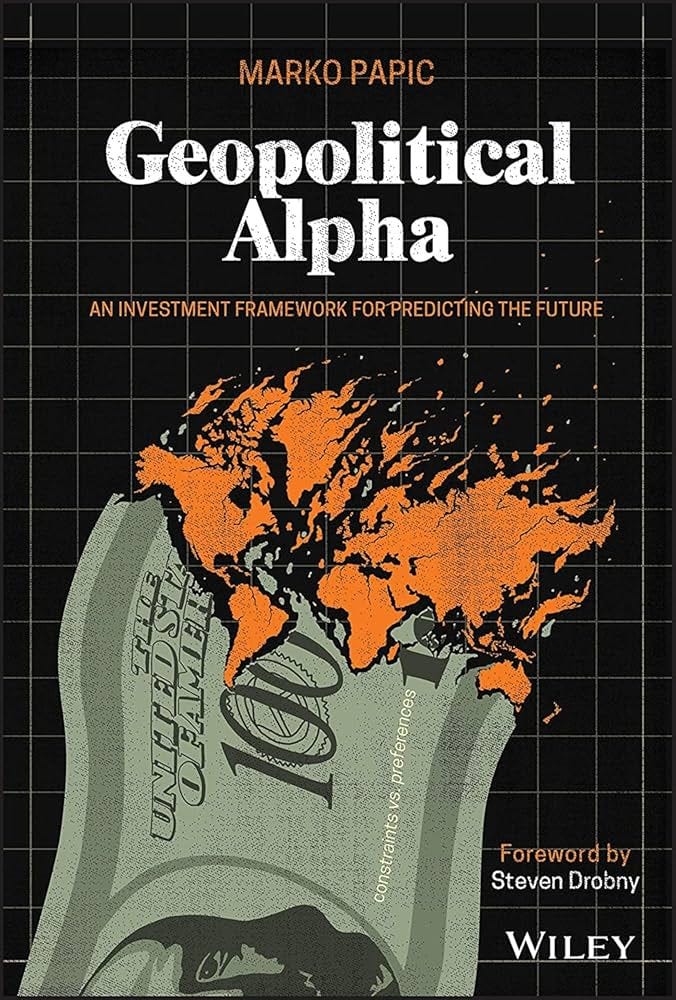
“Preferences are optional and subject to constraints, whereas constraints are neither optional nor subject to preferences.” —Marco Papić
My own geopolitical framework is influenced by BCA Research Chief Strategist Marco Papić in his book Geopolitical Alpha.
Papić proposes a simple forecasting rule: analyze constraints first, not preferences.
Most geopolitical analysis focuses on what leaders want (their ideology, rhetoric, or stated goals). Papić argues this is usually the wrong variable.
Instead, outcomes are determined by constraints—the structural forces that limit what policymakers can actually do.
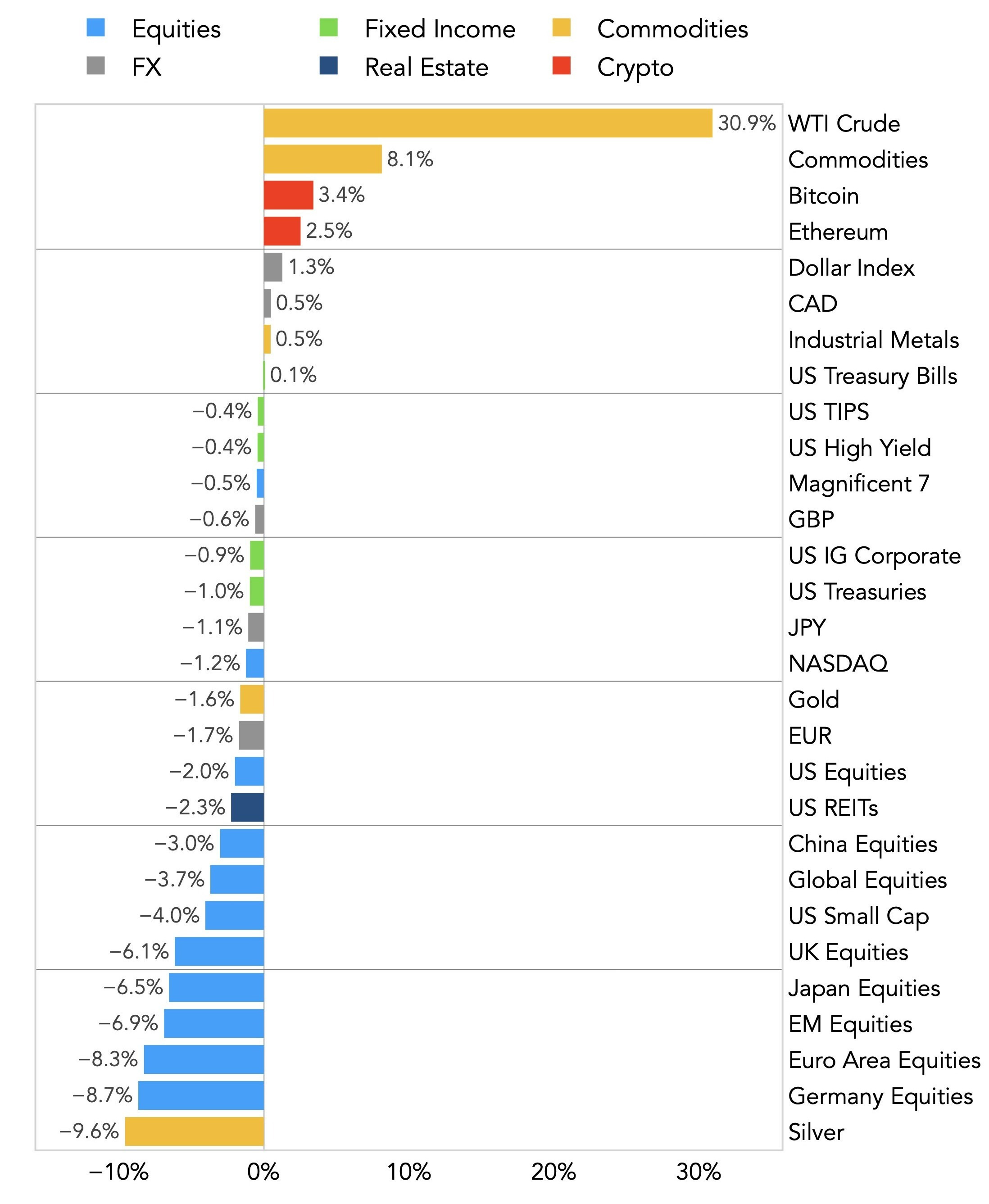
Iran’s strikes have had limited impact and their firepower has been declining since the war started.
The U.S. and Israeli have been more effective, taking out Iran’s supreme leader, top military and intelligence officials, numerous missile launch sites, and largely destroying Iran’s navy.
While Trump prefers a deal and to quickly declare victory, he is constrained by inflation via energy prices, popular opinion regarding yet another war in the Middle East, and the approaching midterm elections.
With their back up against the wall and little left to lose, Iran has no motivation to negotiate. Aware of Trump’s constraints, they are likely to drag out of the war.
For this reason, I expect the conflict to persist.
As a result, energy prices are likely to remain elevated.
If energy prices remain elevated but contained, equities can steady. This is my base case.
However, if the conflict worsens and energy prices spike further, the equity market will decline and become singularly focused on energy. This is my stress case.
Headlines follow preferences. Outcomes follow constraints.
Comments
Nothing yet. Say the first thing.
Sign in to join the conversation.