
It’s 1992. And Bill Travers is analyzing three years of video footage from more than 100 zoos across North America, Europe, and the Far East. This footage would later, in 1993, be used for Born Free’s Zoochotic Report film. His observations would lead him to create a term that would increase awareness of this then-puzzling phenomenon: zoochosis.
“In every zoo I visited when compiling the Zoochotic Report, I witnessed some sort of abnormal behaviour” – Bill Travers MBE, Born Free Co-Founder
Self-harming, swaying, pacing, bar-biting, head-bobbing, and other abnormal behaviors are displayed by various species of animals in zoo captivity.
An elephant in a zoo enclosure that once moved through water with fluid attention now swayed in place, repeating the same motion until movement itself lost its meaning. It just swayed, and swayed, and swayed. Almost as if it were broken.
Mentally, it was gone.
Georgia J. Mason, one of the most widely cited researchers on stereotypic behaviour in captive animals, explains that these repetitive, meaningless movements are not random quirks or just signs of boredom.
They emerge when natural behaviour patterns are blocked, when the brain is debilitated by chronic stress, or when an animal repeatedly attempts and fails to cope with an environment it was never designed to inhabit.
Hmm, failing to cope in an environment it was never designed for?….. Isn’t that us? Is that not humans?
You know, the other day I got to thinking, why does it feel like with each passing day, more and more people are losing themselves? We’re seeing the same symptoms, like a mirror, in each one of us.
The infinite scrolling, the chronic boredom, the constant worrying, depression, sadness, and anger. I’m sure many of you, just like myself, the first thing you reach for in the morning is that phone. You swipe and swipe and swipe, and before you know it, you’re zoning out. You’ve lost complete control over your time and attention.
It’s escapism. It’s a meaningless motor movement - the swiping of the thumb -that you keep repeating, similar to the animals swaying in the zoo.
Because we are, metaphorically speaking, living in a human version of a zoo enclosure. We’re entrapped in an environment that buries us in debt, keeps us stagnant and limited in our options, and drives us to make bad choices out of desperation, which in turn leads to further stress, each one breaking us.
We look for ways of escapism. So cue the repetitive, unnatural behaviors, emotions, and movements (swiping the phone). And the depression/nihilism creeps up, like an unwanted traveler hitching a ride on your back. And each passing day in this zoo enclosure, it gets heavier, and heavier, and heavier, until your movements are no longer your own, your emotions foreign to you, and your mind grappling with ways to fight it off.
You see, Zoochosis isn’t madness. You and I are not crazy.
It’s just what happens when we are placed in an environment, a system, that suppresses our natural rhythm, our instincts, and range of motion.
I was once a person who read a lot of books. Lately, yes, I’ve gotten back into it again, but it’s taken a high level of awareness and self-control to get me there. It’s not easy, however.
Something as basic as reading, which came so easily back then, now requires me to be alert and to actively make time for it. Because in this current environment, or shall I say, zoo enclosure of a system we all live in, we have no time.
Time is spent worrying about how to pay down debt and bills, whether you’ll still have a job after the next wave of layoffs, if we’re headed for war, the AI apocalypse—oh, wait—but I still need to get my car’s oil changed, stop by Walmart to pick up things, and get dinner going. And just like that, the mind keeps pacing.
Is this natural? Or, is it just me questioning this?
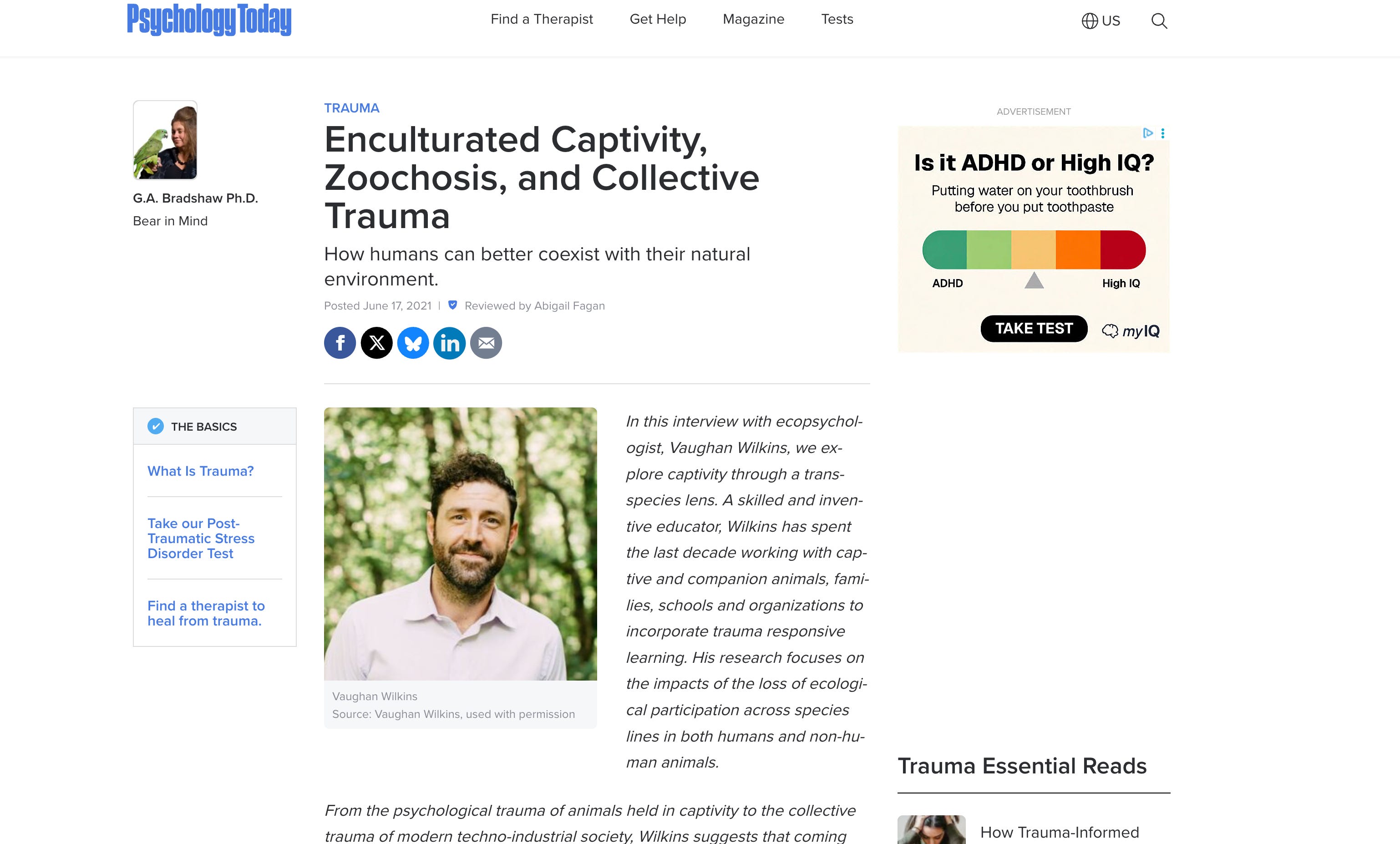
This Article explores how zoochosis functions as a trauma response, and how similar patterns may be showing in humans living under prolonged psychological and cultural confinement.
Modern humans are immersed in a built world that in no way resembles the Pleistocenenic ecology of our species emergence, it appears that we have captivated ourselves. Without being able to participate in our own evolved connections with the natural world we have developed our own abnormal, repetitive, and self-harming behaviors that are leading us towards our own extinction. - Vaughan Wilkins,
If you’ve made it this far, I’m leaving you with this article, above, and this book recommendation below to read on your own time. But congratulations, you read today. Because, as you know, that’s my objective at Push2Read: to get you reading more and exploring outside of the boxed-in algorithms that run social media.
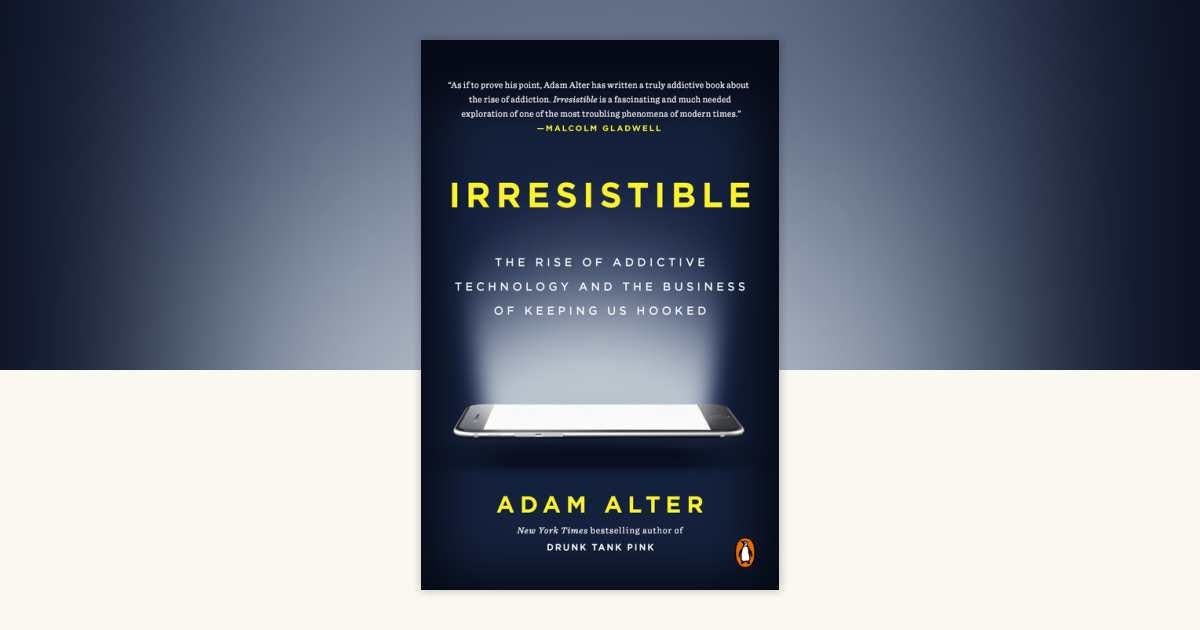
This book explores how modern technology, smartphones, social media, games, and apps, are engineered to trigger behavioural addiction in users, how this addiction mirrors traditional forms of dependency, and what it means for our attention and wellbeing.
I’ll end this long-winded rambling of an article on this note: though our zoo enclosure may never let us be free, we must learn how to cope from within the cage and keep on keeping on. Stay mentally strong, my friend. Keep reading, keep eating healthy, and keep up your optimum health.
No posts
Comments
Nothing yet. Say the first thing.
Sign in to join the conversation.