
Last week, I came across a 2024 study that suggests plastic is more environmentally friendly than alternative materials across a range of applications. That may be true in terms of emissions—shipping heavy, single-use glass bottles filled with soda, for example, generates more pollution than shipping lighter, single-use plastic bottles filled with soda. But I think the study and studies like it ask the wrong question.
“Replacing Plastics with Alternatives Is Worse for Greenhouse Gas Emissions in Most Cases,” appeared in the journal Environmental Science & Technology. It looked at the most common application for plastics, such as packaging, construction, automotive parts, textiles and durable consumer goods and compared the planet-heating greenhouse gas emissions of plastic versus suitable alternatives, such as paper, metal, glass, wood, cotton, wool and so on.
The study found that for 15 of the 16 applications examined, plastic generates fewer emissions than their next-best alternatives, with reductions ranging from 10 to 90 percent. It also found that plastic emits less greenhouse gas during manufacturing than the alternatives do. And it recommended “optimising plastic use, extending product lifetimes, boosting recycling rates, and enhancing waste collection systems as effective strategies for reducing emissions associated with plastic products.”
We’ve tried these.
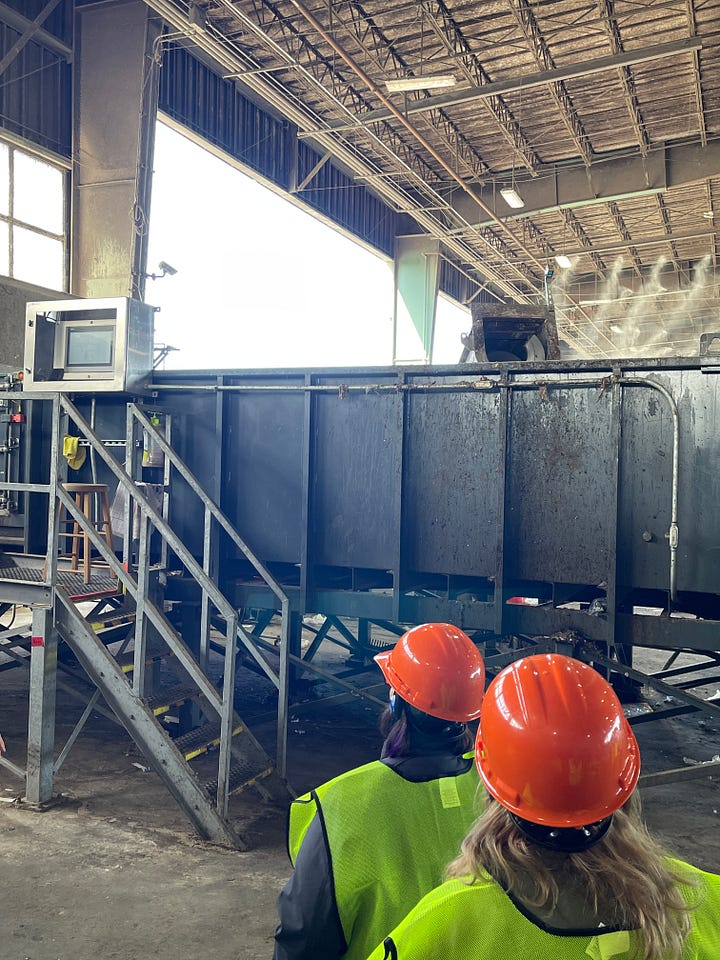
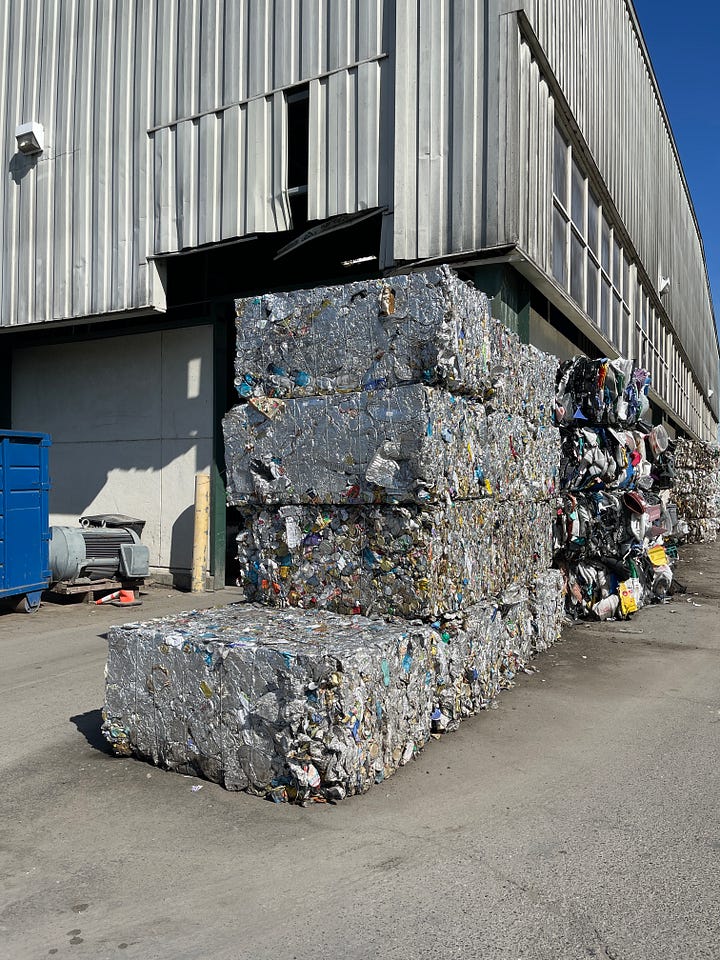
Industry has pushed recycling plastic since the 80s. Yet, the rate of recycling plastic worldwide sits at a stagnant 9 percent. In the US, the rate falls between 5 and 6 percent. With the world poised to double or even triple plastic production by 2060, our overwhelmed waste management systems can’t possibly manage all the plastic trash.
Even if it we could feasibly recycle our way out of this current mess and the looming bigger mess, in most cases, taxpayers and municipalities would pay for these “boosted recycling rates” and “enhanced waste collection systems,” not the producers—at least not yet. In an attempt to make polluters pay, several states have implemented extended producer responsibility (EPR) laws, which put the onus of cleanup where it belongs—on the producers that push plastic onto the world. No big surprise, producers are fighting these laws and trying to weaken them.
But of course, plastic was never designed to be recycled.
The future of plastics is in the trash can. — Lloyd Stouffer, 1956
What did Stouffer mean by that? In his opinion, back in the 1950s,
[I]t was time for the plastics industry to stop thinking about “reuse” packages and concentrate on single use. For the package that is used once and thrown away, like a tin can or a paper carton, represents not a one-shot market for a few thousand units, but an everyday recurring market measured by the billions of units.
If you can sell someone the same product over and over and over, profits will soar to dizzying heights. The business model for the fossil fuels that power our cars and electric grid works the same way: Buy it, destroy it, buy more. (Not so coincidentally, plastic is made from fossil fuels. These insatiably greedy fossil fuel execs know a money-making opportunity when they see it!)


The study didn’t touch on microplastic, the effects of petrochemicals on human and animal health or the effects of plastic pollution on marine ecosystems. We can’t simply overlook those issues and crown plastic as the winner.
Microplastics are in our brains—and kidneys and liver and well, everywhere. Endocrine disrupting chemicals (EDCs) like bisphenols and phthalates, are linked to infertility, diabetes, obesity, certain cancers and more. And you’ve likely heard the oft-repeated finding that, on our current trajectory, the oceans will contain more plastic than fish by weight by 2050. The oceans keep not only those fish alive, but us as well. These are not small problems we can simply overlook.
Of 20 types of foods the study looked at,
plastic packaging is used in more than 90% of products sold in six categories (breakfast cereal, yogurt, cheese, still bottled water, and fresh and frozen meat). In another eight categories (milk, edible oil, chocolate, nut/seed mix, sweet biscuit, packaged bread, juice, and rice), plastics are present in the packaging of more than 50% of products sold.
One of the items listed above has simple fixes to reduce the greenhouse gas emissions of its packaging, no matter the material. How about we forgo the packaging of water altogether? We could instead install water fountains and refill stations all over the place and put bottlers out of business who sell us our water, a shared resource and human right.
So much of the US food supply, like some of the foods listed above, consists of ultra-processed food. Ultra-processed food, almost always packed in plastic, boosts corporate profits—it’s shelf-stable so it doesn’t go to waste like fresh food does, which eats away at profits. It can be shipped long distances, infiltrating new markets. People must have the opportunity to earn enough money to be able to take care of their families, to cook them real food from whole ingredients and to teach their kids how to cook real food. The whole economic system needs to change, a solution goes far beyond the reach of a lifecycle assessment of plastic and its alternatives.
The role of plastic packaging in keeping food from spoiling translates into a significant but often unquantified GHG benefit relative to alternatives.
A better way to prevent food from spoiling: Don’t waste it. Teach people to cook and manage a household, bring back home economics for all kids, not just girls. (In addition to cooking, I learned to sew in home ec and use both skills to this day!)
The study doesn’t look at reuse systems. In Ontario, Canada, for instance, customers buying beer at The Beer Store, pay a deposit for glass bottles. (It was called Brewer’s Retail when I was little but because everyone called it The Beer Store, it officially changed the name.) When customers return the bottles, they receive back their deposit on the bottles. (My family religiously returned the empties. Most people I know would never not return them.) Those bottles are refilled 15 times!
Restaurants that switch from throwaway foodware to reusables can save money—sometimes thousands of dollars a year—and eliminate the “plastic or” question. School cafeterias that opt for reusables also save money while teaching kids that the world is not disposable.
Refill shops and bulk stores are part of the solution. Customers can refill their empty containers with their favorite products, eliminating the plastic packaging.
Instead of asking which material emits more pollution, we could ask “What systems can we put into place that would do the least harm?” A circular economy would become the default, not plastic everything.
A circular economy eliminates waste and pollution. It keeps materials in circulation through reuse, repair and refurbishment. And it regenerates nature rather than relentlessly extracting from it.
In declaring plastic as better for the environment when examined in this one narrow way—by swapping materials but not changing the underlying take-make-waste system in any way whatsoever—it may seem like the study promotes plastic. And maybe it does. But to me, the study proves that the answer to the materials riddle is not to swap apples for oranges but to completely redesign the orchard. Because we simply cannot flood the world with more plastic pollution. That shows a lack of imagination.
No posts
Comments
Nothing yet. Say the first thing.
Sign in to join the conversation.