
I like ice cream that has the ability to melt. But for the majority of media outlets that continue to fail the public by neglecting to connect deadly heatwaves to the climate crisis, unmeltable ice cream can buy photographers time to capture sanitized images of extreme heat: people eating ice cream under a blazing sun on a 40°C day.

So why doesn’t some store-bought ice cream melt? Many brands contain stabilizers that bind ice cream together, making it melt-resistant. These stabilizers may include emulsifiers such as monoglycerides and diglycerides and thickeners such as cellulose gum and guar gum. Emulsifiers can mess up our gut health. The thickener guar gum can cause gas and bloating in large amounts. And of course, almost all ice cream is packaged in plastic tubs or paper cartons lined with plastic, both of which shed microplastics into the food.
I don’t think we should worry about every little thing—especially with so many big things to worry about, like the climate crisis, worsening income inequality and a war of choice we’ve either won or have almost won 32 times so far. But if I have my choice of ice cream, I’d choose homemade. As with most other homemade foods, the taste is hard to top—unless we’re talking chocolate syrup.
Unlike other homemade staples (ice cream is a staple, right?) this one won’t save much money because high quality ingredients cost much more. Edy’s/Dreyer’s vanilla ice cream contains: skim milk, corn syrup, sugar, whey, coconut oil, cream, guar gum, monoglycerides, natural flavor, carob bean gum, annatto color. This homemade vanilla ice cream contains only cream, milk, sugar and vanilla extract, all quite pricey but I do save a bundle by making my own vanilla extract.
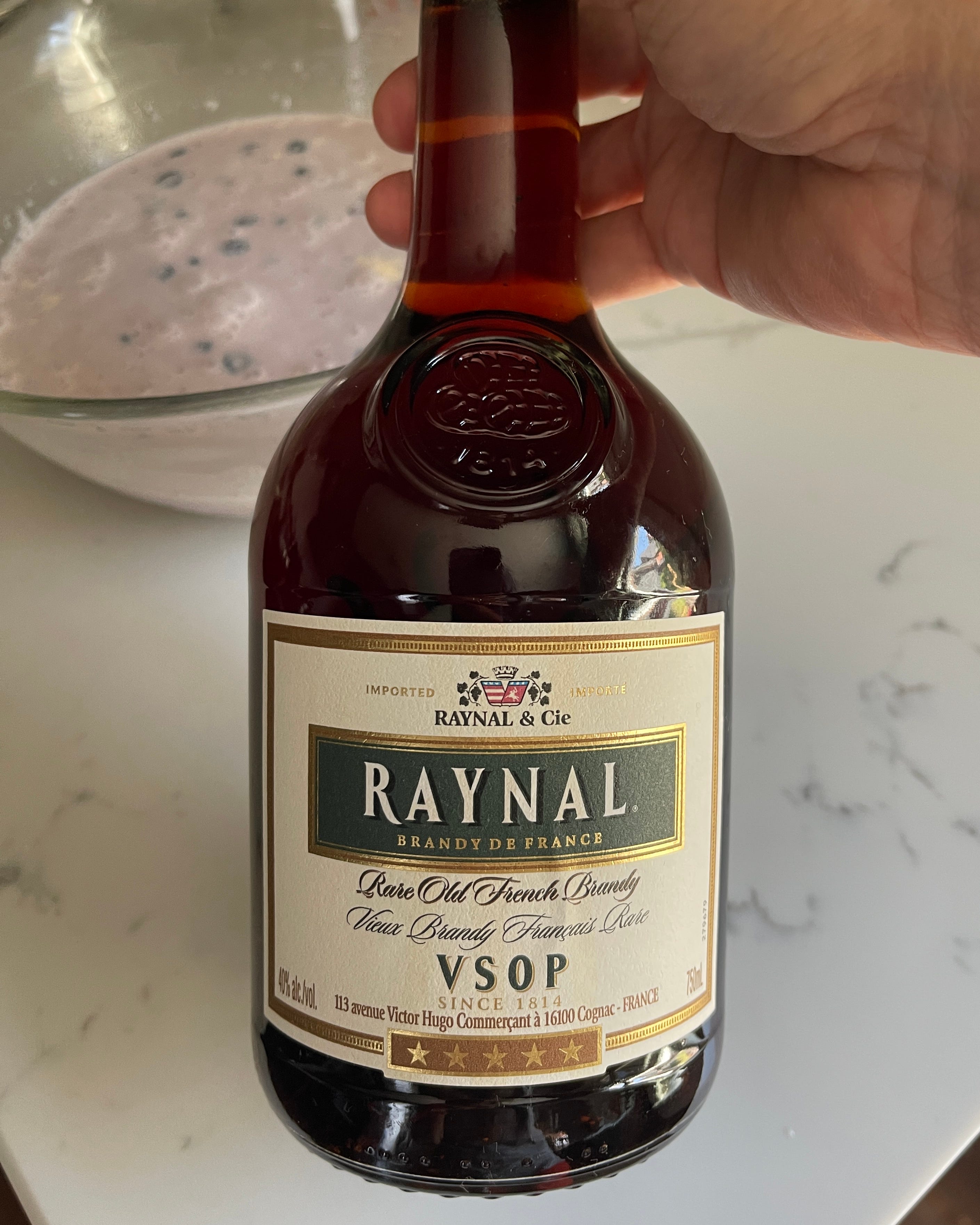
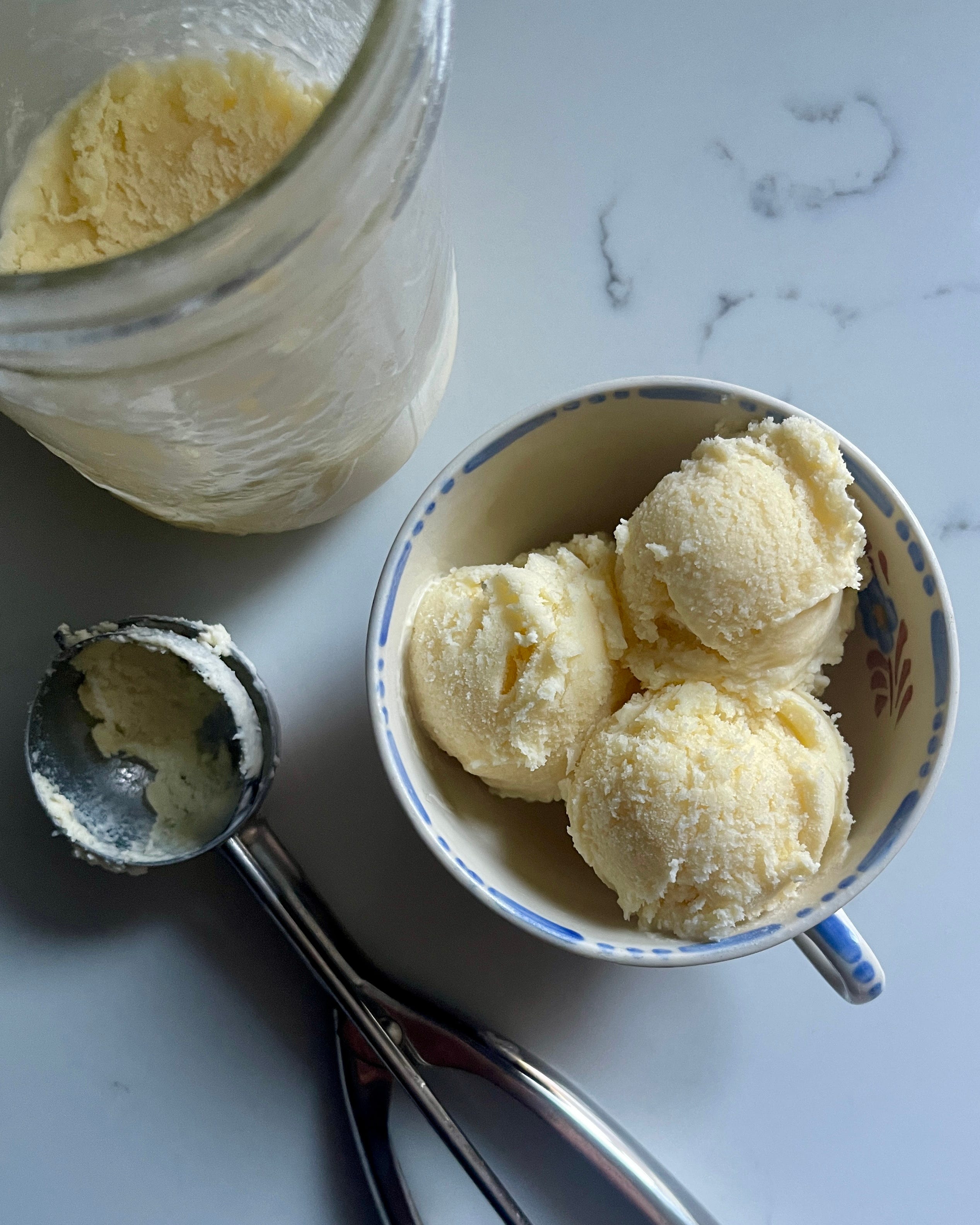
This simple recipe doesn’t require an ice cream maker to make it. Instead, you’ll freeze your ice cream in wide-mouth mason jars. (I freeze all kinds of food in wide-mouth glass jars. Go here for more details.)
Comments
Nothing yet. Say the first thing.
Sign in to join the conversation.