4 in 10 Cancers Are Preventable: Here Is How
A new global analysis just measured exactly how much each modifiable risk factor contributes to cancer, ranked from biggest to smallest, with the specific action for each one.

Holistic, practical, science-backed health strategies to live better (translated to human language). Printable tools included to help you apply them. Everything your doctor wanted to tell you but had ten minutes and a full waiting room.
Live Last read · last published · next check
A new global analysis just measured exactly how much each modifiable risk factor contributes to cancer, ranked from biggest to smallest, with the specific action for each one.
Learn what actually causes daily tightness, stop wasting your effort on unproven stretches, and follow an honest, evidence-based movement routine to build a flexible, pain-free body.
For decades, Alzheimer’s was diagnosed only after severe memory loss. New p-tau217 blood test data reveals pathology years earlier. Here is the accuracy and limitations.
Ramping up fiber too fast causes bloating and gas because your microbiome needs weeks to adapt. Discover the trial data on 30 plants a week and gut adaptation.
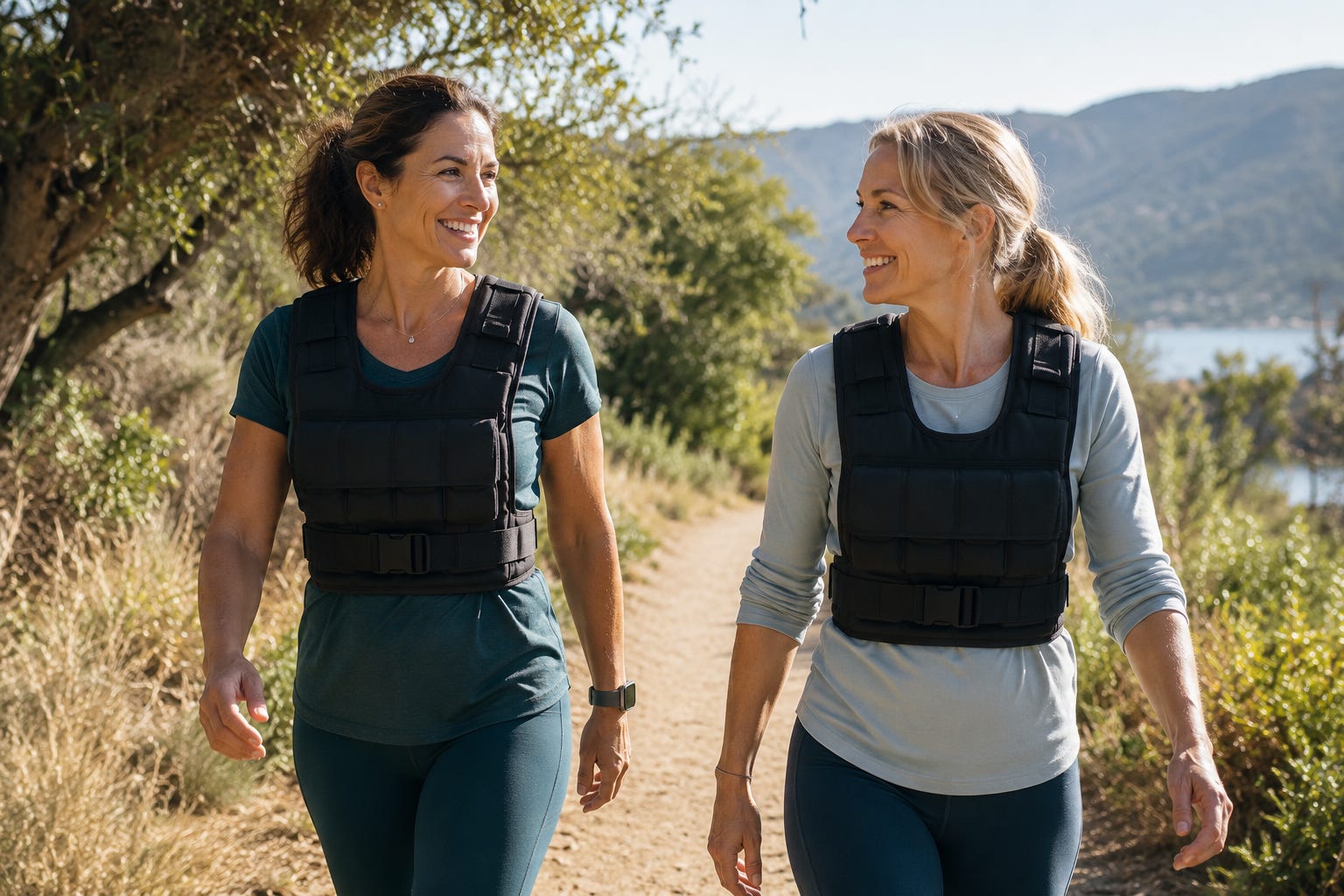
Your bones may actively measure total body load and signal your body to shed fat. Discover the new clinical trials on weighted vests, soleus push-ups, and passive burning.
A 2005 commencement speech about dots, loss, and death turns out to be one of the most accurate descriptions of preventive medicine ever given by a non-doctor.
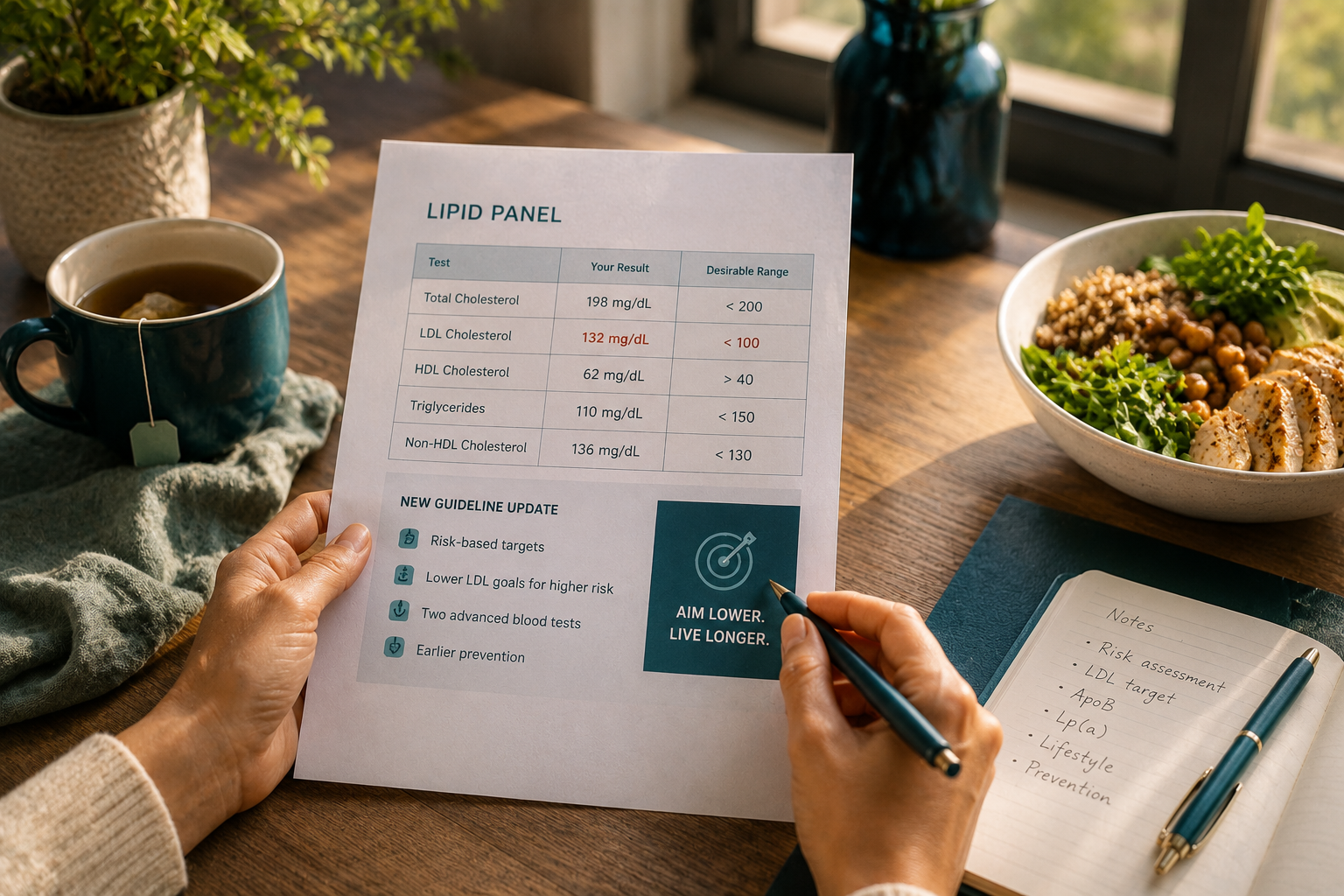
The updated guidelines replaced old cholesterol rules, brought back strict LDL targets, and added 2 critical blood tests: Lp(a) and ApoB. Discover your new risk score and complete step-by-step plan.
Discover why a simple at-home test predicts healthy aging and how to improve the four physical abilities that matter most for longevity.
A practical roadmap to recognizing early hearing loss, protecting your brain, and reducing one of the biggest modifiable risks for dementia.
Grip strength predicted mortality better than blood pressure in a study of 139,000 adults across 17 countries. Here is how to measure yours, where your number falls, and what to do about it.