
At Zenda, we support entrepreneurs who are creating essential software that revolutionizes the movement of money, goods and information across the Americas.
🤝 Have you seen or spoken with any interesting entrepreneurs? If so, please email us at team@zenda.vc.
📨 Make sure to forward this issue to anyone looking to stay in the flow on all things related to B2B fintech, supply chain & logistics and beyond!
👋 Hi founders, investors, and operators!
So far, February has been a month filled with travel and networking! Last week, we attended the Manifest event in Las Vegas, where we engaged with forward-thinking leaders and innovators dedicated to revolutionizing supply chain technology. The experience was profoundly inspiring and only showcased this unified drive towards technological advancement within the industry.
We also found ourselves in Cartagena for the FreightWaves Nearshoring event, with plans to visit Monterrey next week. We are keen to connect with professionals who are pioneering in fintech, supply chain & logistics, and vertical software. If you’re in the area and are involved in these sectors, we’d love to chat!
Onwards,
Esteban and Jeff
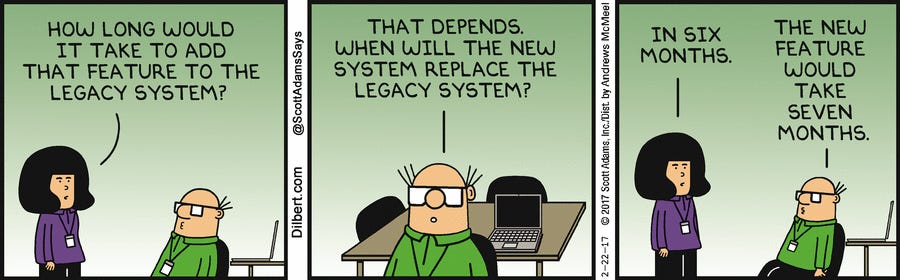
In an era where AI is redefining the way we work, the freight industry finds itself at a crossroad. While tech giants and startups alike race to harness AI for everything from personalized shopping experiences to autonomous vehicles, many in freight still grapple with the basics of digital tracking and automation.
We're aware of the hurdles that have previously hindered adoption of cutting-edge tech within the industry. These challenges range from entrenched legacy systems, where there's little motivation to rip or replace, to the complexity introduced by regulations, diverse modes of transport, and international borders. High costs associated with deploying new technologies adds another layer of resistance. To top it off, you have cultural barriers - e.g. a workforce averse to change.
It’s easy to deduce that innovations in AI are offering new, cost-effective ways to tackle old problems. But what’s driving (urgency for) change will come from market pressure. From tech-first newcomers to better allocation of human resources to rising customer demand for transparency and efficiency are all pushing freight players to reconsider their relationship with tech. As a result, we believe that in some market segments, it's better to build tech-first businesses that can outperform incumbents significantly vs. selling technology to those incumbents.
As we start to see early signs of recovery in the freight market, we’ll be closely listening in to conversations between operators. It’s no longer solely about adopting tech to catch up; it's about surviving in an evolving digital environment, set against the backdrop of an industry that’s subjected to cyclical and macroeconomic risks.
Put simply, the industry's transformation is no longer a matter of if but when.
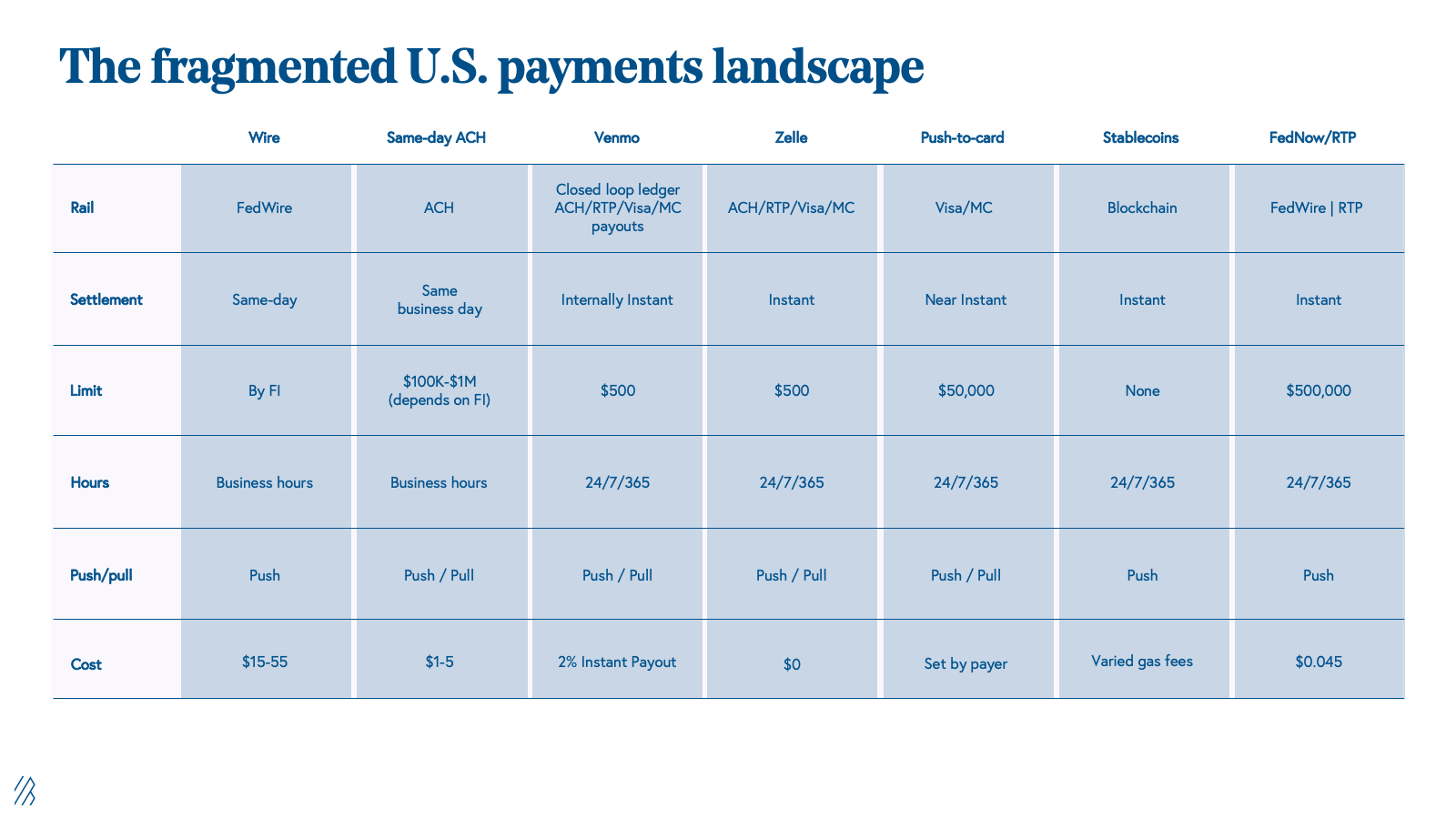
Our take is that in the midst of technological progress, regulatory support for open banking and the synergies generated from fintechs-banking partnerships, Pay By Bank (PBB) emerges as a potential driving force in the modernization of our payments system. It capitalizes on the real-time payments (RTP) and open banking technology, enabling consumers to directly connect their bank accounts for payment at checkouts.
While traditional payment methods like credit cards tend to be costly for merchants, PBB challenges the economics of these payment networks while enhancing merchant operations. Beyond lower transaction fees, instant access to funds facilitates improved liquidity, allowing merchants to take advantage of adjacent opportunities faster - e.g. expanding inventory, hiring staff, or investing in marketing.
There are applications merchants can also leverage with the data made available with these transactions. For example, by analyzing basket composition and purchase frequency, merchants can craft personalized promotions and rewards, creating an incentive for end consumers to choose PBB over card. Customer insights can help drive retention.
While we’re starting to see more headlines on how PBB can be a strong contender to traditional payment methods, the path to widespread adoption is still non-obvious. How can we overcome the inertia of established payment habits and motivate consumers to adopt a new payment behavior? How strong are the trade-offs between card and PBB from the POV of merchants and consumers? What levers do we need to pull to achieve efficient scale, and what do those economics look like? Overcoming these hurdles requires concerted efforts across the ecosystem—
Merchants need to integrate this method into their payment processes and realize its benefits to justify convincing consumers to leverage PBB vs. credit/debit cards
Consumers must recognize these advantages and have strong urgency to shift their payment practices
Banks and payment providers must ensure the system's ease of use and reliability to mitigate fraud risks
There’s a wide range of players who are well suited to (or have already) made an entrance into PBB, from upstarts to major banks. Cracking the code on go-to-market and customer adoption has remained top of mind for us as we see opportunities in this space.
Beyond PBB, we’re keen to connect with builders capitalizing on the regulatory tailwinds like open banking to pioneer the future of payment solutions. If you're at the forefront of crafting these next-generation payment systems, or know of someone who is, please don’t hesitate to get in touch!
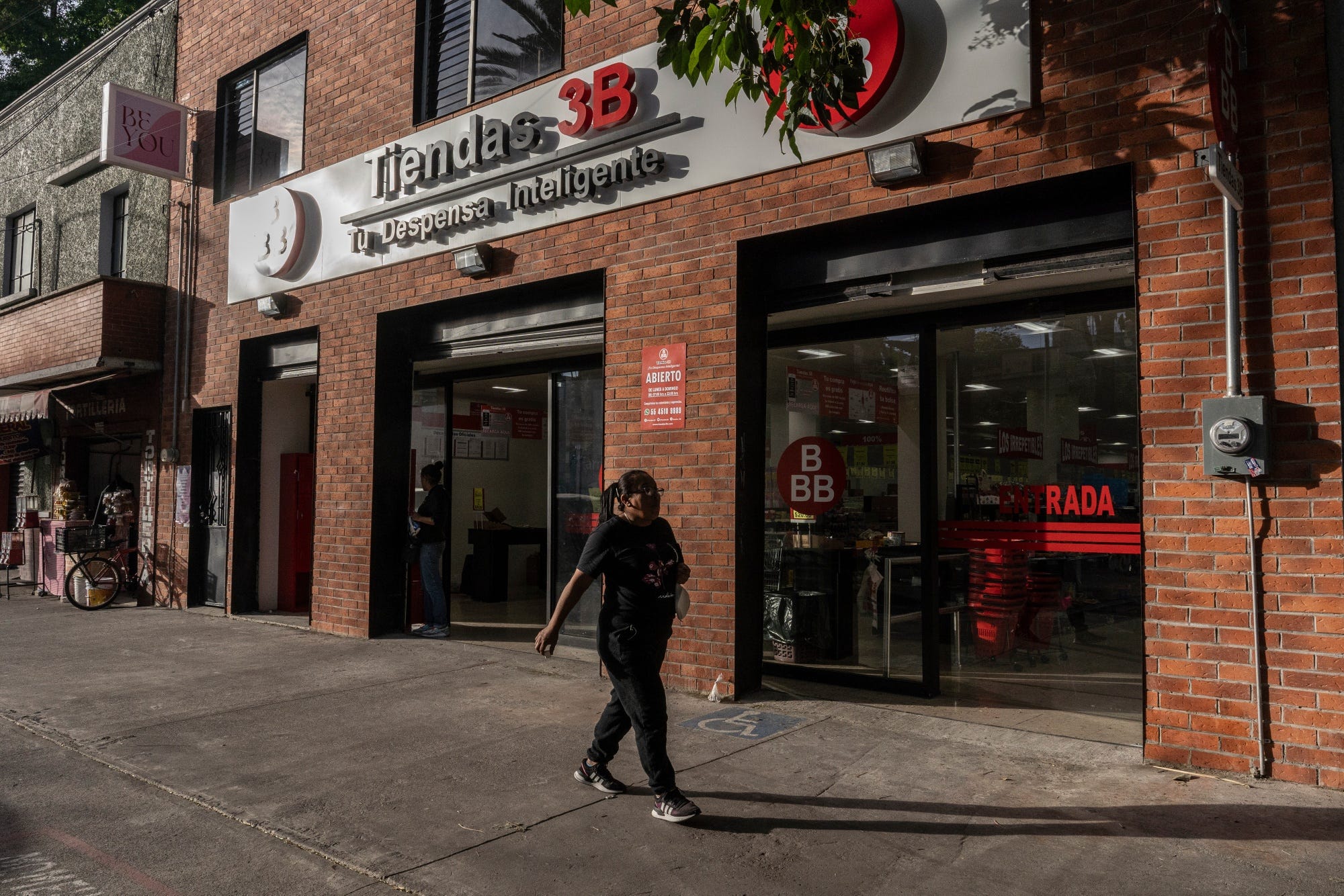
BBB Food's IPO, the largest by a Mexico-based firm in the US in over a decade, is a milestone for LATAM companies looking to tap into the global markets.
While previous LATAM IPOs focused more on infrastructure and industrial companies, BBB Foods represents one of the first major consumer-facing brands from Mexico to list in the US. Its early performance points to pent-up demand among US investors for exposure to LATAM’s rapidly expanding consumer class. Retail, e-commerce, and consumer product companies with ambitious growth plans may find increased investor interest in the months ahead.
This is a testament and validation to hypotheses we believe in at Zenda:
The burgeoning ecosystem of startups and scale-ups in markets like Mexico, Colombia, and Brazil will continue to see US public markets as an attractive source of capital and liquidity. This movement is not just about BBB Foods but heralds a new era for LATAM's tech companies, indicating a ripe environment for those eyeing US IPOs.
Conversely speaking, this narrative validates the depth of investor interest in LATAM's growth narratives. For tech companies in the region, this could mean broader horizons and substantial support for scaling and expanding their TAM across the region.
In the midst of uncertainty in the public markets, investors speculate that this year could mark a significant moment for IPOs, especially within fintech where giants like Stripe, Plaid, Klarna, Chime and several others may lead the charge. We're excited by the prospect of increased liquidity events and are especially eager to observe how major tech players in Mexico and Brazil will adapt and position themselves in this environment.
No posts
Comments
Nothing yet. Say the first thing.
Sign in to join the conversation.