
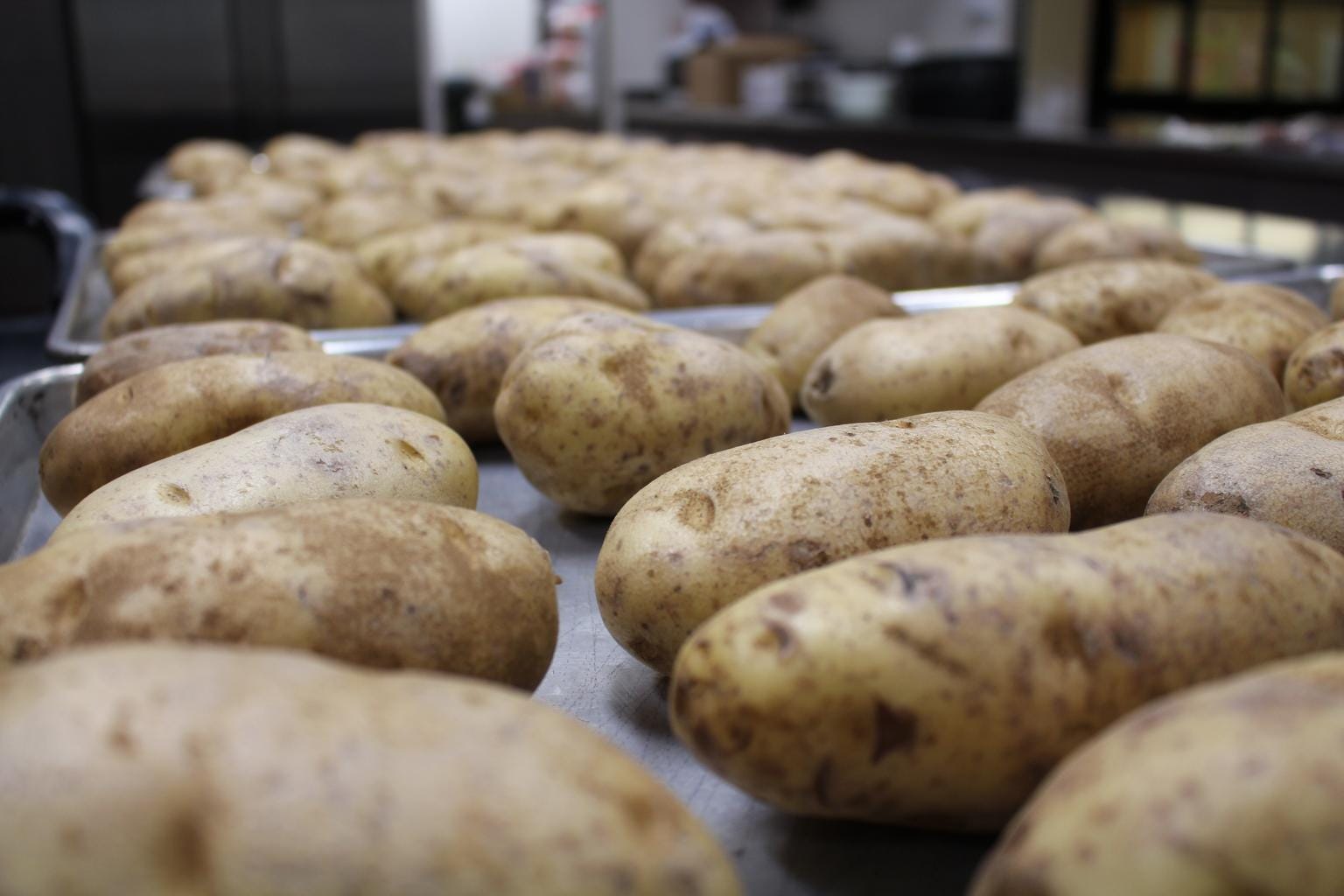
I consider potatoes to be one of the most impressive foods out there. You can fry them and serve them with a burger, you can boil them, mash them, or stick them in a stew (Lord of the Rings quote, anyone?). They can be served at breakfast, lunch, or dinner. Top them with cheese, sour cream, ketchup, butter…the possibilities are endless! I think we should start saying the “The world is your potato” instead of “The world is your oyster”. What makes spuds even more amazing is that they contain lots of nutrients that our bodies need to function properly. But would they be enough to survive on all by themselves? Or did Matt Damon lie to us in The Martian. Today, we will find out!
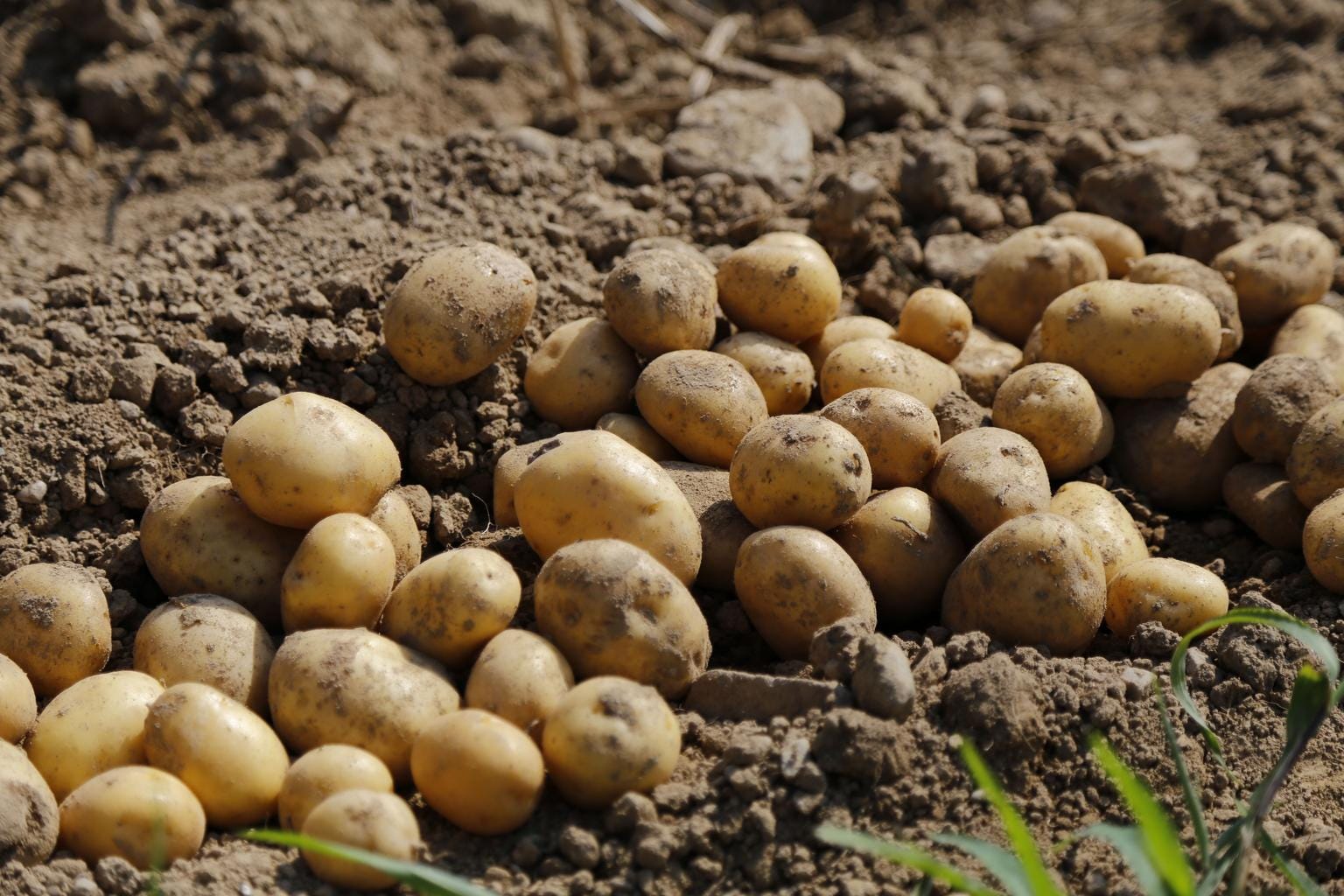
Potatoes are known as tubers, which essentially means that they are part of the stem of certain types of plants. The U.S. Dept. of Agriculture classifies potatoes as vegetables, so from now on, I shall consider the fries I get with my burger to be a side salad. They were first domesticated by the peoples of South America and later introduced to Europeans in the 16th century.
Today, the potato can be found in cuisines in nearly every corner of the world. The people of Eastern Europe lead the way in potato consumption, with Belarusians at the top of the potatodium (potato + podium). They consume nearly 375 pounds of potatoes per person per year! People in Western Europe, North America, and South America are also big potato fans. Spuds are not as popular in many African and Asian cuisines.
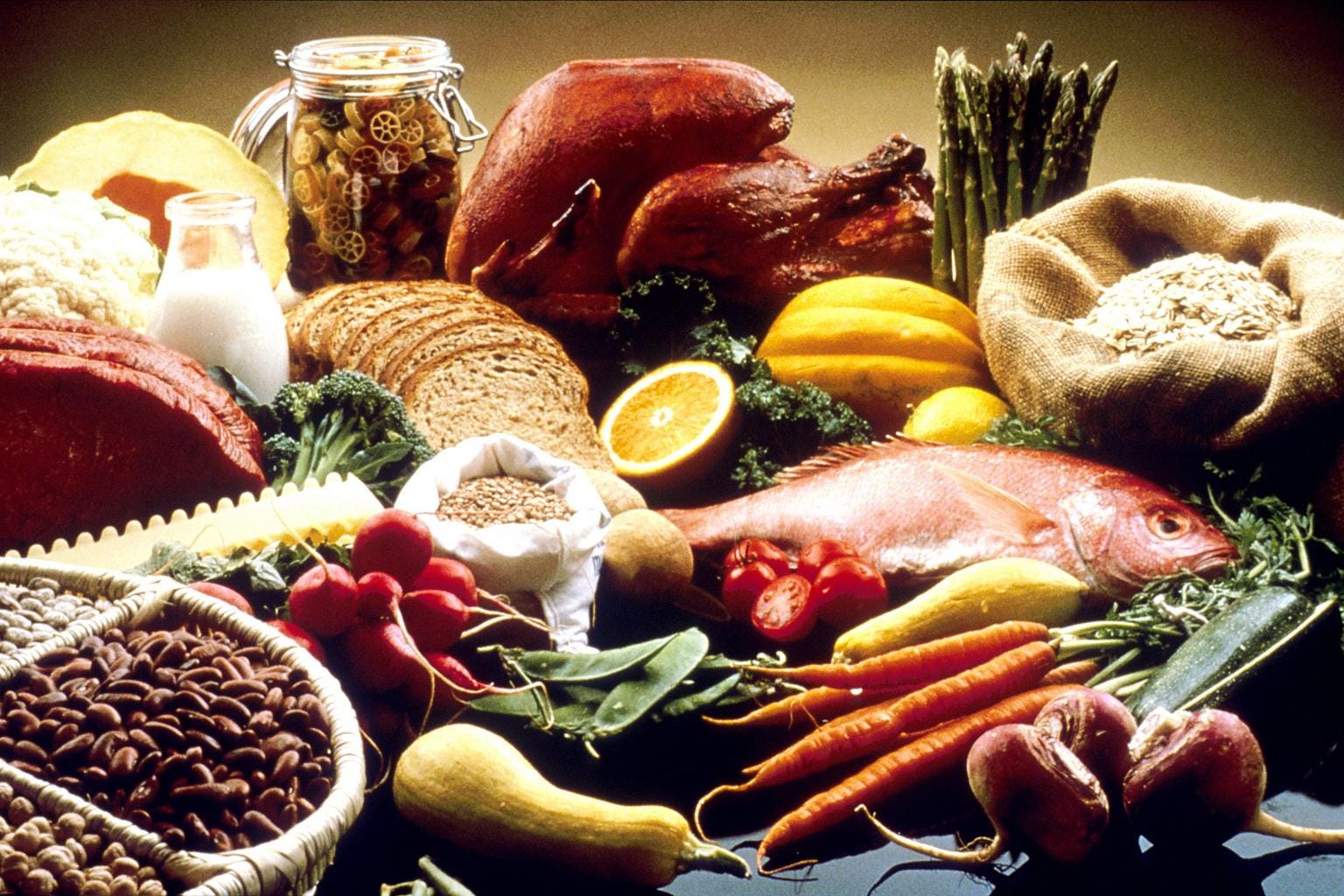
Back to the question at hand: can we live off of just potatoes? To answer this question, we need to examine what the human body needs to ingest in order to continue functioning properly. Unfortunately, our bodies are quite particular, and we can’t just put anything in our mouths and expect to maintain full functionality. Here are the major nutrient groups that we need to consume for proper health:
Carbohydrates
Proteins
Fats
Vitamins
Minerals
Fiber
Water
Within these groups are specific types of nutrients that fuel us and help our bodies perform the basic processes that keep us alive. For example: carbohydrates provide our primary energy source, proteins help create and fix tissues, and vitamins and minerals support a plethora of functions including metabolic and immune systems.
When we don’t get enough of any of these groups, our bodies start to have issues. The severity of these issues can vary greatly, from tiredness to bad skin or even to death! One notable example of nutrient deficiency is the occurrence of scurvy from a lack of vitamin C. For centuries, sailors and travelers who subsisted on diets of mostly bread and dried meat, would suddenly fall ill and die. This anomalous issue was finally resolved when people discovered that certain foods, mainly fruits and vegetables, cured those who had fallen ill. It just so happens that the secret healing ingredient was vitamin C!
Typically, we eat a variety of foods to obtain these precious nutrients and avoid deficiency consequences (as is recommended by health experts). However, some foods are simply more nutrient dense than others. For example, your body will obtain far more benefits from an avocado than it will from a handful of Cheetos. As one of those nutrient dense foods, potatoes can provide our bodies with all sorts of energy and vitamins. But are they enough on their own?
There have been a few societies throughout history that have relied quite heavily on potatoes for nourishment, especially in western Europe (18th and 19th century Ireland is a good example). They were able to do this because of the rich combination of nutrients found in potatoes. For a Russet potato, these include:
Carbohydrates
Protein (including most of the essential amino acids)
Vitamins: C and B6
Minerals: Potassium, Iron, Manganese, Calcium
Fiber
While this list is very impressive for a single food, you’ll notice that it’s missing some critical components, one of the major ones being fats. Healthy fats help our bodies store energy, build cells, and absorb vitamins and minerals, among other things. Your average Russet potato has almost no fat in it. Crucially, your body will also be short on vitamins A and E as well as the mineral molybdenum if you subsist on a diet of only Russet potatoes. Without these vitamins and minerals, you would experience symptoms like dry skin, vision problems, headaches, weakness, muscle atrophy, and more.
Furthermore, even though potatoes contain things like protein and calcium, the amounts are quite small. This means that you would have to eat a lot, and I mean a lot, of potatoes to get your recommended amount of these nutrients. I am talking dozens of pounds of potatoes per day.
With all that said, can you survive on potatoes alone? Due to their rich combination of nutrients (especially their essential amino acid content), the answer is technically yes, for a while. However, because they lack certain nutrients and have a low concentration of others, you will eventually run into health problems that increase in severity over time. But, if you added just a couple key ingredients to your diet, such as whole milk, eggs, and oats, you’d pretty much be set!
So, as any nutrition expert will tell you, it’s much better to have a varied diet than to only eat one thing. However, if you absolutely had to pick one food to live on, for instance, if you’re stranded on Mars and need to survive until you can be rescued, potatoes are probably your best bet.

A majority of you thought that Finland had the shortest standard work week (I would have guessed that too), but the correct answer is France, with a standard work week of 35 hours/week. Australia has a 38-hour work week, Japan and Finland have a 40-hour work week, and Chile has a 45-hour work week (yikes!).
No posts
Comments
Nothing yet. Say the first thing.
Sign in to join the conversation.