
I expect that my life is about to get a whole lot more relaxed—for I have hired a bookkeeper.
“Bookkeeper” is one of those words that we, as users of a language, have applied to the wrong definition. A beekeeper is a keeper of bees, many thousands in a single hive—tending to them, observing them, telling them about deaths in the family (this is true). A goalkeeper keeps the goal: defends it, leaves it only for short stints and good reasons. I cannot vouch that goalkeepers do not tell their goals about deaths in the family, so let’s presume they do. Let’s presume that goalkeepers share all their personal fears and heartbreaks with their goals, when all the action is on the far side of the playing surface and no one else is paying them any attention.
It’s such a beautiful word, bookkeeper. Yet we goofed and let the fiscally-minded lot name themselves. They should be ledgerkeepers, or moneyminders, or pennytenders. All fine words. But no.
I’d be less concerned if I and people like me could call ourselves “bookies,” but we lost that one too. We got stuck, somehow, with “bookworm.” We would have something to say about that, probably, if we were willing to put down our books and go talk to someone about it. But we aren’t.
So anyway. I finally hired a bookkeeper to tend to the only books of mine I want nothing to do with.
They aren’t even technically books anymore. She is more like my Quickbooks Self-Employed Trial Version keeper. But I will call her any title she wants me to. After all, she promises to take a great deal of stress and work off my plate, just as soon as I finish pulling reports for her and organizing my invoices and uploading monthly bank statements from now to eternity and generally untangling my entire professional financial history for her.
I’ve not been negligent or flippant about my un-fun books, exactly—my need for a keeper just sort of … happened to me.
I started my business six years ago. Right from really very near the beginning, I took a common-sense approach to taxes. As anyone who has ever interacted with the real world outside of a book knows, this is not the approach to take to taxes, ever, under any circumstances.
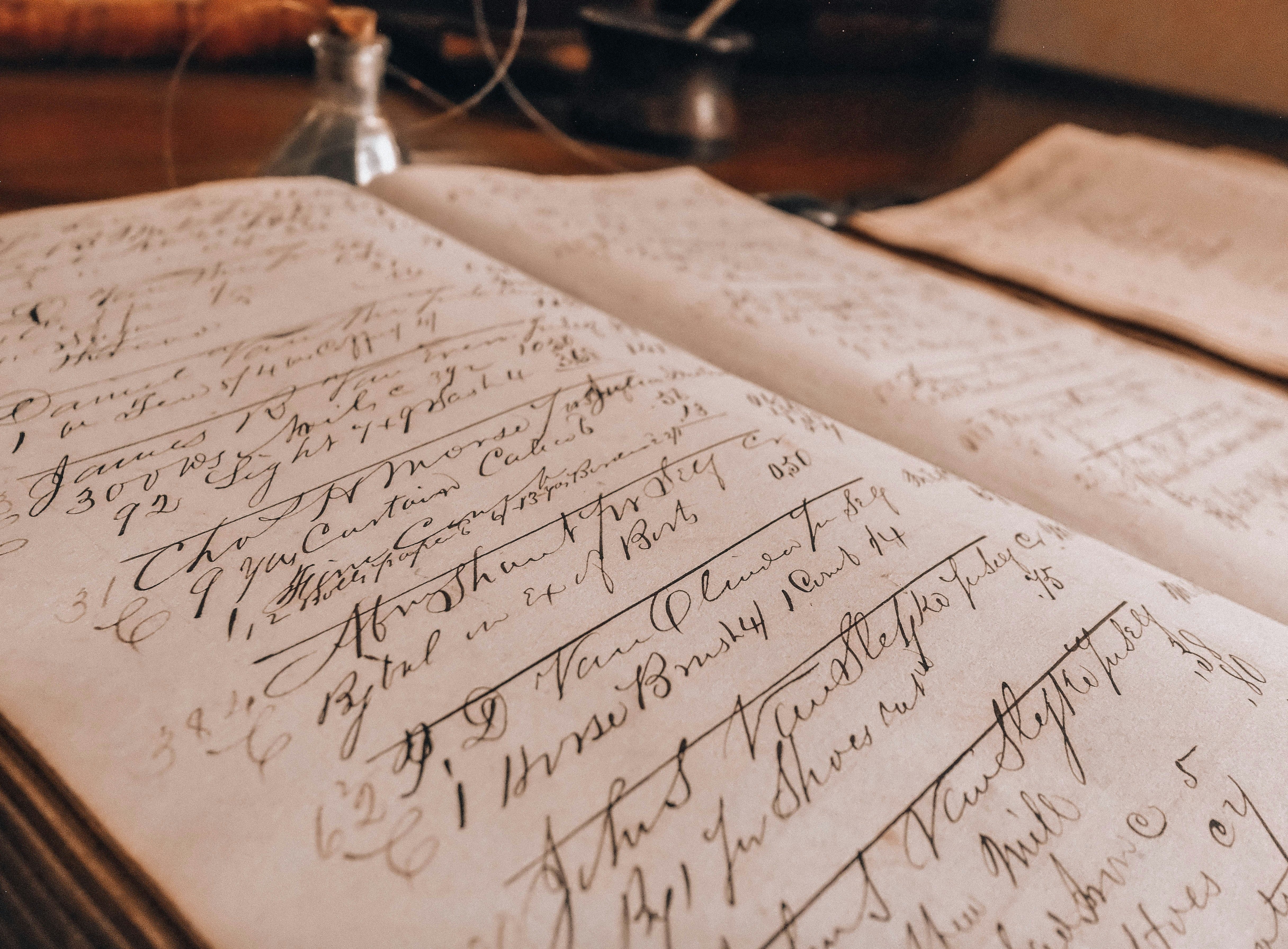
The joke was on me—I was audited by the state—ha, ha! The state jovially informed me last year that I owed more in unpaid sales taxes than I had ever sold. I undertook an appeals process with the state’s helpful and humorful Interactive Voice Response system. After months of me being on hold, we got it sorted out: I had indeed calculated (and remembered to pay!) sales taxes more accurately than anyone should expect from a humanities major, but I had not filed nearly enough extraneous paperwork to accompany it. I paid the much smaller remaining balance, just to get off the call with the Interactive Voice Response system. And in exchange, the state promised me that it could still audit me again someday.
Not bad, really—considering that I am not (despite the word) a professional bookkeeper and that the tax system web interface was designed and implemented with the approximate collective intelligence of the Chuck E. Cheese animatronic band.
I caved: I couldn’t handle state sales taxes on my own anymore.
So I didn’t. For longer than I should admit in writing. And then I hired my bookkeeper on the high praise of both a colleague and a friend, neither of whom have any idea the trouble I might be in.
Or that I would be in, without a trained professional keeping me in line. Now she gets to worry about my really pretty accurate but under-paperworked calculations—and I get to kick back with one of the many, many books I’ve kept. You know, as business expenses.
Subscribe now if you haven’t already. (Or, up your subscription and give my new bookkeeper something to do.)
My thanks to you for reading along. It’s incredible how each email open, post like, share, and comment helps more of you find my work every week. You all keep me going, even when the state’s after me.
Comments
Nothing yet. Say the first thing.
Sign in to join the conversation.