
Somehow it is already August 1st—does the passage of time ever cease to shock?—and for what feels like the first time this summer it is incredibly hot in Edmonton. We have largely been spared the heatwave that many other parts of the world have been enduring and instead have had a summer that even now feels as if it is just beginning, even though it is more than half over.
I don’t know about you but for me this summer has felt busy—overwhelmingly so. I can’t wait for life to slow down a little and yield a little more space for reading, writing, thinking, looking at photographs, and making some.
Earlier this year I read a Substack post about art (I thought I saved it but when I go back to my saved files it doesn’t seem to be there) in which the author suggested that art (as an industry, I believe) needed to reckon with the fact that a lot of art these days is exhibited in spaces where it is meant, at least in part, as decoration—homes, restaurants, lobbies. Since I read it, I have been thinking about the distinction between art and ornament—a line that I think gets blurry as art increasingly becomes commodified. One of the byproducts of art as ornament—a classification I am still trying to firmly qualify—is the production of art that is not meant to offend, provoke or stimulate. Art that looks like “art” but that is meant to blend into a room and perhaps even placate a viewer. It’s art as aesthetic, art as a kind of furniture.
I’ve been thinking about this distinction not so that I can elevate one version of art above the other, but because I think the classification is useful when looking at any work and thinking about what it is doing—and why it was made. It’s something I hope to return to once the dog days of summer have passed.
I’m very excited for Thomas Prior’s new book, Slip Me the Master Key, forthcoming from Loose Joints. I’ve long admired Prior’s work, which feels vibrant, kinetic, and incredibly contemporary. That last point is of particular interest to me because so much work these days seems to be actively avoiding the present. It’s something I started thinking about while spending an evening with Jack Davison’s work—which I am a fan of. Davison’s work—its existence and its popularity—is interesting to me because it embodies two overlapping trends that seem to be prominent in some corners of the photography world. The first is surrealism, a movement that was the product of a series of conditions that arose in the early twentieth century. The second is anemoia: feelings of nostalgia for a time you've never known. Davison’s work seems to ground itself aesthetically, longingly, in the early- and mid-twentieth century. He’s not alone in his pursuit of these two aesthetics but he does seem to be one of the most prominent examples of it. I bring it up not to critique his work—as I said, I am a fan of it—but to consider why many contemporary photographers, and photography viewers, seem to be avoiding the present. The obvious answer is—well, look around. But I wonder if it’s really that simple.
All that is a long way to say that Prior is a photographer who feels like he is actively engaging with the present in a way that I find continually captivating, and I am excited for his book to arrive.
The last book I purchased was Mack’s publication of Corrine Day’s photographs from the set of The Virgin Suicides. I loved Eugenides’ book when it came out and quite like the Sofia Coppola movie, as well. I think what is so interesting to me about the difference between the novel and the film is that they are gendered in opposite and interesting ways. Though Eugenides’ novel is seemingly about girls—the five Lisbon sisters, specifically—it’s actually about the adolescent boys who narrate the book. In Coppola’s film, the boys don’t play the same narrative role. The movie, as a result, is much more explicitly about adolescent girls. Day’s book of photographs emphasizes this distinction, and is a great companion to the two works.
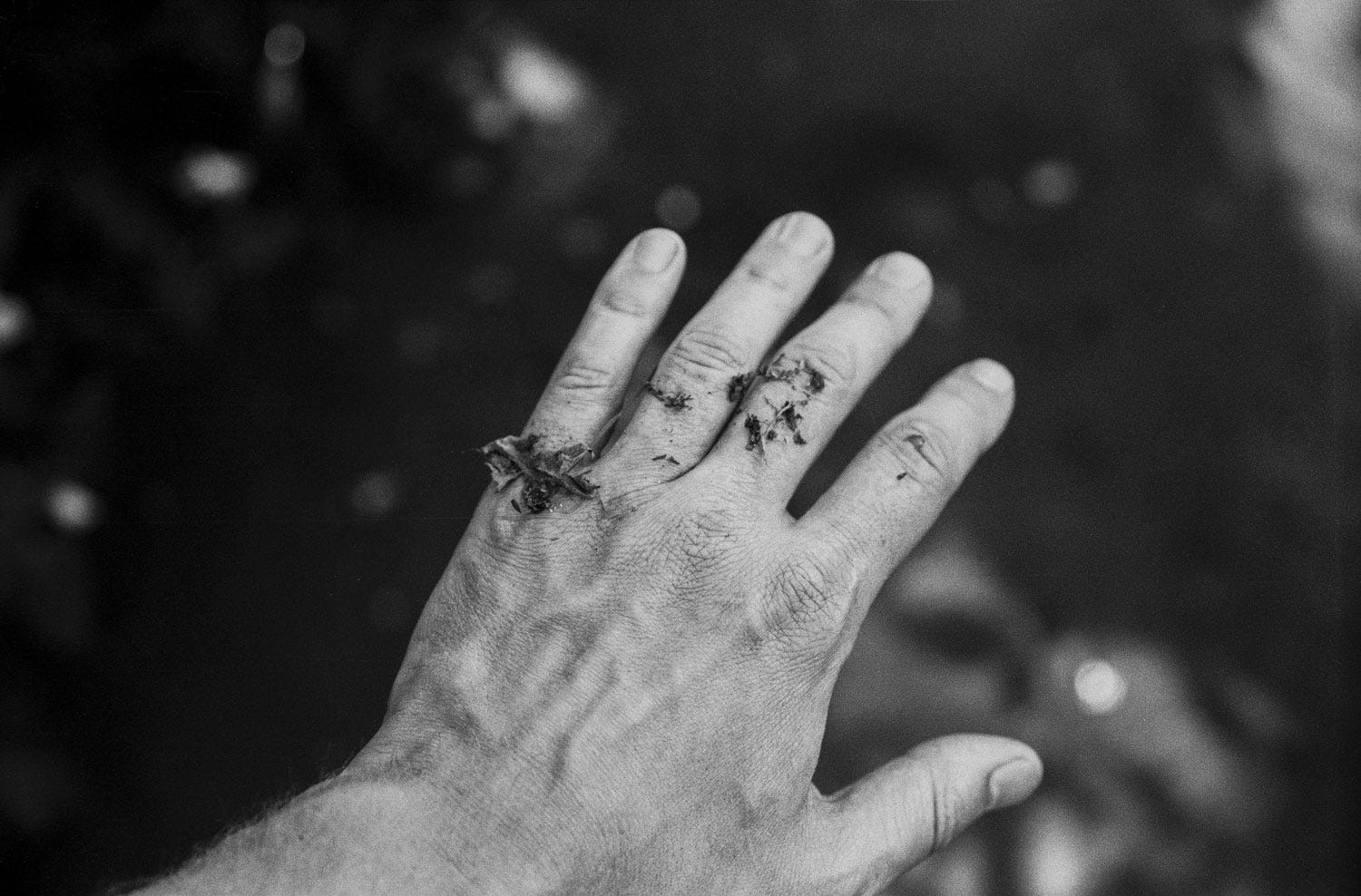
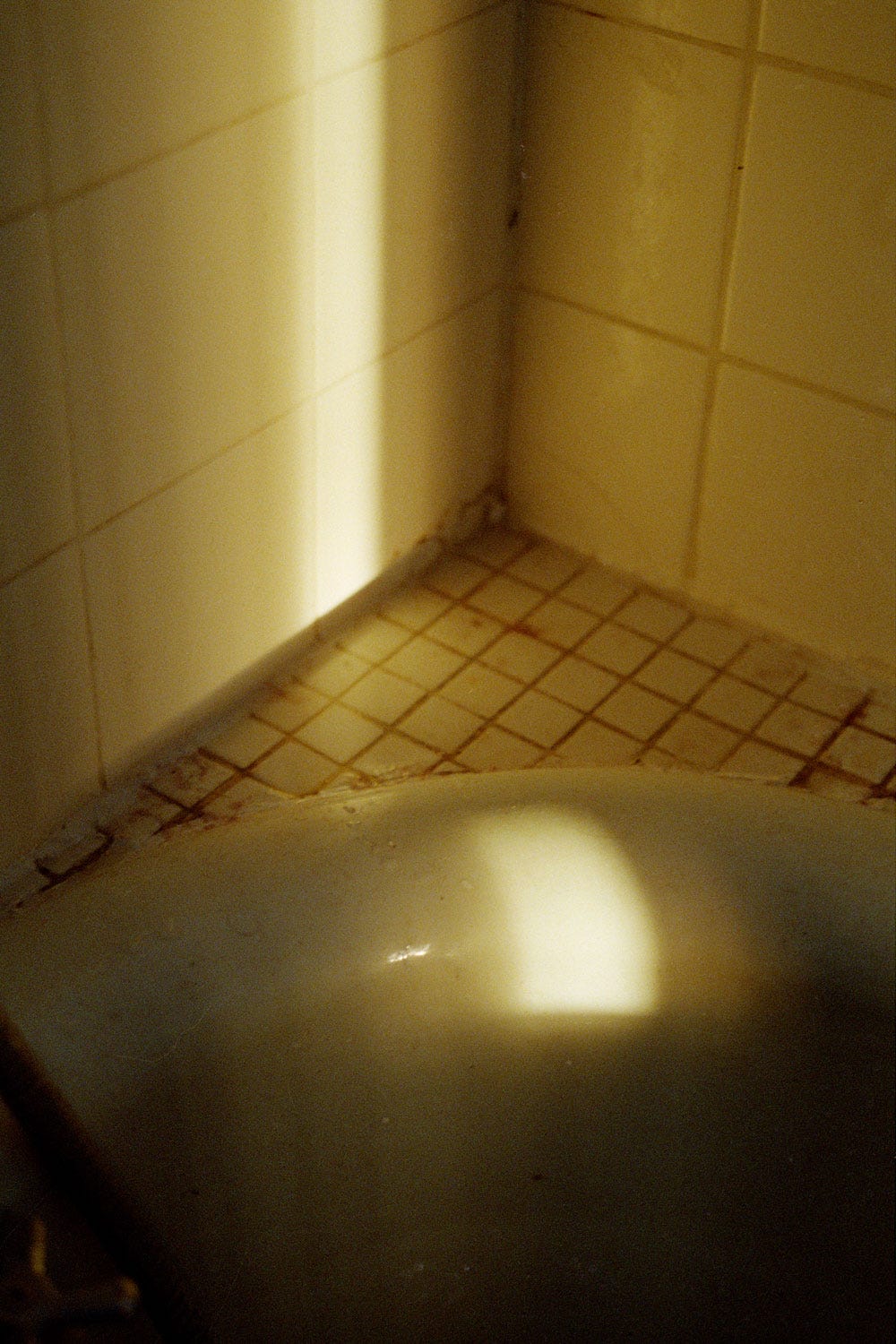
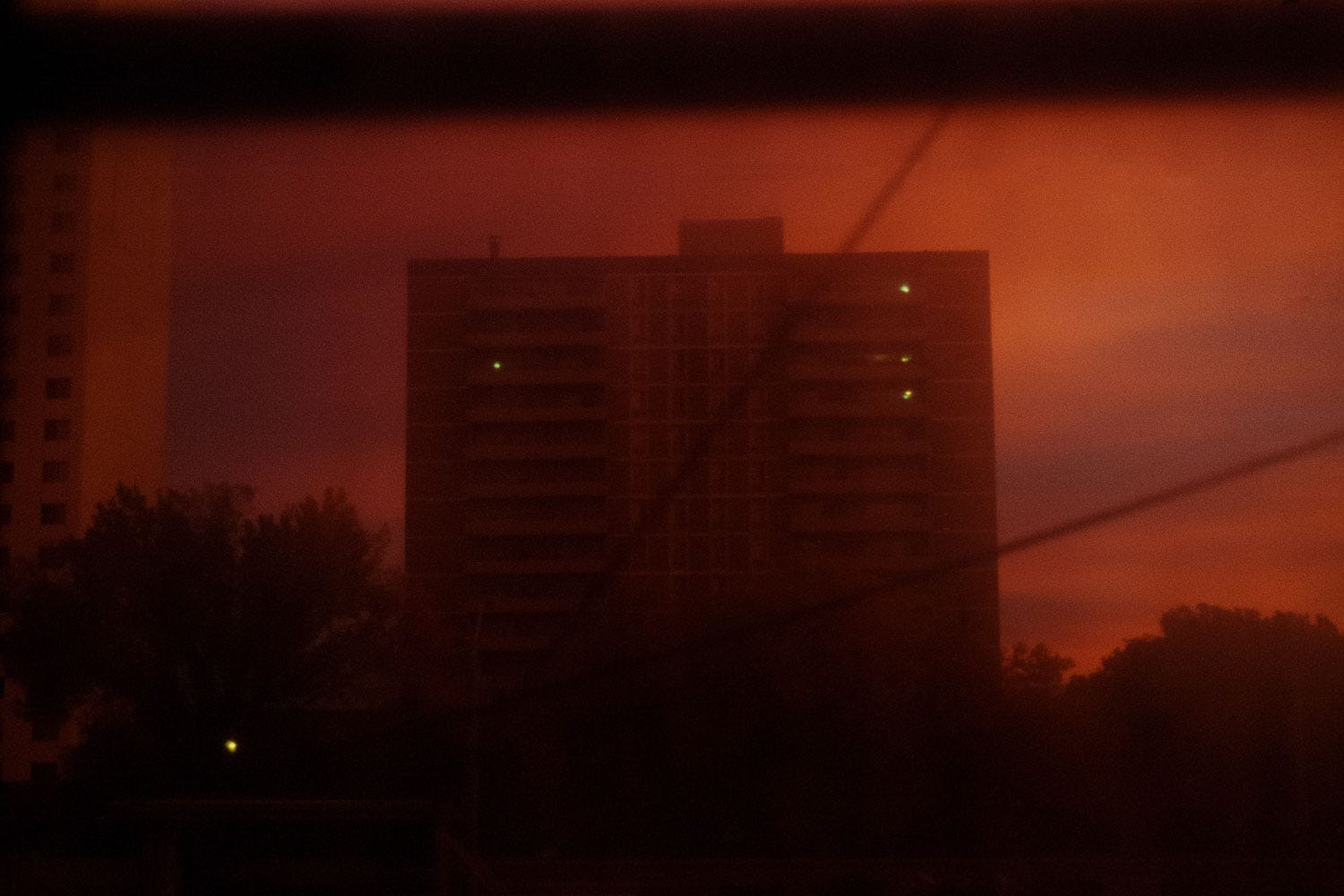
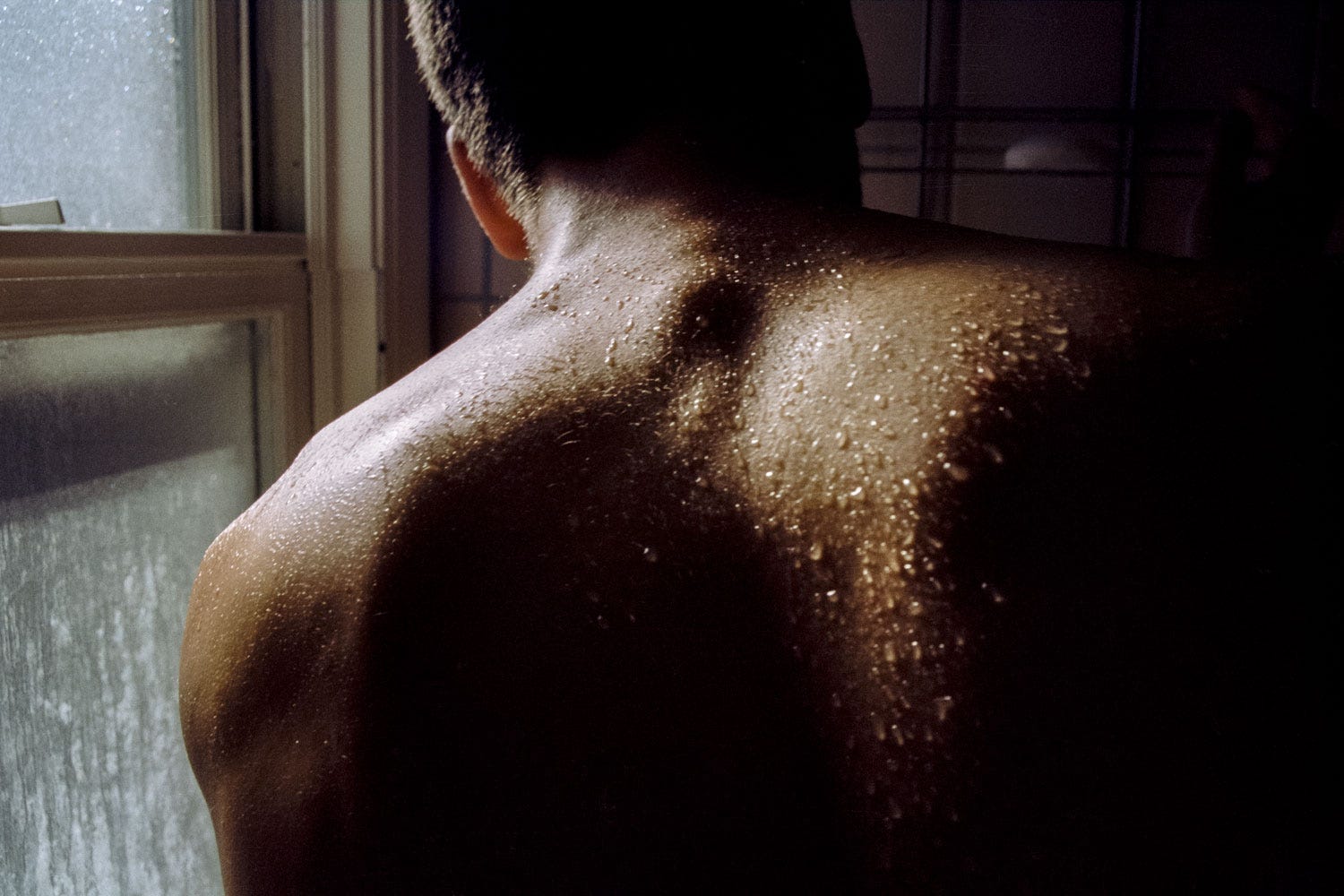
I will leave you with five images, all taken around this time of year, but from years past. I hope you have a nice August and I will talk to you in September, when I will hopefully find my way back to a more consistent schedule for the essay portion of this newsletter.
xz
No posts
Comments
Nothing yet. Say the first thing.
Sign in to join the conversation.