
Dear Should_Read subscribers,
You may have noticed the lack of irreverent, thoughtful and perspective-changing content in your inbox recently. (At least, I hope you have!)
The reason is that I’ve just launched a new business, wolke.studio, and I’m about to start work on a documentary film, which means I’ve had as much time for reflection and critical thought as Donald Trump.
I have opted to remain silent because I don’t want to compromise on quality and become just another voice airing their “hot take” on complex issues.
This is about to change, however, as I switch from a weekly to a monthly newsletter, steered by you, my wonderful subscribers.
Each month, I will suggest three topics that I have been thinking about and ask you to choose the one that you would most like to read about.
The most popular topic will be the one I tackle and send to your inbox in the final week of the month.
So, here we go! The poll is at the *bottom of this post*. But before you vote consider the story outlines, and take a minute to consider which one is truest to the mission of should read : a complex, consequential topic tackled with a fresh perspective.
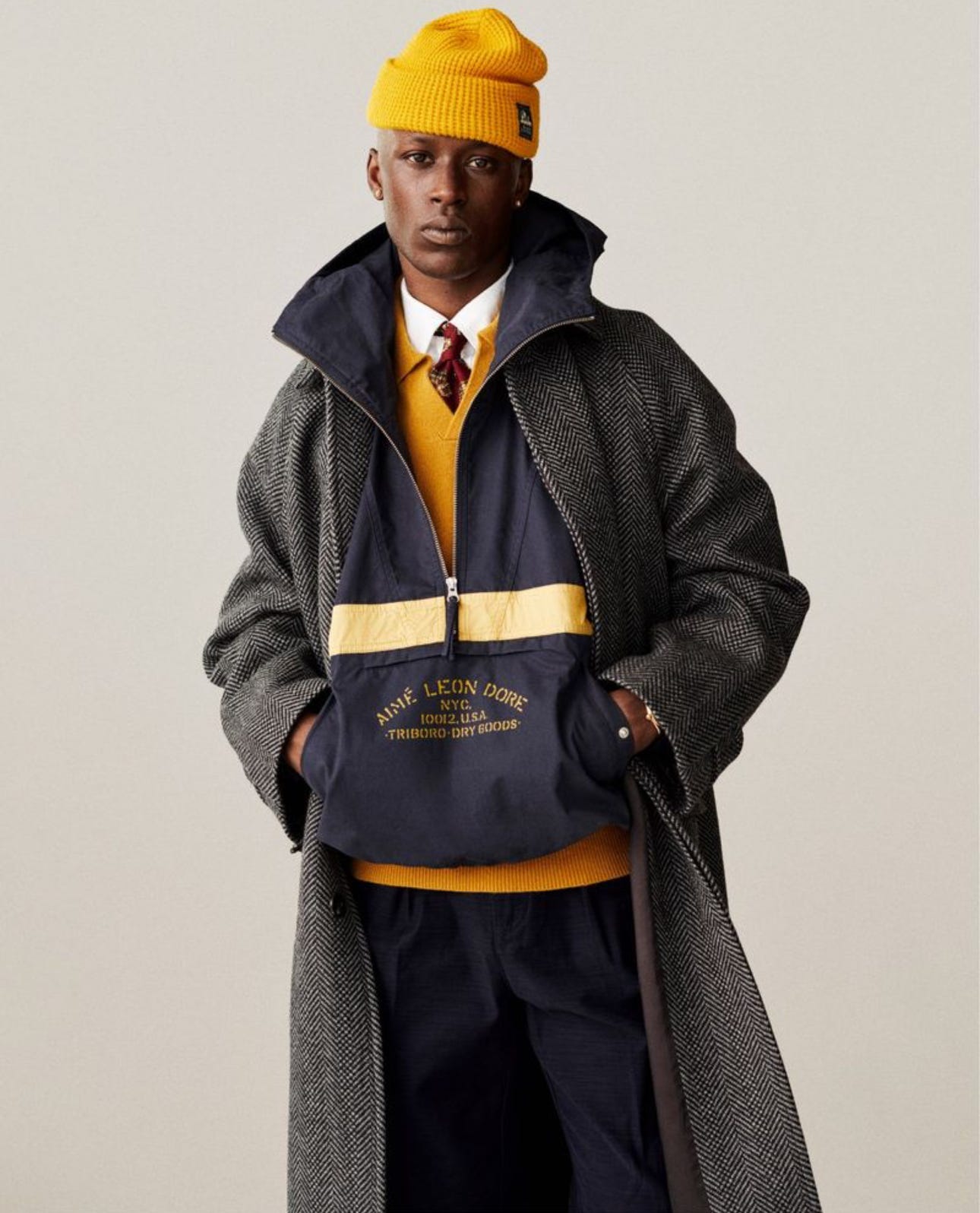
Fashion can be many things: a social marker, an indicator of good or bad taste, or of political inclination and social class, among other things. But how aware are we of the messages we convey through our choice of clothing (and accessories like watches or jewelry) when we leave the house each morning? I will be speaking to a French fashion expert who has worked with Bernard Arnault, CEO of LVMH, about the semiotics in fashion, and how new fashion trends such as the ‘tech slob power play’, street fashion meets super luxury, and the revival and reinterpretation of objects like penny loafers and double-breasted blazers are blurring boundaries that once served as clear social markers.
Public finances are being stretched to breaking point, while the very rich keep getting richer thanks to continued asset growth. Most with over $10 million in wealth pay a lower marginal rate of tax than “normal” working people. Ultra High New Worth (UHNWs) pay close to nothing. So out of fairness and necessity, is it time for a proper global wealth tax, and how could it work?
Climate tech is out; defence tech is in. Or, as some European investors who still feel uncomfortable funding drones, bombs, tanks and other killing machines would put it, ‘resilience’ technology. Of course, this group claims to be motivated by the higher purpose of defending democracy from despots and putting this tech to use in non-military domains (so-called “dual use), rather than by the potentially lucrative returns and lower risk associated with government contracts. Alright guys.
According to an FT report, investment in European start-ups working on defence and related technologies increased by 24 per cent in 2024, reaching $5.2 billion. This growth surpassed the venture capital invested in artificial intelligence on the continent over the past two years. I want to take a look at the ‘tourists’, aka first-time investors and operators entering this space, and consider all the things they are likely to underestimate when working with governments, the military, and large, slow-moving procurement teams. If there is time, I will address the moral dilemmas that still make many Europeans uneasy when the topic of rearmament arises.
Have your say. Make it count etc.
Thanks for reading shouldread! This post is public so feel free to share it.
No posts
Comments
Nothing yet. Say the first thing.
Sign in to join the conversation.