
Nobody handed him a roadmap for this.
The economy shifted. Again. And this time it hit close enough that he had to ask the question he’d been avoiding:
Is what I built strong enough to withstand this?
He wasn’t panicking. He was too seasoned for that. He also knew better than to take the next steps alone. That’s what the room was for.
So, he brought it to his mastermind.
Not for reassurance, but for strategy.
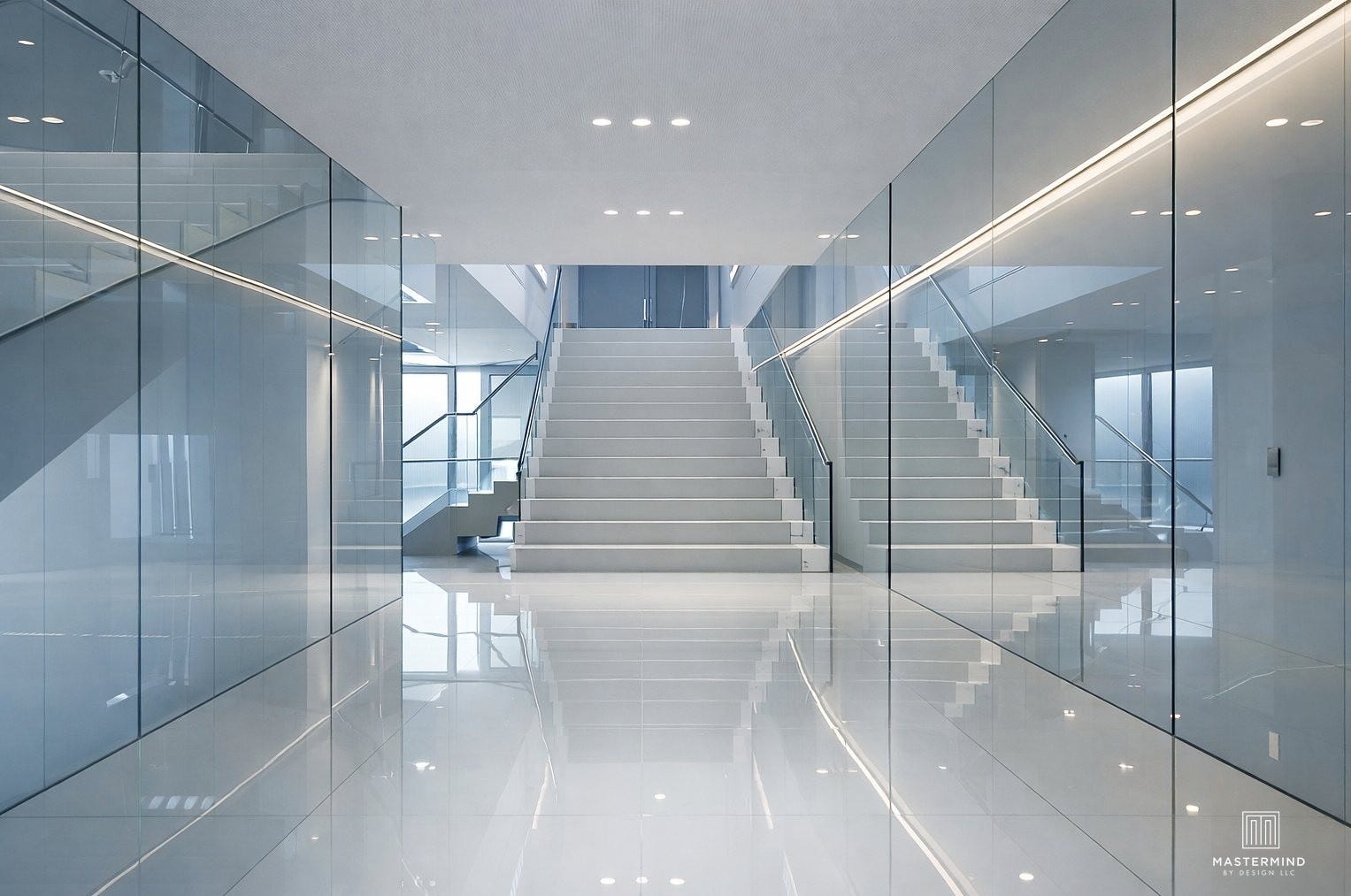
He walked in with the same thing every leader faces in uncertain seasons. Choices that felt like staircases leading in different directions. Multiple paths in front of him. Each one looking like it could be the right move. None of them clearly marked.
The room helped him see which parts of his business were actually at risk and which only felt that way.
They showed him where to tighten, where to pivot, and where to double down while others were pulling back.
They helped him sort through the noise: the options, the pathways, the decisions that felt impossible when he was standing in front of the stairs alone.
He stopped waiting for the path to become obvious. He started building one.
Because the right room doesn’t just make you feel better.
It makes you think better.
Every leader needs a place to refine their thinking.
When uncertainty hits, who helps you think clearly?
Reflection
Assess your footing: Which parts of your work feel unstable, and which are actually on solid ground?
Identify your next step: Where could a small adjustment create more clarity or stability?
Know your advisors: Who helps you see the bigger picture when the path ahead isn’t obvious? And who do you need to bring into the conversation next?
This is the work I do with leaders, teams, and businesses inside my mastermind rooms.
No posts
Comments
Nothing yet. Say the first thing.
Sign in to join the conversation.