
The US has a hard time incorporating religion to its public discourse. Yes, I see ample discussion of “Christian nationalism,” but I’m not sure if we agree on the meaning of the term. I hear religious language deployed by our current administration, but the resulting messages are fragmented and incoherent. We can all sense that our culture is shaped by religious currents, but most of us, including myself, struggle to articulate what we think is happening.
Should I care about this? I asked Kara Bettis Carvalho, former senior features editor at Christianity Today, current opinion writer and editorial board member at The Boston Globe, to talk to me about secularization, politics, and why all of us need a better understanding of our religious landscape.
Yi Ning Chiu: Ok, let’s get the backstory. How did you become invested in getting people to look more closely at religion?
Kara Bettis Carvalho: I first became interested in religion reporting when I worked for The News & Observer in Raleigh, North Carolina. I was doing metro reporting for them, but when I had a weekend shift I would cover anything I found interesting. I was often drawn to religiously-oriented human interest stories: a Muslim family practicing Ramadan, the community surrounding a Hindu temple, or what was happening in local Protestant churches.
Then the 2016 election happened during the lead-up to my job at Christianity Today, and it essentially made my personal preoccupations interesting to everyone. There were heightened tensions, obviously, around the splintering Republican party and increased secularization nationwide. There were new trends emerging in how religious life was being referenced in national politics, and how religious beliefs were forecasting political conflicts. I used to joke that I had good topics for party conversation—I love talking about religion and politics!
What held my attention through the 2016 election and into the 2020 election was how poorly people seem to understand religious communities. I still hear people use the term “Christian nationalism” without being able to really define it. I see people register surprise at how some religious groups vote progressively on issues like immigration, while remaining conservative on issues like abortion or same-sex marriage. I’ve become really interested in making religion legible for general audiences.
YC: I think it’s hard to find coverage that doesn’t come at religious belief from an angle of agnosticism towards the values of a religious community, and is therefore unable to delve into the substance of what the community thinks and the consequences that that has. I can understand why this happens, since the US has become less religious over time, but this seems like a loss. I’m curious what you think.
KBC: I’m obviously biased, but I do think religious coverage is super important. It’s not that much of a secret, obviously, that funding is a problem. Many of these newsrooms are just trying to figure out how to survive. I think religion journalists were among the first to get slashed in the 21st century when legacy media began to struggle, partly because of the niche topic, partly because of the increased secularization of our country.
It’s a huge loss to the state of journalism generally, and also for religious communities who need to be able to tell their stories. Downstream from this, religious topics are so rarely discussed that people are not religiously literate. Even journalists aren’t necessarily religiously literate.
I think there is still value in covering religious communities. Boston, for example, remains a heavily Catholic city. There are also several large Jewish communities here. Then there are Protestant groups in the area that are larger than they were 20 years ago, and a growing Muslim population. Even as America secularizes, we need to contend with one of the side effects of globalization, which is the growth of diverse religious communities, concentrated in urban areas.
Understanding America will require all of us to be more precise when it comes to our engagement with religious life. We all still discuss religion; we just do it now from political and cultural angles. If we talk about shifting attitudes around sexuality, for example, religion may figure into that conversation, but we may not be able to identify the specific ideas or religious attitudes that have driven the change. We need to be religiously literate in order to grasp what is happening around us.
YC: “Religiously literate” is such an interesting phrase. I’ve never heard anyone use it before. What are some topics you’re excited to explore in the future, that you want to help people think through from your vantage point as a religion writer?
KBC: One of the things I like about opinion writing versus straight news reporting, which I did for a long time, is adding not only analysis onto the facts but also suggesting solutions.
I’ve always been interested in solutions journalism, where you try to identify solutions to the problems you’re reporting on. Although it is not your responsibility to solve the problems you’re writing about, it’s always cool when you can tell the story of someone who is doing things right, or able to give specific ideas to people in power.
Right now, I think some of our most pressing problems carry obvious religious overtones. For example, how do we break out of the information silos we’re all living in, and live alongside people who see the world differently from the way we do? How do we rebuild trust in institutions—particularly the trust of Christians in the broader church? How do we make sense of what is happening with the role of evangelicalism in American politics?
How do we approach cultural tensions around gender, especially as more men enter higher church environments and as more women leave the church? And, finally, how will AI change our understanding of what it means to live an ethical life? I think these are all questions that religion journalists will have to be especially attentive to.
YC: Who and what are you reading these days as you think about what people should be looking to as they consider good religion coverage? Let’s close out with a list of your favorites.
KBC: I follow a lot of different religion journalists, but I specifically appreciate Emma Green at The New Yorker and Elizabeth Bruenig at The Atlantic for the ways that they have tried to bridge the gap between Christians and Catholics and our political moment in mainstream outlets. Ryan Burge has interesting observations at Graphs about Religion, and I always appreciate Mindy Belz’s global religious coverage. There are many more, of course.
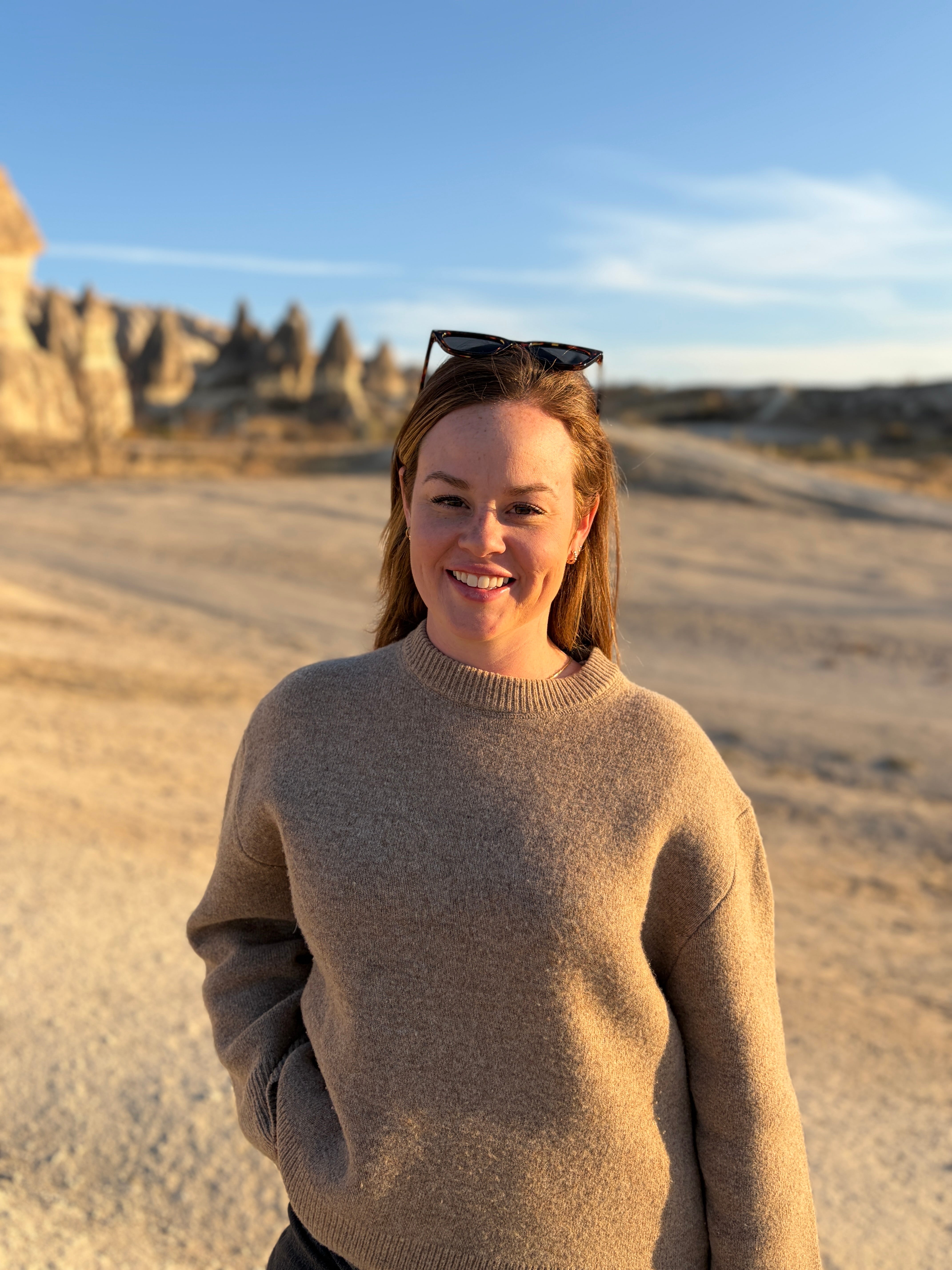
Thank you, Kara! Here is a short list of some favorite Kara-authored pieces:
Comments
Nothing yet. Say the first thing.
Sign in to join the conversation.