
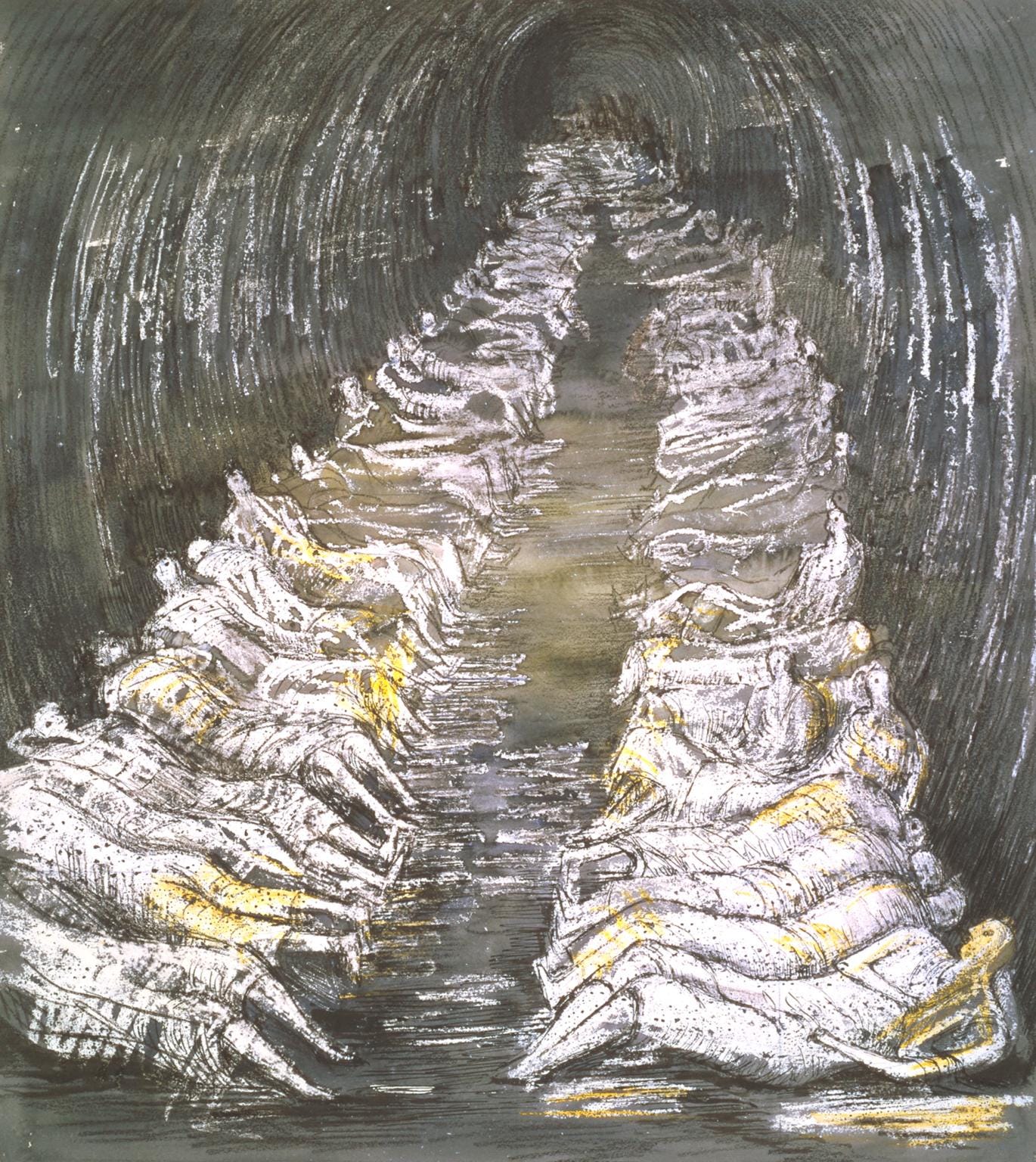
One thing clinical work teaches you is that when escape has been impossible for long enough, an organism can stop reaching for it. It does not just submit. It reorganizes around the absence of exit. The body forgets it has legs.
I keep thinking about that as I watch America’s allies.
For decades, the arrangement was simple: America protects, allies defer. That structure shaped more than military planning. It shaped political capacity. Why build independent defense, diplomacy, or strategic autonomy when the empire handles the hard part? The problem was never alliance. It was that alliance was organized as dependency, with capacity concentrated in one body and compliance distributed across the rest.
Now the protector has become erratic, coercive, and dangerous.
Anyone who has sat with trauma recognizes the bind. It is what happens when the person you depend on for safety becomes the person you need protection from. The body receives two signals at once: move closer, move away. It cannot resolve the contradiction. So movement falters.
This did not begin with Trump. He did not create the dependency. He exposed it.
What he has made visible is what happens when enormous power faces too few internal restraints and a world trained to accommodate it. The arrangement held as long as the dominant actor remained broadly predictable. The shock was not the creation of fragility. It was its revelation.
That is the bind now facing America’s allies. They can see the danger. What they have not yet fully recovered is the capacity to act without permission. So they do both. Rearmament and compliance. Alarm and deference. Emergency summits, new spending pledges, public statements about sovereignty, all while trying to avoid the rupture that real autonomy would require.
This is what freeze looks like at the level of states. Not stillness, but inhibited movement. Motion that does not yet break the pattern.
The damage runs deeper than military weakness. Decades of dependency hollowed out strategic confidence, institutional readiness, and practiced autonomy. The longer a system goes without acting on its own, the harder it becomes to imagine doing so. A system can stand at the exit and still not know how to leave.
But freeze is never total. In every paralyzed system, some parts are already moving. Frontline states. Leaders who stopped assuming the guarantor would hold. Defense and diplomatic institutions scrambling, belatedly and unevenly, to build capacity for a world in which America is no longer a stable center but a source of risk. Their movement may be incomplete. It is still movement.
And it will not look elegant. It will look late, uneven, underprepared. That is not evidence that movement should wait. It is evidence of what dependency costs.
Survival does not wait for readiness. Coherence comes later.
This damages the United States too. Power without counterweight does not produce discipline. It produces impulsiveness, overreach, and contempt for limits. A body that is never meaningfully resisted loses its own capacity for restraint. Without friction, there is nothing to force correction.
The question is no longer whether the old arrangement is ending. It is whether America’s allies can move now, before paralysis hardens into fate.
Comments
Nothing yet. Say the first thing.
Sign in to join the conversation.