
The Air India plane crash shook the entire country. It was terrifying news that sent me down a rabbit hole of thinking—when maintenance is an afterthought, tragedy isn’t far behind.
And it wasn’t the first time we heard of problems in Air India. For years, there have been news about broken seats, malfunctioning AC vents, and perpetual delays. We accepted it as part of flying in India. We didn’t care to bat an eye.
And now, it’s extended to its limit. A plane has crashed. Nearly 300 lives lost.
Only now, we’re hearing that aviation safety checks need to be made stricter. But I ask you—why did it have to reach this point? Why weren’t we proactive enough to fix these issues when the signs were clear and recurring? Maybe this didn’t have to happen. Maybe, just maybe, we could've prevented it.
What happened was tragic. And nothing can bring those people back. But what we can do now is take a long, hard look at our mindset. At our habit of normalising substandard facilities, brushing things off with a sigh or a joke.
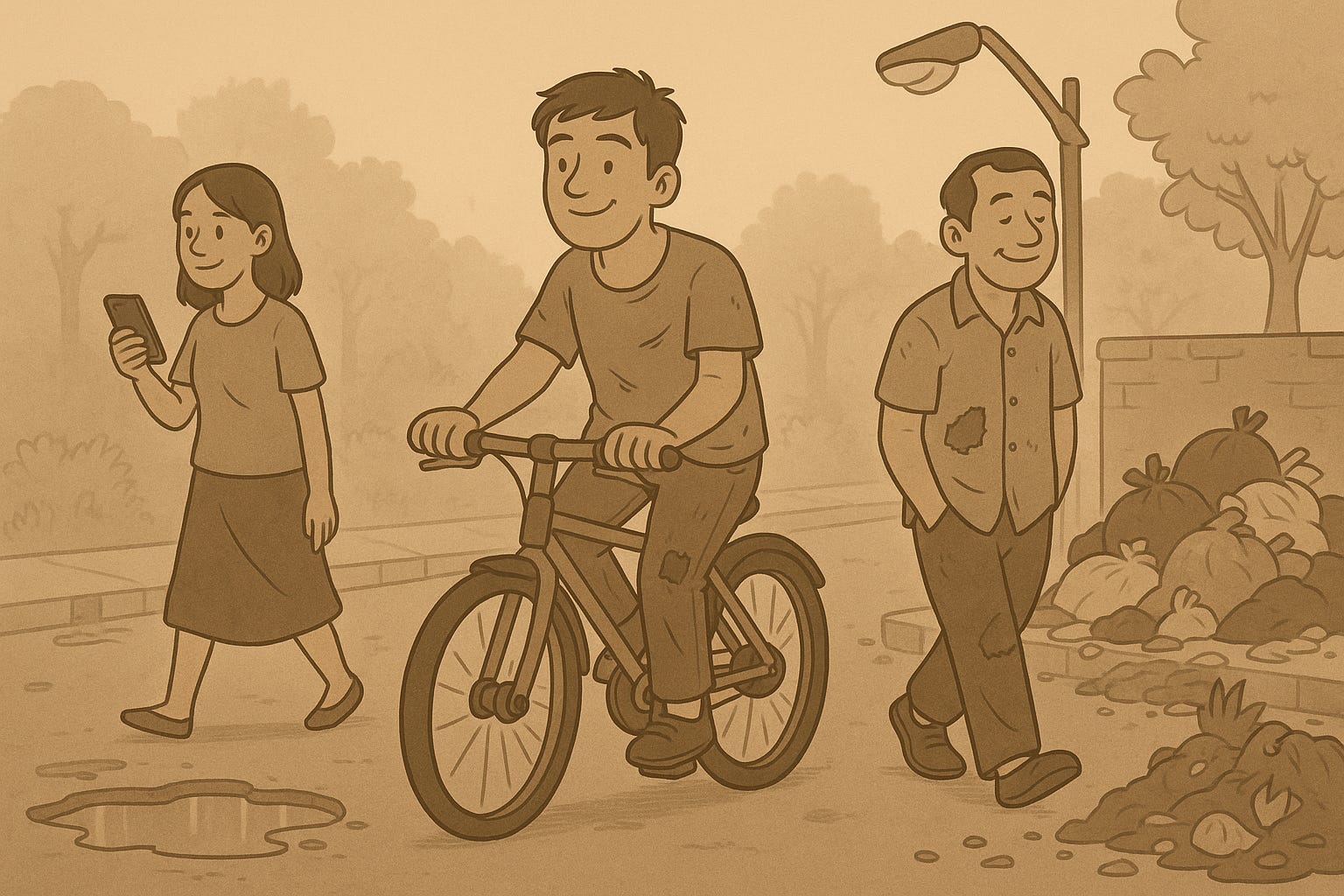
Because it wasn’t just about one airline. It made me think of the bigger picture—how often do we, in India, just accept what we get? Peeling paint in government hospitals. Broken footpaths. Potholes. Delayed trains. Low-quality services that somehow pass as ‘good enough’. We’ve built a culture around shrugging our shoulders and saying, “Yeh India hai, yahan aisa hi hota hai.”
And that’s what really stings.
Because this mindset—of settling, of adjusting—creeps into everything. We normalize substandard things so deeply that we forget we even have the right to expect more. Not just from systems or institutions, but from ourselves. Our relationships. Our jobs. Our homes.
I’m not writing this to blame the government or its citizens. But to offer a gentle provocation: What if we stopped normalising mediocrity?
What if we asked: Why not better?
Better roads, yes. But also better conversations. Better customer service, and better mental health support. Better design in the apps we use daily. Better salaries and better colleagues. Better partners, who see and celebrate our full selves.
This isn’t about becoming greedy. Or ungrateful. It’s about waking up that quiet part inside us that dares to ask for more. The part that’s tired of jugaad and wants things that work well by default. The part that’s not afraid to say, “I deserve more.”
We don’t get better by competing. We get better by imagining better. By learning what’s possible. By putting effort into building it. That means reading more, travelling more, talking to people who live differently, questioning what we’ve accepted so far.
The world is richer, safer, more joyful in places where people asked for more. Where maintenance wasn’t an afterthought. Where excellence wasn’t a luxury.
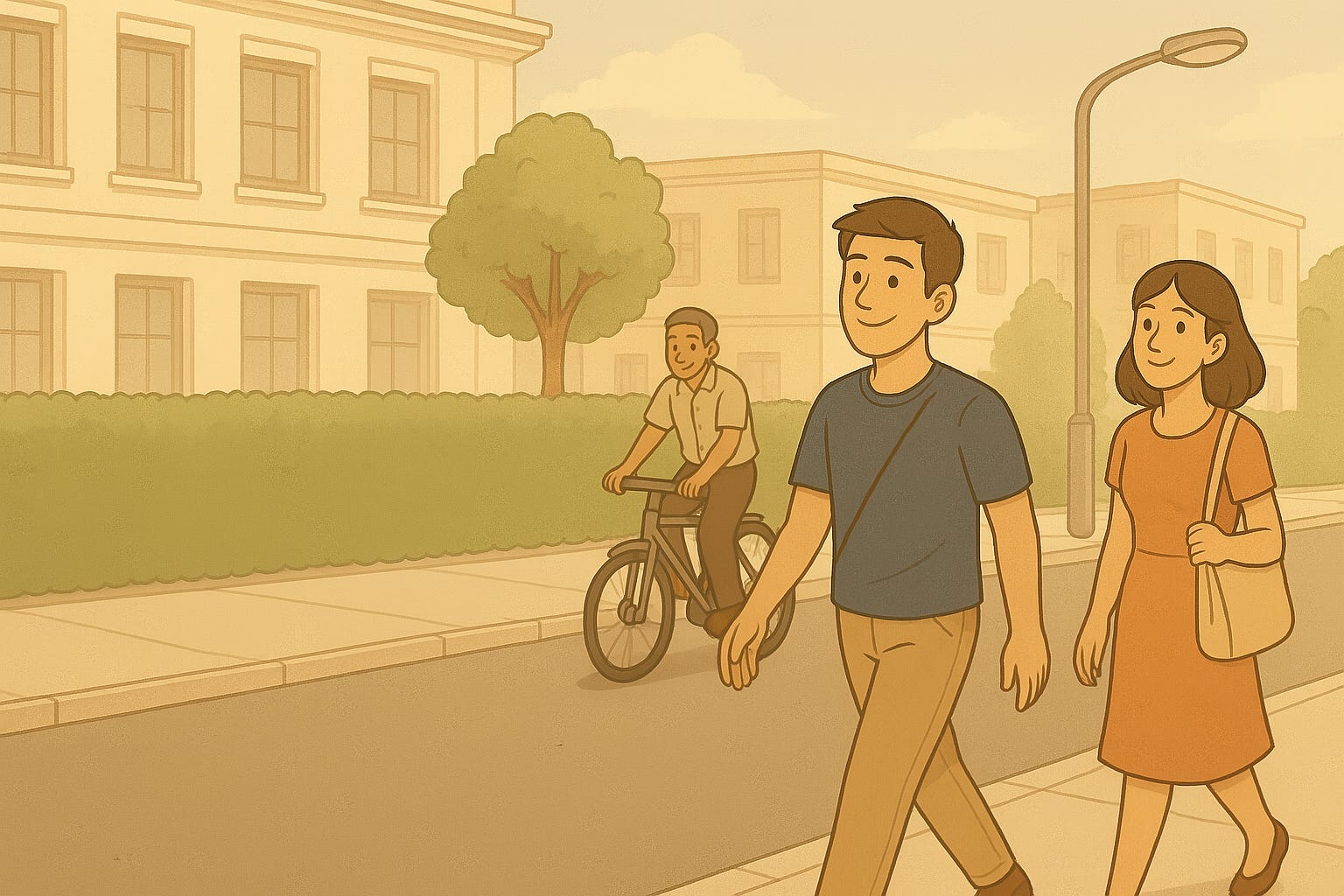
So here’s a small ask today:
What’s one area of your life where you’ve been settling? And what might happen if you stopped?
Maybe today, you fix that tap that’s been leaking for months. Or ask for that raise. Or finally say, “No, this isn’t good enough.”
Small shifts. But they add up. And they begin with the belief that we can, and should, expect better.
No posts
Comments
Nothing yet. Say the first thing.
Sign in to join the conversation.