
The kitchen table is a formidably cold piece of teak at twenty past four in the morning. It sits there, refusing to compromise with the ambient temperature of the room, radiating a distinct lack of enthusiasm for the upcoming dawn. I am currently propped up against it, attempting to negotiate a temporary ceasefire with my own eyelids while nursing a pot of black coffee that possesses the colour and consistency of recycled liquid asphalt.
The architect of this current state of sleep deprivation is currently sitting on the floor three feet away, washing his left leg with an air of insufferable smugness. Tigger is a ginger cat who views the concept of a human sleep cycle as a personal affront to his culinary schedule. His method for initiating breakfast service involves no subtle meows. Instead, he climbs onto my pillow, carefully positions one freezing, damp nose directly inside my right ear, and then executes a series of sharp, rhythmic pats against my eyelid with a single unsheathed claw. It is an alarm system that leaves very little room for negotiation.
Having successfully extorted his premium kibble and a side serving of meaty chunks in gravy, Tigger has moved on to ignoring me completely. I, meanwhile, am left staring at a glowing laptop screen, trying to make sense of the international financial sector. This is generally a mistake at any hour of the day, but before sunrise, it takes on the distinct quality of an elaborate, expensive hallucination.
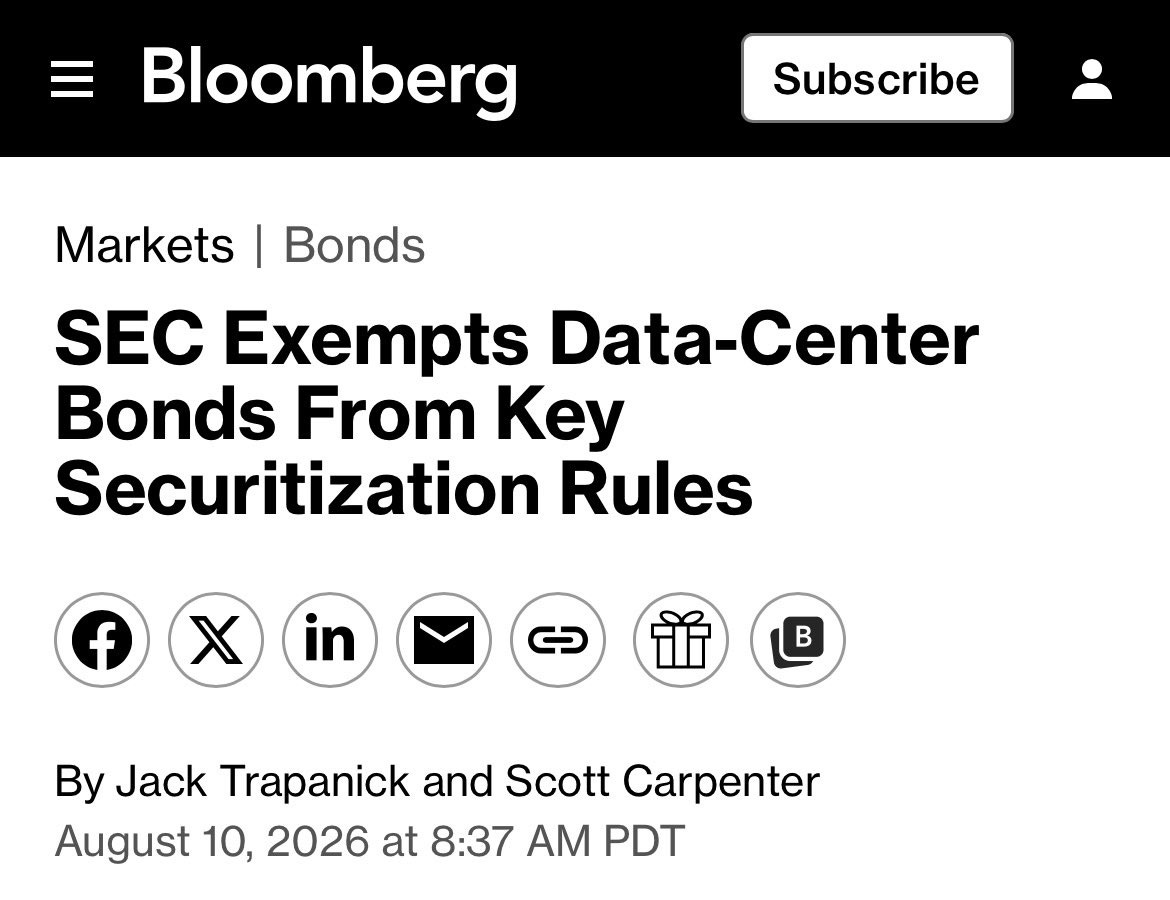
The topic of my pre-dawn contemplation is the global technology boom, specifically the enormous buildings full of flashing lights that we call data centres. We are told these structures are the temples of a magnificent new age of artificial intelligence. We are told they are generating a technological revolution that will change everything from how we write emails to how we diagnose illnesses. What we are not told, at least not in the glossy brochures, is that the entire enterprise is currently being held together by some truly heroic bookkeeping and a highly convenient bit of legal paper-shuffling that occurred in Washington yesterday afternoon.
To understand how we might be on the verge of a spectacular economic collapse, one must first appreciate the humble nature of computer hardware. If you buy a top-of-the-range laptop today, you do so with the vague, melancholic knowledge that in about three years it will have the computing power of a disappointed toaster. It will not be broken, it will simply be old. The silicon chips inside it will be hopelessly outpaced by newer, shinier silicon chips.
In the accounting world, this predictable decline into obsolescence is handled by a dreary mechanism called depreciation. If a technology titan buys a billion dollars worth of advanced microchips, they are supposed to write off that cost over the realistic lifespan of the hardware. For a long time, everyone agreed that three years was the absolute limit before these chips became expensive paperweights. If you spread the cost over three years, your annual profits look smaller because you are acknowledging the rapid decay of your expensive kit.
This is where the magic happens. Sometime last year, the accountants at the world’s largest tech firms looked at their staggering expenses and reached a collective, wonderfully optimistic decision. They decided that these microchips would henceforth last for five or six years. There is no physical reason for this sudden longevity. The chips are not made of sturdier stuff. They are simply being commanded by the power of ink on a balance sheet to remain young and sprightly for twice as long.
By spreading the cost over six years instead of three, the accountants have managed to avoid recognizing billions of dollars in expenses. It is a magnificent conjuring trick. It understates the actual decay of the hardware by an estimated one hundred and seventy six billion dollars over a three-year period. On paper, profits look absolutely spectacular. Share prices soar. Everyone cheers. The fact that the physical chips will be technologically obsolete and commercially useless long before their six-year accounting lifespan is finished is a problem neatly deferred to the future.
But the plot thickens considerably. Building these data centres requires an unimaginable mountain of cash. The tech giants cannot fund it all from their own pockets, so they have turned to the shadowy, respectable world of private credit. Large asset managers have been funneling hundreds of billions of dollars into special corporate vehicles to build these digital cathedrals.
This brings us to the events of this week. The American regulators, who are supposed to be the vigilant watchdogs preventing another financial crisis, have just issued some interpretive guidance. It is a dry, incredibly technical document that reads like a recipe for wallpaper paste, but its effect is explosive. The regulators have ruled that these data centre financing structures are no longer classified as asset-backed securities under the old post-crisis rules.
This sounds like a linguistic quibble, but the practical consequence is immense. Under the strict rules introduced after the catastrophic meltdown of two thousand and eight, anyone packaging up debt and selling it to investors had to keep five percent of the risk on their own books. It was called having skin in the game. It was designed to ensure that bankers did not sell absolute rubbish to unsuspecting pension funds, because if the investment exploded, the bankers would lose money too.
By reclassifying data centre debt, the regulators have entirely removed this requirement. The private finance firms can now originate massive loans to build data centres, package that debt into complex financial notes, and sell one hundred percent of it to institutional investors without retaining a single penny of the risk themselves. The skin has been removed from the game. The safeguards put in place to stop the global financial system from eating itself have been quietly put on a high shelf where nobody can reach them.
The anatomy of our next great crisis is therefore beautifully simple. We have a technology boom built on microchips that are aging rapidly in reality but remaining eternally young on the company balance sheets. We have a massive financing gap being filled by private debt. And we now have a regulatory loophole that allows the creators of this debt to offload all the risk onto pension funds and insurance companies.
If the public eventually decides that artificial intelligence is not quite the miracle it was promised to be, or if corporations realise that their expensive software assistants are not actually generating any revenue, the spending will stop. The tech firms will cut their data centre leases. The special corporate vehicles will default on their loans. The losses will pass entirely to the unsuspecting public investors who bought the risk-free notes, while the tech firms are forced to suddenly admit that their six-year-old chips are worth absolutely nothing.
Tigger has just jumped back onto the table, sniffing the edge of my coffee mug with a look of profound disgust before walking directly across the keyboard. He does not care about structural market leverage, nor does he care about the systemic vulnerability of public equity indices. He knows that whatever happens to the global economy, the salmon pâté must continue to flow. It is a remarkably sensible worldview. I take another sip of the black asphalt and prepare to face the daylight.
If you enjoyed this blog you may want to share it to your MyFace socials and consider subscribing, it's free after all

.
No posts
Comments
Nothing yet. Say the first thing.
Sign in to join the conversation.