

In many ways, the Southern Baptist approach to the Lord’s Supper came to epitomize the fundamental unease I was beginning to feel back in seminary. It’s interesting: I felt unease about our approach to the Supper well before I could articulate my unease.
The Lord’s Supper became a kind of ground zero for my own internal struggles. It set the stage for the appeal of a catholicity that drew from the more robust understanding of the Supper that characterized the church for most of her history even as it fell into its own errors at the other end of the spectrum.
As I’ve done in previous posts in this series, I think it would be best for me to flesh out the major concerns I had in no particular order. These include:
“Remember” (in “this do in remembrance of me”) should not be reduced to “recollect.” The latter is a reductionist, post-Enlightenment understanding that conjures images of the congregant holding the bread and thinking strenuously about the cross. But the former is a covenantal term, a relational term. It is not merely mental, not merely cognitive. It is a transformational step into the present reality of God-with-us. Consider reading this and this. These are helpful little articles that unpack a bit the deficiency of a reductionist understanding of “remembrance.”
The options are not the transubstantiation of Thomas Aquinas on the one hand (i.e., the Roman Catholic view) or hyper-Zwinglianism on the other (i.e., the view of many Southern Baptists). In the Roman Catholic view, the “substance” of the bread and wine is transformed into the flesh and blood of Christ. The “accidents” of the bread and wine are not. The bread looks like bread and the wine tastes like wine, but their substance has been changed: trans-substant-iation.

This is a summary of how Thomas Aquinas understood the Supper when he applied Aristotelian categories to it.
In reaction to this, Baptists, particularly in America, have tended toward a hyperbolized and non-nuanced rendering of the view of the Swiss Reformer Ulrich Zwingli, who held the Supper was only a memorial act. (Many have argued that this is an oversimplification of Zwingli’s actual views, we should note.)

Zwinglianism, then, would be the other end of the spectrum.
So, on the one hand, we have the Roman Catholic saying “this is flesh and blood.” On the other hand, we have the Southern Baptist saying “this is bread and juice and we look at it and try to think reverently about the cross.” But what I could not get my head around were the dire warnings of Paul in 1 Corinthians 11:
27 So, then, whoever eats the bread or drinks the cup of the Lord in an unworthy manner will be guilty of sin against the body and blood of the Lord. 28 Let a person examine himself; in this way let him eat the bread and drink from the cup. 29 For whoever eats and drinks without recognizing the body, eats and drinks judgment on himself. 30 This is why many are sick and ill among you, and many have fallen asleep. 31 If we were properly judging ourselves, we would not be judged, 32 but when we are judged by the Lord, we are disciplined, so that we may not be condemned with the world.
If “remember” meant simply “recollect” and if all that was happening at our observance of the Supper was a kind of sanctified mental exercise, then how was I to understand these words. Verse 30’s warning of people dying from an “unworthy” eating of the meal struck me as fascinating.
What is more, my own experience and my own observation of the experiences of others at the Table told me that more was happening here than mere recollection. Something profoundly spiritual was happening. Something transformative.
I wondered if there was an alternative understanding of the Supper that made sense of what scripture appeared to be saying about it. And I came to realize that John Calvin held and advocated just such a position.

Calvin argued that the bread remained bread and the wine remained wine but this was no mere memorial. He argued that we were spiritually nourished in the meal, that Christ was spiritually present, mystically present in the Supper. So Christ is really present but not physically present. The bread is bread and the juice is juice, but we meet Christ and are nourished upon Him in the meal. This is sometimes called the “Real Presence” view.
This is the view of the Supper I lean toward now: Something deeply transformative and powerful is happening in the observance, something that is more than mental focus.
This, too, is catholicity: the assessment of the philosophical underpinnings of our inherited understanding of scripture. Oddly enough, Calvin, with whom I disagree on other issues, showed me a way out of the deficiency I sensed in my own tradition’s observance of the meal. Catholicity invited me out of tribalism into a positive engagement with the voice of the church throughout her whole history, and I was freed from the tyranny of what Tom Oden (see the first installment of this series) called “neophilia,” the “love of the new.”
Six years ago I wrote an article that was published in the Missouri Baptist paper entitled “The Lord’s Supper Worthy of Greater Attention Among Southern Baptists.” That article fleshes out my concerns about how often we observe the Lord’s Supper. In Arkansas, at Central Baptist Church, I moved us to a monthly observance of the Supper. I did the same when I moved to First Baptist Church, Camden. Almost without exception, I have found that Southern Baptists very much appreciate a greater emphasis on the Supper. I think this is because we intuitively know that it should hold a place of higher honor than we have traditionally given it.
Would I like to observe it more often? Yes. I also do not want to lapse into a kind of legalism on this point or, God forbid, some sort of self-righteousness-by-observance, the idea that the number of observances equates to a holier observance. Surely that is not the case. I am content to say simply that the early church appears to have observed the Supper possibly every time they met and that it is indeed possible to dishonor the Supper through neglect. The Bible offers strong hints, but no exhaustive “legislation” on the matter, if you will. So I am still a pilgrim on this issue, still learning, still traveling, but this much I know: The Lord’s Supper is a gift from Jesus to the church. It does not save. It does not replace the Savior to whom it points. But neither is it some periodic mental exercise. No, our hearts are being nourished when we come to the table.
I once heard the common comment one hears in Southern Baptist church about the Lord’s Supper: “If we observed it weekly, it would lose it’s special meaning.” And I heard another person respond, “It’s strange how nobody every says that about taking up an offering.” Strange indeed…and telling.
Finally, I note with a great sense of joy a renewed focus on the Lord’s Supper in Southern Baptist churches. I note, for instance, that many new church plants seem to observe it frequently, many doing so weekly. I applaud this. And, again, I have found an eager sense of receptivity in the churches I have pastored when we seek to give the Supper a more prominent place.
I also note with a sense of encouragement some of the very good work being done by Baptist theologians calling us to a more robust theology of the Supper. These include:
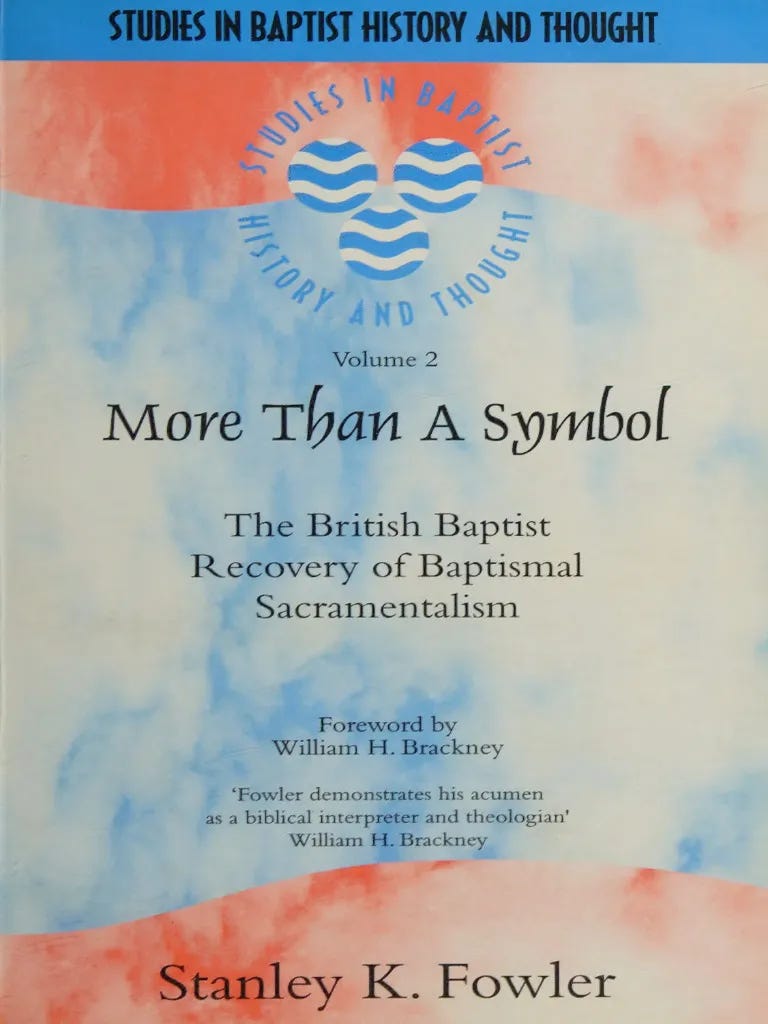
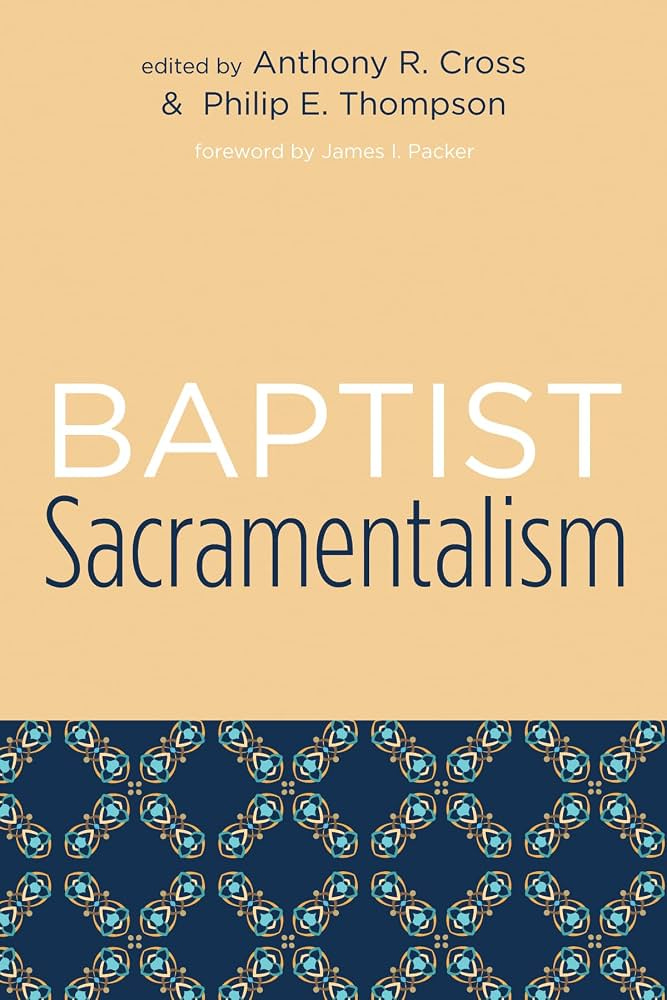
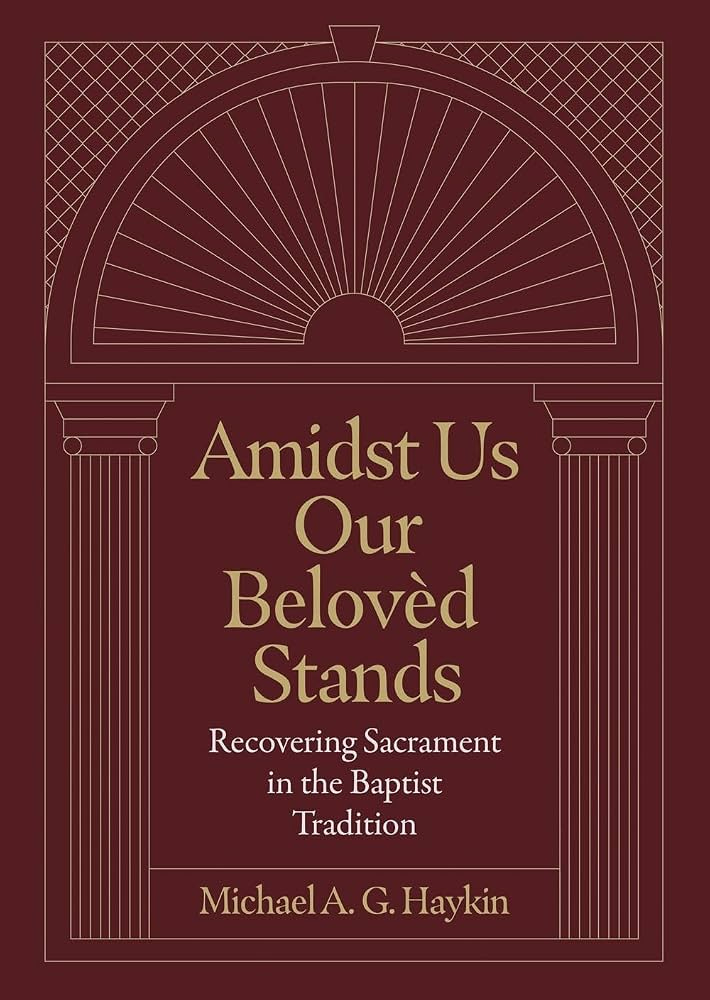



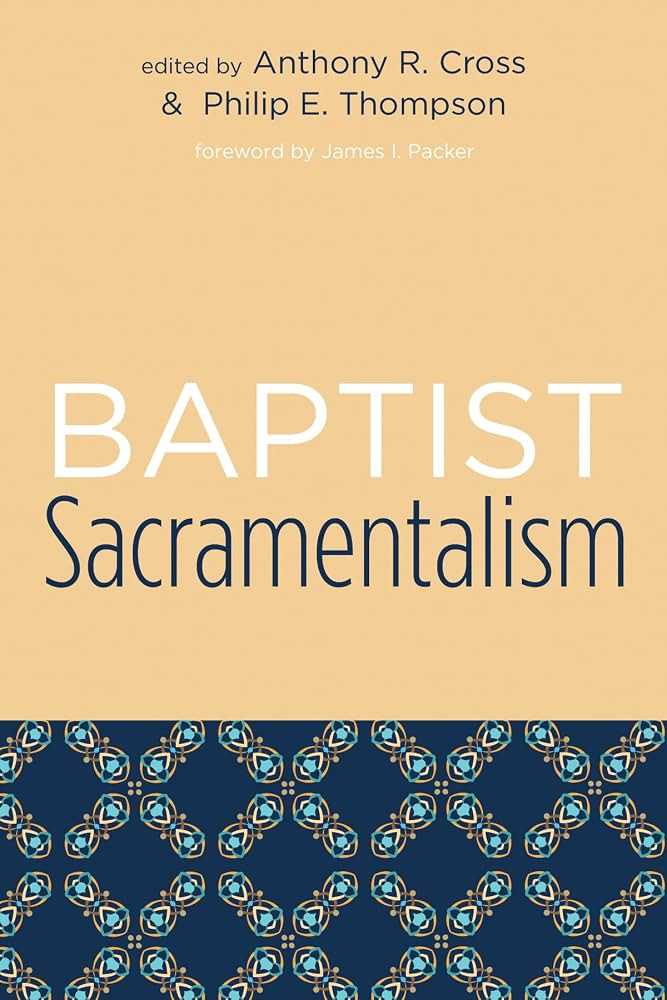
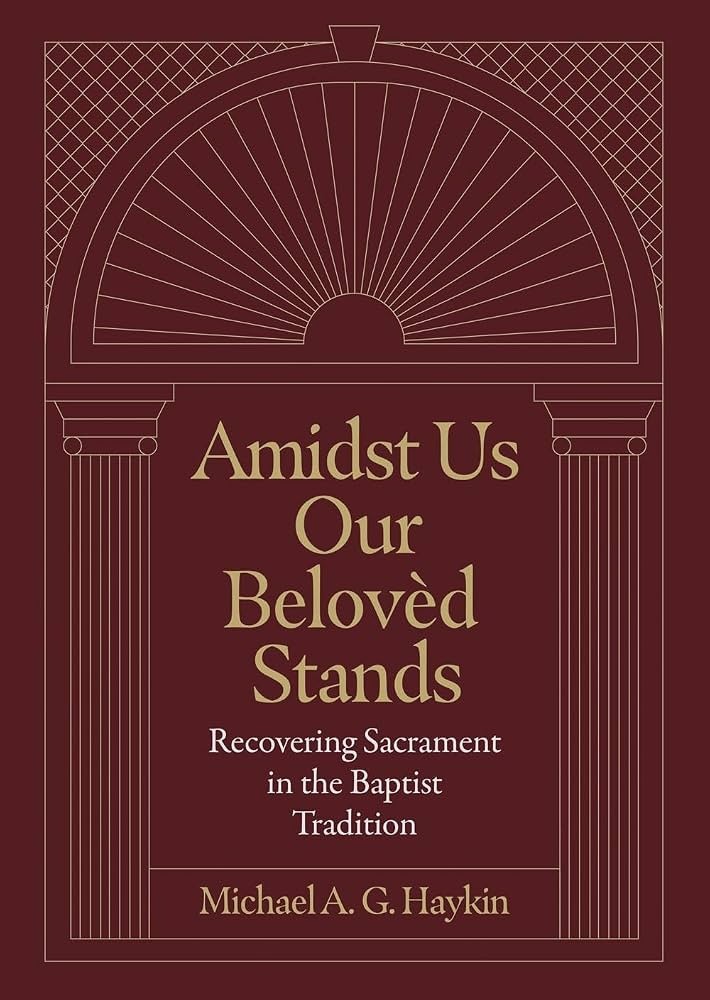
I need not agree with everything in these books to note that they represent a positive and most welcome critique of a deficiency in much current practice that does indeed need to be addressed.
I feel about this post like a feel about all the posts in this series: It just kind of scratches the surface. Regardless, perhaps this gives a bit of insight into my own journey on this important issue.
No posts
Comments
Nothing yet. Say the first thing.
Sign in to join the conversation.