
Text within this block will maintain its original spacing when published
In the evening the autumnal woods resound
With deadly weapons, the golden plains
And blue lakes, over them the sun
Rolls grimly away; the night envelops
Dying warriors, the savage lament
Of their smashed mouths.
But silently on the pastures
Red clouds gather, therein lives a raging god,
The spilled blood, the moonly cool;
All roads lead to black decay.
Under the golden branches of the night and stars
The shadow of the nurse sways through the silent grove,
To greet the spirits of the heroes, the bleeding heads;
And softly in the reeds sound the dark flutes of autumn.
O prouder grief! You iron altars,
Today the hot flame of the spirit is fed by an immense pain,
The unborn grandchildren.
This is '“Grodek”, the last poem written by Georg Trakl.
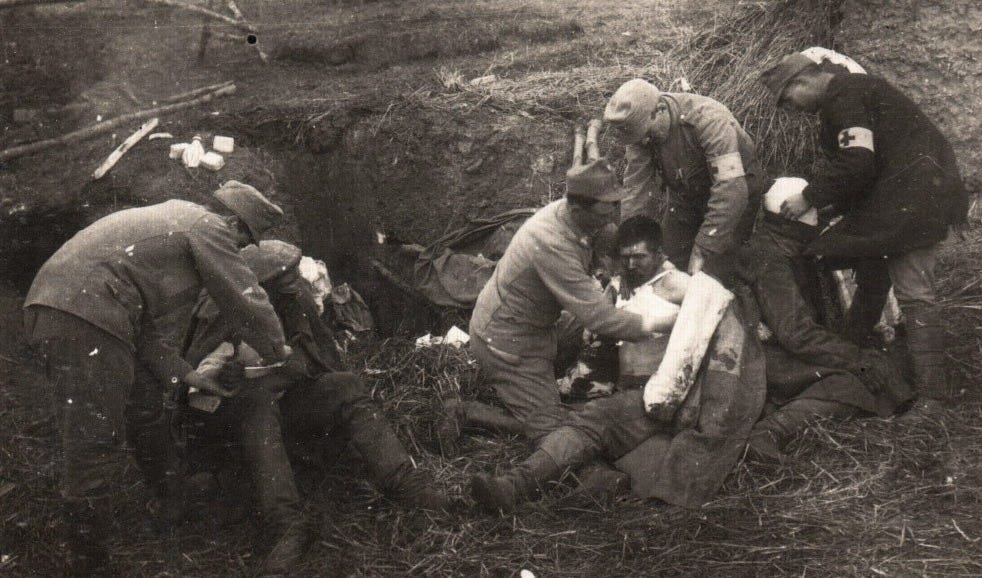
Georg was an Austrian pharmacist and poet. When the war broke out, he volunteered and was assigned to medical officer duties, drawing on his previous experience as a military pharmacist. According to his biography, he did not share much of the usual war enthusiasm, but saw service as a way to escape personal misery. By the time he arrived on the Eastern Front on the 7th of September, Lemberg (Lviv), the capital of Galicia, had already fallen to the Russians. He was assigned to a barn converted into a field hospital near Grodek (today Horodok), about 25 km southwest of Lviv. These experiences were later recounted to his friend Ludwig von Ficker.
“For two whole days I had to care, alone, in a barn near the main square, for ninety severely wounded men without any medical assistance. I still have in my ears the groaning of the tormented and their pleas to put an end to their suffering.”
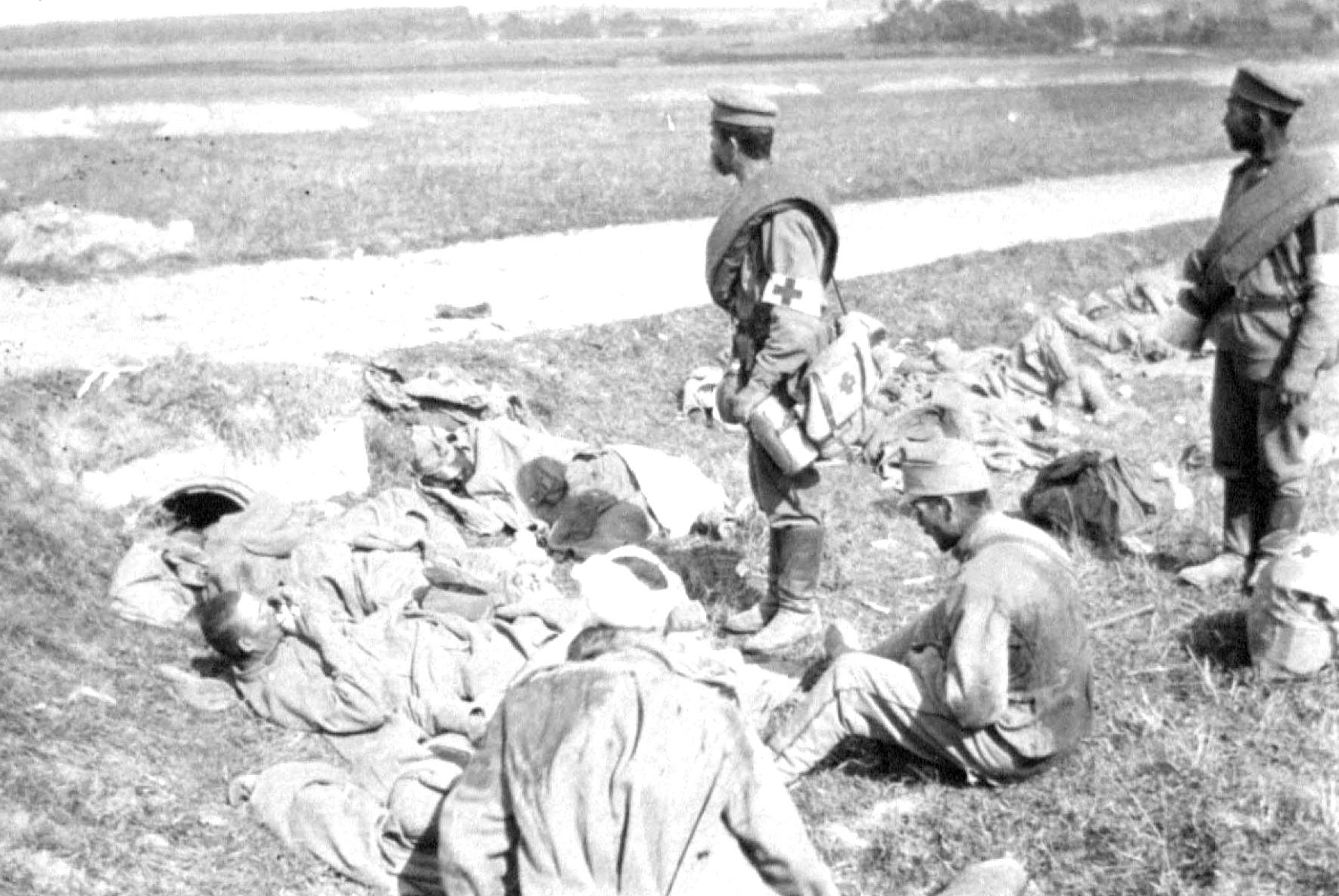
Adding to the horror, while leaving the “field hospital,” he saw a dozen bodies of Ruthenians hanging from trees, most likely victims of the Austro-Hungarian harsh policy against the local population suspected of “Russophile” tendencies. Curiously, a similar scene was described by Ferdinand Horvath, a soldier of a Kaiserjäger regiment, who wrote:
“At night we marched through Grodek. It was ablaze; the heat was unbearable. From the trees that lined the road corpses dangled, miserable Ruthenians, hanged for treason, with popped out eyes and thick blue tongues. They dangled till the ropes burned. Now we could hear the rumblings of the guns.”
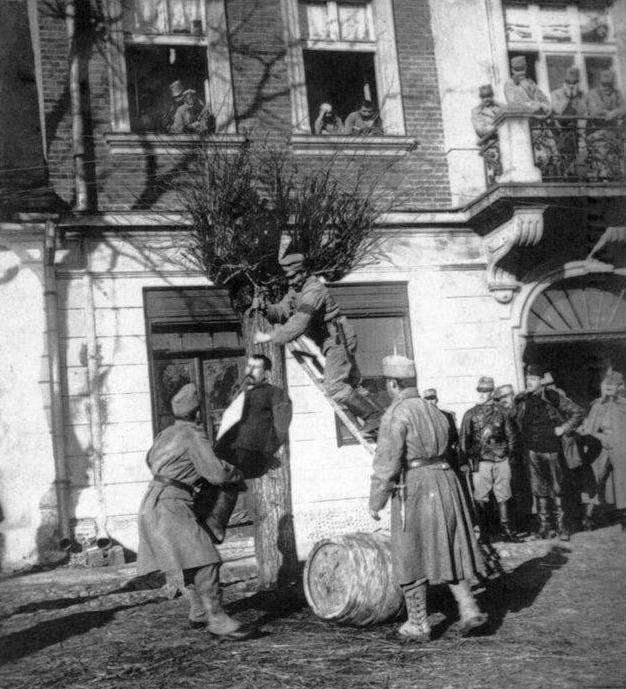
The battle raged along the Grodek–Wereszyca line for a few days, with little success on either side after the Russians captured the city on the 7th of September. Fritz Kreisler, an Austrian officer and violinist who experienced many interesting events near the swampy lands of Grodek and was later nearly killed by a charging Cossack, wrote about the almost sport-like fighting on his sector:
One fights fiercely and passionately, mass against mass, but as soon as the mass crystallizes itself into human individuals whose features one actually can recognize, hatred almost ceases. Of course, fighting continues, but somehow it loses its fierceness and takes more the form of a sport, each side being eager to get the best of the other. One still shoots at his opponent, but almost regrets when he sees him drop. On the morning of the third day(8th of september) we knew nearly every member of the opposing trench, the favorite of my men being a giant red-bearded Russian whose constant pastime consisted in jumping like a Jack-in-the-box from the trench, crying over to us as he did so(…) Between skirmishes an unofficial truce would frequently be called for the purpose of removing the wounded. During these times when the stretcher-bearers were busy, no shot would be fired on either side.
With the defeat of the Habsburg Fourth Army in the north (Rawa-Ruska), an order of general retreat towards the San River was issued on the 11th of September. During the chaotic retreat through muddy roads, Trakl attempted suicide with a pistol but was impeded by his comrades. He was soon sent to the military hospital in Cracow, not for work but to the mental observation ward. There, he received a visit from his friend von Ficker, who tried to get him out, but was impeded by the health staff. A few days later, Ficker received a letter from Trakl requesting that his bellongings should be left with his sister, this letter contained “Grodek”. Another man named Ludwig - Wittgenstein, later one of the most influential philosophers of the century who was also serving in the army at the time, went to the hospital to visit him for the first time(Wittgenstein helped artists financially and Trakl was one of them). Upon arrival, however, he learned that Trakl had already taken his own life from a cocaine overdose.
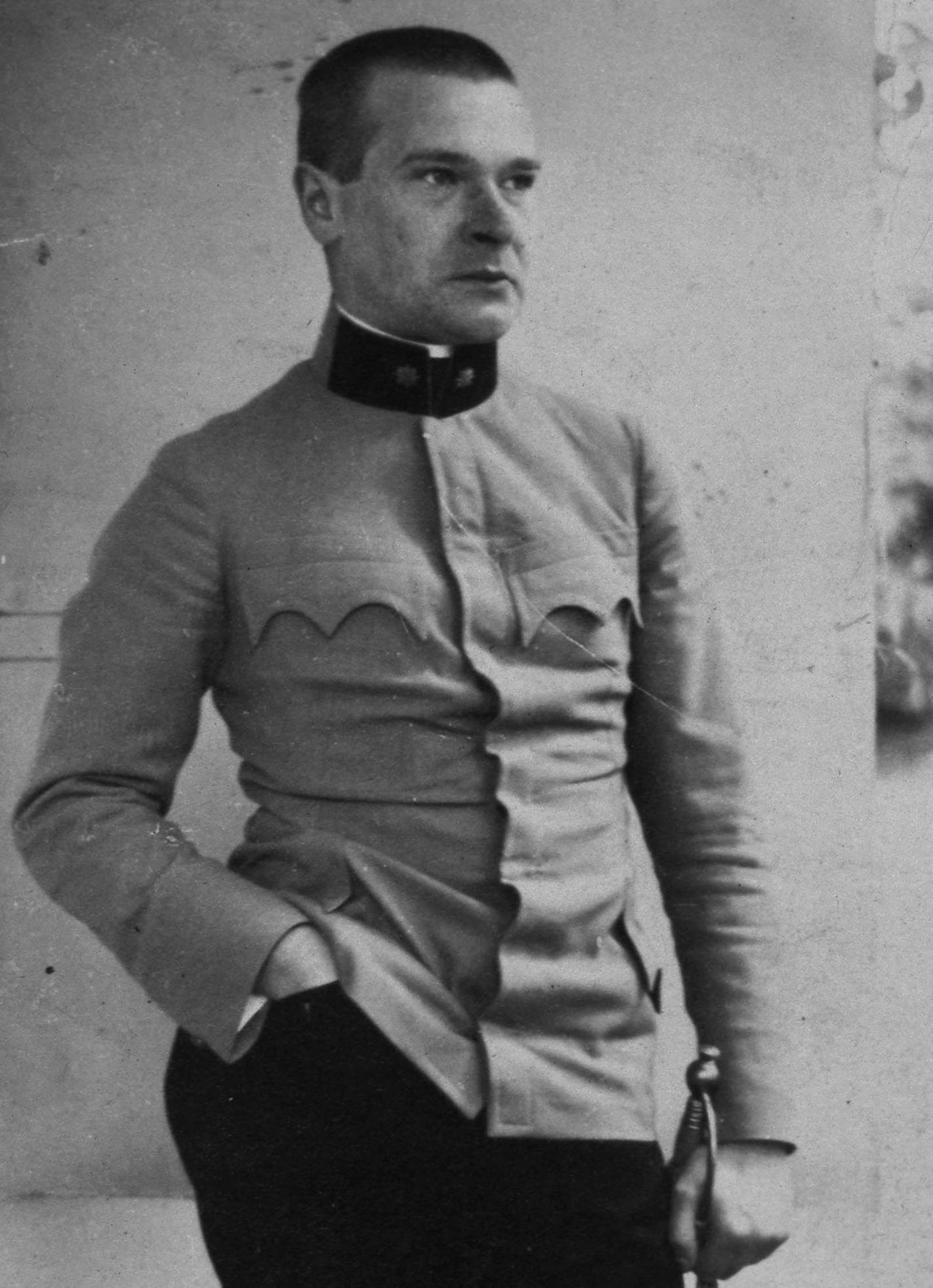
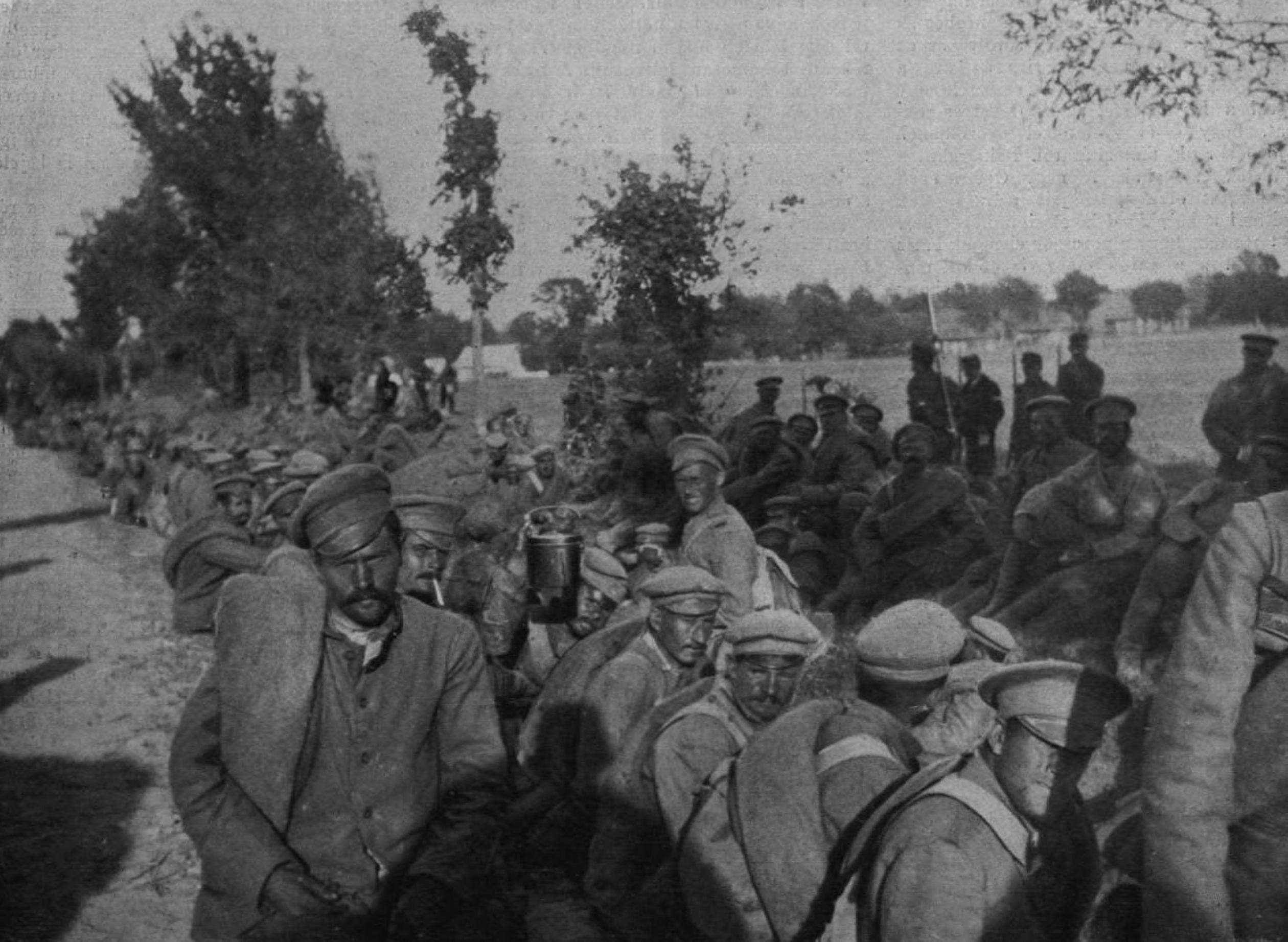
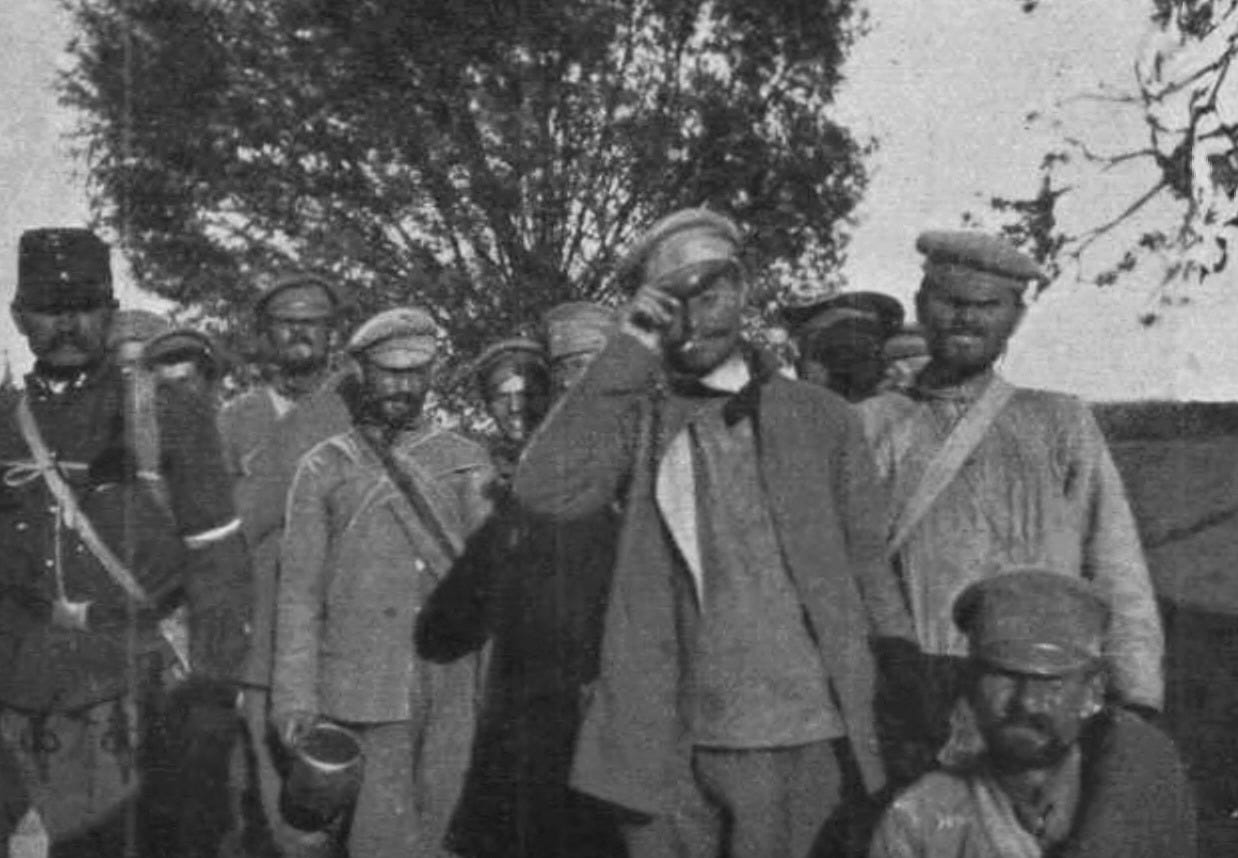
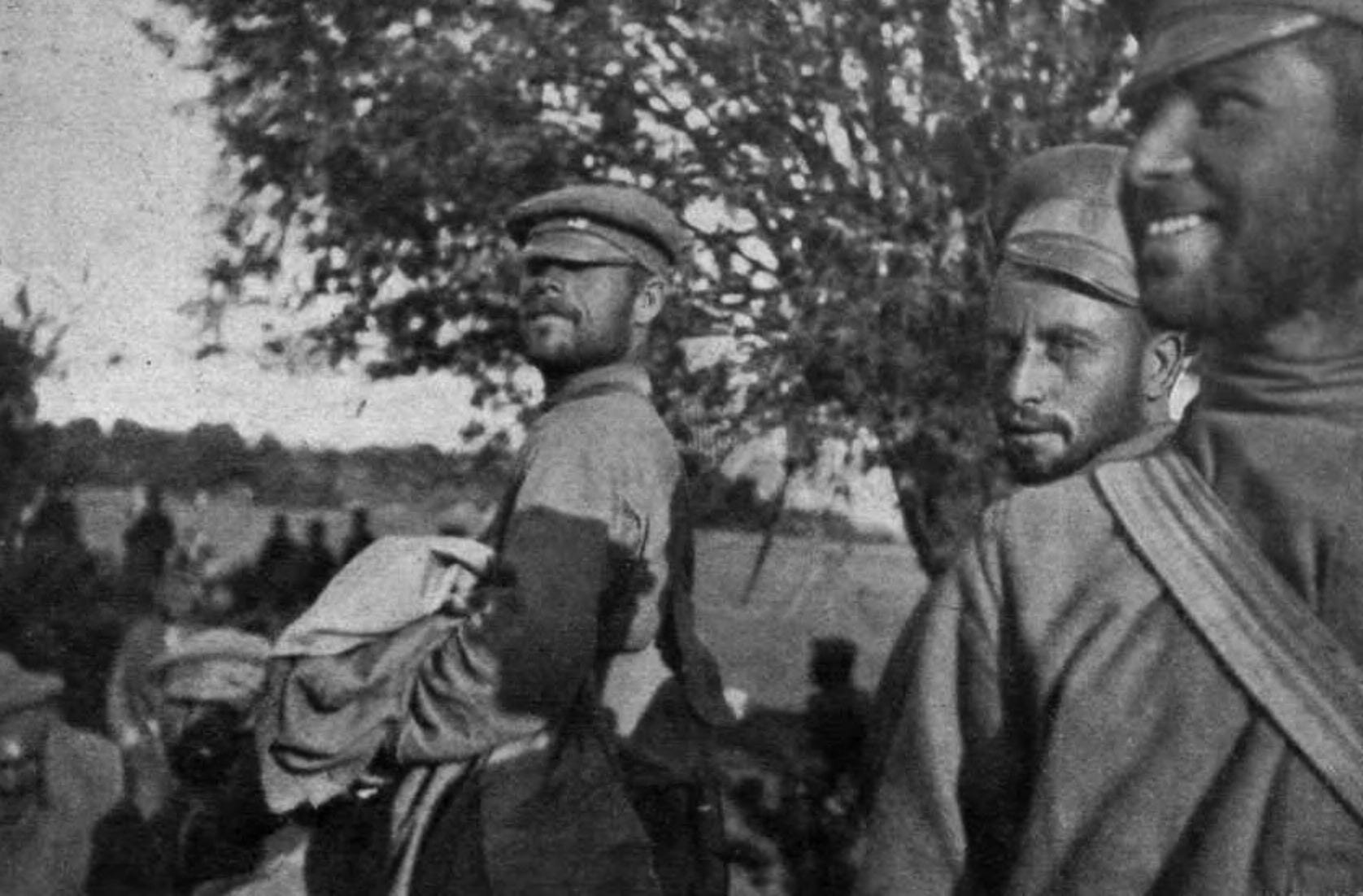
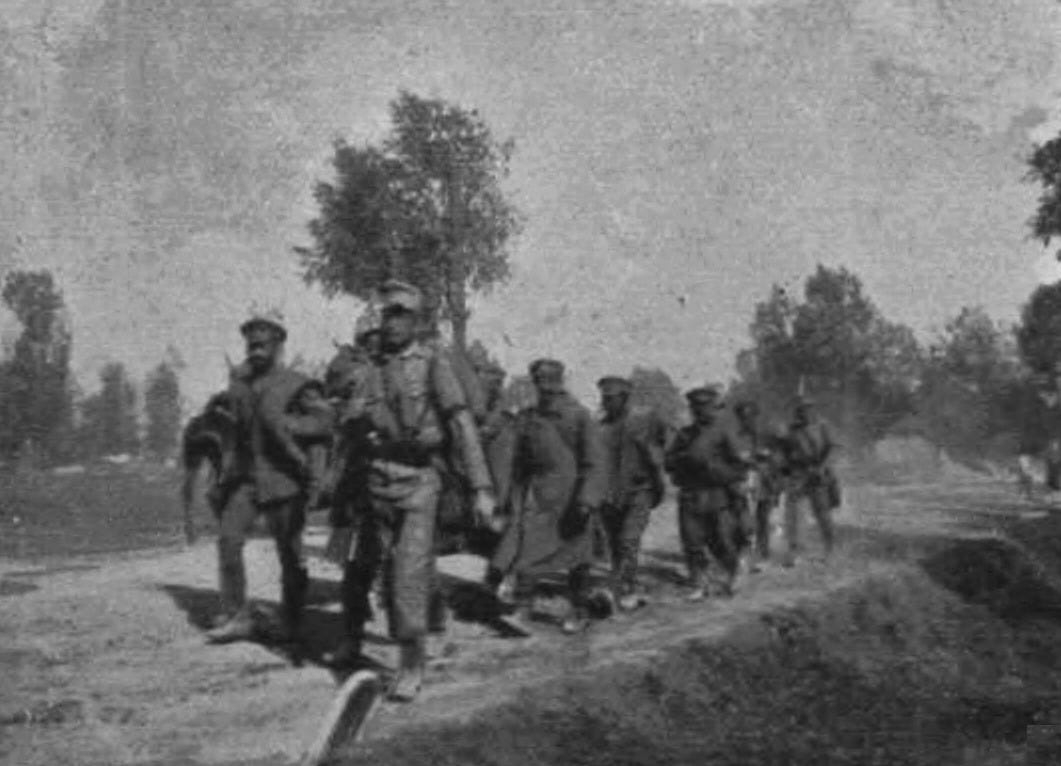
The following are some rare photos printed on an old Hungarian newspaper, taken by photographer Jelfy Gyula. They allegedly show Russian soldiers captured after a night attack on the 9th of September, during the Battle of Grodek:
Sources:
“Trakl-Handbuch Leben – Werk – Wirkung. by Philipp Theisohn”
“Captured!(1930) by Ferdinand Huszti Hovarth”
“Four Weeks in the Trenches: The War Story of a Violinist by Fritz Kreisler”
“Fall of the Double Eagle: The Battle for Galicia and the Demise of Austria- Hungary by John R. Schindler”
No posts
Comments
Nothing yet. Say the first thing.
Sign in to join the conversation.