
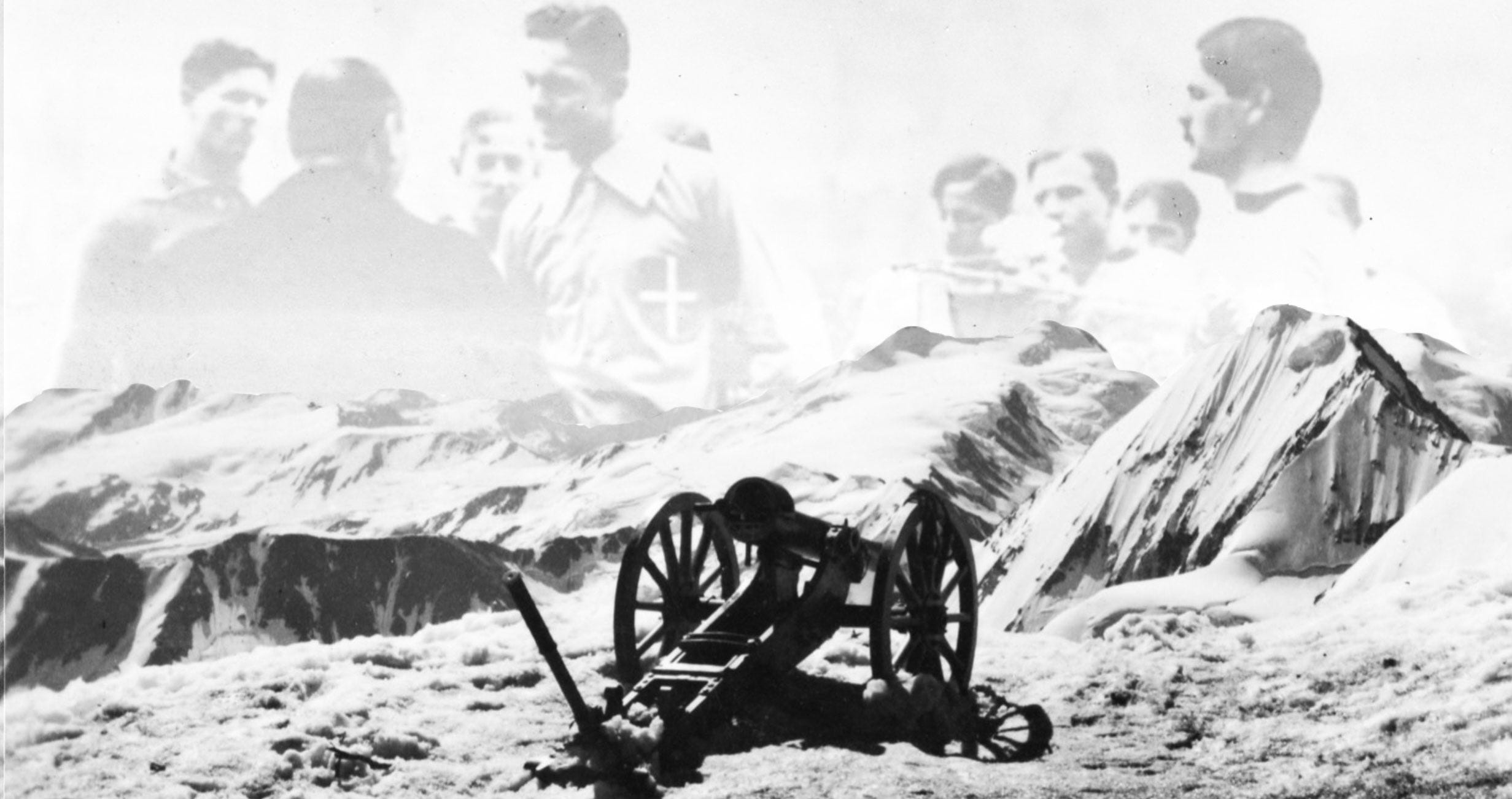
We are close to the start of the FIFA World Cup, the biggest sporting event in the world, attracting an even larger audience than the Summer Olympics. This year, it will take place across the whole of North America, and 48 teams will be competing for their place in football’s legacy once again. But here, I would like to trace the origins of this legacy, before we dive into the core of the article.
Pre-WWI football was generally played at an amateur to semi-professional level, aside from England. Most European national squads outside the UK began to emerge in the early 1900s, back then the matches consisted mainly of single or home-away friendlies, and tournaments were reserved for club level football. In 1908, the Olympic games started featuring national teams, expanding further at the 1912 edition and turning into the main hosts of international football competition at the time, although strictly professional players were not yet allowed.
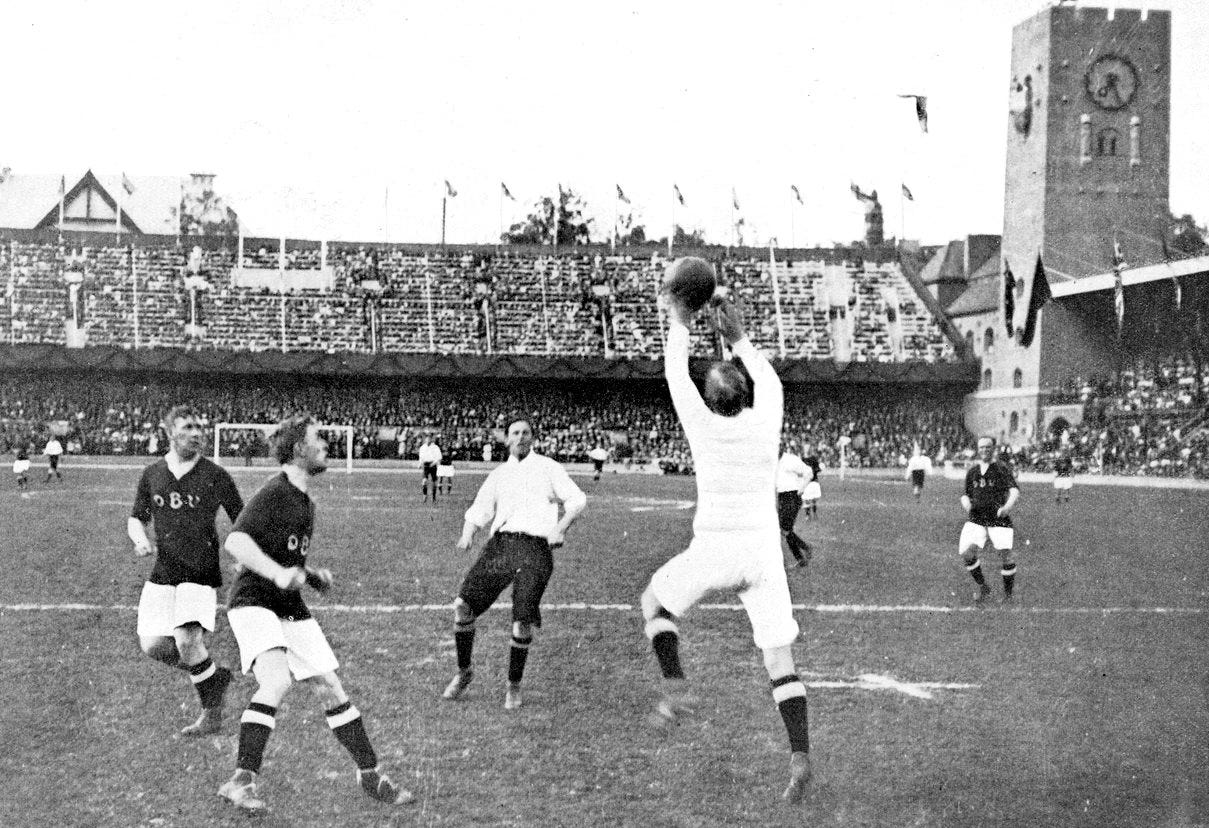
By 1914, the main European squads had already been formed. France, Italy, Germany, Austria and Hungary had their own separate squads. In fact, even Bohemia-Moravia(Czechia) had been FIFA recognized for a short period before giving in due to pressure from the Habsburg Empire. On the other hand, Finland, still under the Tsar’s rule, had its squad defeat Russia at the 1912 Olympics.
I won’t dwell further on the early history of football, as I have given the context needed for the story of two men.
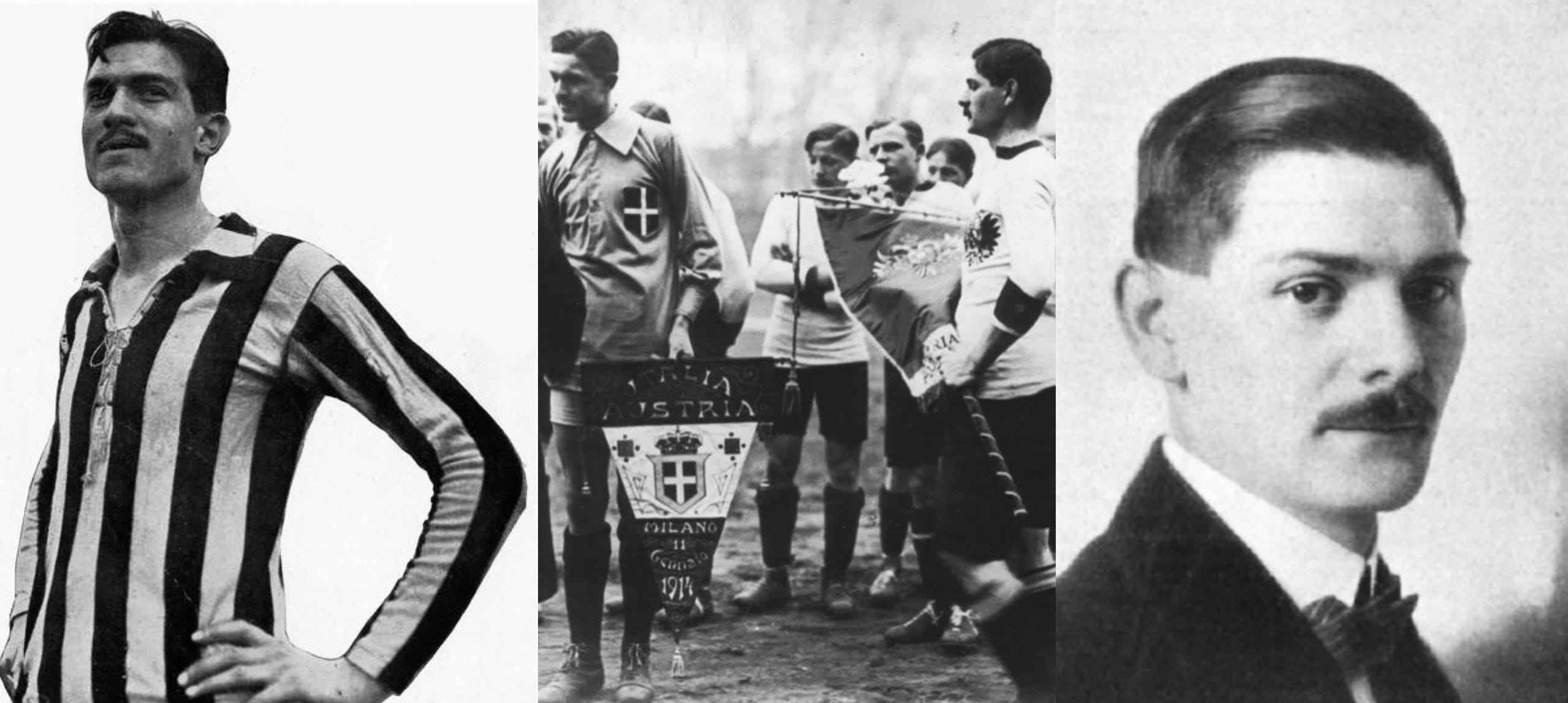
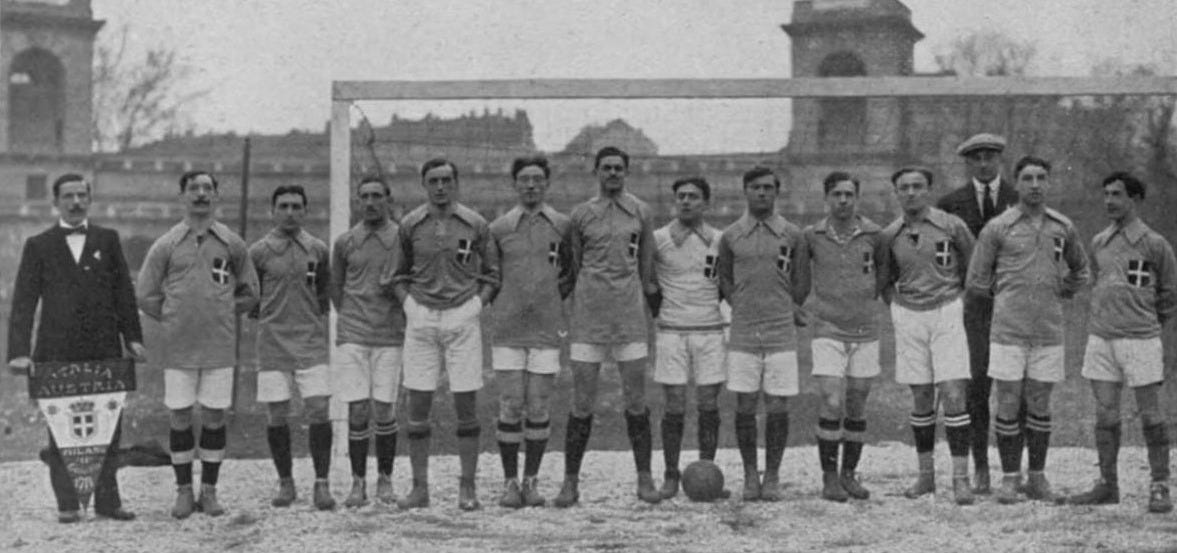
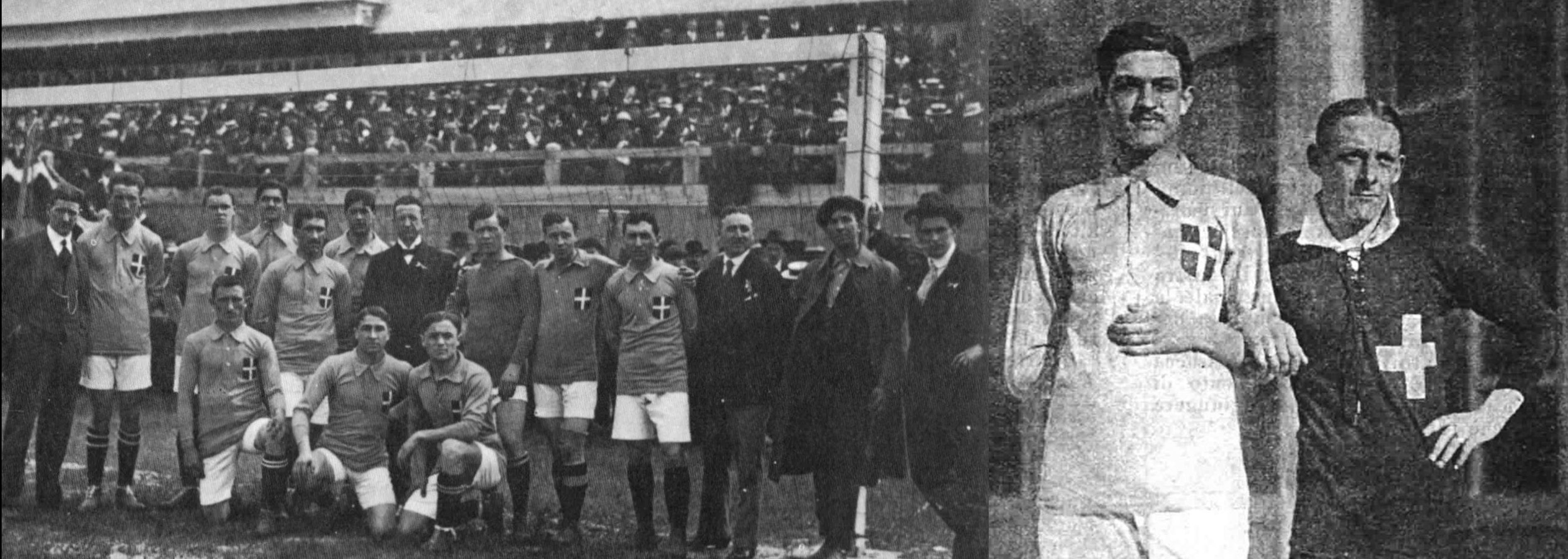
In the photo, taken on January 11th, 1914, just before the whistle was blown, Italian captain Virgilio Fossati and Austrian captain Robert Merz can be seen about to exchange pennants. The game was played on a cold day at the Arena Civica in Milan, with over 10,000 spectators attending. The up-and-coming Italian team managed to hold out a 0–0 draw against a supposedly stronger Austrian side, having lost to them the year before in Vienna. Little did they know that the next time the two nations would face each other would be on a rocky battlefield.
Robert Merz was born in Prague in 1887 and started his football career in 1902, mainly playing as a striker for Wiener Sport-Club and DFC Prag. In 1908, he was called up to play his first match for the Austrian National Team. Later, he participated in the 1912 Summer Olympics, where he scored two goals during the competition. But the team fell short of expectations as they did not reach the semi-finals, moving to a secondary competition called the Consolation Cup, where they lost 3–0 to Hungary in the final.
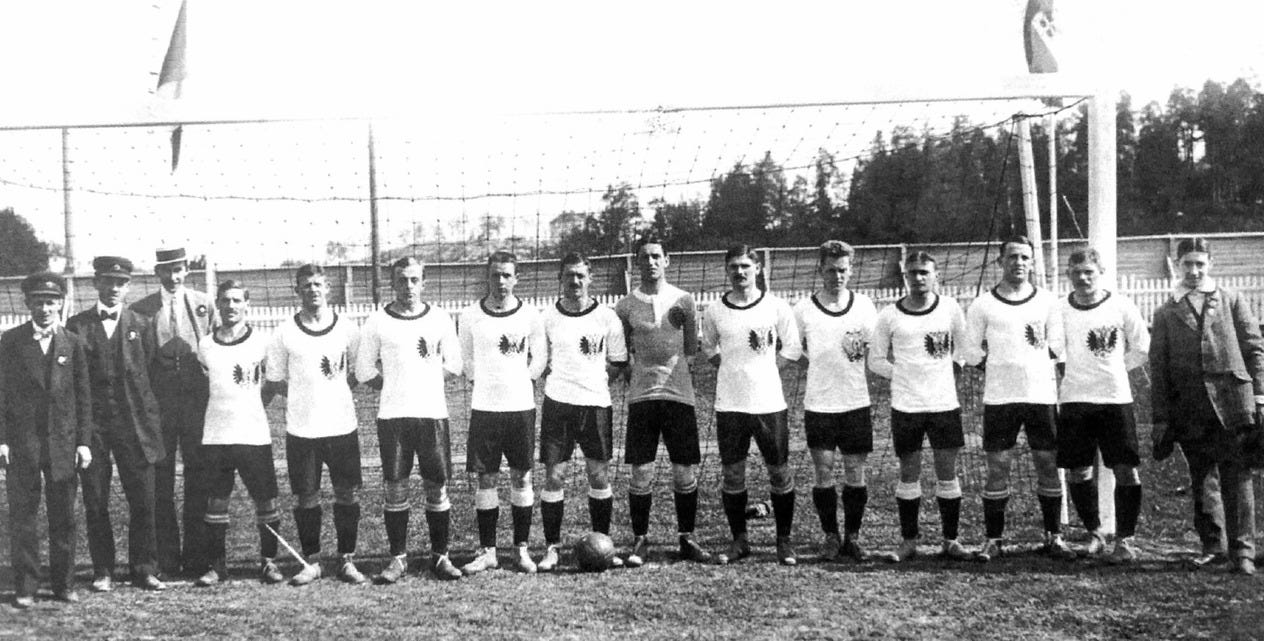
Robert Merz had 13 appearances for the Austrian National Team. Establishing himself as a captain by 1914, leading Austria to a 2–0 revenge victory against Hungary on the 3rd of May 1914, his last match.
When the war broke out, Merz was called up to serve as a lieutenant, as he was part of the reserve forces, being assigned to the 28th Infantry Regiment, a unit composed mainly of soldiers of Czech origin. This same regiment would later cease to exist due to massive casualties and desertions during the Easter Battle of the Carpathians in 1915. Curiously, the regiment had originally been named after Victor Emmanuel III, the King of Italy.
Merz was sent straight to the Eastern Front’s opening battle for Galicia, which turned out to be a disaster for the Austro-Hungarian Army. He was killed during a clash near the village of Poturzyn on the 30th of August 1914, allegedly being shot in the chest and buried on the battlefield by his comrades at the age of 26. His brother, Rudolf, who was also a football player and followed him through the clubs, spent most of the war in Russian captivity.
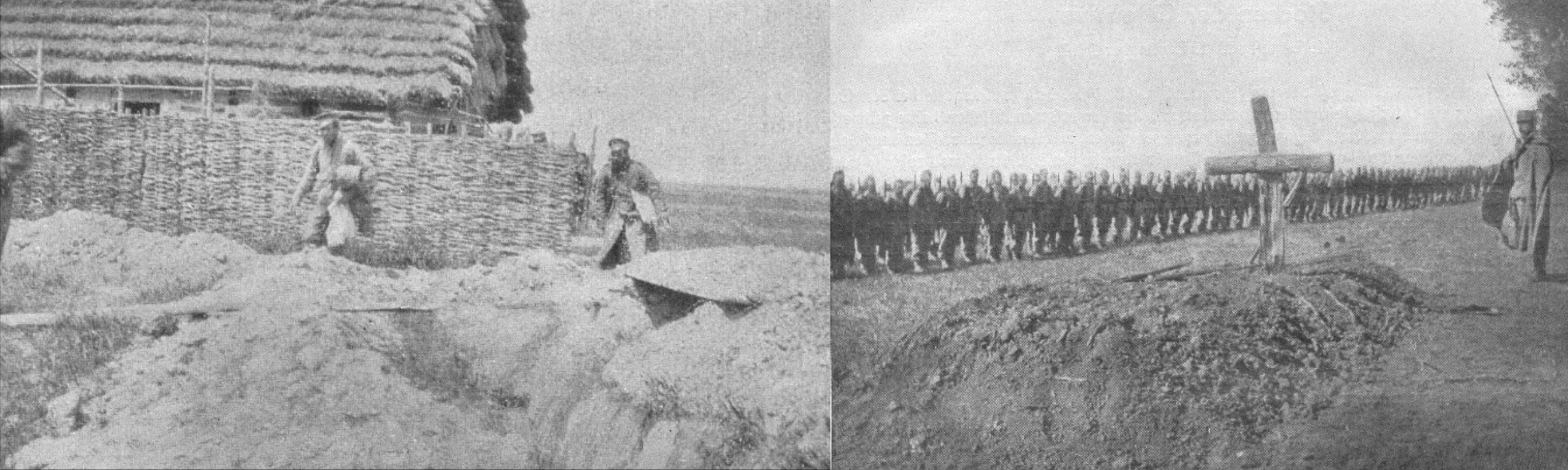
Virgilio Fossati was born in 1891 in Milan. He started playing in friendlies and was called up to the junior squad of Milan FC as a defensive midfielder, being a man of tall stature. Due to internal problems, he left and in 1909 joined the recently formed local club “Internazionale,” founded by a group of former AC Milan staff and players. There Fossati was not only a midfielder for Inter, but also soon became the coach at only 19 years of age. The squad won their first Italian national championship during the 1909–10 season, only their second season of participation.
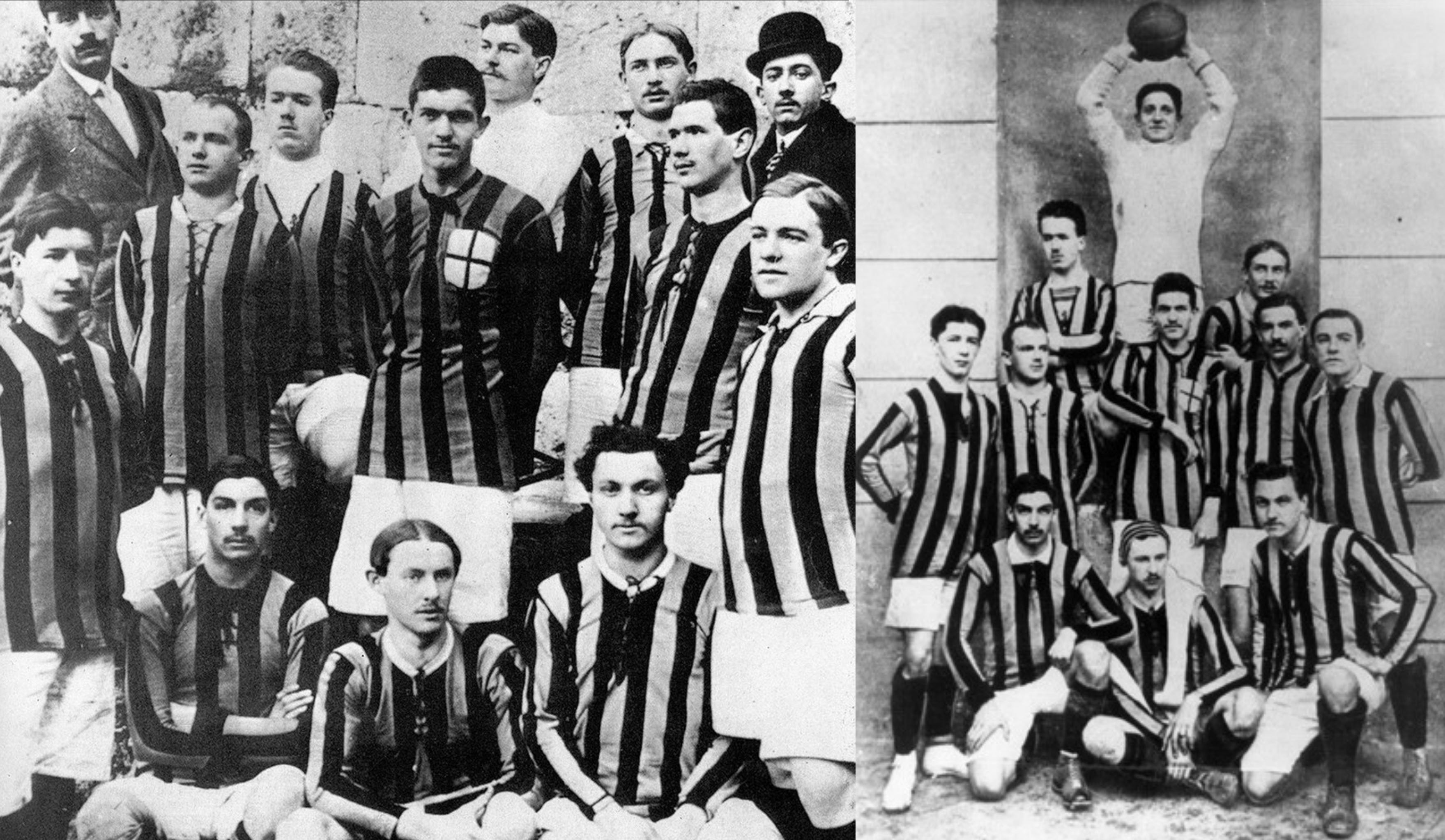
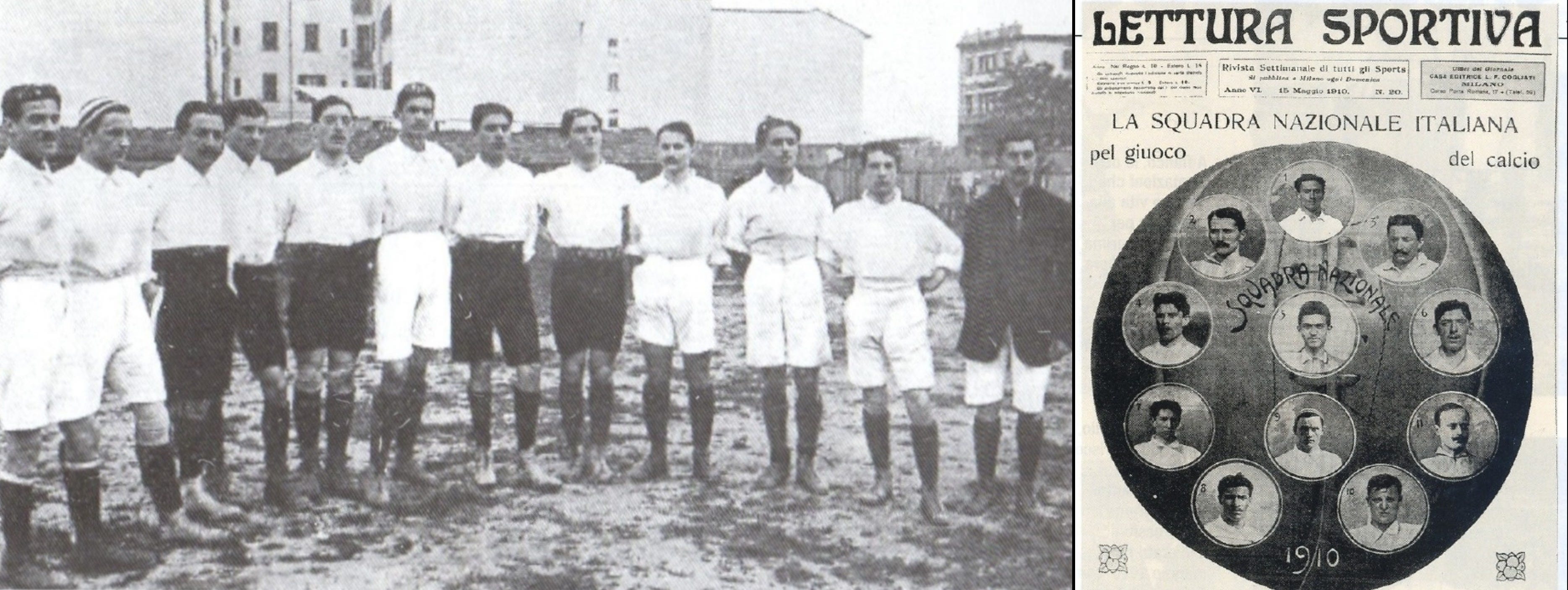
With an early career success, Fossati made it to the Italian National Team for its official debut against France in May 1910, winning 6–2 and having scored once.
Fossati wasn’t selected to participate in the 1912 Olympics, and Inter, although competitive, didn’t manage to win more titles. Still, in 1914 he earned himself the national squad captain’s armband, participating in a sequence of five unbeaten games since their 0–0 draw against Austria, and closing it with a 3–1 victory against Switzerland in early 1915 before official football matches were canceled due to Italy's entry into the war.
Fossati left his post as captain of Italy and Inter to become a second lieutenant in the 8th Infantry Regiment, stationed in the rearguard mountain passes near Brescia. One source claims he would organize football matches between soldiers, where he would referee or comment on them. He got closer to the frontline as the war progressed, allegedly having reached his destined rank of captain by the time he was transported to Monfalcone, at the southern coastal edge of the front, in preparation for the Sixth Battle of the Isonzo.
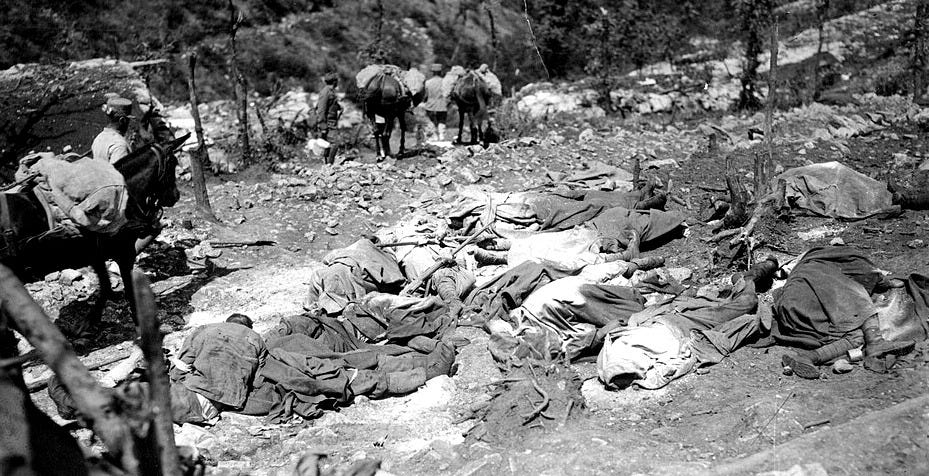
On the 29th of June 1916 Fossati volunteered for the risky task of going over the top and patrolling near the enemy lines, either to recover the wounded in no man's land or to locate breaches in the enemy's defenses, depending on the source. Unfortunately, he did not return from the mission and was declared dead, with his body never being recovered. He was posthumously awarded the Silver Medal of Military Valor.
Sources:
“The Extinguished Flame, Olympians Killed in the Great War - Nigel McCrery;”
“Virgilio fossati, dal pallone alla baionetta by Sportfoglio.”
“The Rec.Sport.Soccer Statistics Foundation;”
No posts
Comments
Nothing yet. Say the first thing.
Sign in to join the conversation.