
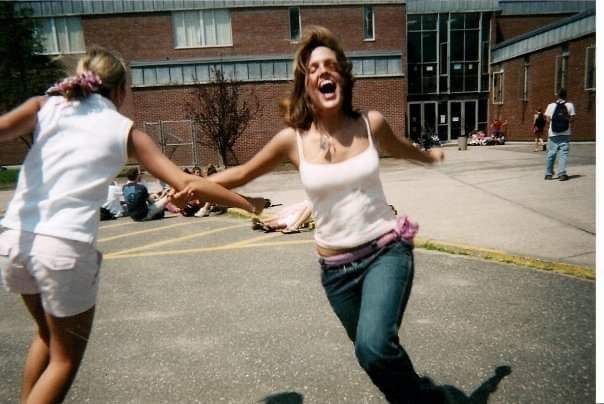
When I told my dad I was getting married after six months of dating, he told me he wasn’t coming to the wedding and stopped talking to me for three months. He eventually came around. Came to the wedding. I remember him leaning over to me on the dance floor with tears in his eyes and saying, “This is the best wedding I’ve ever been to.”
Imagine his shock when I told him I was getting divorced. Or that I was moving to Mexico. By myself.
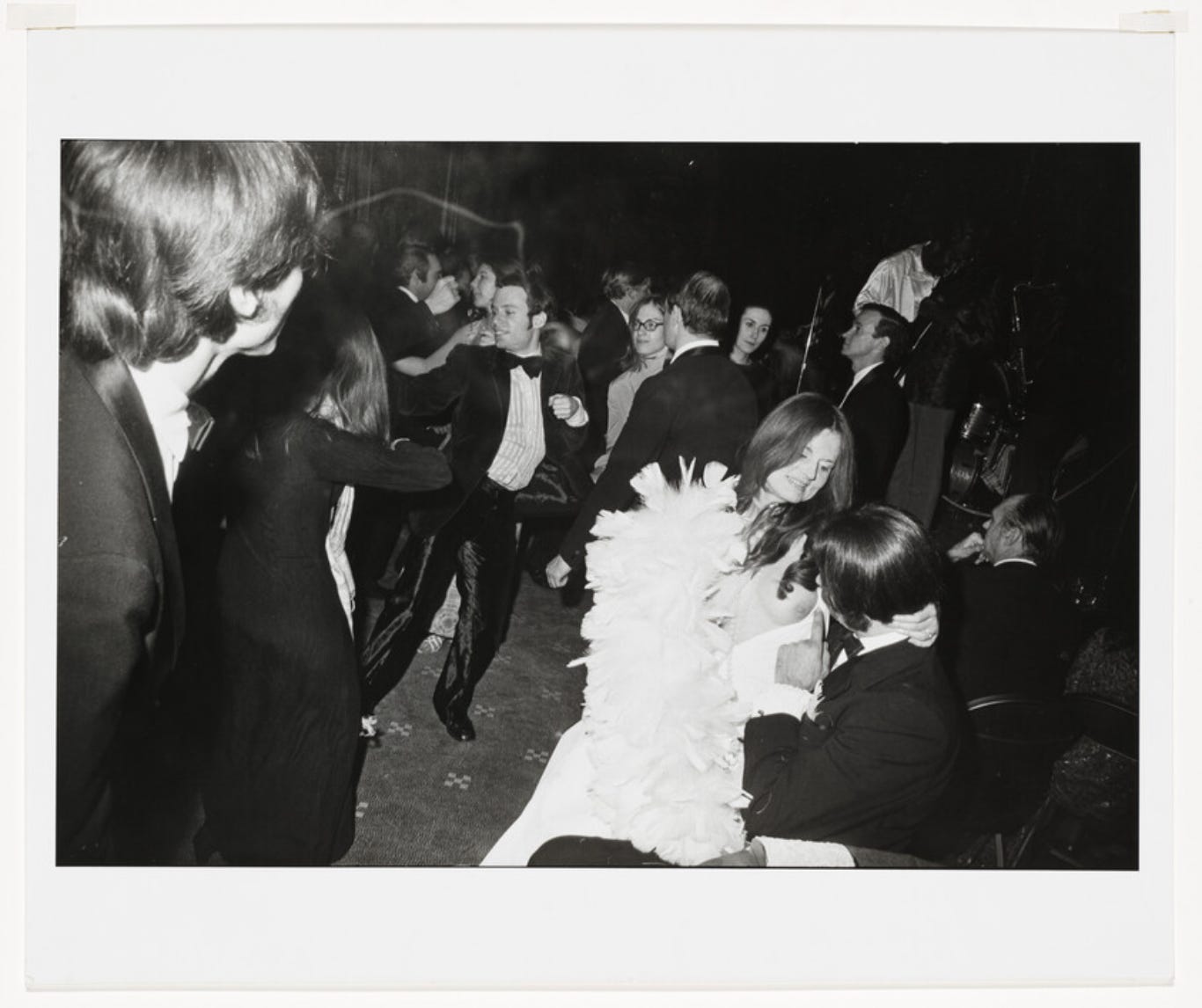
I turn 40 tomorrow. I’ve been giving myself permission to do things that people in my life didn’t understand since I was a girl. I always danced to the beat of my own drum. Grew up in Simsbury, Connecticut, feeling different, wanting a bigger, more expansive life. I knew there was more out there, and I was determined to find it. I moved to Oregon when I was 18. All the way across the country, the first person in my high school to go to the University of Oregon. Most of the people from Simsbury didn’t even pronounce Oregon correctly.
That’s not rebellion. It’s something else. Something closer to survival. I’ve always felt like I needed to be true to myself or there was no real point of anything. That feeling is what has driven every major decision I’ve made. Because denying myself of what I need would be stifling. And a stifled life isn’t a life I’m willing to live.
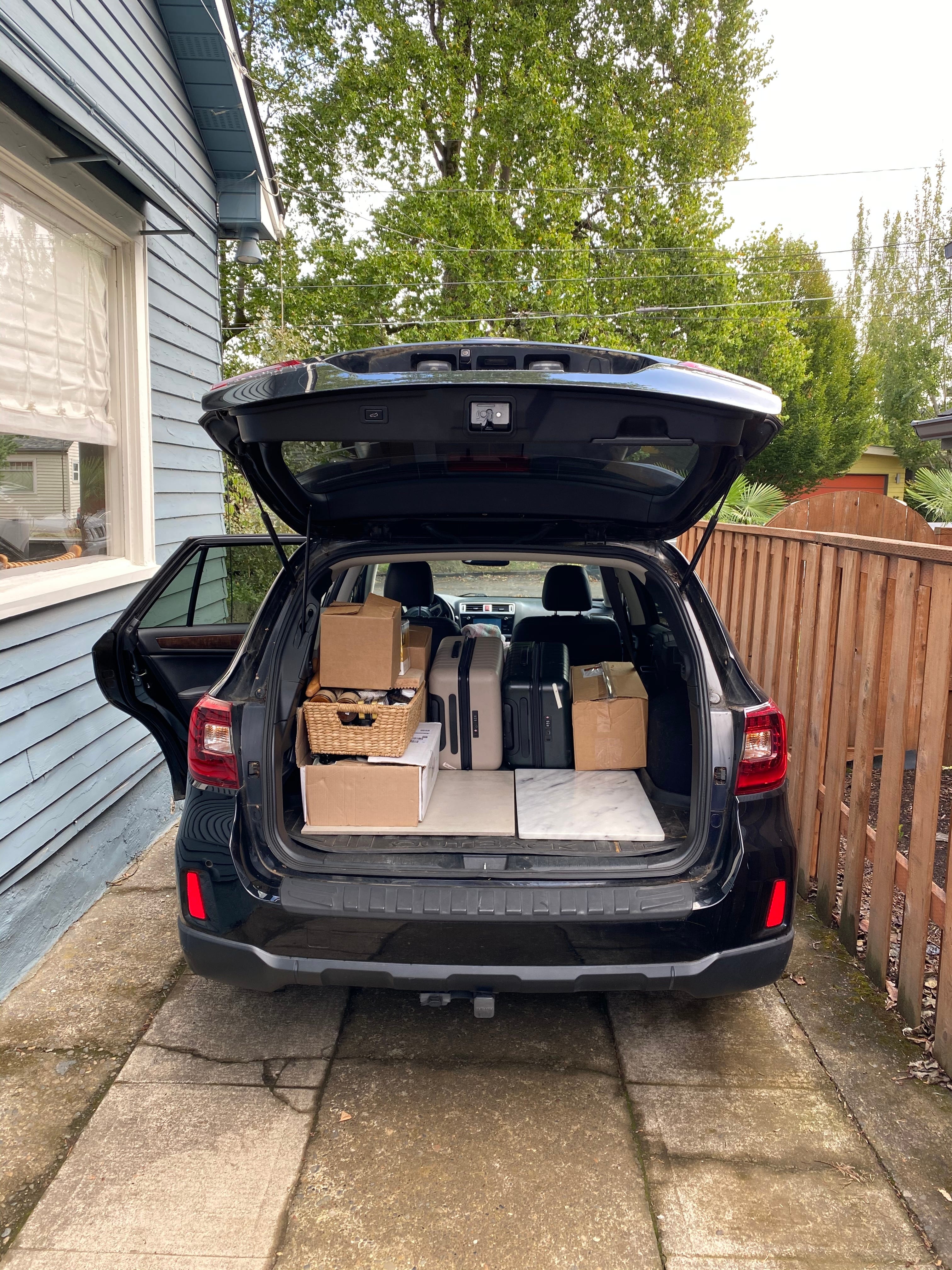
I think there’s a version of this essay where I list the permissions like trophies. Left the marriage. Moved to Mexico. Had a baby across cultures. Built a life that makes no sense on paper. And those things are true, and I’m proud of them. But I don’t think permission is really about the big dramatic leaps. I think it’s about the daily, quiet practice of choosing yourself when it would be easier not to.
At one-day-shy-of 40, the permissions that matter most to me are small. Not investing my time in relationships that don’t feel reciprocated. Protecting my peace in that way without explaining myself. Not responding to every text message or email right away, or sometimes at all. These aren’t things I could have done at 25. At 25, I didn't want to be disliked. I would have answered every message within the hour. I would have bent myself into whatever shape the situation required. Permission, at that age, was something I thought I needed to receive from other people before I could act.
Now I know that permission is not something you receive. It’s something you stop waiting for.
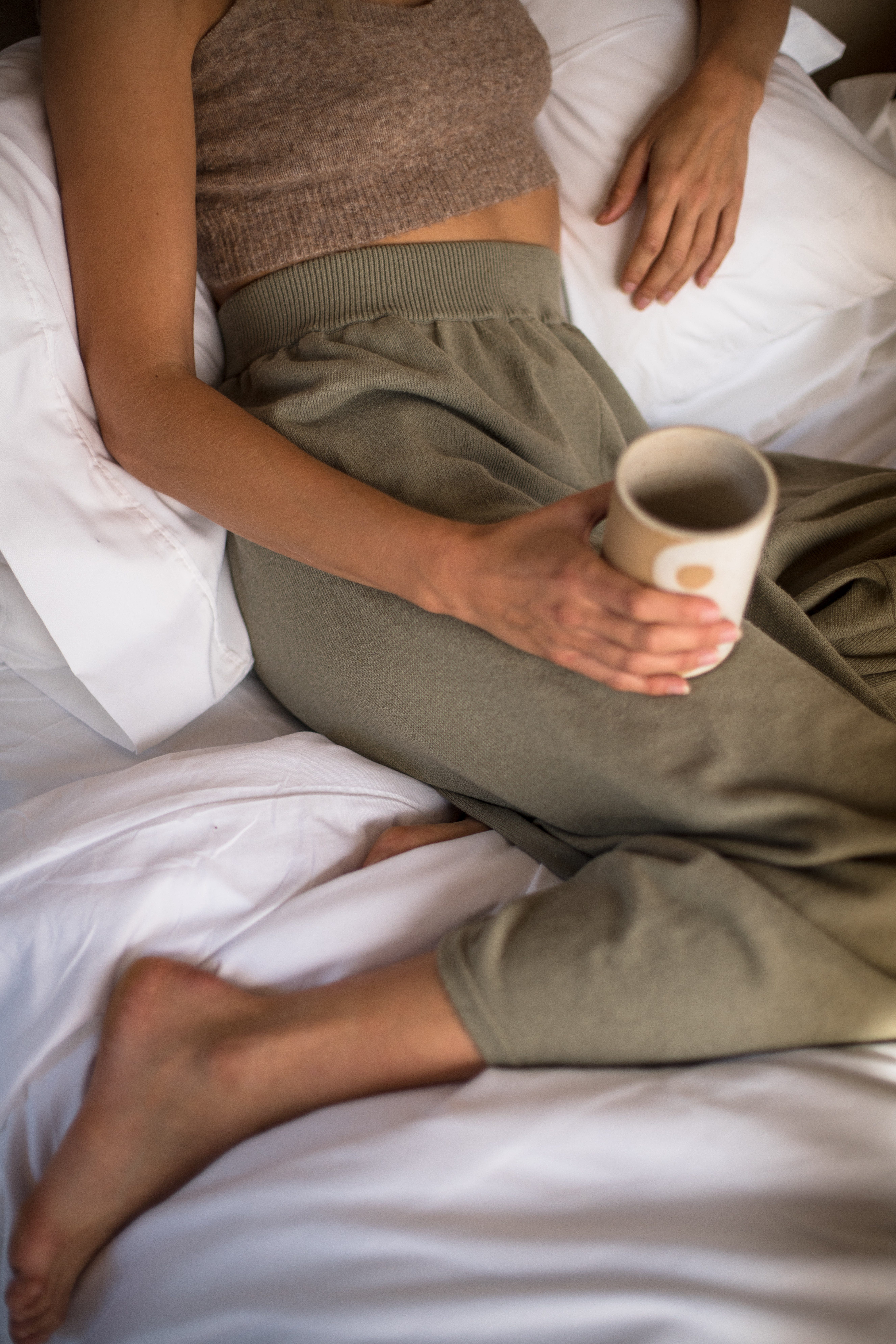
I spent years in the wellness world, which is built almost entirely on a subtle system of permission and restriction. What you’re allowed to eat. How you’re supposed to move your body. What products are clean and therefore acceptable. What practices will make you well and therefore worthy. I wrote about my shift away from that world, and one of the things I said was that the obsessiveness with which I was pursuing wellness was ultimately what made me unwell. The constant scrutinizing. The paranoia about every ingredient on every label. The feeling that I was never doing enough.
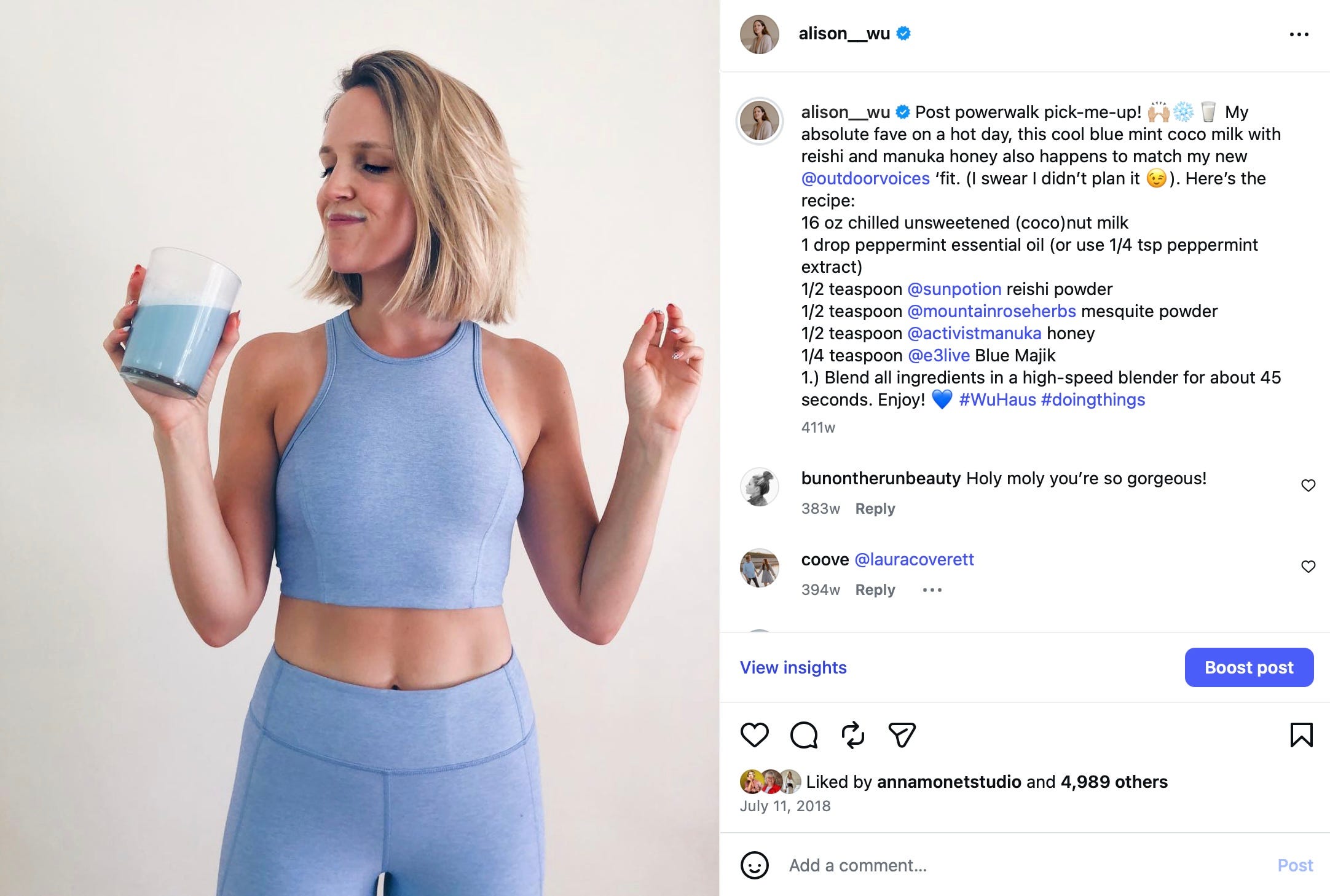
What I understand now, at the edge of 40, is that the wellness world’s deepest trick is making restriction feel like permission. Giving yourself “permission” to eat clean. “Permission” to prioritize self-care. “Permission” to say no, but only to the things the culture has already decided aren’t serving you. That’s not real permission. That’s just a more palatable cage.
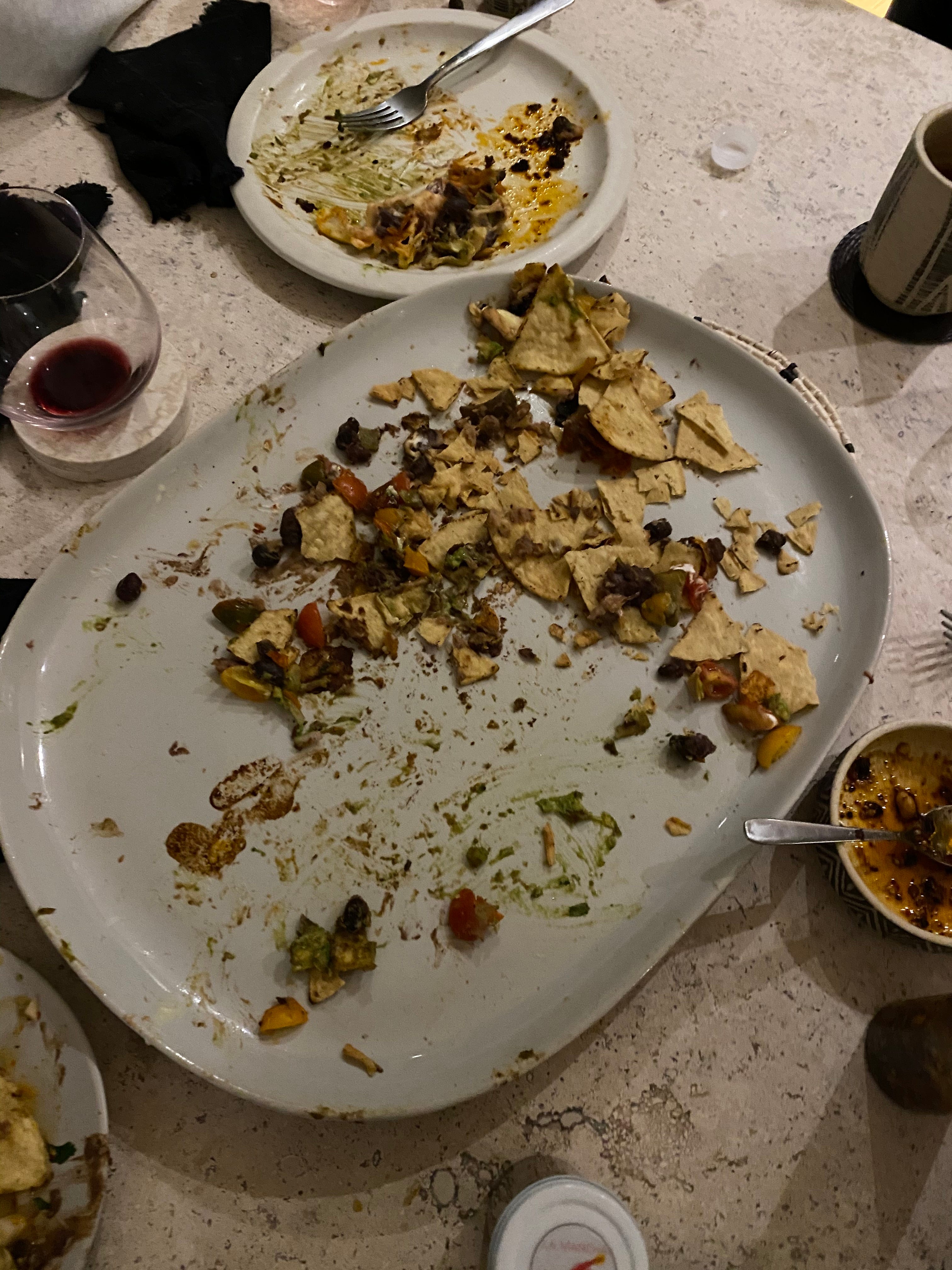
Real permission is messier. It’s eating the thing. Skipping the workout. Not having a morning routine for a while because your baby wakes up screaming at 5am, and the only practice available to you is survival. Real permission is letting the mess exist and not apologizing for it.
The permission I’m still working on is rest. I’m a doer. I wake up with a full tank of energy, and I’m ready to go, every single day. It’s hard for me to slow down, to take pause, to accept that the slowing down is actually what allows me to keep going, to keep creating. I know this intellectually. I believe it. I tell other people to rest. And then I open my laptop at 8pm after Tedros goes to sleep and work for two more hours.
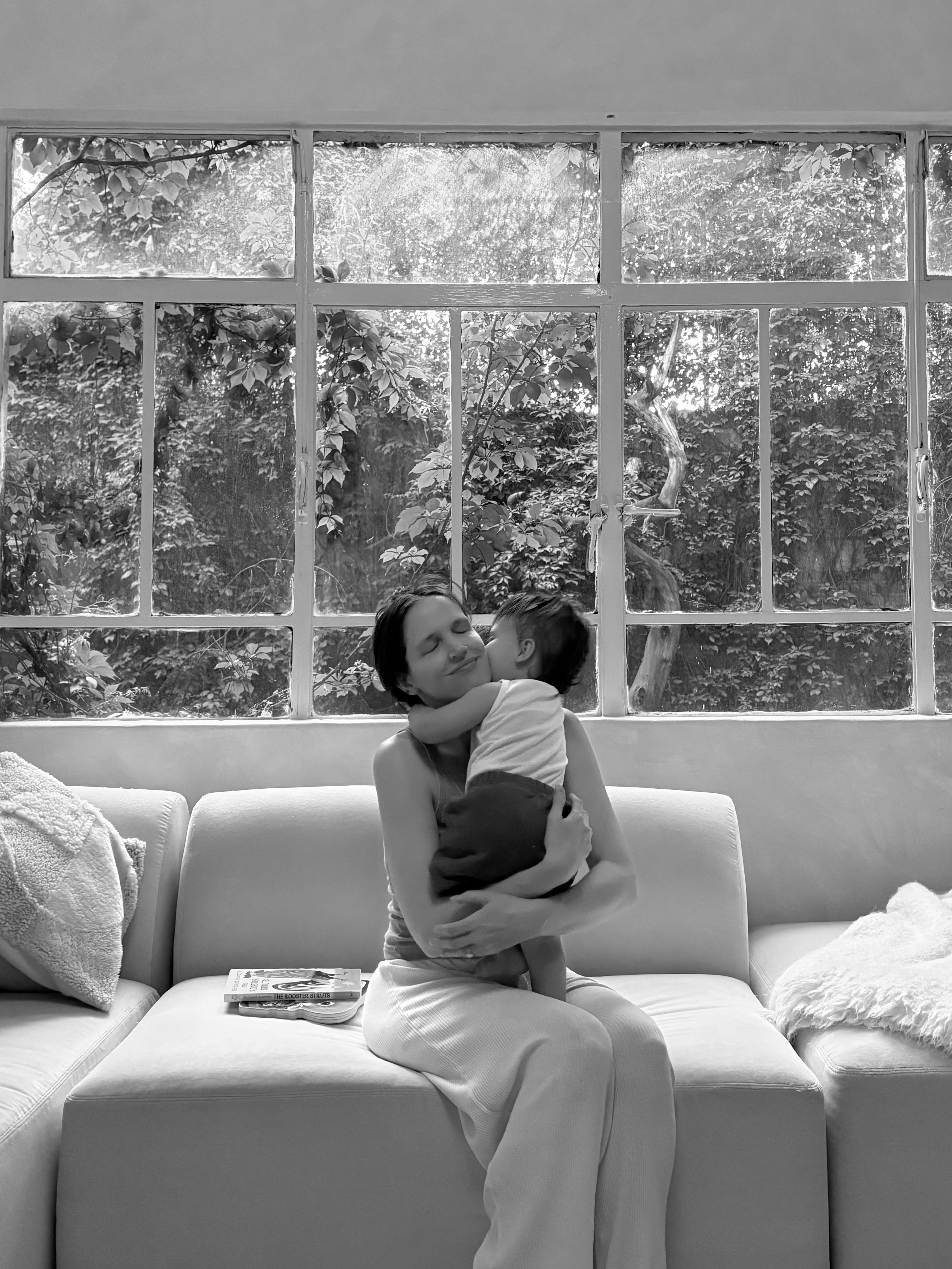
Motherhood has cracked this open, slowly. Becoming a mother is the most beautiful and exhausting thing I’ve ever done, and it has forced me to learn to go slow. To not care about the mess. To take time for me. To say to Asse, clearly and without guilt: I need this. That kind of permission, the kind you verbalize out loud to another person, is still hard for me. But I’m practicing.
I’ve always rejected the idea that there is one best way to do anything. The best way varies from person to person. Our journey is the exploration of finding what works for us and giving ourselves permission to do it, even when popular culture or popular thought tells us we should be doing something else. I shared that message throughout my years in wellness, and I still believe it now. But I think at 40 I’m finally living it, not just sharing it.
The permission I want to model for Tedros is the simplest one and the hardest: that he is allowed to be exactly who he is. That he doesn’t need anyone’s approval to follow what feels true. That his mother moved across a country at 18 and across a border at 34 and blew up her life more than once because she refused to stay in a shape that didn’t fit. And that every single time, the ground held.
That’s what permission feels like, when I’m honest about it. Not relief, not fear. Exhilaration. The feeling of being connected to my center, to my intuition, to the part of me that has always known what I needed before I had the courage to take it.
I’m turning 40 tomorrow. I didn’t ask anyone if that was okay.
Prompts for your own still life:
1. What have you given yourself permission to do that no one else endorsed? What happened when you did it?
2. What permission are you still waiting for and from whom? What would change if you stopped waiting?
3. Name something you used to do because you thought you should. When did you stop? How did it feel?
4. What does permission feel like in your body? Where do you feel it, and where do you feel its absence?
5. What permission do you want to model for the people watching your life?
Still Life is a monthly series on Wu Haus — words, images, and questions for paying attention. If this resonated, I’d love to hear your responses to the prompts in the comments.
No posts
Comments
Nothing yet. Say the first thing.
Sign in to join the conversation.