
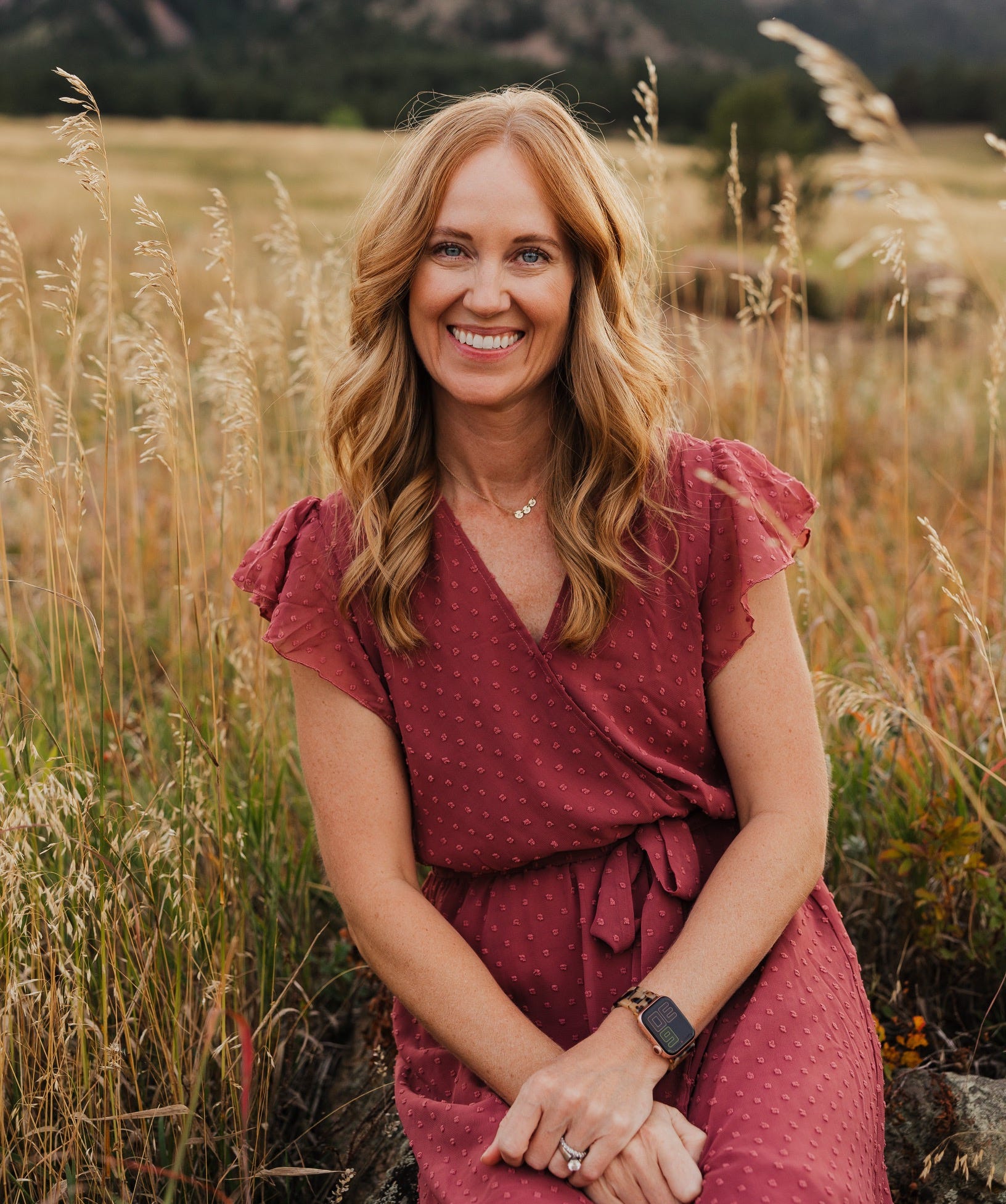
I was really excited to sit down and interview indie author Erin Hawkins this week. We’ve been in one another’s orbit for years, even living in the same neighborhood with our kids in the same schools, yet we never actually met until this interview when we now live on opposite sides of the country, which we both had to marvel at.
But I most looked forward to hearing about Erin’s successful author trajectory because I knew it would inspire so many aspiring novelists, especially those who are looking for a midlife pivot.
Erin didn’t always plan to be an author. She didn’t come from a writing or publishing background. She started writing for fun when she could find pockets of time between raising kids. Yet in just 6 years, she has not only written and published 10 romcom books, but she’s also figured out how to take her writing from fun creative outlet to a financially successful business in its third year of grossing six figures annually.
I knew Erin would have a lot of first-hand experience and insight to share. Lately I’ve been hearing and reading a lot of chatter from writers who are pondering the self-publishing path, and I occasionally see someone tell those writers self-publishing is easy—which always really frustrates me.
Though I haven’t self-published a book, after running a small press I do have personal experience with all the moving pieces of getting a book published. Editorial, production, marketing, and distribution are not easy to figure out especially when you’re starting from scratch. Is it doable? Absolutely. But I hate seeing writers give it a shot and then feel like they’re failing when it, in fact, doesn’t come easy.
Self-publishing can be a fantastic publishing path, but it’s definitely not simple, effortless, or a guaranteed route to income. And if you’re a writer considering this, I want you to understand the realities of self-publishing so you can make the best choice for yourself. That’s why I’m so appreciative to Erin for making time in what is an incredibly busy schedule to share about all she’s learned as she’s successfully navigated self-publishing as well as the realities about how much work she puts in.
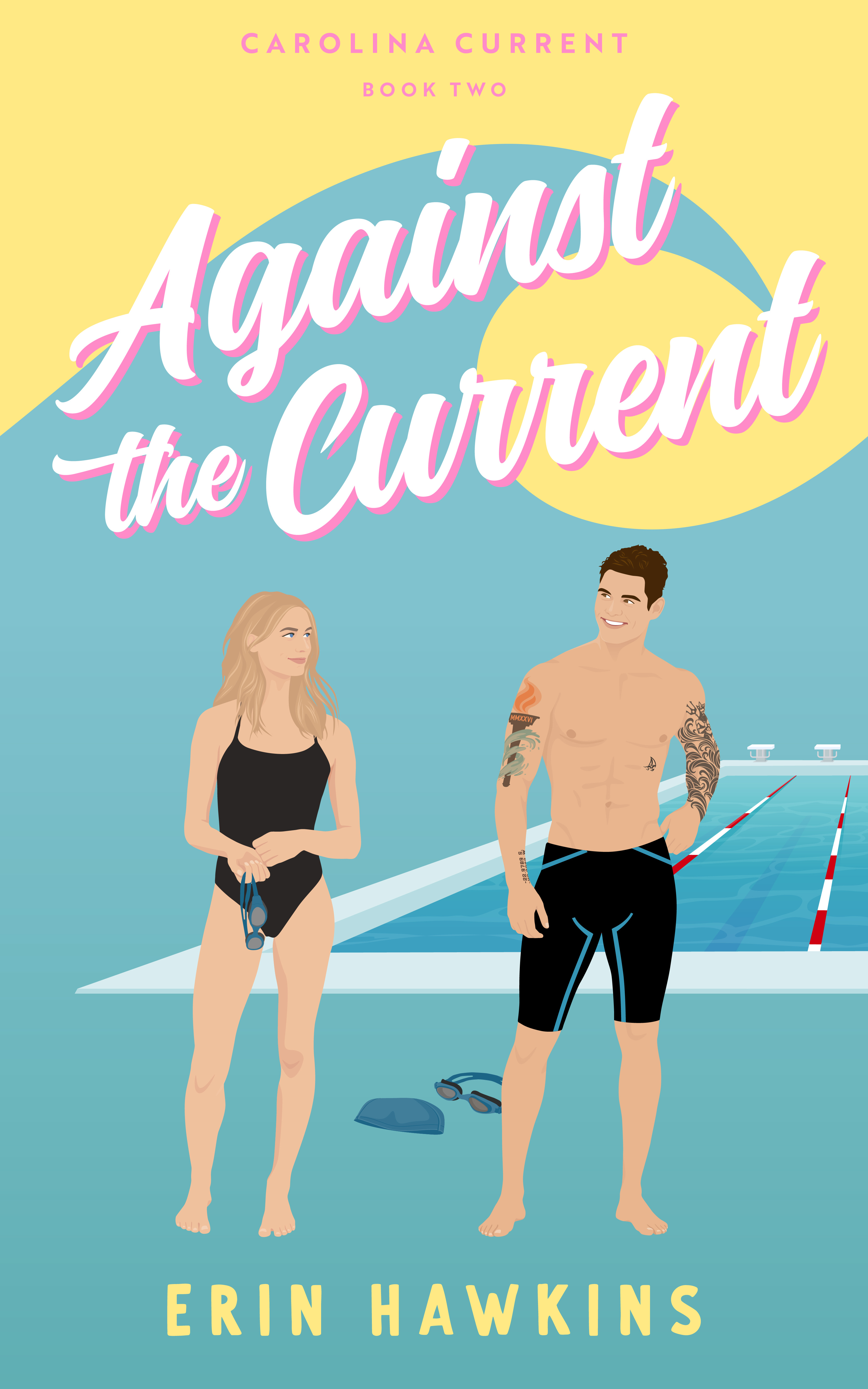
And, after trying to align our schedules for weeks, we were able to plan this conversation just in time for her latest book, Against the Current, to come out today!
The below interview has been edited for length and clarity.
Heather Garbo: How did you get started in your writing career? Did you always know you wanted to write?
Erin Hawkins: As a kid, I was an avid reader and there would be times I’d love a story and characters so much that I would want to write little bits of what these characters are going to do after the book’s over. I wasn’t developing my own characters. I was taking characters I read about and adding more to their story.
Thinking back, when I was younger, and in school I got the message that writing isn’t profitable. So I never really thought it would be something I would ever do as a career. Maybe a hobby.
Once I got married, and we were having our first child, I started reading more. And with reading came ideas. I started getting little bits of stories. It never was fully formed…just sometimes sparks, a little seed of an idea. And so I started writing here and there as the kids were napping over the years.
And then it was probably around 2018, when I really was telling my friends, telling my husband, I need to finish a book. I’ve been talking about this forever and I just want to get to the finish line of one project. So November of 2019 I got 50,000 words of one idea down. And then that carried into starting to edit and just was like, OK, this is going to be my first book.
Did you always intend to self-publish?
Yes, I think because, after getting the book written took so long, I didn’t want to do the next steps to take even more time: to query an agent, if you do get an agent, then how long it takes to pitch the book. All those things.
And at that time I had been following author Alessandra Torre, and she had a program that walks you through all the steps from writing your book to when you’re finished, editing, and even very basic steps of like, how do you get your ISBN?
Finding her and her program was probably my biggest win because it was a step-by-step guided process of how to self-publish. And once I had that, I just wanted my book to be out in the world.
Was it the most perfect book? No, it was not, but I just wanted it to be out there and to say I was published. I don’t recall a moment where I thought, should I query? Should I look for an agent? That just never seemed appealing to me.
What mistakes did you make when you first started? What do you know now that you wish you knew then?
A big one, craft-wise, is I didn’t know what tropes were, even though I was reading romance. My first book…if you were to ask me to list what the tropes are, I think there’s a one-night stand in there, but I just didn’t know what they were and how to incorporate them. Now when I sit down to write a book, I’m like, “what are the tropes?” immediately.
I also like writing out my synopsis blurb first because then you always have that. A lot of people write the book, and then they’re like, I just wrote 100,000 words, and now I can’t sum it up in 200. But writing it first…it’s like a guiding light that this is what this book is about.
I love that you say that. That’s one of the things I have the writers I work with do first—distill your plot to 150ish words. What other skills have you had to learn to become successful as a self-published author?
I’ve had to do more visually creative things. I’ve had to learn Canva. The marketing piece is harder for me or maybe I just don’t enjoy it, so then it feels hard. So Marketing, Canva, all the socials, learning Facebook and Amazon ads, all the ins and outs of Amazon, audio book narration — I don’t do my own audio, but I work with a producer. I format my own books. So yeah, everything, basically from nose to tail.
Initially the learning curve is huge. I remember being frustrated and being like, Oh my gosh, when am I ever going to get to sit down and write again? Because all my time was taken up by getting this thing ready to go out in the world.
Tell me about that, the time, how does it break down for you? How much of your time would you say is devoted to the business side of things as opposed to writing?
I feel like right now it’s more business than I want it to be. I want to be better at writing first, but I also have discovered that I’m a better creative in the afternoon. So from two to four is when I feel like things start to turn on. That is my writing time. I try and write about 2000 words a day. Doesn’t always happen. But that’s what I strive for.
Two thousand words a day is a lot.
That’s the ideal. Sometimes it’s more, a lot of times it’s less. But that’s what I strive for.
I understand you’ve also been handling your own subsidiary deals and translations?
So for audio I do all my own through a production company that helps me with finding narrators and does all the pre- and post-production.
And maybe this goes under “What mistakes did you make?” But when I first started, I thought there was a demand—and maybe there is, and I just haven’t found it—for German translation so I got a German translator to translate my first book in my Unexpectedly in Love series, Reluctantly Yours.
I’d been hearing how hot the German romance market is, and I got it done, and I was like, okay, that was expensive. And now it’s got no traction because I don’t speak German, and I don’t know how to market it. I thought it would be easier to do. And that I could just translate it and the readers would come. And that’s not how that project worked out.
The problem with being an indie and not having an agent is I get a lot of messages for my sub rights from foreign translation markets and different publishing houses in foreign markets. And it’s hard to know if it’s a legitimate thing or not. I know it would probably be a benefit to get an agent to help with that. But the agents I have had conversations with…it just wasn’t the right fit. And so I’d rather do nothing than get in a situation that isn’t the right fit.
Do you have a story planning and drafting process you follow now that’s different from when you started?
Yes, now when I get an idea for a world or a series, I plan out who the characters are, who the couples will be, what the tropes will be, what order, all the things that I possibly can.
I do more of a deep dive initially to avoid any pitfalls that could come my way, and there will still be things that pop up and surprise me along the way.
So I do more upfront planning of the series as a whole. Still every time I sit down to a blank page, I’m, like, oh, gosh, I know I’ve done it nine times before this, but can I do it again?
It’s always going to be not only the story, but where you are personally in your life. Sometimes, with everything going on in the world, that doesn’t feed my creative well, so it can be distracting and stressful.
I’ve learned when I’m stuck like that, I have to step away and refill the well.
So now looking back, what advice would you give to aspiring authors right now, whether they’re considering indie or self-publishing or hybrid?
Well, the number one thing is always to just read as much as you can in the genre that you’re going to write in. And that’s not to say don’t read other things, but if you’re a spicy rom-com author, read other spicy rom-coms—not to mimic those books, but to understand the genre, understand what readers expect you to deliver, because reader expectation is a big, big thing.
So read as much as you can across genres, but mainly in the one you write.
And then, in my experience…networking. Even though maybe you haven’t finished a book, just reaching out to authors that you admire, that you feel like their style is similar to what you enjoy reading, but also want to write.
Make those connections as early as possible. I mean, sometimes you won’t get a response, but a lot of times you do, because authors are just people. You don’t have to be at a certain point in your career to DM someone and say, hey, I like your books, would you ever want to chat with me about your process? Make those connections earlier because a support system is very important. I’ve established one now and have some very good author friends, but for a while there, it was very lonely and I didn’t have anyone.
A lot of times people will respond and be very generous with their time and their resources. I think authors love to talk about how they’ve gotten to where they are because it’s such a different journey for everyone.
I think the only other thing I would share is something that I’m personally dealing with now…that you can have success, but it’s not a constant upward trajectory.
And that’s important because I thought once you get to a point where more people are reading your books, that each release builds on the next one. And that’s not always the case. Maybe that’s not what the market wanted right then, or you were releasing at the same time as all these other books, and it just kind of got swallowed, you know, in the pile. There’s so many variables. So there’s a lot of taking things with a grain of salt. Sometimes it’s just timing, luck, all the other variables.
What can you tell us about your book, Against the Current, debuting Thursday, June 11 (TODAY!)?
Against the Current is the second book in my small coastal North Carolina town pro swimmers series. It takes place in a fictional town of Coral Cove.
Connor is Whitney’s brother’s rival, but after a shakeup in his training life, he arrives in Coral Cove to train. Whitney has just graduated college and is returning to Coral Cove to train as well, so they become teammates. There’s a secret identity component because they met online gaming. She doesn’t know who he is, but he knows who she is. And so he’s keeping that secret from her. She does find out he’s the gamer guy who ghosted her, and while she would like space from him, they discover they’ve been selected as swimming ambassadors for a charity program and have to spend the next ten days on the road together.
I think I counted four tropes there?
So brother’s rival, pro swimmers, small town, hidden identity, forced proximity on the road. See, look at me adding all those tropes. He’s also a tattooed cat daddy
I don’t even know what that one is!
He’s got a lot of tattoos, and has adopted a cat, or really, the cat has adopted him. I think it makes him softer, begrudgingly taking care of an animal even though he’s got a bad boy reputation.
Thanks so much for sharing your experiences and insights, Erin!
Erin Hawkins is the author of steamy romantic comedy novels full of humor and spice. She lives in Colorado with her husband and three children where she enjoys reading, running, spending time in the mountains, binging reality TV, and brunch that lasts all day.
Her 10th book, Against the Current, debuts today and can be purchased at the usual online suspects and wherever books are sold. You can also find Erin on Instagram, TikTok, and GoodReads.
Thanks for reading Write Your Next Chapter! It’s my intent to keep these posts free. Please help me to do so by sharing this.
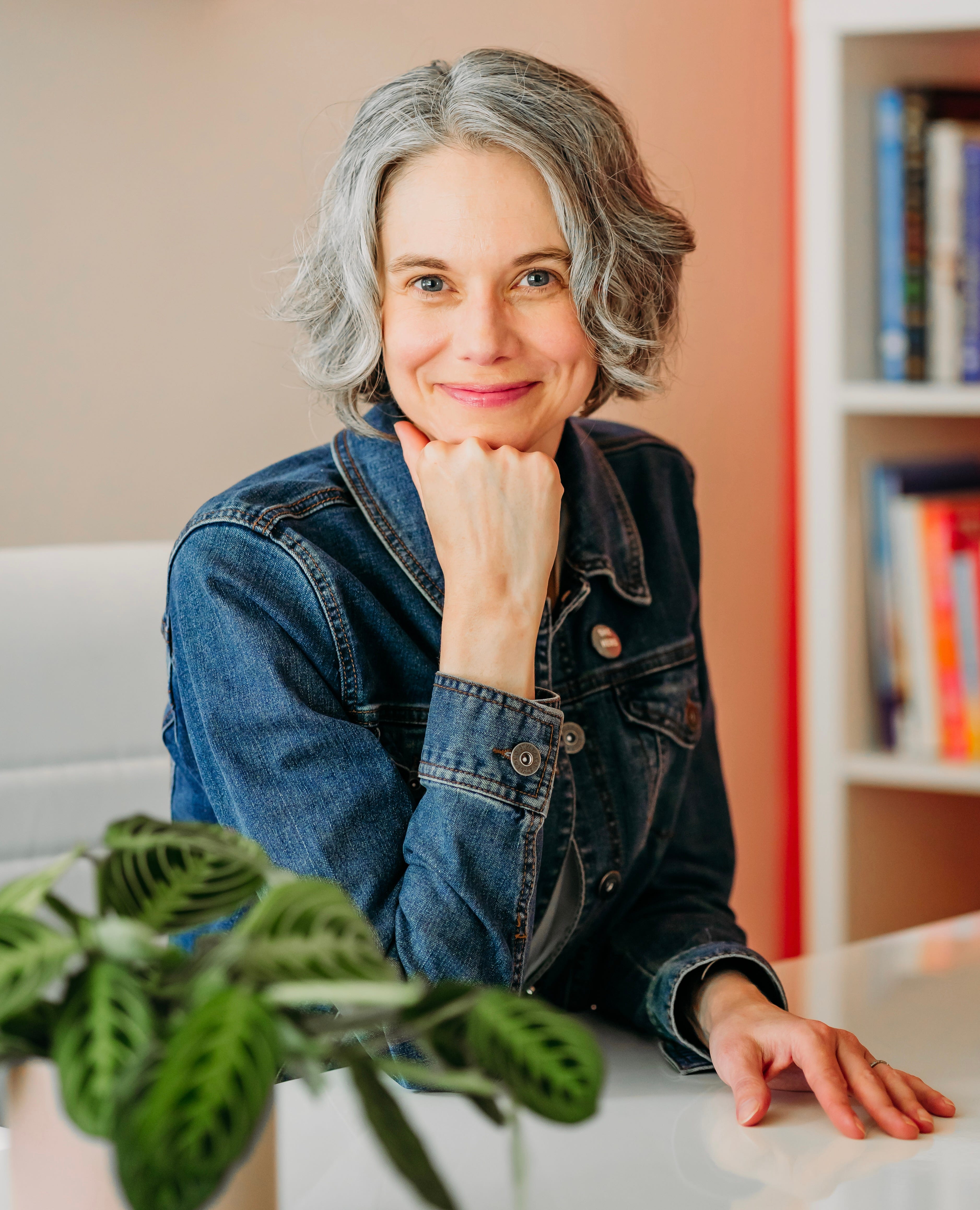
Hi! I’m Heather Garbo…I’m a certified book coach for women’s fiction writers (re)discovering their writing voices in midlife. My story planning, drafting and revision methodology empowers aspiring novelists to transform fledgling ideas and messy manuscripts into engaging stories…because no woman should regret not pursuing her creative dreams nor doubt the value of her voice. Learn how to work with me at www.garbobookcoaching.com.
No posts
Comments
Nothing yet. Say the first thing.
Sign in to join the conversation.