
I was having my weekly therapy session and on the odd occasion, my therapist will say something that shakes me to core. Something that wont leave my mind, something that makes me question my own beliefs. She said that I seemed to view power as abuse. And to be clear, that is not someone abusing their power, but that I view all power as abuse.
This really made my ears prick up. Maybe yours are too. But why? I know logically that not all power is abusive. Sometimes someone needs to take charge. I do the grocery shop every week, I choose the meals for my family and cook them. Yet I am not abusing this power or being abusive for holding this power.
I think that maybe the reason I view power as such, is because I believe that power is control and that control is possession, and possession is ownership, and a lack of choice for whomever is victim to its whims. This type of power has in the past been used against me.
In the book Braiding Sweetgrass (HIGHLY recommend) Robin Wall Kimmerer talks about how the English language claims and possesses. Indigenous languages do not, the wording chosen places others as autonomous and claiming their own power. To not be overpowered.
She states rivers to be verbs rather than a noun as we do in English, So … ‘to be a river’. This positions the river as alive and free with the capacity for interaction and change. Freedom. By recognising a river as a living thing we can understand its needs, separate to it belonging or existing only in the presence of human interaction. To be a river, to act as a river. With this changed perspective, I realise the responsibility that gives me, the human, in terms of my actions and how I treat the river. When I know the river is free I respect it, it does not belong to any one or any thing. It belongs to itself.
I think we can apply this to how we view one another. That each one of us is free, and is there own person. A sense of power rather than a sense of kinship does in some way feel like abuse. Abuse of power or to overpower. To crush another’s autonomy and freedom. That authority, in some manner, can equate to control. But really I think it is also about where this sense of authority comes from. Is it from ego? The need to dominate? Insecurity? OR is the authority coming from a place of care. Like parental care, where there is an obvious need for a power imbalance for safety reasons and from love. It is when the intoxication of control takes over that it becomes dangerous and misguided.
Therefore I say that true love is freedom, it allows one to flourish. Parental love being included (if of course as with any form of control it is not abused). In fact, it encourages it. It is not a prison. When control gets confused with care thats where the problem lies.
Bell Hooks says that love and control are fundamentally incompatible. She states
“The world of domination is always a world of without love”
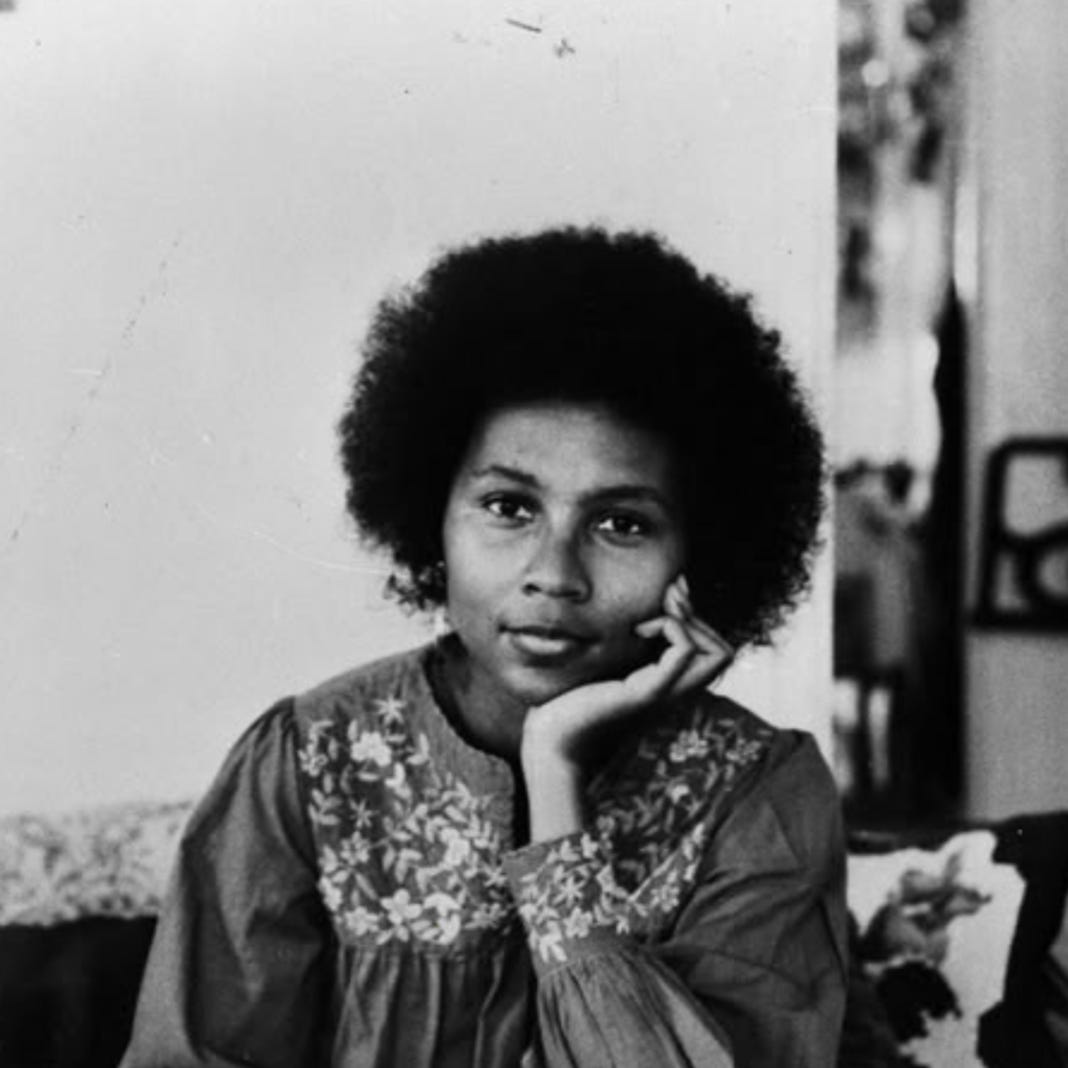
She further argues that patriarchal structures inform the way we understand love and practise it. Patriarchal norms in years gone and still to this day prioritised male dominance and control , negatively impact BOTH the sexes capacity for genuine love. Viewing it as a more transactional act or a submissive act. We FALL in love. We are Swept off our feet. Think Kanye West and his line of female muses. Honestly think of anyone and their muse.
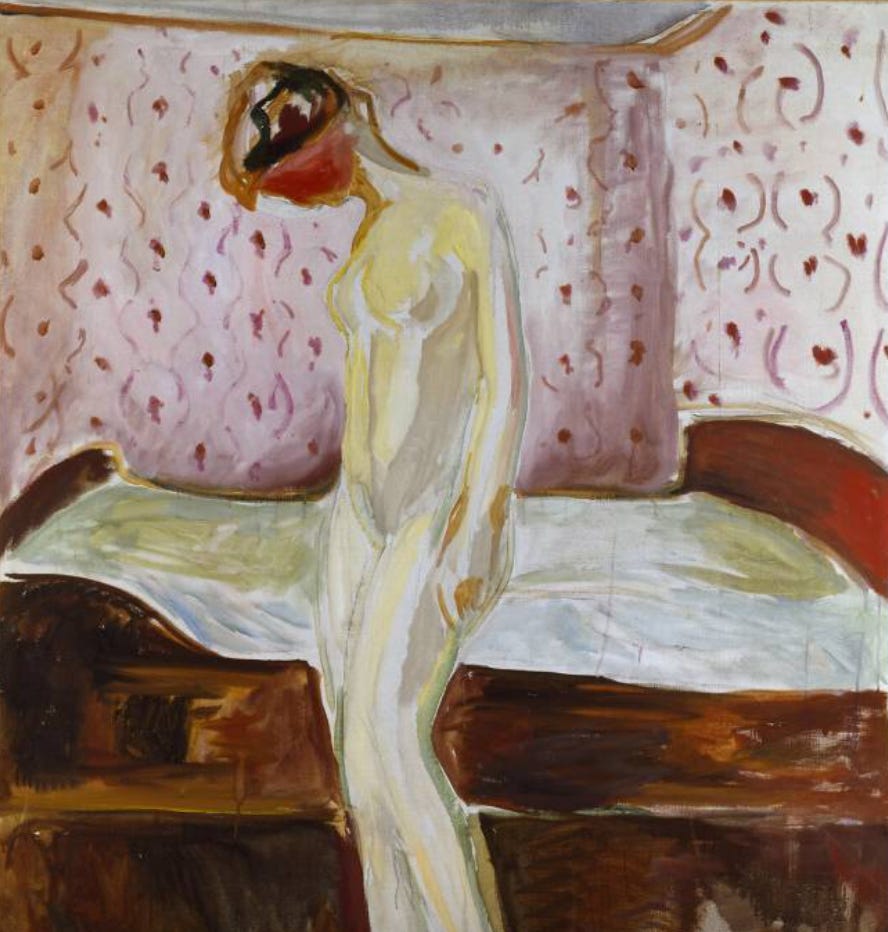
I visited a show at the Royal Academy called ‘The Loneliness of the Soul’. The work on display was Tracy Emin and Edvard Munch. I am not sure if I totally missed the point, but all of the Munch paintings seemed really creepy and predatory to me, dressed in pastel hues and soft washed brush strokes. All of the women in the paintings were crying or in vulnerable states, naked. He appeared to posses them within the strokes of his brush, the outline of the canvas edges. He gave himself the permission to be intimate with these women, when they appeared totally unaware. An abuse of power and talent. These women were for him and the world to behold. Their emotions free for him to use. Totally at the artists mercy.
Love listens and going back to the point Kimmerer makes, love respects the nature of another. It does not impose itself upon it, claim it as its own, manipulate and abuse the other. It is quiet but intentional and, I must repeat, IT LISTENS. REALLY LISTENS.
We are all looking for some kind of freedom. Others may try to take this from you, you may try and take it from yourself. But true love, both towards the self and of the other, respects freedom.
No posts
Comments
Nothing yet. Say the first thing.
Sign in to join the conversation.