
By Jenny Sanders - Core Contributor
ISSN 2977358x (online)
A visual leaner
Understanding that I am a visual learner has been a revelation for me. It explains, I think, the vivid nature of my imagination from childhood and, therefore, my delight in picture and story books from a young age. I can’t remember learning to read but I can remember devouring Ladybird books of fairytales long before I went to Junior school, with their full length illustrations alongside every page of text. I still ‘see’ those pictures in my mind whenever such tales are told.
I’m baffled by people who can’t remember where they sat in a classroom or who they were next to as they learnt their times tables or located capital cities in an atlas (unless such recollections have been understandably discarded due to trauma, of course). Those images are locked in my brain.
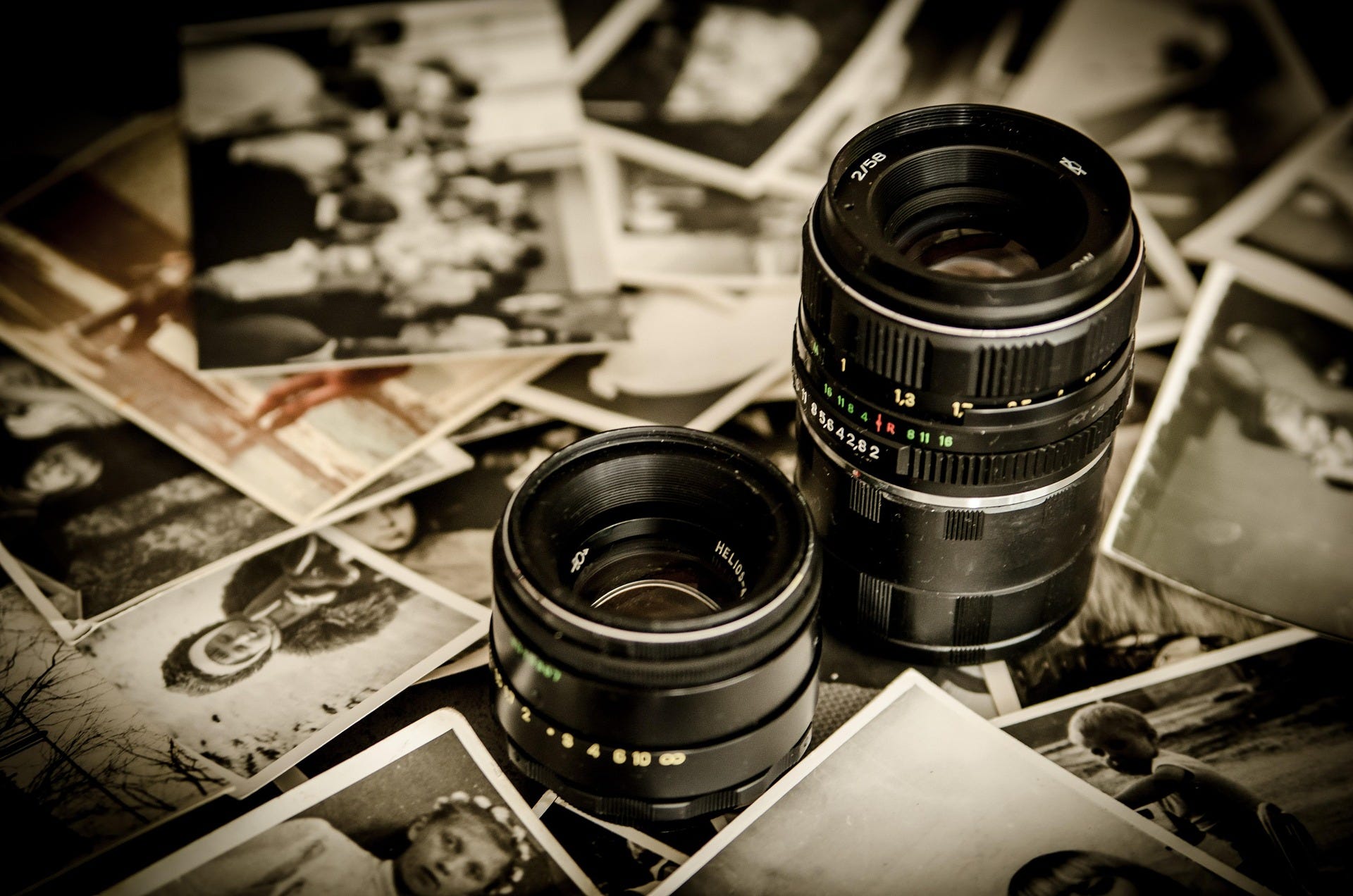
Similarly, thanks to my father being an avid taker of photographs, many of my childhood memories have been glued tenaciously to my recollection over several decades. That these snapshots were turned into coloured slides and projected onto a household screen on rainy Saturday nights reinforced family events. Of course, holidays provided the bulk of these slideshows, augmented by the demands of we three siblings to return to the boxes containing holiday slides from previous years. Repetition is the best adhesive.
This has proved a valuable resource over the years and a great excuse to revisit those times and places to provide settings, characters and events that can be transposed and transmogrified into writing.
An added bonus for me is that my short stories are written for children aged 7–11. That’s the exact timeframe from which many of my holiday memories have been captured, inevitably making them fertile ground as a resource material for writing.
A different perspective
Children see the world differently from adults. Consequently, my childish impressions don’t need to be rationalised, or made to fit an adult world; they stand effectively as they were and still are in my mind’s eye. Thus, someone who looked huge to me when I was seven, can be described in a story with the same adjectives and attitude as the ones with which I originally perceived them.
In retrospect, some of my summer days seem idyllic, like something from a story book. Long sunny days on the beach, family outings to ramble in nature, days spent with farming friends getting dirty in fields and stables as we helped with the jobs: milking, harvest, fence-mending etc. Precious memories I can turn to without ever wearing them out until age causes them to crumble. Best to capture them now, while I can.
‘Another country’ worth visiting
Some say the past is ‘another country’ but it’s a country worth visiting, whether it’s parched and hazy or wild and overgrown .
Despite referring to the great outdoors rather than to yesteryear, this quote from American novelist and writer, Wallace Stegner is fitting: ‘We simply need that wild country available to us, even if we never do more than drive to its edge and look in. For it can be means of reassuring ourselves of our sanity as creatures, as part of the geography of hope.’
All our memories are grist to the mill for writing, whether we glimpse them from a distance or re-immerse ourselves in them entirely. We don’t need to justify them, pretty them up, disguise them or reproduce them exactly in the way we recall them, unless we want to. The real question is, will they serve a purpose if we can capture them again in words on a page? Will our recollections transfer to a piece of writing? If we’re prepared to relive those times, prompted by photographs, siblings, family stories that have often been expanded and elaborated on over time, we have a fruitful resource.
Granted, if we’re writing science fiction, then our personal experience of visiting Mars, falling through a black hole or encountering an 8foot Jedi will be non-existent (am I assuming too much here?). Our dragon-fighting skills may never have ad the opportunity to flourish not our chance to feast in an enchanted forest. However, there will be something somewhere in the recess of memory the will be worth pulling out, dusting off and reworking to create a piece of writing with the capacity to be credible and engaging.
Thanks for reading! This post is public so feel free to share it.
Revisit yesteryear this summer
Take the opportunity this summer to pull out the old family photo albums or scroll back through your phone for evidence of previous highlights. Your personal reel of special moments will almost certainly spark something inside you as you recall sights, sounds and smells that connect with something you’re writing.
And if, by some mishap, they don’t, you’ll have taken a healthy break from wrestling with ideas on the screen/paper and enjoyed some time wandering back through the years. You can return to your projects renewed and refreshed and, just maybe, inspired.
Which memory has had most impact on your writing so far? Let me know in the comments; I’d be fascinated to hear from you.
Jenny Sanders writes faith-based non-fiction books and humorous short stories for 7-11 year-olds. All available from the usual outlets. She writes for a number of online magazines and takes interactive creative writing session for Key Stage 2 children in UK primary schools.
No posts
Comments
Nothing yet. Say the first thing.
Sign in to join the conversation.