
By Marti M. McNair - Core Contributor
ISSN 2977358x (online)
Holidays give writers plenty to work with. Christmas, New Year, Halloween, Bonfire Night, Easter, Diwali, Eid, Hanukkah, summer holidays and local festivals all come with their own traditions, expectations and memories.
We know what these occasions are supposed to feel like. Christmas should be warm and happy. New Year’s Eve is a time for celebration and new beginnings. Summer holidays mean sunshine, freedom and escape from everyday life. At least, that is the idea. For a writer, the interesting part can be what happens when things don’t go according to plan.
A holiday brings people together. It takes them away from their normal routines. Families who rarely see each other suddenly spend several days under the same roof. People travel to unfamiliar places. Old friends meet again and memories resurface. Any one of those things can give us the beginning of a story. As a writer, I enjoy taking an event that should be happy and asking one simple question – what could go wrong?
When Celebration Becomes Control
My first writing love is dystopia, so finding an example of ‘from cheer to chill’ in this genre is a little more difficult. Most dystopian societies don’t celebrate holidays in the way we do now. Instead, they often have ceremonies, rituals and public events that suit those in power, usually at the expense of ordinary people.
In Margaret Atwood’s The Handmaid’s Tale, the Handmaids are called together for a Birth Day when one of them goes into labour. What should be a joyful occasion becomes another reminder of how little control the women have over their own lives. The birth becomes a shared ceremony, but the Handmaids themselves have little choice in what happens.
In Suzanne Collins’s The Hunger Games, the Games are turned into a huge public spectacle. There are costumes, ceremonies and excitement for those watching in the Capitol, while the young people taking part are fighting for their lives.
Stephen King’s The Long Walk, written as Richard Bachman, also turns suffering into public entertainment. People gather along the route to watch and cheer as the young competitors walk, knowing that falling behind means death. Both stories take things we often associate with celebrations – excitement, tradition and spectacle – and turn them into something much darker. In dystopian fiction, the chilling part is often that those in power are celebrating while somebody else is paying the price.
The Power of Contrast
Of course, we don’t need a dystopian world to turn cheer into chill. An ordinary holiday can work just as well. Take something familiar and enjoyable, add one thing that doesn’t belong, and the mood can change in an instant.
Think of Christmas. There are lights in the windows, presents under the tree, food on the table and familiar songs playing. Now put one person at that table who doesn’t belong there. Or leave one chair unexpectedly empty. Nothing else has to change. The brighter and happier the setting, the more we notice something that feels wrong.
The same idea works with a summer holiday. A family arrives at a beautiful villa. There is a swimming pool, blue sky and a week with nothing to do but relax. Then one of them discovers a locked room. Perhaps the owner has warned them not to enter it. Of course, that only makes someone more determined to find out what is inside.
A funfair can be the perfect setting for a holiday story. The lights are flashing, music is playing and the smell of candy floss drifts through the air. Then something goes wrong. A carriage full of laughing passengers enters a ride through the open mouth of a giant clown. Everyone waits for it to appear at the other end, but it never does. The music keeps playing, the lights keep flashing, but the carriage and everyone inside it have disappeared.
Even a day at the seaside can change very quickly. A child wanders away on a crowded beach. A bag is found beside an empty deckchair. Someone swimming in the sea doesn’t come back. Everything around them still looks like a holiday, but suddenly it doesn’t feel like one.
When Traditions Turn Dark
Most holidays come with traditions we repeat every year, often without giving much thought to where they came from. That can be useful if you want to introduce something darker. It raises an interesting question. How many things do we do simply because that is the way they have always been done?
A family might have a Christmas ritual that nobody outside the family understands. The local village could hold the same winter festival every year, although nobody remembers how it started. Perhaps a hotel has an unusual New Year’s Eve custom that every guest is expected to follow. Then let one character in your story question it.
My Practical Tips
When I use a holiday in a story, I like to think about the holiday first and the darkness second. What should this occasion feel like? What are the characters expecting? What matters to them? What are they looking forward to? Once you know that, you can start disturbing things.
Think about why your characters are there. Who chose the holiday? Who didn’t want to come? Who is pretending to enjoy themselves? Who has a reason for wanting everyone together?
Don’t feel that something terrible has to happen immediately. Let the reader settle in. Give them the Christmas lights, the crowded airport, the hotel breakfast, the summer heat or the fireworks at midnight. Then add the thing that doesn’t quite fit.
Over to You
There are so many ways to use holidays in our writing, whether we choose something frightening, mysterious or simply a little unsettling. All it takes is one small thing going wrong to turn a happy occasion into the beginning of a chilling story.
Have you ever used a holiday as the starting point for a story? If not, which holiday would you choose and what would you make go wrong?
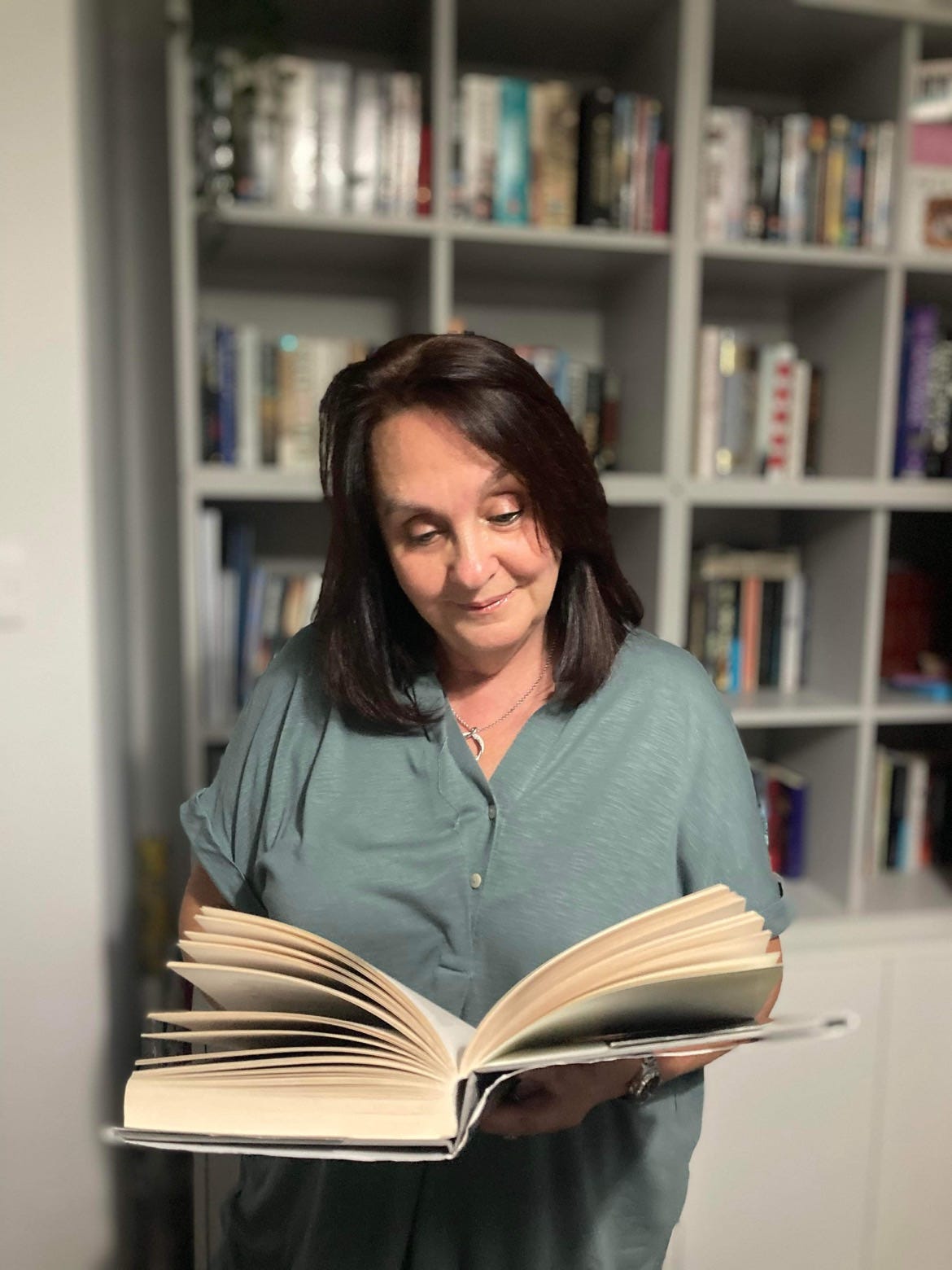
Susan McVey is an award-winning writer with a lifelong passion for storytelling. Writing YA fiction under the pen name Marti M. McNair, she explores dystopian worlds with dark political themes and high-stakes challenges. She is a Partner in Auscot Publishing and Retreats and serves as Vice President of the Scottish Association of Writers, where she has also been placed in competitions for several consecutive years.
https://www.martimmcnair.co
No posts
Comments
Nothing yet. Say the first thing.
Sign in to join the conversation.