
Cover creation is perhaps one of the most difficult things for authors, next to marketing.
Why is this?
The book’s cover is the first impression readers get. And furthermore, readers do judge books by their covers.
Nothing like a little pressure to make it that much more difficult. But don’t forget to take into account the fact that we also need to mix in the right elements, such as the typography, images, color scheme, and title, to attract the audience of your genre.
What authors struggle with is: Do I make my own cover, or do I hire someone? If I make my cover, where do I even begin? If I hire, how much money will I need to spend?
Let’s explore what the process would be like to create your own book cover.
Here is the hard truth: creating a book cover good enough to sell is difficult.
At the beginning of my career, I didn’t have much money to hire a cover designer, so I tried my hand at making my covers. Needless to say…they weren’t great.
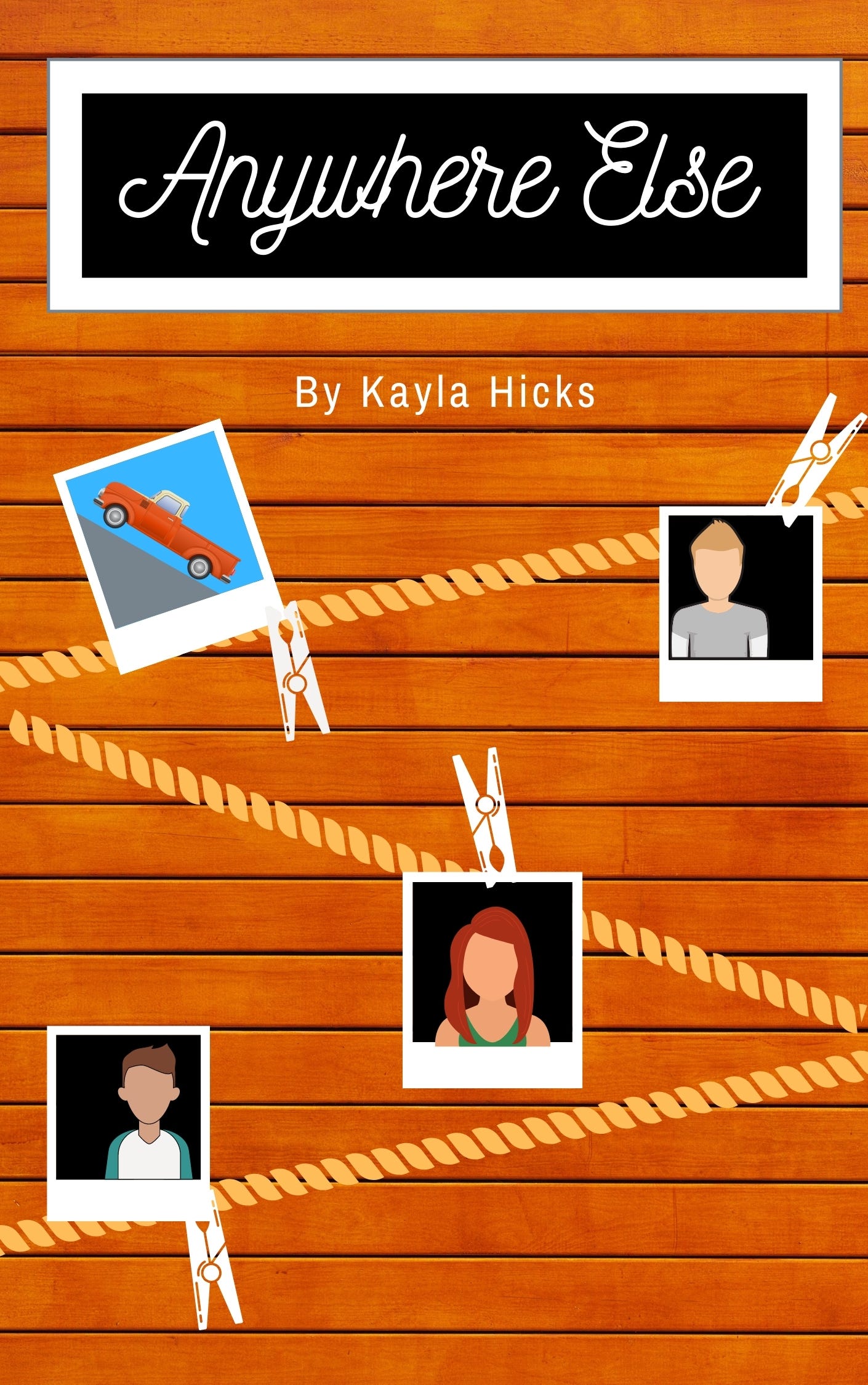
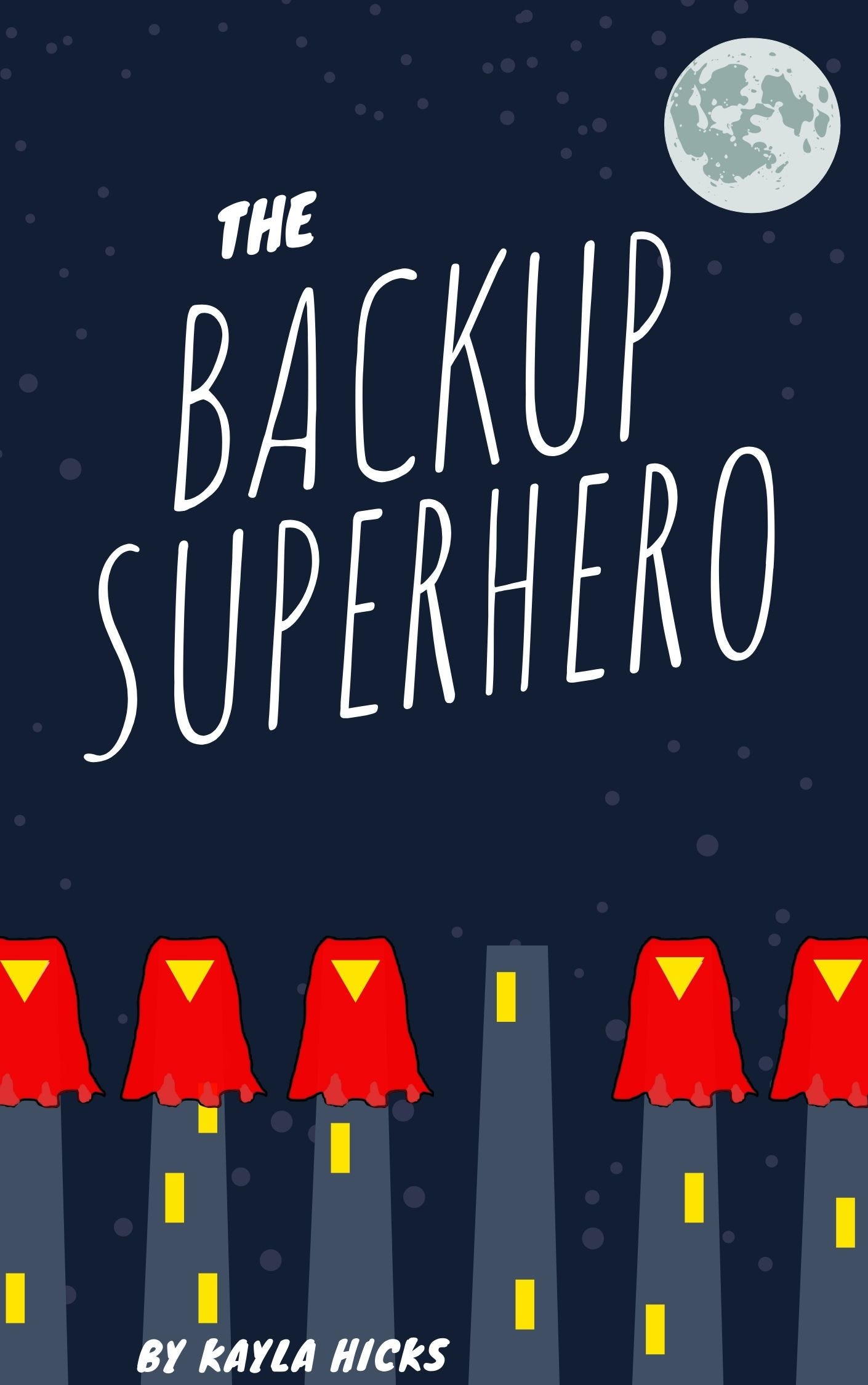
Now, they aren’t amazing by any standards. But thankfully, I managed to sell some copies, and it helped that book reviewers and bloggers reviewed the books for me, helping them along.
Realistically, I knew that my books deserved better. So, I got to work. I researched the market for both genres. Read a ton of articles and watched tutorials on how to make book covers, and managed to update my covers.
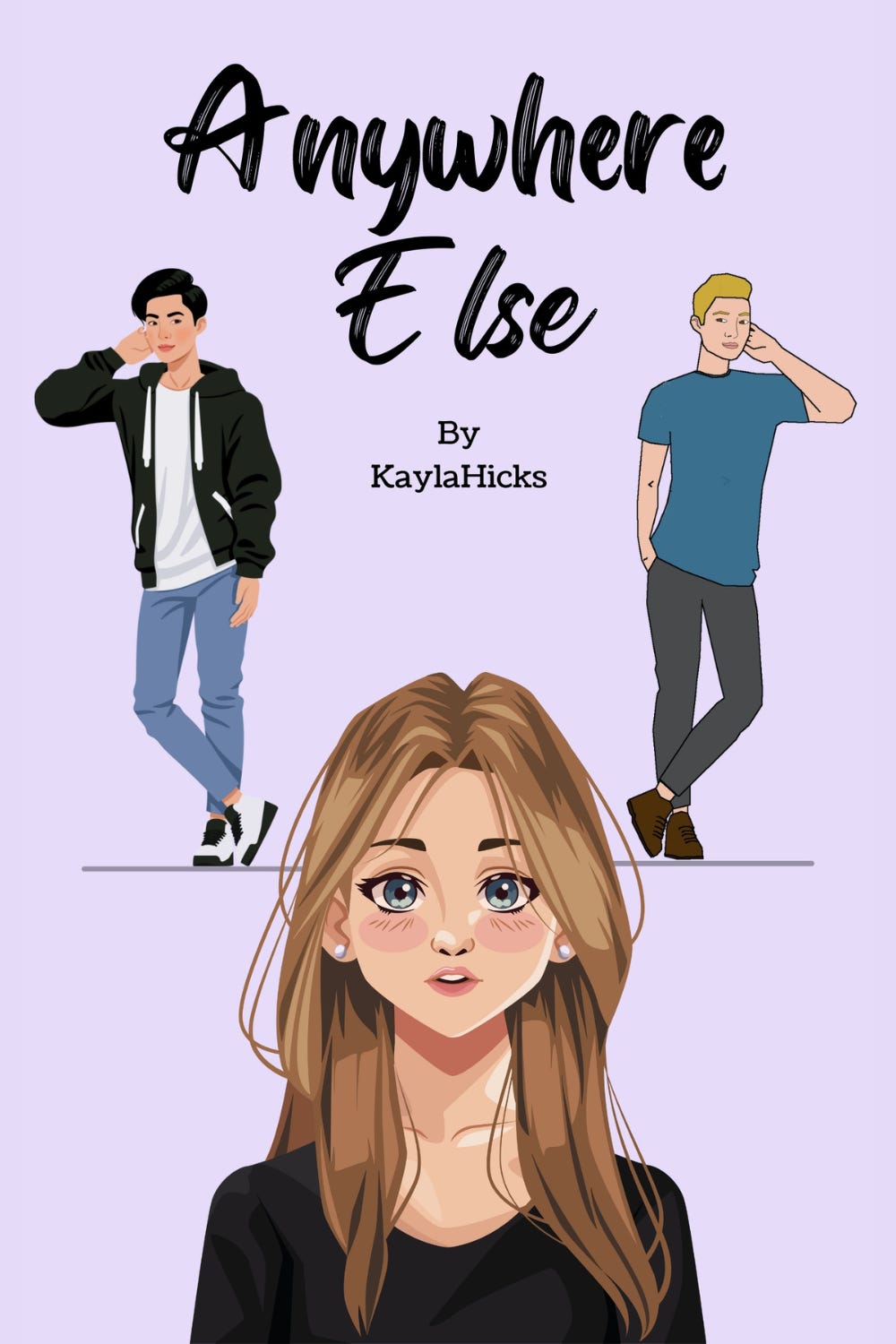
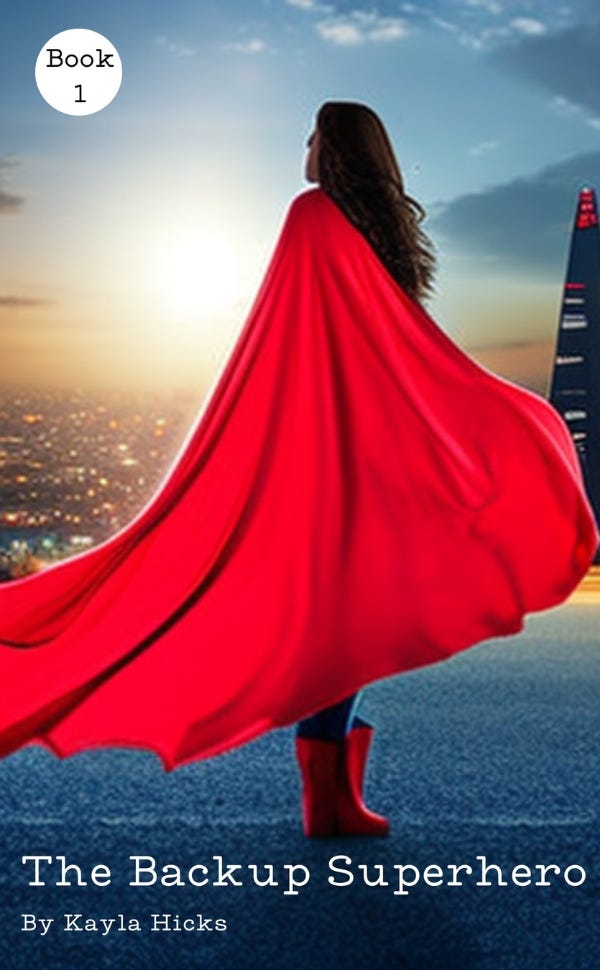
So, if I were to go back in time, here are the steps I would have taken to create a book cover that sells.
Whatever genre your book falls under, one thing remains the same. Every genre’s audience has particular expectations when it comes to the cover.
What do I mean by this?
Each genre is consistent with:
The types of typography used
Color schemes
Images
Graphic or image styles
Word choices
This is why it’s important to conduct market and genre research. However, before you begin, you need to know what you are looking for.
Before you begin:
Write down 20 keywords that pertain to your book (this also helps with SEO and finding similar comparison books to yours)
Write down your genre and your target audience (age, shopping habits, and trope interests)
Having this ready to go will help you when you begin to find comparison books to learn from.
Now is when the real work begins.
Let’s pretend I am starting from scratch for my book, Anywhere Else, as an example:
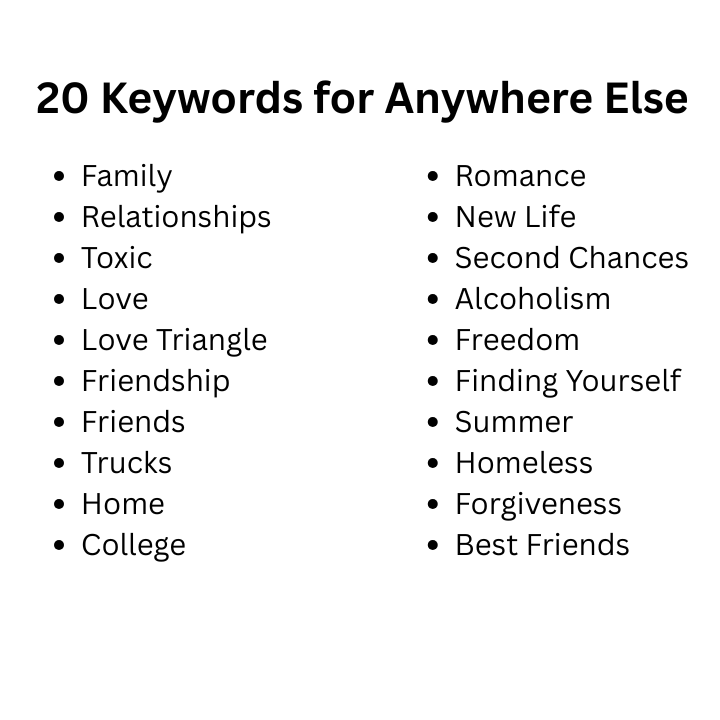
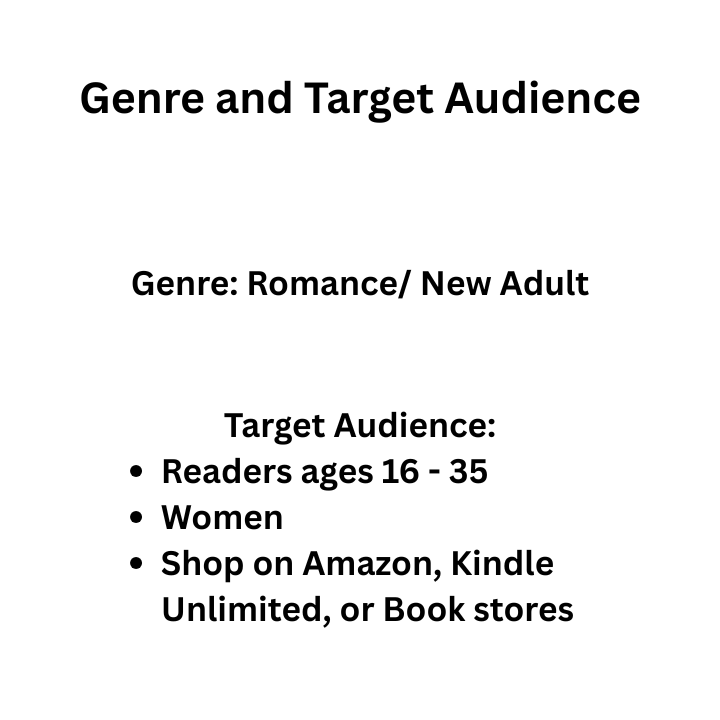
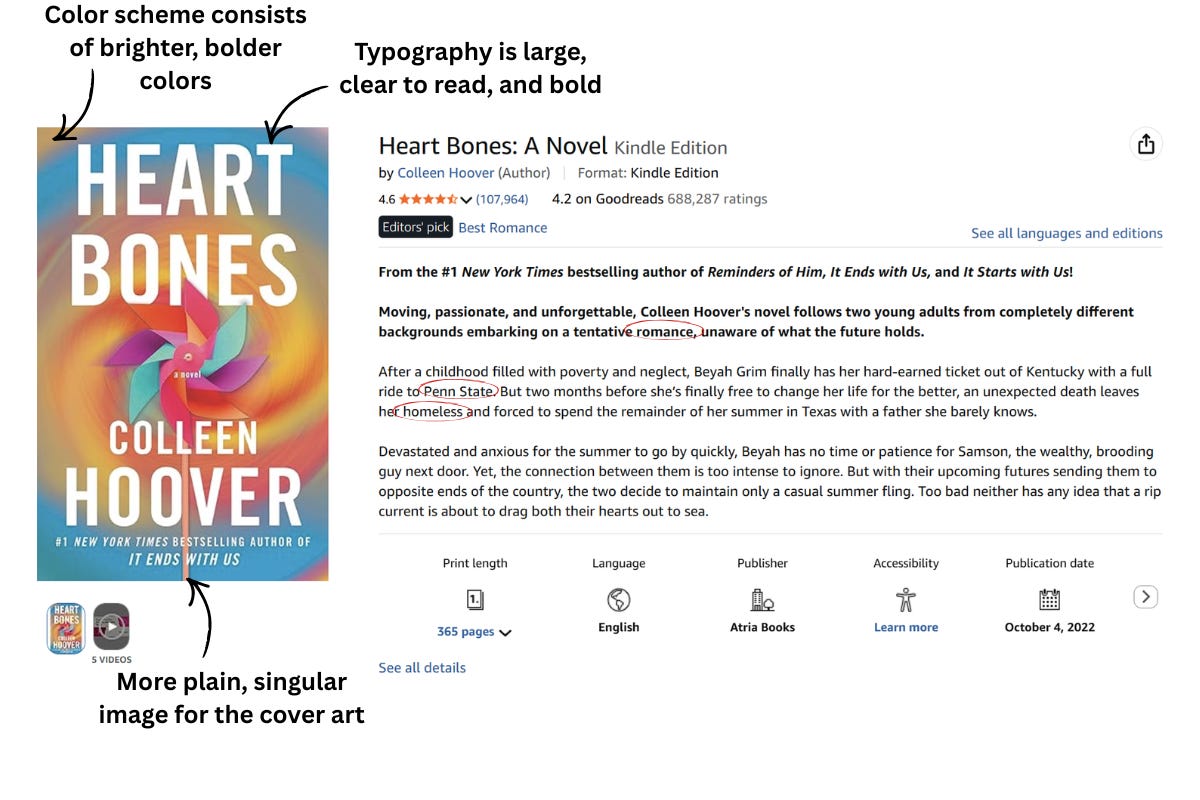
Now that I have these things ready, it’s time to dive into research. I am going to be looking at book covers for the elements I covered earlier, and I am going to read the book description for keywords similar to mine.
I want to begin by typing into a platform like Amazon, Google, or wherever you buy books: New Adult Romance Books. This will give me a starting point.
The first book I looked at was Heart Bones by Colleen Hoover:
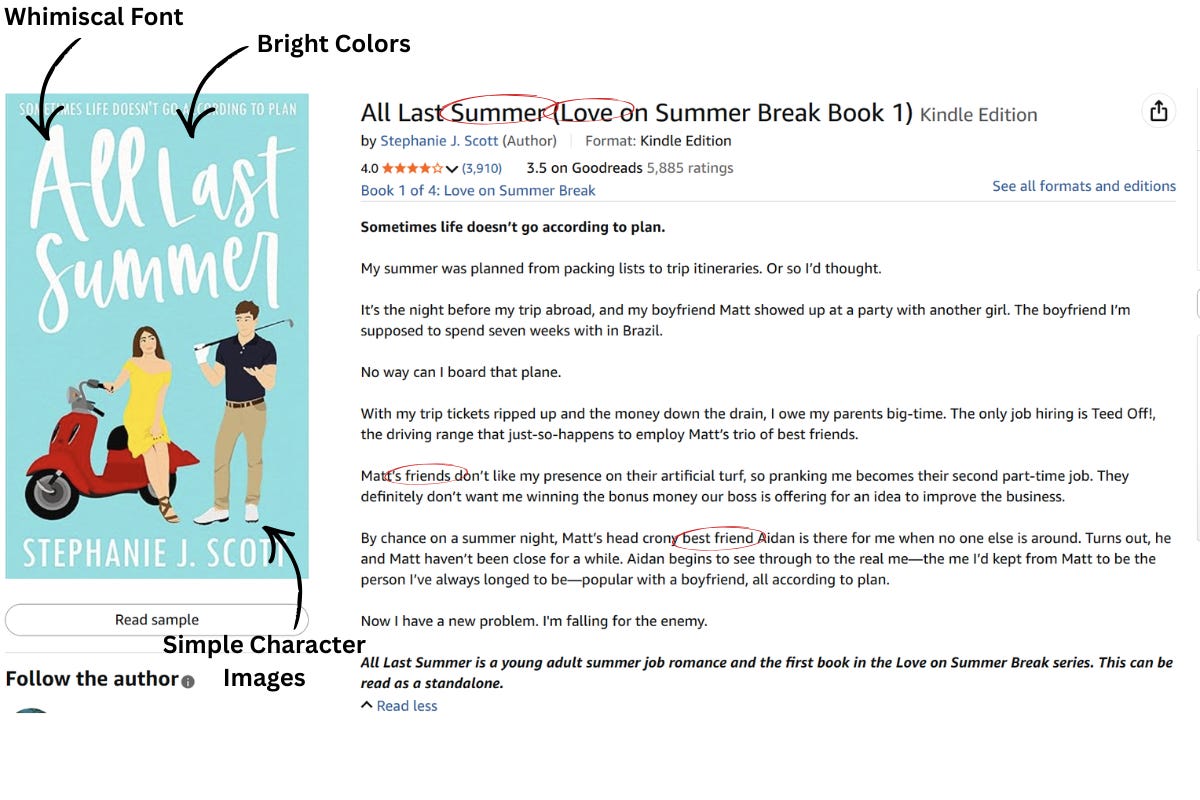
This is All Last Summer by Stephanie J. Scott.
This is the kind of research you want to be conducting, but like, 20 more times. Make a list of:
Tropes of your genre
Keywords that match yours or could match yours
Color Schemes/ Typography/ Page counts/ Title Words (these are also Keywords)
Composition of the cover
It takes time and effort, but once you are done you will learn the different styles your genre expects and what they are looking for.
Once you feel you have a good handle on what elements you need to make a cover that will catch your audience’s eye and meet their expectations, it’s time to start brainstorming.
We need to decide:
What elements of your book should be included on the cover?
What aspects of your book would draw readers in?
What colors do you want to work with?
What art style do you want to go with?
When looking at what style I wanted for Anywhere Else’s makeover, I saw more covers similar to All Last Summer (as shown above), so I started looking at what I could do.
I use Canva.com to create all my covers. You can simply go to the create button on the left-hand toolbar, type in book cover, and it automatically pulls up a blank book cover file that works for Ebooks.
Looking at covers in the romance genre, I saw lots of light blues, purples, reds, pinks, and bright colors. I ultimately went with a lavender type of purple. But now I needed to decide what I wanted to show on my cover. My original cover had my main character’s truck (it’s a big part of the story) and photos of two males and one female.
Then I got to thinking: it’s a romance novel, so maybe I should focus on the characters.
So, this is when I went into the elements and typed in girl to see what could pop up. After all, Leena is the main character, so it makes sense to make her the focal point.
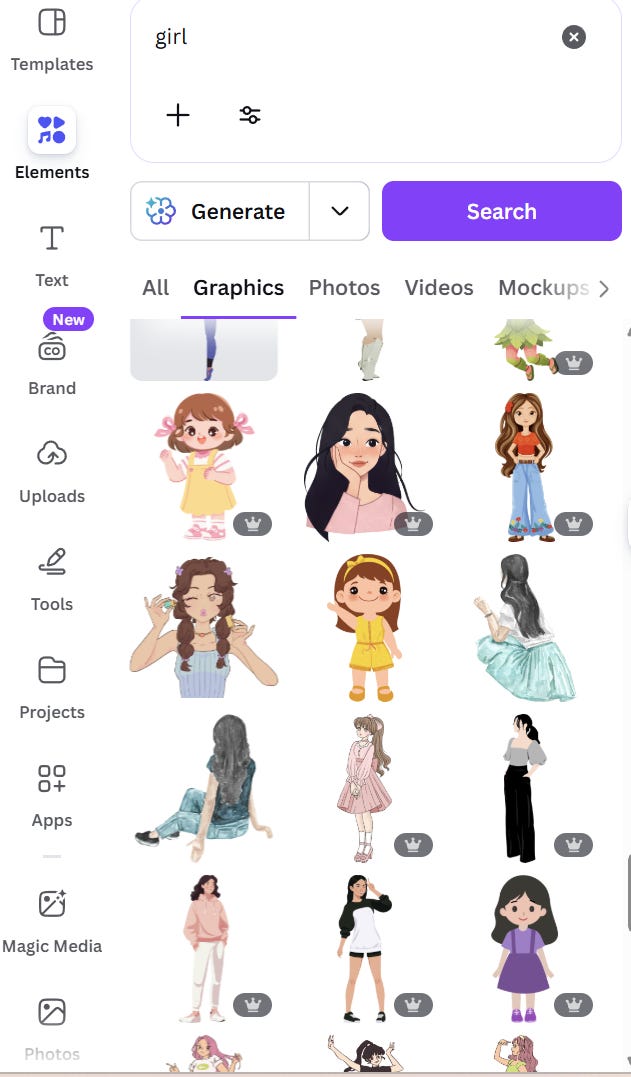
It took me a long time to find out what girl I wanted, but when I finally found her, it just clicked.

Next came the love interests. I searched in the elements for: guy and found this one.
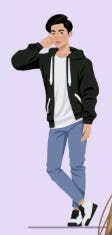
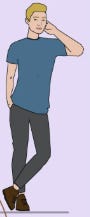
But there wasn’t another one with the same art style, so I actually drew my own character for the other love interest.
Want to learn the final steps to creating a book cover? Subscribe to get a mini guide!
Comments
Nothing yet. Say the first thing.
Sign in to join the conversation.