
It’s been a long time since a book or movie genuinely scared me. I can’t remember the last film that sent a chill up my spine. But, I remember the first time a movie scared me. I was five years old, and the movie was The Screaming Skull.
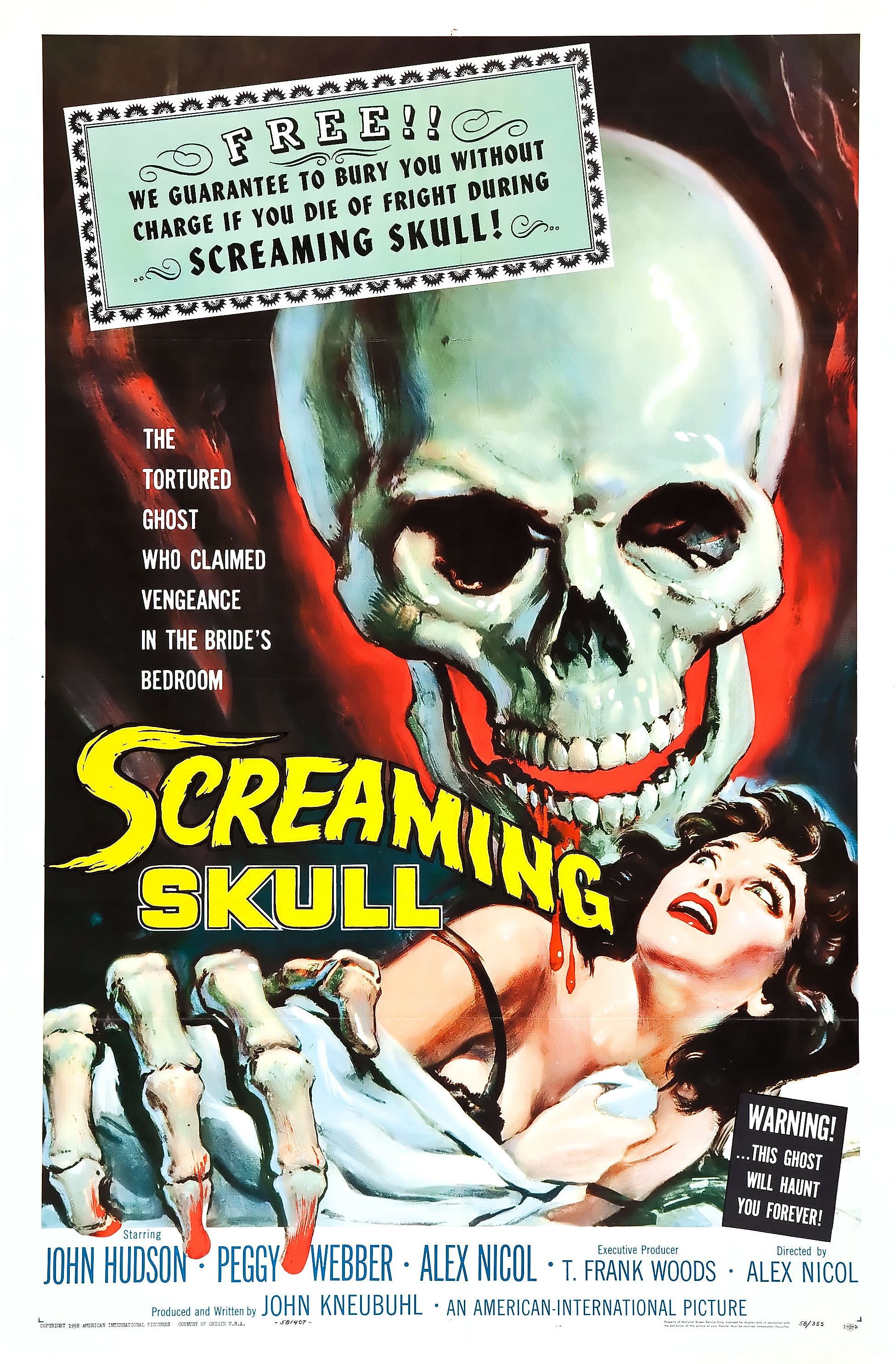
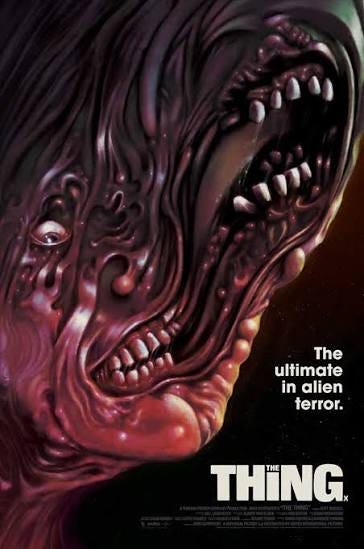
I don’t remember much about this film except for one scene where the skull was biting someone. In my memory, it bit them on the face, but since it’s been more than fifty years since I watched it, I can’t say for sure I’m recalling it accurately. I do remember the nightmares starting before I even got into bed. Skulls flying around the room as I rushed to the little twin bed to pull the covers over my head. The next time I was scared that badly was when I watched The Howling for the first time when I was eleven, and the transformation effects utterly terrified me. Then came John Carpenter’s The Thing, which I watched on VHS with my girlfriend when I was 15 and felt like I was going to crawl out of my skin.
When it comes to horror literature the first book that actually terrified me was George Orwell’s 1984: the rat torture scene in Room 101 where O’Brian, a representative of Big Brother breaks Winston Smith completely by straping Winston to a chair, clamping his head, and bringing a cage of starving rats near his face with a mask designed to slide open and let the rodents eat his eyes and flesh. The idea that one human being could do that to another was utterly horrifying to me and clearly shaped much of the horror I write today.
The next book to affect me that deeply was Stephen King’s Misery. Because the movie added a much-needed element of humor, most people don’t remember how dark and nihilistic the book was. I remember that moment when Paul Sheldon realizes that Annie Wilkes is completely crazy and that he is trapped and at her mercy. This felt like a metaphor for a couple of relationships I have been in where only after I moved in with them (or even married them) did they let their mask slip and I saw a glimpse of the insanity. Only after I was essentially trapped. That book was just page after page of descriptions of Paul Sheldon’s unending pain and helplessness. I never read it a second time and probably never will; I found it that disturbing.
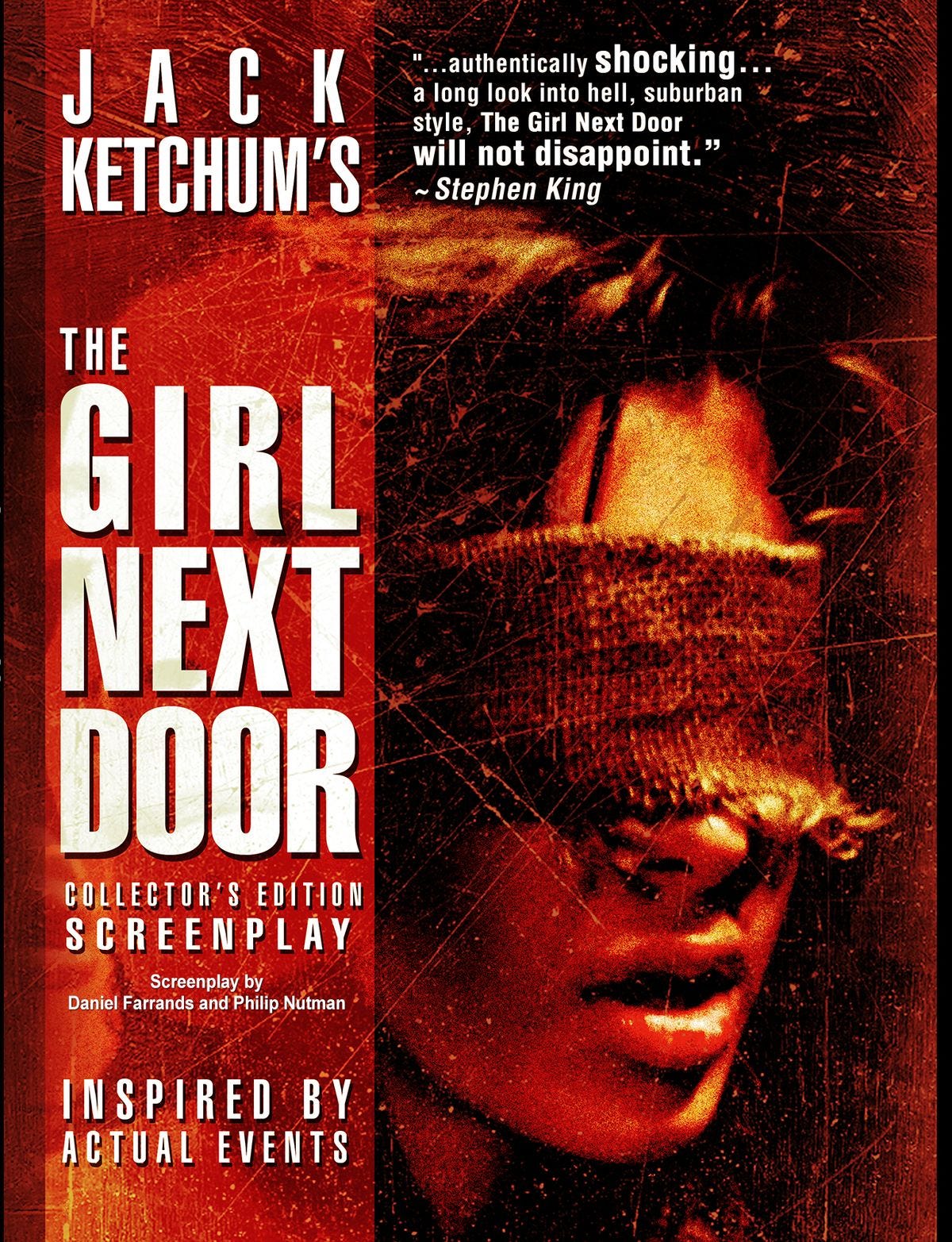
Jack Ketchum’s The Girl Next Door is another book I will never read a second time. I can still recall that feeling of absolute dread as the torture and hopelessness increased page after page. Then the moment when I realized it wasn’t going to have a happy ending, and I looked and still had a hundred pages left to read. Those were probably the hardest hundred pages I’ve ever read.
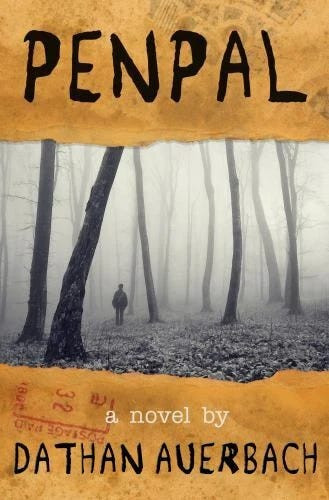
There have been other books like Ryan C. Thomas’ The Summer I Died, which I don’t think I ever actually finished, and Pen Pal by Dathan Auerbach, which was the only relatively quiet horror to ever really disturb me. What all of these books have in common is that they all played upon my existing fears. They were all very human terrors, being at the mercy of a totalitarian government, a deranged, obsessed fan, a bad parent, a stalker, or even a lover. The Thing and The Howling contained body horror, and the fear of being literally eaten alive. The Screaming Skull and the face bite also tapped into the fear of being eaten alive. All very human fears.
So how could artificial intelligence hope to match these terrors? How could something that has never known fear write something terrifying? Because it taps into millions of existing books, it could certainly duplicate what has already been written, which would, I guess, put it on par with every hack writer currently imitating themselves and other authors for the sake of a buck. But it would be the absolute death of true creativity and originality. No one writing books using AI could ever really call themselves an artist or even a true craftsman.
I read a post right here on Substack where a “writer” complained about not getting credit for the books he “created” using AI, upset that people were calling him an “AI prompter” rather than a true writer, but that’s really what he is. Putting prompts into AI does not make you a writer. No matter how unique you think your initial ideas are, what AI spits out will absolutely not be. The clever turns of phrase, word choices, similes, and metaphors that come from your own unique human experience, of which no two are alike, will be lost in the homogenous stew of stolen words that is artificial intelligence. And when it comes to horror, your own unique individual fears and experience of fear will be lost.
I have been bitten by dogs, cats, people, and even a rabbit once. So, I know what being bitten feels like. Furthermore, like all living things, the fear of being eaten is built into our genetic code. So when I describe that fear, I am describing my own honest, genuine emotions. Not so with a machine. When I describe the fear of being helpless, of being tortured, of watching my body transform into something alien and unrecognizable to me, I am describing my own emotions, not repeating fears I’ve heard other people express.
The best horror always comes from our own fears. We may occasionally try to write about fears we don’t personally feel. We might interview people who have those fears or read about them or watch movies or documentaries, but it will never be as authentic and powerful as when we write from personal experience. AI has no personal experience. Everything it will ever write will be a secondhand emotion. And everything you will ever write using it will be a secondhand creation.
No posts
Comments
Nothing yet. Say the first thing.
Sign in to join the conversation.