
The moment the Lego came out, the room changed.
I was watching another facilitator run a session with a C-suite team. Good opener, decent energy, everyone still with him. Then he handed each person a small bag of lego and asked them to build something that represented their leadership style.
The respect drained out of the room in seconds. The CFO clicked two bricks together, sat back, and picked up her phone. She was finished and had a real job to get back to. This wasn’t it.
He never got them back.
That session was lost before the activity finished, and the facilitator spent the next three hours trying to recover ground.
Senior leaders tend not to announce they’ve checked out (although I’ve seen that happen too). They just decide, without a word, that the session isn’t worth their full attention, and then you’re facilitating to the tops of their heads while they answer email.
Most facilitators get one thing wrong about senior rooms.
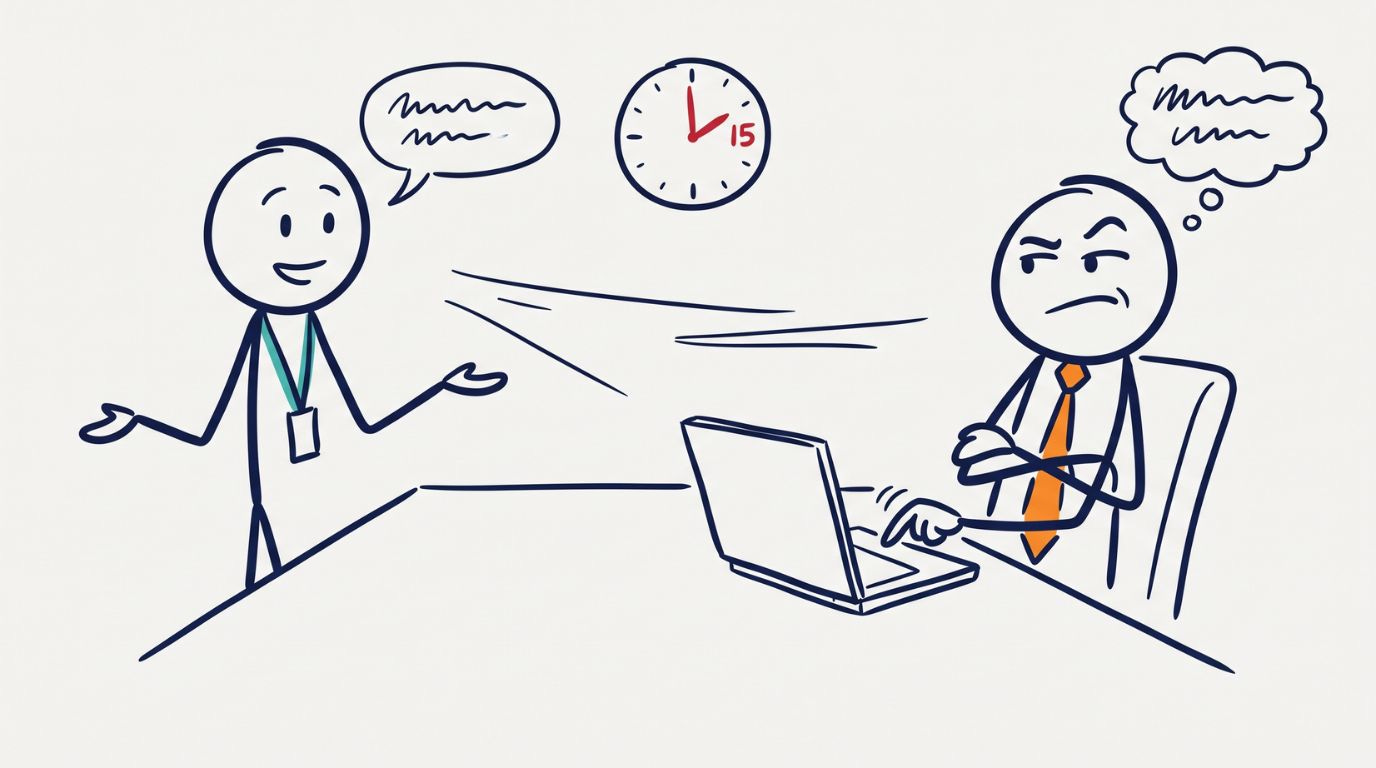
They assume a VP who won’t engage is arrogant, or impatient, or thinks they’re above the exercise.
Sometimes that’s true. Usually it isn’t.
A senior leader operates closer to the limit of their decision capacity than almost anyone. Bigger systems, longer time horizons, more moving variables than most people see. That makes them ruthless about what earns their attention.
Anything that eats attention without improving the decision in front of them gets filed as waste.
An icebreaker is waste.
A model they’ve seen four times is waste.
A 20-minute setup is waste.
Not because they think they’re better than it. Because their bandwidth is more constrained than most people’s, and they’ve spent years learning to protect it.
So the first 15 minutes with a senior group works like an audition. They’re deciding one thing: is this worth my time, or should I be doing my actual job?
Get those minutes wrong and the senior person might stay in their chair but they check out mentally. Now you have a disengaged senior voice modelling disengagement for everyone junior to them in the room.
Five mistakes lose them. Here’s each one, and what to do instead.
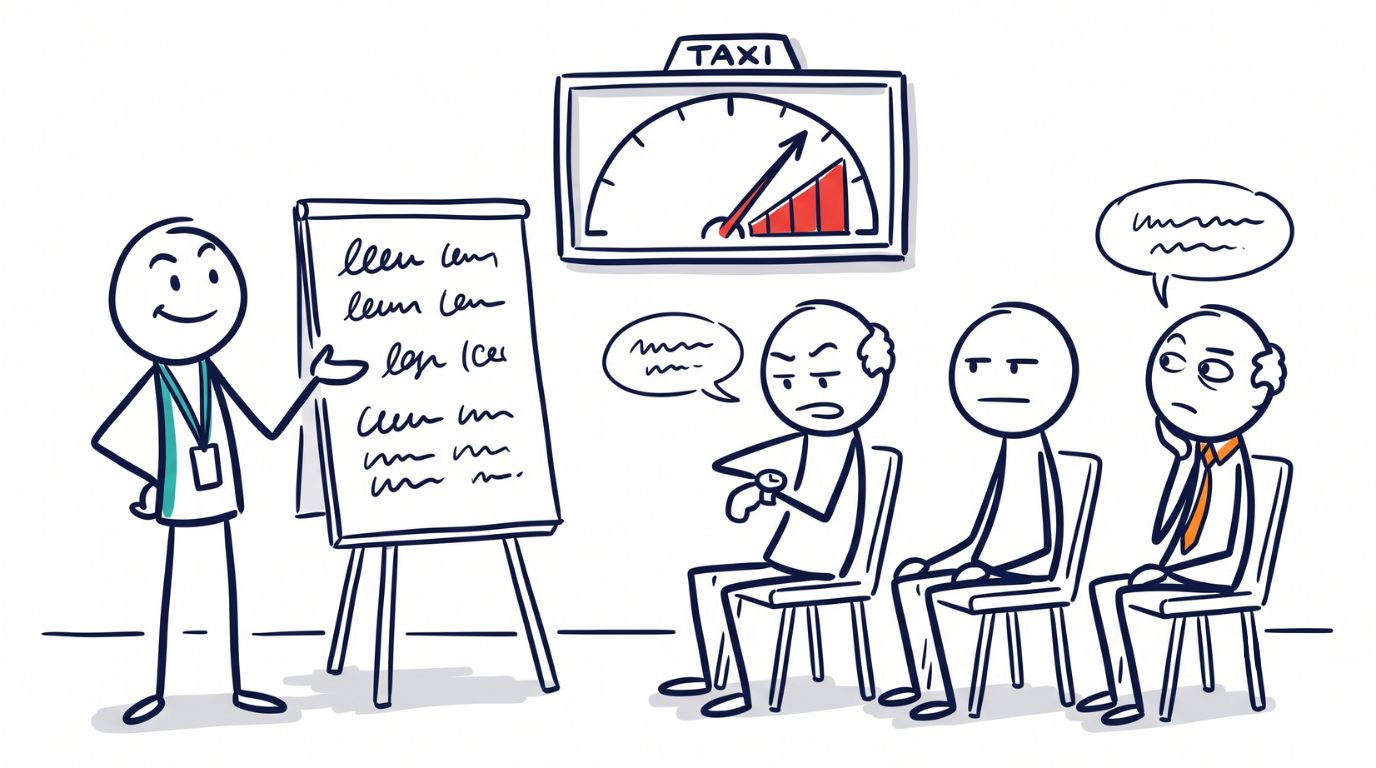
The instinct is to establish authority. You’re external, they don’t know you, and it feels like you need to earn the right to run their session.
So you open with where you’ve worked and who you’ve worked with.
They’ve heard it a hundred times. Every consultant who walks through that door lists their logos.
The one credential that lands with this group is the deliverable. Open with the outcome instead of your CV.
“By 3pm this team will have agreed three strategic priorities for next quarter, with a named owner on each one.”
That’s the proof they want. It tells them you understand what they’re accountable for.
Your track record earns you the room. What you do in the first two minutes earns their attention, and they’re not the same thing.
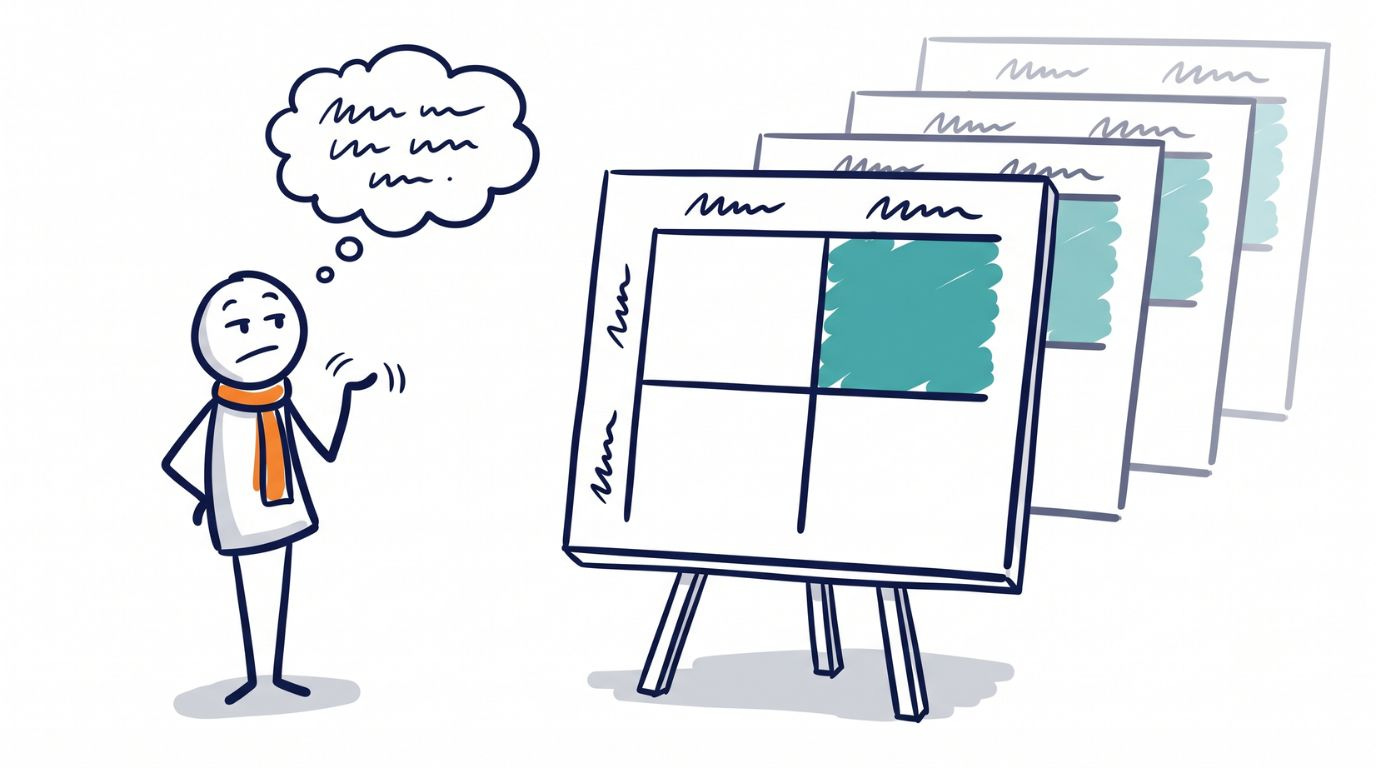
Senior leaders have been through every leadership model, every personality profile, every 2x2 matrix drawn on every whiteboard in every offsite for 20 years.
The moment a familiar diagram goes up on your slide, you get filed under “generic,” and generic is hard to climb from.
The fix is to skip theory and go straight to their reality. Their own data. The decisions they’re stuck on.
A senior team doesn’t need a framework to understand their own problems. They need a structured way to work on them.
Give them the structure and leave the textbook at home.
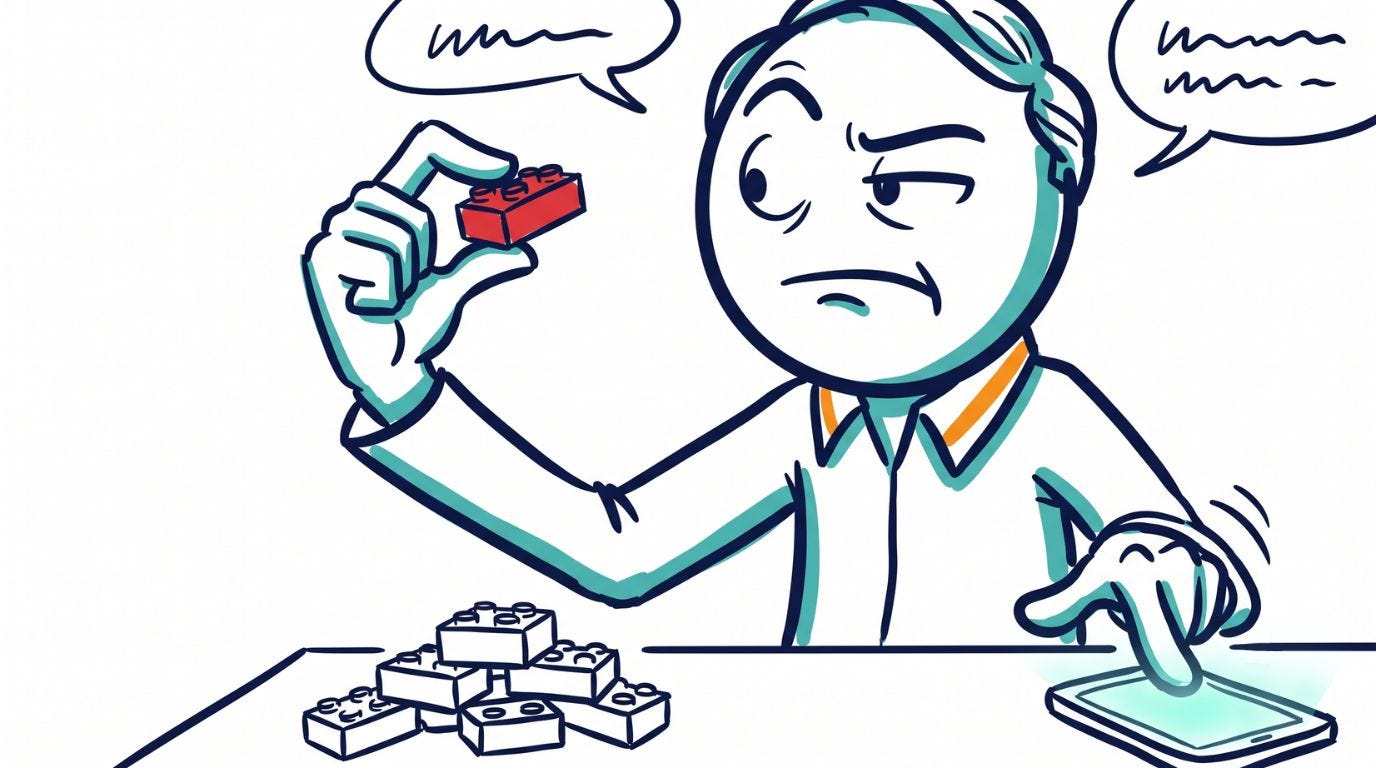
This is the Lego moment, and it generates stronger reactions than anything else about facilitating with senior leaders.
I’ve had experienced L&D people tell me these activities “work at every level.” They don’t.
Draw your ideal team. Build a marshmallow tower. Pick the animal that represents how you’re feeling today.
Use any of these with a senior group and you’ll see the energy leave quick sharp.
The people who defend those activities miss what’s really going on.
Senior leaders will do serious work gladly. They’ll debate a hard question for an hour. They’ll write an uncomfortable truth on a page and read it out to their peers.
They are not too fragile or too self-important for real work. What loses them is work that feels like a children’s party game, because it shows you’ve misjudged the level of the room.
And once they’ve clocked you’ve misjudged them, everything after is suspect.
Match the activity to the stakes. Instead of building a tower, try
“Write the three decisions this leadership team has been avoiding. Five minutes, on your own, then we go round.”
That’s a task worthy of their level. It creates tension immediately, and tension shakes a senior room awake.
If you’re a fan of structured play methods, this isn’t an argument against them in principle.
LEGO Serious Play can work well in the hands of someone who genuinely knows it. But most facilitators aren’t running it at that level.
They’re using bricks as a novelty, and a senior team can tell the difference between a serious method and a gimmick within the first instruction.
When in doubt with this group, choose the task that looks like the work they were hired to do.
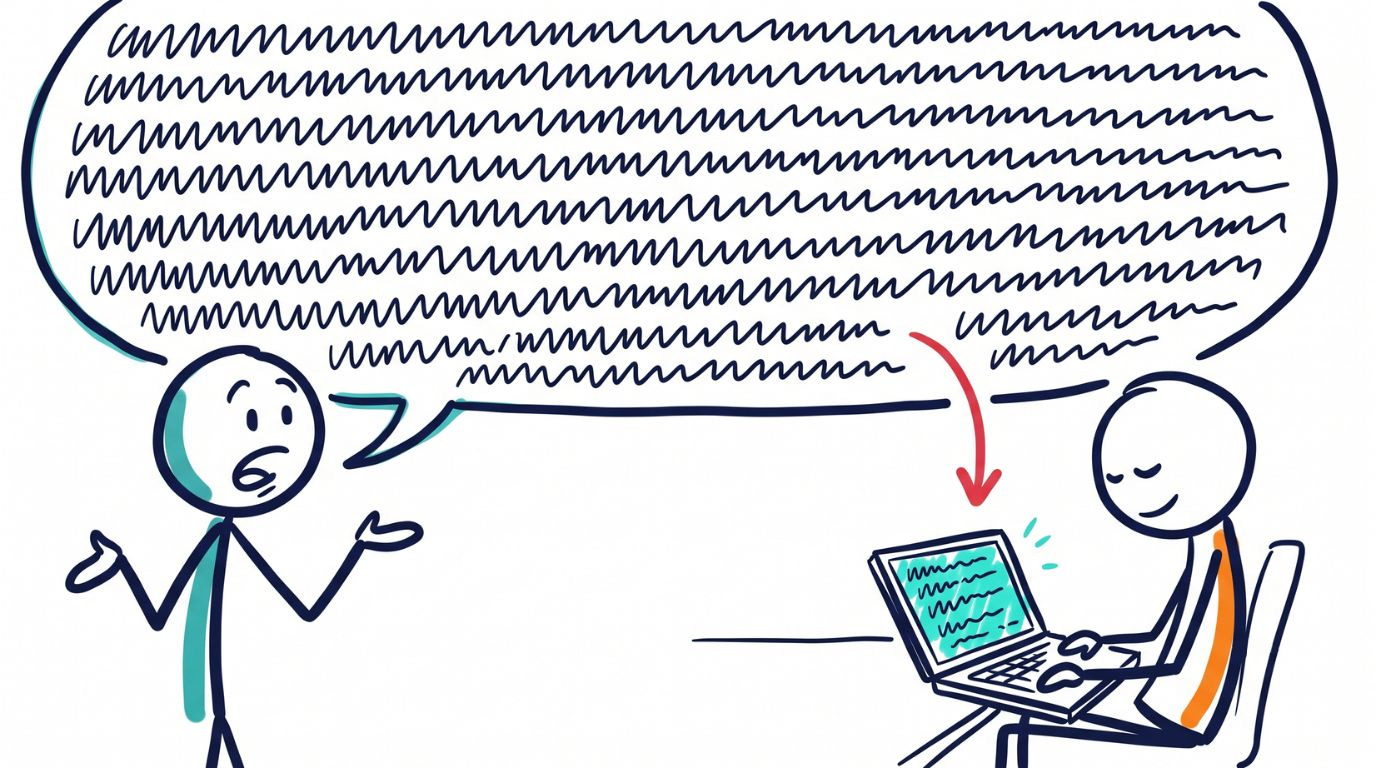
Senior leaders make decisions for a living. If you talk at them for 20 minutes before anyone does anything, they’ll start doing their job on the laptop, because in that moment it’s the more productive use of their time.
This is where the bandwidth point bites. Senior people process fast. They don’t need 15 minutes of framing to understand a question.
Give them the outcome, give them the question, hand them the pen, and they’ll be working before you’ve finished your sentence.
Every extra minute of setup you add is a minute you’re spending their scarce attention on your voice instead of their thinking.
Get them working inside five minutes. Outcome, question, pen.
The counterintuitive truth is the less you say, the more they respect the session.
The facilitators who impress senior groups most are almost always the ones who say the least.
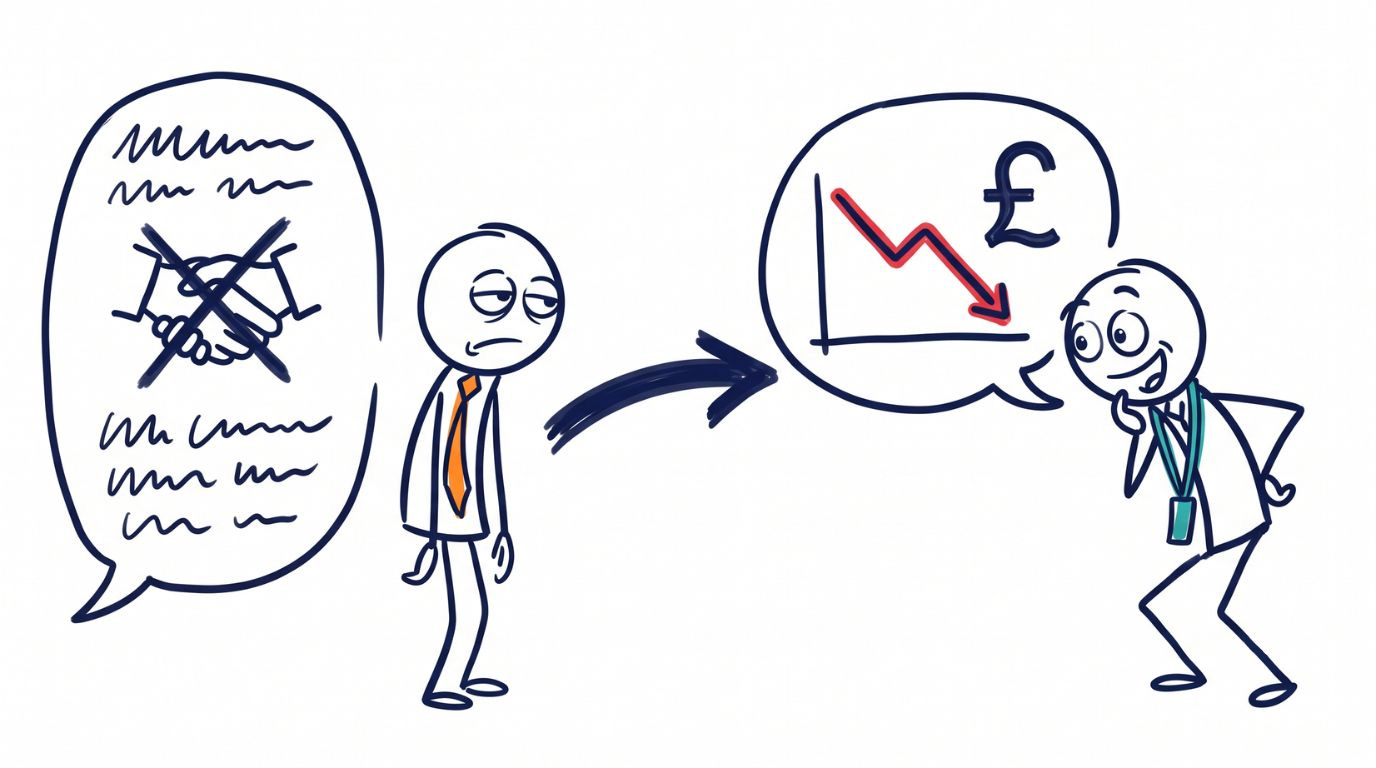
“This session is about team effectiveness.”
To you, that sounds professional. To a VP measured on revenue, margin, and delivery timelines, it sounds like a day off.
Same session, different language.
“This session is about the three-week decision bottleneck that’s costing your product team two sprints a quarter.”
Now it lands as a problem they own, framed in the numbers they’re accountable for. Nothing about the workshop changed. Just your framing.
This is the mistake that loses more senior rooms than any other.
Nobody objects to “team effectiveness.” They just privately downgrade the session from “worth my focus” to “worth showing up to”.
Before a senior session, take whatever soft label the brief came with and translate it into the metric they lose sleep over.
What decision is stuck?
What is it costing?
How much faster could it move?
Frame the day around that answer and the laptops stay closed, because the session has become more relevant.
Strip all five fixes down and the opening of a senior session is almost aggressively simple.
No bio.
You state the outcome in one sentence, in their language, tied to a number they care about.
No theory.
You put their real problem in front of them instead of a model.
No warm-up game.
The first task is a serious, slightly uncomfortable question they’d expect to be wrestling with in a board meeting.
And you get to that first task inside five minutes, not fifteen.
That’s it. It feels almost too bare the first time you run it, like you’ve skipped the “proper” opening.
You haven’t. You’ve removed everything that was costing you the room and kept the things that earn it.
The facilitator with the Lego isn’t a bad facilitator. He was running a good session designed for the people.
Senior rooms need you to face something every workshop should meet anyway: every single minute has to earn its place.
If you’re not subscribed yet, I break down a facilitation framework like this every week. Subscribe so the next one lands in your inbox.
Paid subscribers get two tools below to run these five fixes in a real senior room, not just nod along to them:
The scripts for the moments that decide it
The post tells you the five mistakes to avoid. These give you the exact words. Word-for-word language for the three moments where one sentence saves the room or loses it: opening with the outcome so you never once reach for your bio, naming the session in the metric a VP loses sleep over so it stops competing with their inbox, and redirecting the senior leader who demands a model without handing them the mini-lecture that gets you filed under generic. The lines to say out loud in the first 15 minutes, when you’d otherwise be talking about yourself.
The walkthroughs for the room you walk into
Every fix above assumes a room that behaves. A cooperative group, time on the clock, a face you can read. Your next senior session probably strips one of those away, if not all three. So there are three walkthroughs for the rooms that really show up: the VP who answers first, answers longest, and turns your discussion into a monologue with an audience, the half-day that punishes a slow open twice and leaves you no time to warm anyone up, and the virtual room where a senior leader can mute, kill the camera, and clear their inbox at zero social cost. What changes, what you cut, and what you protect no matter what.
Both are below, along with every deep dive that follows. Upgrade and they’re yours.
No posts
Comments
Nothing yet. Say the first thing.
Sign in to join the conversation.