
Heyo friend!
I just wrapped up my first time at SXSW and I am already planning my next trip over to Austin. I loved the city, the people, can’t forget the FOOD. With that said… man I’m ready to go back home. I have been traveling non stop the last few 6 weeks so I am excited to just lay low for the next few months and get back to my routine.
I want to go sleep in my own bed and do my routine. I am excited to be in the same time zone as my team. And I want to do more inside our brand new free community! We just launched this week and it’s so great to have everyone in their connecting, networking, asking great q’s, and helping one another. You can join in for free here!
As a reminder, here’s what you can expect every week in WWW (Weekly Work Wire)
News That Matters
Work Tip Of The Week
The Work Hotline W/ Sho
Got a question, ask a comment below! Or go even deeper in our free Get Hired & Paid Community for free courses, events, and resources with our Workhap team here!

The crude reality: oil prices Are your career’s secret boss
Let’s talk about oil prices. You might only notice them when the numbers at the pump tick up considerably, but oil is the invisible hand pulling the strings on your career growth.
There’s been a bit of a tug-of-war in the market recently. After a period where basically everything was expensive, oil prices were flirting with three-year lows, at around $60 to $70 per barrel. Of course, that all changed with the outbreak of war in the Middle East, as per-barrel prices sit around $90 as of this week.
Low oil prices might sound great for your weekend road trip, but for the job market, it’s complicated, to say the least.
The “Good” Side: Lower energy costs are like a tax cut for businesses. When it’s cheaper to keep the lights on and do things like ship products, companies have more cash to invest in new projects, marketing budgets and hiring. If you’re in retail, travel or logistics especially, low oil prices are your best friend. It means your company isn’t bleeding cash on fuel, which makes your bonus more likely.
The “Warning” Side: On the flip side, extremely low oil prices can signal a macroeconomic slowdown. Essentially, if nobody is buying oil, it’s usually because they aren’t producing things or traveling to work, for instance. Those in the energy sector or oil-adjacent cities such as Houston and Aberdeen, this is a “tighten the belt” moment.
The Work Angle: Keep an eye on the Energy and Utilities sector. It’s often the canary in the coal mine for the broader economy. If oil prices stay low but production stays high, expect a hiring surge in consumer goods. If oil drops because, it might be time to brush up that resume just in case a recessionary breeze starts blowing.
Have you read the ‘Claude’ Exposure Index, and is your job on the list?
Anthropic, the team behind Claude AI, recently released a report that is basically the “Burn Book” of the labor market. Their AI Exposure Index should serve as a reality check for anyone sitting behind a desk.
For a long time, the narrative around AI and work was that the technology will only take over the boring jobs that require a lot of manual processing.
Claude’s data, though, is more worrisome. It says: “I’m coming for those high-earning jobs, too.”
The Top 10 Most Exposed Jobs to AI (according to the report):
Computer Programmers (74.5% exposure): Ironically, the people building the AI are the most likely to be automated by it.
Customer Service Reps (70.1%): Claude is getting really good at being polite and solving consumer problems.
Data Entry Keyers (67.1%): This one is not a surprise, but the speed at which it moves is eye-opening.
Medical Record Specialists (66.7%): LLMs can code patient data in a one-click task.
Market Research Analysts (64.8%): AI can summarize 1,000 focus groups before you’re done pouring a cup of coffee.
The “Safe” Zones: If you work with your hands or in high-stakes physical environments, you can rest easily. Lifeguards, bartenders, motorcycle mechanics and cooks showed 0% exposure. Claude can write a poem or song about a margarita, but it can’t salt the rim for you … yet.
The Career Pivot: The report highlights a gradual squeeze. Not everyone is getting fired today, but companies are hiring fewer entry-level positions. If you’re in a high-exposure role, your new job description is “AI Orchestrator.” Instead of writing the actual code, you might be checking the work that AI did. To get ahead, and stand out in the job market, put “AI Management” on your LinkedIn profile.
ChatGPT Goes to Washington 👀 👀 👀
In a major plot twist, OpenAI just announced ChatGPT Gov. The new project is a dedicated, high-security version of ChatGPT designed specifically for the U.S. federal government.
OpenAI is essentially giving the federal executive branch access to ChatGPT Enterprise for $1 for the next year. For the price of a pack of gum, the government gets the most powerful AI in the world.
This deal came about quickly following President Donald Trump’s announcement in late February that federal agencies and military contractors would no longer work on Claude. Anthropic subsequently sued the Trump administration this week over those lost contracts.
Why this matters for your career:
The “Efficiency” Squeeze: Government work is infamously bogged down by red tape. In pilot programs, Pennsylvania state employees using ChatGPT saved 95 to 105 minutes per day on routine tasks. That is more than one hour of extra productivity every day.
New Job Titles: There’s been a surge in roles with titles such as “Director of Partnerships-OpenAI for Government” and “AI Adoption Manager.” The government is hiring AI power users to teach 2 million federal employees how to use these tools.
The Contractor Ripple Effect: If you work for a company that sells to the government (big or small), you now have to be AI native. If the government is using GPT-4o to analyze contracts, they’re going to expect their vendors to do the same.
The Takeaway: The Great AI Adoption is no longer just for Silicon Valley startups. If the Department of Defense and the IRS are integrating ChatGPT into their workflows, it’s no longer a fad. Whether you’re a federal employee or a private sector pro, Public sector AI is going to be a massive growth area for careers this year and beyond.
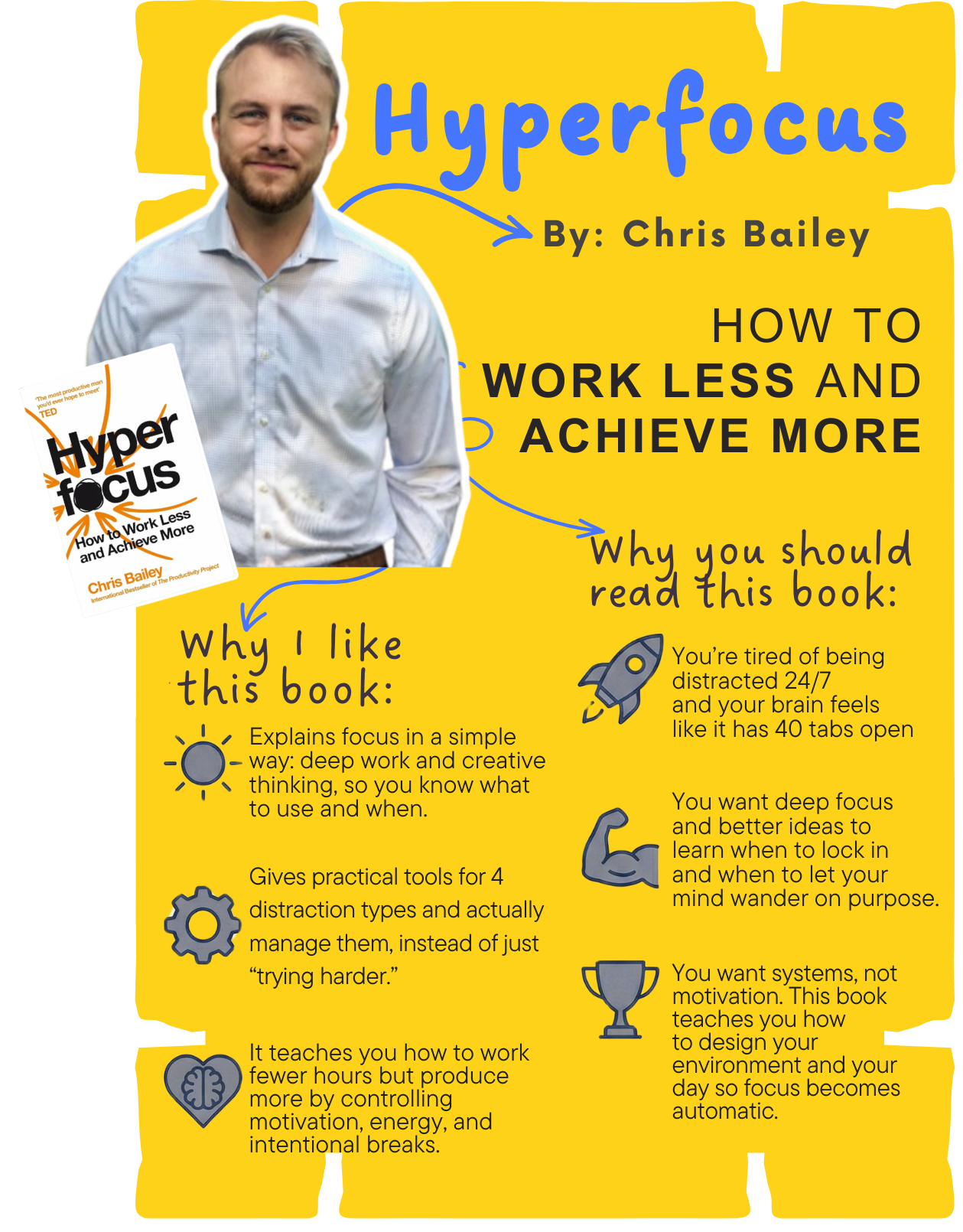
“Hyperfocus helped me recognize the limits of my attentional space and make my environment more conducive to focus.”
– The New York Times
Audience Question:
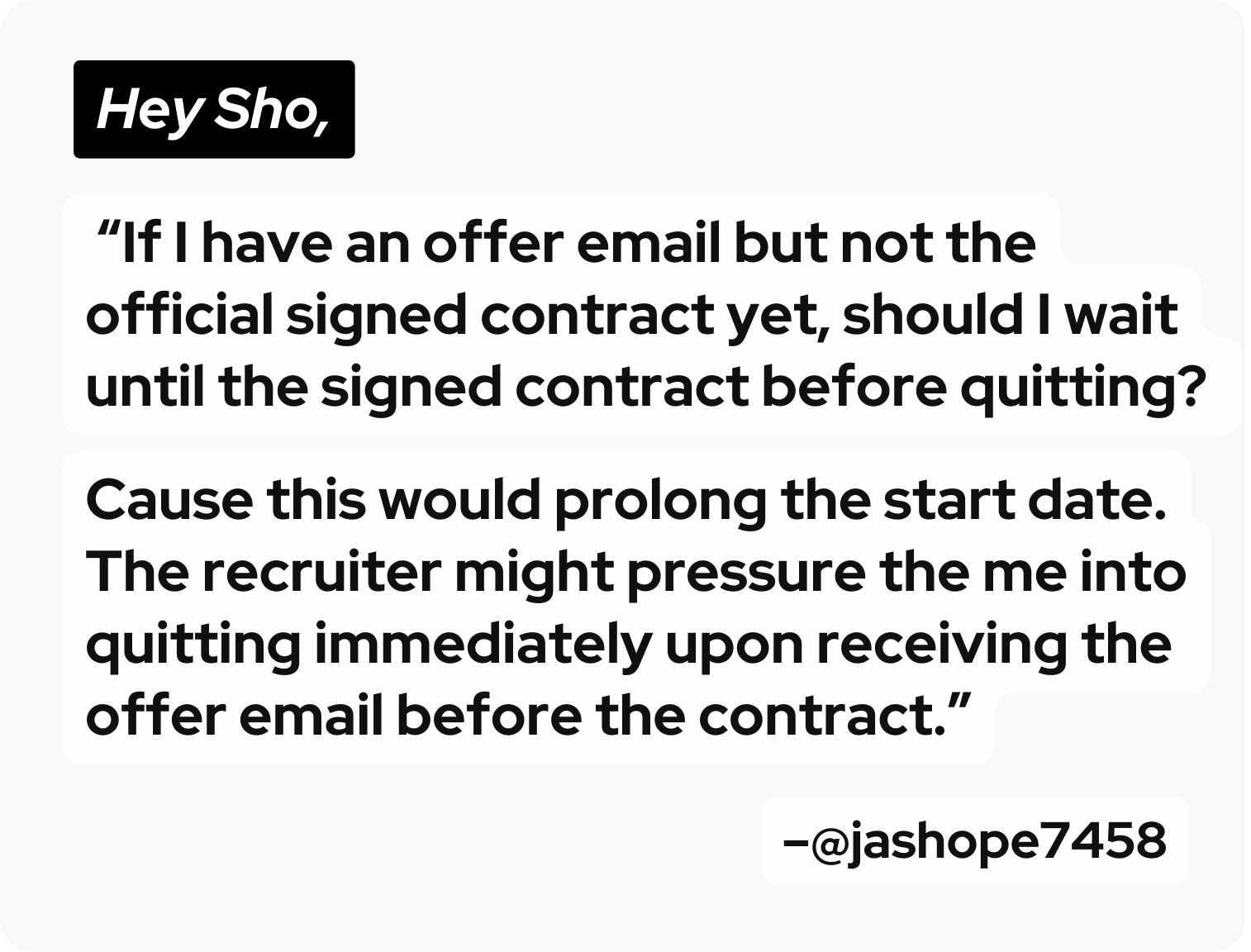
Yes. Wait until everything is SIGNED before you quit. Full stop.
I know recruiters can make it feel like you’re being “difficult” if you don’t resign right away. But the truth is, an offer email is not the same thing as a signed contract. Things can shift. Budgets get frozen. Headcount gets paused. Internal approvals get delayed. It happens.
And I learned this the hard way.
In my first job in consulting, I casually told my manager (who I was close with) that I was thinking about moving abroad and might leave. I thought I was being transparent. Next thing you know, HR pings me. “Hey, can we chat?” That is when I realized something important: even if you trust your manager, you don’t control how the company reacts.
So here’s the rule I want you to tattoo on your brain:
Do NOT tell anyone you’re quitting until it’s official and signed.
Here’s the safe play, step by step:
✅ Get the verbal offer and negotiate first
Salary, bonus, start date. Lock it in while you have leverage.
✅ Wait for the written contract and read everything
Start date, comp details, probation terms, clauses. If anything is unclear, ask before signing.
✅ Only quit after you sign
Once it’s signed and confirmed, then you give notice.
And on that start date pressure: recruiters might push you to start immediately after your notice period. You can say no or negotiate this way:
“I’m totally excited to start and I can begin on [date]. I need a short reset between roles so I can come in strong.”
Resets are normal and having you in your best well-rested version is a win for them too!
One more thing, because this part matters:
Giving two weeks notice is still okay most of the time. But if you work somewhere that’s known to terminate people the moment they resign, do not take that risk. Protect your income and your security.
So, remember… signed contract first. Resignation second.
Never let urgency from someone else make you gamble with your livelihood.
Now if you’ve done the thinking and you’re ready to move forward to your new job, check out my vodcast on how to quit your job the right way where I talk about:
Watch the full episode here: How To Quit Your Job (The RIGHT Way)
Got a career Q that you want to me to answer? 🤔
I’m starting a quick Q&A series where I answer real questions every other week.Ask me about job stuff, interviews, resumes, awkward convos w/ your manager…
I’ll help you figure all of that out!
Just drop a (3–5 sentences) comment or DM me your situation and how I can help.
If you want it anon, just say so. Let’s get into the good stuff.
If you need career-related advice or got some stories to share, send them here or email them to: support@workhap.com.
For more content, follow me on social media: Sho Dewan in LinkedIn and @workhap in Instagram, Facebook, Tiktok, and Youtube

No posts
Comments
Nothing yet. Say the first thing.
Sign in to join the conversation.