Good morning, and welcome to the Women in Dermatology newsletter from Chronicle Companies. We’re pleased to have you join us. Let’s get you updated on new findings regarding dermatologic issues that affect women — and the female dermatologists who care for them. We welcome your feedback and suggestions. Please let us know if you have any comments or observations. You can email them to us at health@chronicle.org. This biweekly bulletin is presented with the support of our friends at Galderma Canada.
A review in Dermatologic Therapy (May. 16, 2026; 2026 (1): 9050616) assessed the impact of psoriasis and atopic dermatitis (AD) on women’s reproductive health and pregnancy outcomes. The researchers found that psoriasis often improves during pregnancy, while AD frequently worsens due to pregnancy-related hormonal and immune changes.
The authors reviewed findings from clinical and immunological studies on reproductive-aged women with psoriasis and AD. They noted that pregnancy alters immune responses throughout each trimester and that these changes may contribute to the worsening of AD symptoms. They reported that older studies suggest around 50% of pregnant women with AD experience worsening disease activity, although recent data suggest only 17.7% see increased symptoms. They emphasized that poorly controlled moderate-to-severe AD may increase risks of infections and adverse maternal and neonatal outcomes.
The authors also examined treatment approaches for AD during pregnancy. They reported that moisturizers, topical corticosteroids, and ultraviolet phototherapy are generally considered the safest options. Systemic therapies such as oral corticosteroids, cyclosporine, and azathioprine may be used cautiously in severe cases, and biologics such as dupilumab require individualized risk-benefit assessment because pregnancy safety data remains limited.
For psoriasis, the review found that rising hormonal levels during pregnancy may reduce inflammation and improve symptoms in many women. The authors cited studies showing that 55% of women with psoriasis improved during pregnancy, and many experienced worsening disease activity postpartum as hormone levels declined. They also reported that severe psoriasis during pregnancy has been associated with higher risks of preterm birth, low birth weight, gestational diabetes, and preeclampsia.
The review also examined psoriasis treatments during pregnancy. The authors reported that topical corticosteroids and ultraviolet B phototherapy are commonly used first-line options. However, systemic corticosteroids and cyclosporine should be used cautiously in severe cases. Methotrexate and retinoids were described as contraindicated because of teratogenic risks. The authors emphasized that managing AD and psoriasis during pregnancy requires balancing disease control with maternal and fetal safety.
The Takeaway: The study found that pregnancy-related hormonal and immune changes may worsen AD but improve psoriasis symptoms. Poorly controlled moderate-to-severe AD and psoriasis may increase risks of adverse maternal and neonatal outcomes. Topical corticosteroids and ultraviolet phototherapy are the safest first-line treatment options during pregnancy for both conditions. Managing AD and psoriasis during pregnancy requires an individualized approach.
A study in the Journal of Cosmetic Dermatology evaluated the impact of a facial serum containing 13 plant adaptogens on skin quality in perimenopausal and postmenopausal women. The researchers found that the serum improved skin hydration, elasticity, fine lines, wrinkles, dullness, texture, redness, and uneven pigmentation.
The authors conducted a 16-week open-label trial including 55 perimenopausal and postmenopausal women. The participants applied the serum twice daily and underwent clinical assessments of wrinkles, skin elasticity, hydration, transepidermal water loss, and overall skin quality. The results showed significant improvements in skin elasticity and wrinkles within eight weeks, with continued improvement through the trial’s end date. Most participants also reported improved skin quality, hydration and smoothness. All adverse events were mild.
A study published in Lasers in Surgery and Medicine evaluated the efficacy and safety of fractional carbon dioxide laser therapy in women with vulvar lichen simplex chronicus (VLSC). The researchers found that fractional carbon dioxide laser treatment significantly reduced vulvar itching, dyspareunia, and clinical symptom severity.
The authors retrospectively analyzed 88 women with VLSC who underwent three sessions of fractional carbon dioxide laser therapy between Jan. 2022 and Jan. 2024. The results showed that most patients responded to treatment, with improvement rates of 89.8% within the first month, 93.2% at six months, and 88.6% at 12 months. Additionally, treatment outcomes did not differ based on menopausal status or disease duration.
A study published in the Journal of Cosmetic Dermatology evaluated the relationship between facial sagging and structural changes in the skin, fat, and facial muscles in Japanese women. The researchers found that facial sagging was associated with lower skin elasticity, changes in subcutaneous fat, and age-related changes in facial muscles.
The authors conducted a cross-sectional observational study involving 220 Japanese women between 20 and 79 years. They assessed facial sagging using and evaluated dermal elasticity, subcutaneous fat thickness, muscle characteristics, and three-dimensional facial movement. The results showed that facial sagging scores increased significantly with age and were associated with lower skin elasticity. The study also found that different facial areas and age groups were affected by different structural changes.
A review in Acta Dermato-Venereologica examined pregnancy, family planning, and reproductive outcomes in women with atopic dermatitis (AD). The researchers found that more than one-half of women with AD reported concerns related to pregnancy and family planning. However, overall pregnancy rates and most pregnancy and birth outcomes appeared similar to those in women without AD.
The authors conducted a systematic literature review in EMBASE and PubMed through Jan. 19, 2026. A total of 24 studies were included in the final analysis. The results revealed conflicting findings regarding fertility and disease severity during pregnancy. However, two studies found that pregnancy rates were either similar or higher in women with AD compared with controls. Additionally, studies consistently reported either a protective effect or no association between AD and adverse pregnancy outcomes such as preterm birth, gestational diabetes, and stillbirth. Findings related to gestational hypertension, preeclampsia, and miscarriage were inconsistent across studies.
Montreal-based dermatologist Dr. Danielle Marcoux gives a presentation on new pediatric treatment options at the Skin Spectrum Summit conference in Toronto in October 2025.
A case report in Clinical, Cosmetic and Investigational Dermatology described a 35-year-old pregnant woman who presented with a 10-day history of progressive facial erythema, swelling, and severe itching. She also had a history of allergic rhinitis and asthma. The patient had previously received treatment with oral loratadine, topical desonide cream, epidermal growth factor preparation, and moisturizing repair creams, but her symptoms did not improve. An examination revealed diffuse facial erythema, edema, and mild oozing, which confirmed a diagnosis of acute eczematous facial dermatitis. The patient declined systemic corticosteroids due to pregnancy concerns and was treated with stapokibart, a monoclonal antibody. She reported significant improvement in itching within three days, and the lesions had almost completely resolved by day 31. Clinical severity, itching, and quality-of-life scores also improved substantially during treatment.
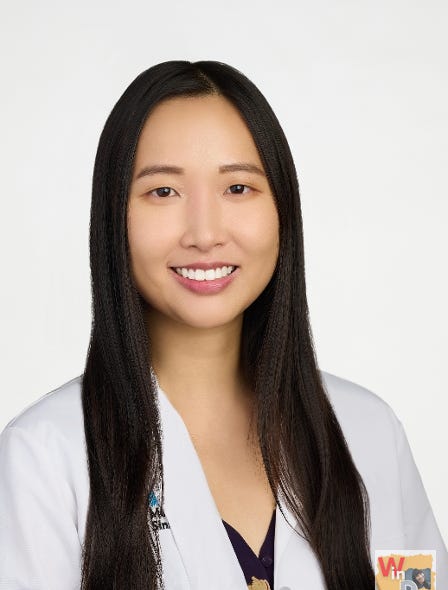
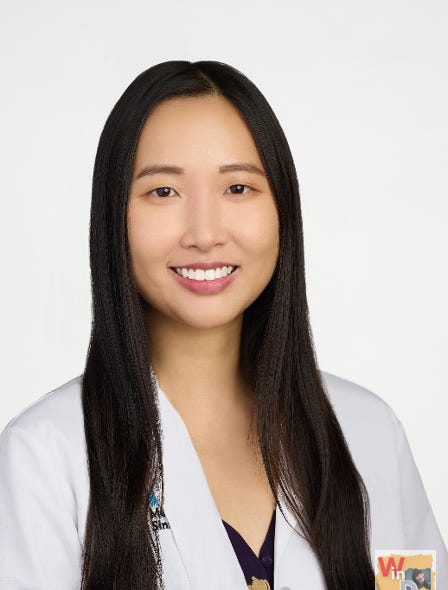
“It is important to realize that collagen supplements do not directly deposit the ingested collagen into the skin. Instead, these peptides and amino acids may stimulate the body’s signalling pathways to increase collagen production, ultimately leading to increased collagen in multiple tissues, including the skin.”
— Dr. Helen He, director of lasers and cosmetic surgery and dermatology assistant professor at the Icahn School of Medicine at Mount Sinai in New York in an interview with Vogue.
You are receiving this newsletter because you subscribe to Women in Dermatology or another Chronicle journal, have attended a Skin Spectrum Summit live event or webinar, or have previously requested a subscription to one of our newsletters. If you no longer wish to subscribe to this newsletter, please email the subject line “Unsubscribe Women in Dermatology” to health@chronicle.org.
Chronicle Companies publish Women in Dermatology: 1460 The Queensway, Suite 212, Etobicoke, Ont. M8Z 1S4


Comments
Nothing yet. Say the first thing.
Sign in to join the conversation.