Good morning, and welcome to the Women in Dermatology newsletter from Chronicle Companies. We’re pleased to have you join us. Let’s get you up to date on new findings regarding dermatologic issues that affect women—and the female dermatologists who treat them. We welcome your feedback and suggestions. Please let us know if you have any comments or observations. You can email them to us at health@chronicle.org. This biweekly bulletin is presented with the support of our friends at Galderma Canada.
A study in the Journal of Cutaneous Medicine and Surgery (Jul. 24, 2026) evaluated whether a dermatologist- and urogynecologist-led virtual support group could improve quality of life in women with vulvar lichen sclerosus (VLS). The researchers found that participants who attended the support group sessions experienced significantly greater improvements in quality of life than those who received standard care alone.
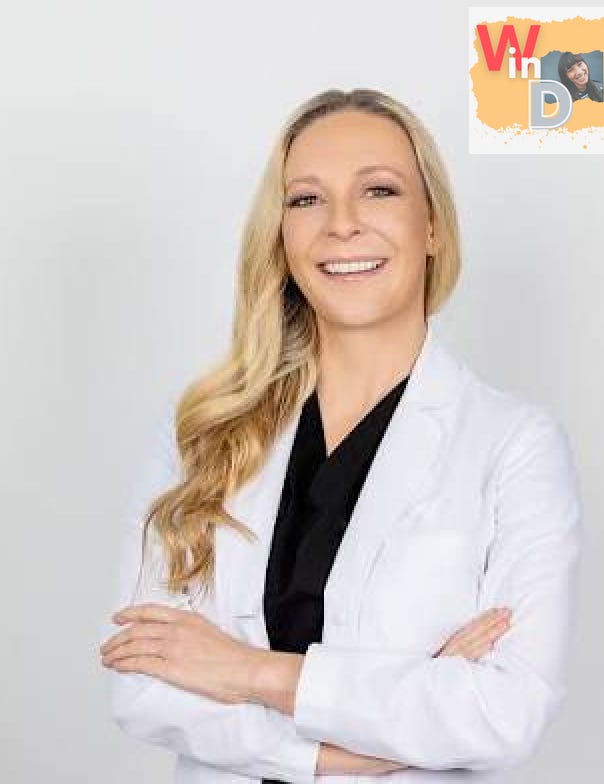
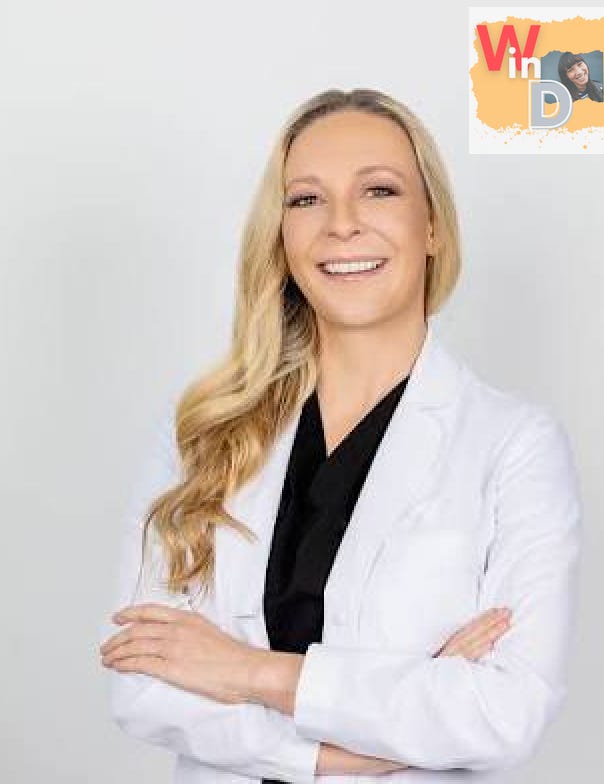
This randomized controlled trial led by Dr. Marlene Dytoc [pictured above] of the University of Alberta included 68 women with clinically diagnosed or biopsy-confirmed VLS recruited from a vulvar dermatology clinic in Edmonton. All participants received standard clinical care and an educational handout. The 35 participants included in the intervention group also attended three monthly 60-minute virtual support sessions led by a dermatologist and urogynecologist. Quality of life was assessed using the Vulvar Quality of Life Index (VQLI) at baseline and at three-month follow-up visits.
The results revealed that women in the support group experienced significantly greater improvements in total quality-of-life scores throughout the study. Average VQLI scores in the intervention group declined by 8.5 points over the three months, while no significant improvement was observed in the control group.
Participants in the intervention group also reported greater improvements across all six quality-of-life domains. The greatest improvements were seen in emotional wellbeing, relationships and sexual health, symptoms, and concerns about future health. Treatment-related burden and daily activities also improved significantly by the final follow-up. However, women receiving standard care alone did not experience meaningful changes in quality of life over the study period.
Qualitative feedback indicated that women valued discussing symptom management, disease progression, sexual health, cancer risk, body image, and coping strategies. Most participants in the support group reported symptom improvement, which they attributed to practical advice, a better understanding of their condition, and learning strategies to manage flares.
Participants also described feeling less isolated, less embarrassed, and more confident after connecting with others living with VLS and receiving guidance from specialists. In contrast, women in the control group reported limited access to information, insufficient follow-up, and a need for more support from healthcare providers.
The Takeaway: The study found that an expert-led support group significantly improved quality of life in women with VLS. Participants credited the support sessions with helping them manage symptoms, flares, and the long-term challenges of VLS. Women who attended the support group reported feeling less isolated and more empowered after hearing other patients’ experiences. The findings suggest that expert-led virtual support groups may be an impactful, accessible, and scalable adjunct to medical therapy for patients with VLS.
A study published in Dermatology and Therapy evaluated the effects of four oral hair growth nutraceutical formulations in women with thinning hair. The researchers found that all four supplements significantly increased hair growth rate, hair counts, and scalp coverage after six months.
The study included 150 women with self-reported hair thinning later confirmed by a dermatologist. They were assigned to one of four supplement formulations tailored to different life stages and diets. The authors assessed hair growth at baseline, 90 days, and 180 days using phototrichogram imaging. The results showed that hair growth rate increased significantly across all groups after six months. The supplements also increased total and terminal hair counts, increased the number of hairs in the growth phase, improved scalp coverage, and were associated with high participant satisfaction. Most treatment-related adverse events were mild, with gastrointestinal issues and acne reported most frequently.
A study in JAMA Dermatology examined intentional outdoor tanning among U.S. adults and the factors associated with this behaviour. The researchers found that intentional tanning was common, particularly among younger women, and was associated with a higher prevalence of sunburn.
The authors analyzed data from 31,615 adults who participated in the 2024 National Health Interview Survey. Participants reported how often they intentionally spent time outdoors tanning and if they had experienced a sunburn in the previous 12 months. The results revealed that 35.6% of women intentionally tanned outdoors. The rate reached 48.1% in women aged 18 to 29 years. Intentional tanning was also more common in White women, physically active women, and women who reported heavy or binge drinking. Nearly half of adults who intentionally tanned reported a sunburn, compared with 28.3% of those who did not intentionally tan.
A study published in Archives of Dermatological Research examined the biophysical characteristics of the scalp of healthy women wearing hijab compared to those who do not. The researchers found no significant differences in scalp water loss, hydration, or sebum levels between the two groups.
The study included 188 premenopausal women over 18 years of age who were divided into two groups according to their hijab-wearing status. Women in the hijab group had worn a hijab for a minimum of eight hours a day for at least five years. The researchers measured transepidermal water loss, skin hydration, and sebum levels after a washout period. The results showed that none of these measures differed significantly between the two groups. The authors concluded that long-term hijab use did not affect the scalp characteristics measured in the study.
A study in the Journal of Cosmetic Dermatology evaluated the effects of milk protein hydrolysates on skin condition in healthy Japanese women. The researchers found that casein hydrolysate MMP1C may reduce advanced glycation end products (AGEs) in the skin and may contribute to the prevention of skin aging.
The authors conducted two randomized, double-blind, placebo-controlled trials. The first trial included 60 women who received 5 mg/day of casein hydrolysate MMP1C, whey protein hydrolysate MMP2W, or placebo for eight weeks. The second one included 120 women who received 1 mg/day of casein hydrolysate MMP1C or placebo for eight weeks. The results showed that 5 mg of casein hydrolysate MMP1C improved participants’ ratings of skin dullness, spots, texture, elasticity, gloss, and brightness. In the second trial, casein hydrolysate MMP1C significantly reduced skin AGE levels and produced better results for UV and brown spots than the placebo. No side effects were reported.
Toronto-based dermatologist Dr. Renée Beach gives a presentation on acne and dandruff at the Skin Spectrum Summit in Toronto in October 2025.
A case report in the Journal of Clinical and Aesthetic Dermatology described a 58-year-old Black woman with a history of childhood-onset atopic dermatitis (AD), pulmonary sarcoidosis, and hypertension who developed severely itchy skin lesions on her face, neck, scalp, hairline, and eyelids. Topical corticosteroids and calcineurin inhibitors provided little improvement, while prednisone provided only temporary relief and caused mood changes. A skin biopsy revealed inflammation consistent with AD and cutaneous sarcoidosis. Due to persistent symptoms, her care team started daily upadacitinib treatment. After one month, the patient experienced significant improvement in redness, scaling and itching, and her self-reported itching score decreased to 1/10 from 9/10.
“To address wrinkles that are caused by muscle movement, topical products aren’t going to cut it. Neurotoxin injections soften the platysma muscles, helping to both lift the lower face and smooth out the neck.”
— Dr. Kristina Collins, an Austin, Texas-based dermatologist, in an interview with Women’s Health Magazine.
You are receiving this newsletter because you subscribe to Women in Dermatology or another Chronicle journal, have attended a Skin Spectrum Summit live event or webinar, or have previously requested a subscription to one of our newsletters. If you no longer wish to subscribe to this newsletter, please email the subject line “Unsubscribe Women in Dermatology” to health@chronicle.org.
Chronicle Companies publish Women in Dermatology: 1460 The Queensway, Suite 212, Etobicoke, Ont. M8Z 1S4



Comments
Nothing yet. Say the first thing.
Sign in to join the conversation.