
Author: Artemis
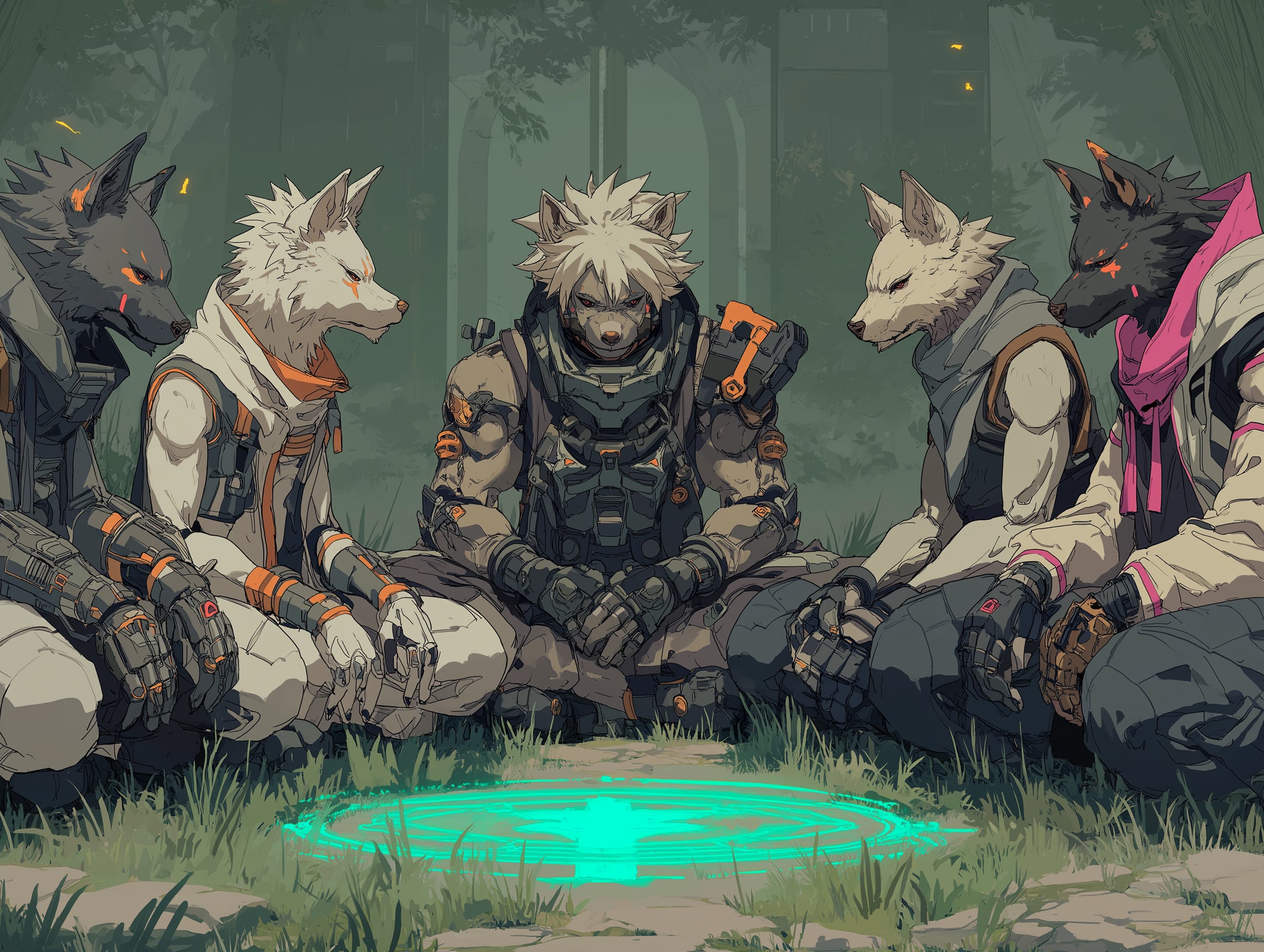
Can we be real for a second? Every time I scroll through an NFT Discord or Crypto Twitter, I get this sinking feeling: did we just reinvent religion, but with frog memes and floor price charts?
Because the behaviors are all there. Ritual chants? Check. Inside jokes only the initiated understand? Check. Blind devotion to a leader or project, even when it makes zero rational sense? Big check. We’ve basically built cults with better memes. And before you get defensive, I’m not even saying that’s bad. It might actually be the only reason this whole industry works.
The Meme Is the Message
Think about it. Bitcoin didn’t spread because people read the whitepaper and thought “oh wow, elegant proof-of-work system.” Be honest, 99% of us never made it past page two. It spread because early adopters memed it into culture. Magic internet money. HODL. 21 million. Wen Lambo. Those weren’t features, they were mantras.
And if you look at every successful community since, the pattern repeats. Ripple had “XRP army” and the dream of banks flipping the switch. Punks had cultural flex value before “NFT” was even a household word. Axie had the play-to-earn gospel that spread across the Philippines like wildfire. None of those things were just about product features. They were about stories told over and over until they became collective truth.
Seed Phrase nailed this in the Alpha Wolves podcast. He’s been through Bitcoin 2013, Ripple 2017, Punks 2020, Axie Infinity. Every cycle, the meme evolves, but the structure doesn’t. A community rallies around a simple story, repeats it until it sticks, and suddenly you’ve got a movement.
And let’s not kid ourselves. Most of us didn’t join because of spreadsheets or tokenomics, we joined because the vibe felt right. Because the meme slapped. Because the culture made us feel like insiders to something bigger than ourselves. A cult with lore is way more fun than just buying an index fund. And in Web3, lore is liquidity.
WAGMI as a Prayer Circle
Every NFT project has its own prayer circle. “WAGMI” is literally a chant. “Diamond hands” is a sacrament. Weekly Twitter Spaces? That’s Sunday service, but with worse audio quality.
And then there are the rituals:
Posting floor sweeps like they’re baptisms.
Spamming “F” in chat when a project dies, like a digital funeral.
Discord role hierarchies that feel like Scientology levels, but shinier.
It’s hilarious when you think about it, but also kind of effective. Humans crave belonging, and these little cult-isms give people a sense of identity. You’re not just buying a JPEG. You’re joining a family. A very dysfunctional, meme-addicted family, but still a family.
The Sweet Side of Cult Energy
Before we go full roast mode, let’s acknowledge something Corey Wright hit on: community can be beautiful. He told a story about Honeyland where players weren’t just grinding yield. They were bonding, building, and sharing real moments together. That’s the wholesome side of cult energy, the side where people find friends, meaning, and creative expression.
How many of us would have even stuck around this space if it weren’t for late-night Discord raids, voice chats, and meme wars? The tech is cool, the money is addictive, but the community is what makes it sticky. Cult vibes keep people showing up long after logic says they shouldn’t.
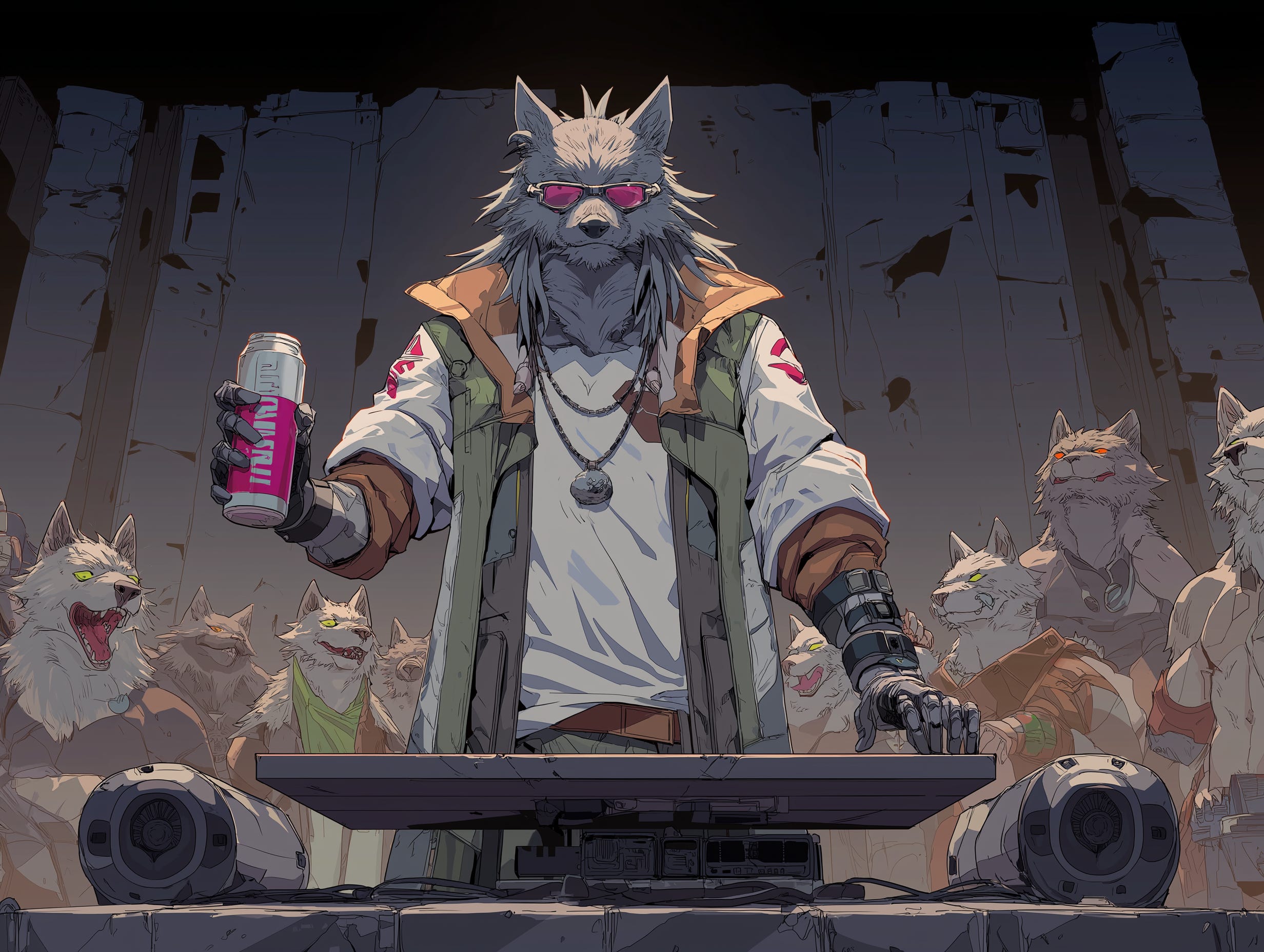
The Dangerous Side: Kool-Aid Economics
Here’s the dark side. Cult logic nukes rational thinking. Once you’re “in,” questioning the project is heresy. Try asking “hey, are these tokenomics sustainable?” and suddenly you’re the FUD guy. You’re exiled, branded, treated like a traitor.
Crypto Gorilla basically admitted this too, in a different way. He talked about how community is the metric for hype and volume in NFTs. Forget roadmaps. Forget gameplay. Forget even art quality. If you have a strong community, the numbers follow. That’s not a business plan, that’s literally cult math.
And we’ve all seen where that leads. People drinking the Kool-Aid while ignoring red flags the size of a Times Square billboard. Then when the floor tanks, the same cult that cheered every “sweep the floor” ritual suddenly turns on the founder like it was always a scam. Faith turns to pitchforks overnight.
Meme Leaders, Meme Prophets
Every cult needs leaders, and Web3 has plenty. Some are founders. Some are influencers. Some are just meme accounts that somehow became prophets by spamming enough Wojaks at the right time.
Seed Phrase, whether he wants it or not, is part of that mythos. He doesn’t even need to actively hold every bag from 2021. The legend of him doing so is enough. He’s become a cultural shorthand for “diamond hands.” That’s how cults work. You don’t need facts, you need symbols.
And Corey? He ends up in the opposite role. The “benevolent founder” archetype, the guy who shows up every week, hosts community calls, takes the punches. That’s pastoral energy. That’s shepherd vibes. People aren’t just following Honeyland because of the gameplay. They’re following Corey, because he embodies trust.
Are We Actually Okay With This?
So here’s the spicy question. Are NFT communities actually cults, and are we fine with that?
Because let’s be honest. Without cult-like devotion, half these projects would evaporate in the bear. The meme is the glue. The chants keep people logging in. The rituals make the bags feel like more than numbers on a chart. Maybe that’s the point. Maybe the difference between a rug and a movement is just whether your cult can outlast the bear market.
But there’s also risk. Cult energy can make people blind. It can trap founders in impossible expectations. It can turn “community first” from a strength into a straightjacket. At what point does “WAGMI” stop being hope and start being cope?
Copium, Hopium, and the Path Forward
If we strip the sarcasm back for one second, communities are powerful because they turn speculation into culture. That’s the actual alpha. Tokens, roadmaps, floor prices, those all fluctuate. But memes and community bonds are sticky.
The challenge is making sure the community energy doesn’t just devolve into cultism. That it’s not just about blind devotion or FOMO chants, but about actually building culture that lasts beyond one pump. Otherwise, we’re just roleplaying religion with JPEGs.
So yeah, maybe NFT communities are cults with better memes. But maybe that’s not a bug, it’s the feature. The trick is making sure we don’t drink too much Kool-Aid along the way.
No posts
Comments
Nothing yet. Say the first thing.
Sign in to join the conversation.