
As Vladimir Putin’s Muscovite regime begins to teeter, the West — minus Putin’s lackeys in Washington — must not make the same mistake it made in the years leading up to the downfall of the Soviet Union. As Soviet republics began to assert their independence from Moscow — starting first with the Baltic nations — the West, particularly the George H. W. Bush administration waffled on granting the Baltic nations of Lithuania, Latvia, and Estonia full diplomatic recognition. It was true that the United States never fully recognized, de jure, the incorporation of the Baltic nations into the Soviet Union in 1940. The U.S. did, however, de facto recognized that the Baltic states were Soviet Socialist Republics and, as such, were part of the Union of Soviet Socialist Republics.
De jure recognition by the United States meant that the legations of the Baltic states in Washington, DC and their diplomats appointed before Soviet occupation remain accredited by the U.S. State Department. In addition, Baltic assets in the United States were protected from Soviet claims.
The United Kingdom adopted the same approach with the Baltic states during and after World War II. It was generally joined by Canada, Australia (except during the Gough Whitlam government in 1974-75), Ireland, the Holy See, Iceland, Denmark, France, and Belgium.
The West must not make the same mistake it made in 1990, when the Baltic states unilaterally re-declared their independence from Moscow. The George H. W. Bush and Margaret Thatcher governments initially withheld granting de facto recognition of Baltic independence because they were in support of Soviet President Mikhail Gorbachev’s reforms and wanted to avoid the destabilization of the USSR. The Washington Post reported on September 1, 1991 that “Senior officials in President Bush’s entourage expressed deep unease at the prospect of losing a diplomatic partner of the stature of the Soviet Union led by Mikhail Gorbachev and the emergence in its place of dubious, charismatic leaders such as Russian President Boris Yeltsin.” Chief among Bush’s pro-Soviet advisers was national security adviser Brent Scowcroft.
This myopic policy of Western nostalgia for the Soviet Union eventually led to Vladimir Putin’s rise to power and his policy of restoring the Soviet Union by military means.
After the attempted hard liners’ coup against Gorbachev in August 1991, the West had already lost valuable time in ensuring not only the breakup of the Soviet Union but also the sovereignty and independence of the many ethnic republics within the Russian Socialist Federative Soviet Republic (RSFSR) that clamored for the same recognition by the West that was afforded to the Baltic states, Ukraine, Kazakhstan, Georgia, Belarus, and other newly-independent former Soviet Socialist Republics.
Chief among the rebellious autonomous republics (ASSRs) of the RSFSR that declared independence or sovereign autonomy in 1991 was the Chechen-Ingush ASSR. In September 1991, the Chechen National Congress seized power in the Chechen capital of Grozyny. In November of 1991, Dzokhar Dudayev declared the Chechen Republic of Ichkeria as independent from the RSFSR. The Russians refused to recognize the state, an act that led to the First Chechen-Russian War of 1994-1996.
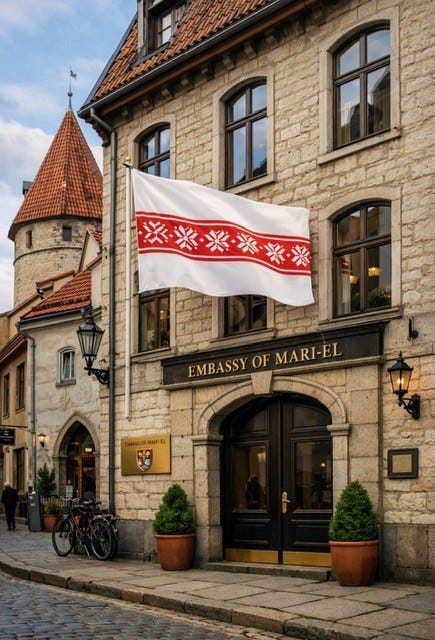
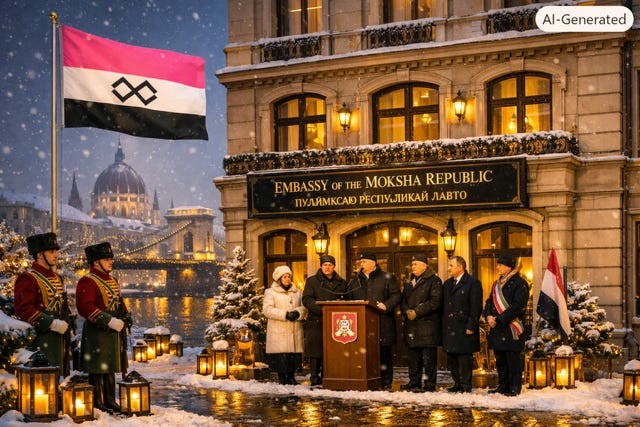
Other ethnic non-Russian republics in the newly-formed Russian Federation eyed what was happening in Chechnya with not only interest but dread. The Boris Yeltsin government in Moscow followed the same imperialist designs upon the non-Russian captive nations of Moscow that had been enacted by the Russian Czars, Joseph Stalin, and Soviet leaders up to and including Yeltsin. Four of the non-Russian republics — Tatarstan, Bashkortostan, Sakha (Yakutia), and Tuva (which did enjoy independence between World Wars I and II), did declare state sovereignty from Moscow but stopped short of full independence.
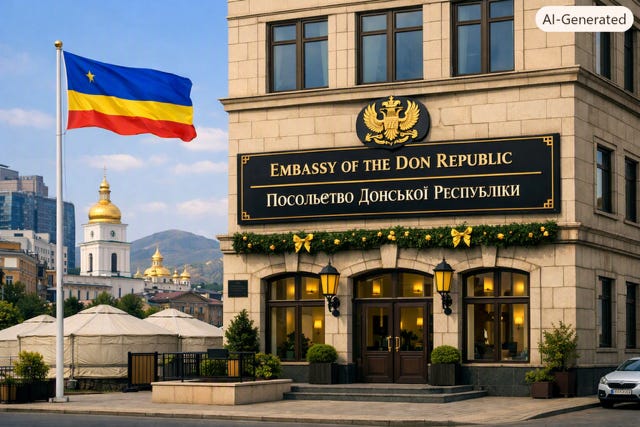
Ukraine is not dragging its feet on preparing for the independence of scores of non-Russian nations should the Russian Federation collapse as rapidly as had the Soviet Union. Kyiv has quietly built the political, informational, and diplomatic infrastructure that would allow it to support decolonization movements inside Russia after the overthrow of the Putin regime.
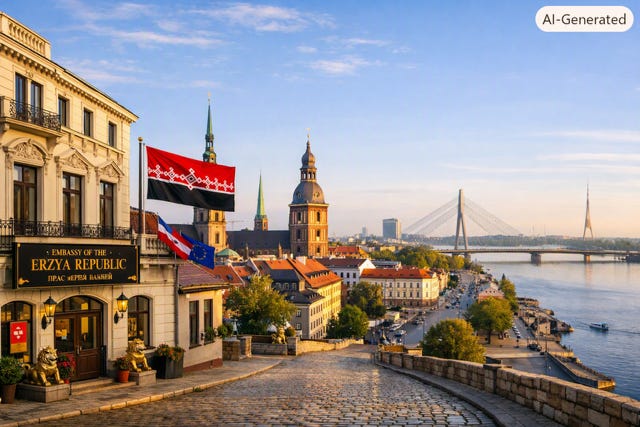
Since 2022, Ukrainian officials—including those within the Ministry of Foreign Affairs—have repeatedly described the Russian Federation as a multinational empire whose non‑Russian peoples are held in a state of internal colonization. Kyiv’s policy, which has been joined by a few other Western nations, seeks to de-legitimize Moscow’s authority over ethnic republics, build international acceptance for future independence claims, and position Ukraine as a supporter of “post‑Russian decolonization.”
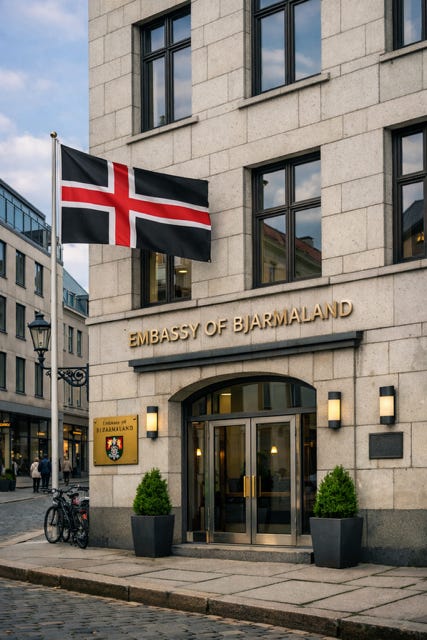
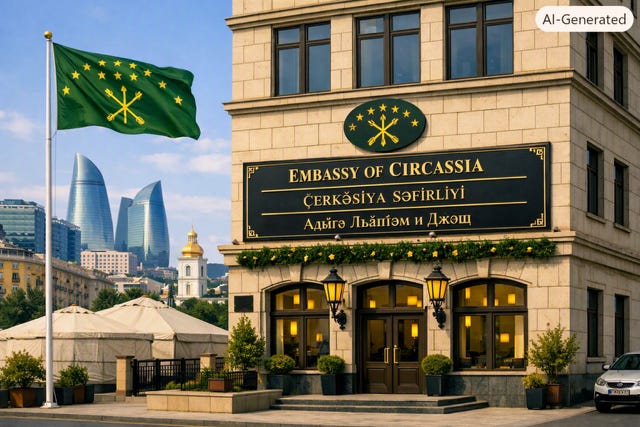
Much as the United States and United Kingdom hosted Baltic governments-in-exile during the Cold War era, Kyiv has created a government‑supported decolonization platform that hosts representatives of Ichkeria (Chechnya), Tatarstan, Bashkortostan, Buryatia, Sakha (Yakutia), Kalmykia, Tuva, Circassian organizations, Ingushetia, Dagestan ethnic groups, Don Cossacks, and Siberian regionalists.
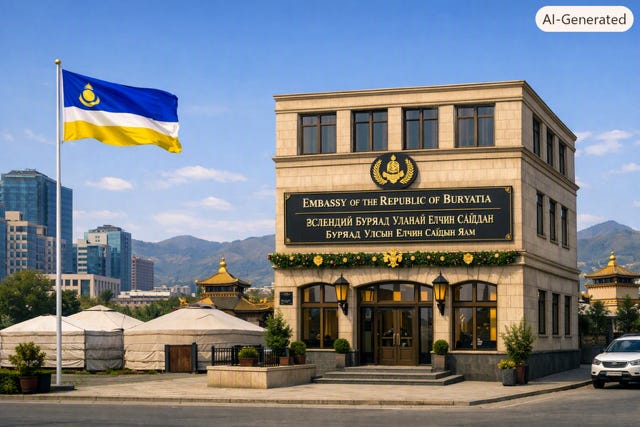
The Ukrainian government has facilitated the coordination of exile governments and movements, drafting of future constitutions, mapping borders of post‑Russian states, training political representatives and diplomats, and the building international recognition networks. Thanks to Kyiv’s support, Chechnya-Ichkeria’s government-in-exile now has a functioning Foreign and Defense Ministry (non-combat) and Tatarstan’s exile groups have drafted constitutional frameworks. In addition, Sakha and Buryat groups have created proto‑ministries for culture and language revival.
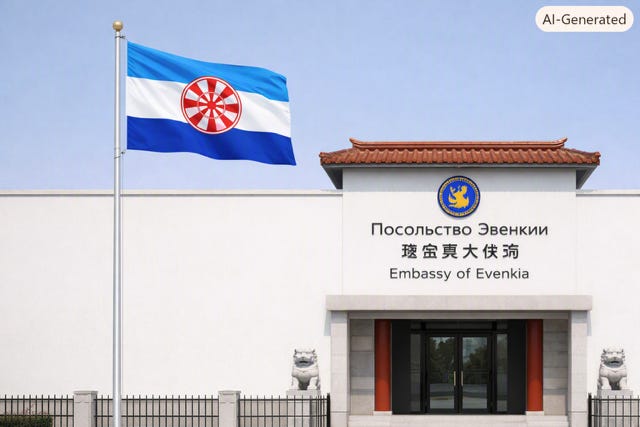
The Ukrainian government has also coordinated its decolonization efforts with Baltic, Polish, Czech, and Nordic officials.
Ukraine’s military intelligence (HUR) and foreign intelligence (SBU) have been amplifying anti‑colonial messaging in Buryatia, Tuva, Dagestan, and Bashkortostan; supporting media outlets that highlight Moscow’s ethnic casualties in the war; helping diaspora groups document repression, mobilization, and demographic losses; and circulating maps of potential post‑Russian nation-states.
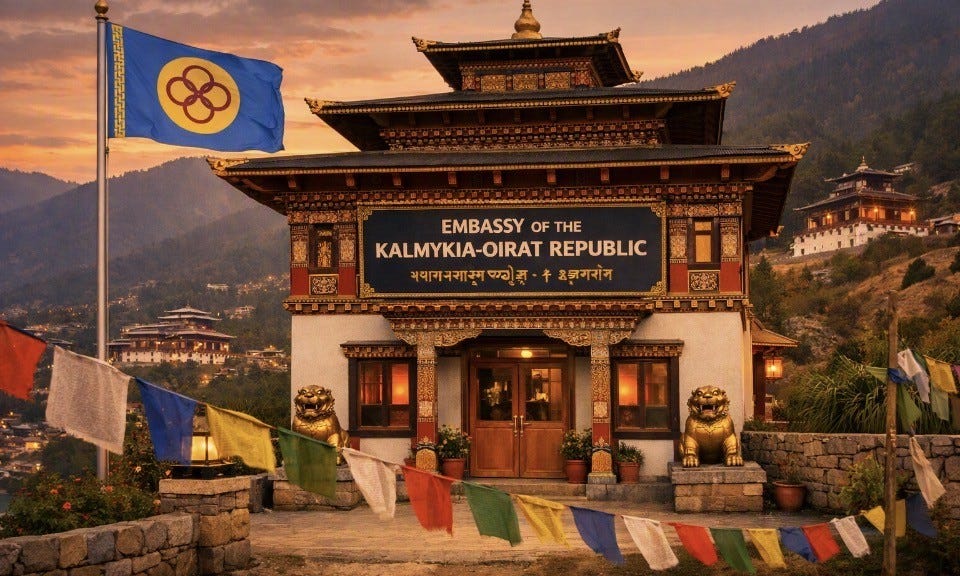
Ukraine has quietly encouraged Western governments to treat Russia’s ethnic republics as potential future nations deserving of diplomatic recognition, meet with exile representatives, include “Russian decolonization” in think‑tank and policy discussions, and prepare for “post‑imperial security scenarios” in Eurasia.
Ukraine’s parliament has recognized the Chechen Republic of Ichkeria as occupied by Russia. This is an important precedent for recognizing other republics as “occupied,” treating their independence movements as legitimate, and framing Russia as an occupying power rather than a federation.
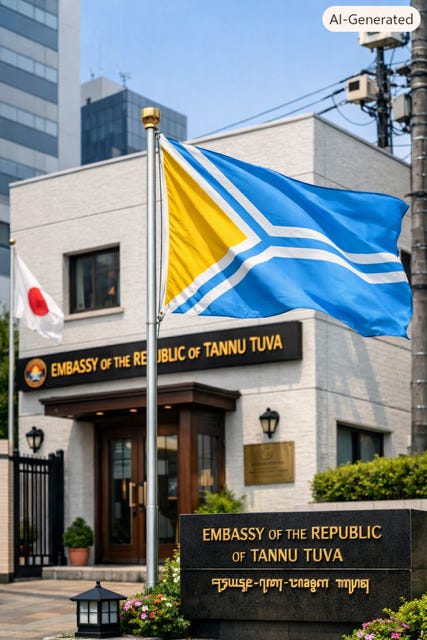
Ukraine has supported and established contact with several post-Putin groups. They include the Free Nations of Post‑Russia Forum, League of Free Nations, Tatarstan Independence Committee, Free Ichkeria (Chechnya), Sakha Independence Movement, Ingria Independence Committee, and others. The Ukrainian government and the independence groups agree the Russian Federation, which has never been fully Russian or has been governed a a true federation, is, in fact, an empire.
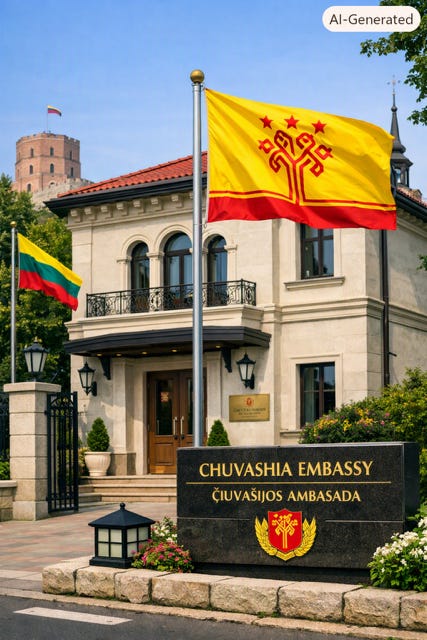
The Russian empire throughout its phases of Czarist Russia, the Soviet Union, and, now, the Russian Federation, was never de-colonized in the same way as the empires of Britain, France, Germany, Portugal, Spain, Italy, Austro-Hungary, the Netherlands, Belgium, and the Ottomans saw their colonies ultimately liberated. Russia’s brutal war against Ukraine has exposed that its imperial designs never ceased and that it plans on restoring an even larger empire of vassal entities.
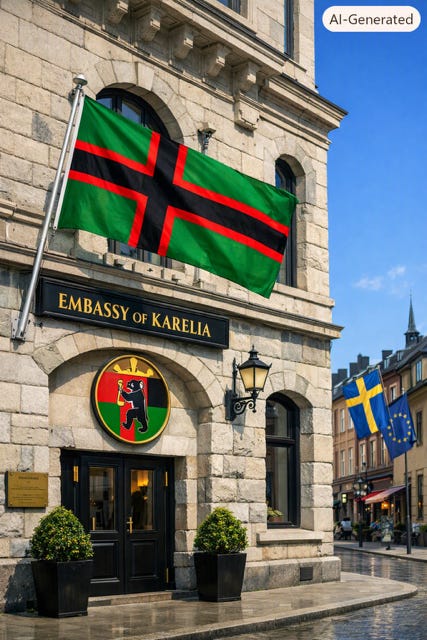
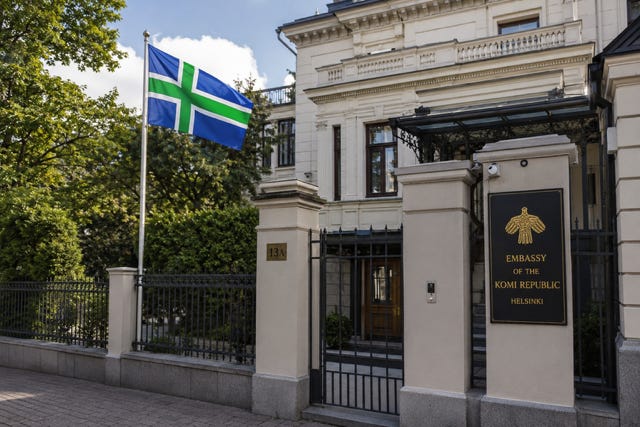
Putin’s imperial policies, especially those dealing with hyper-centralization of control by the Kremlin, pressure to limit the use of non-Russian languages, diminution of non-Russian customs, military conscription of non-Russian minorities, Russianization of ethnic cultural institutions like the Komi State Council and Udmurt State Councils, and other Russia-centric actions, have accelerated separatist sentiment in several regions — especially non‑Russian republics — and empowered exile movements that openly call for the breakup of the federation.
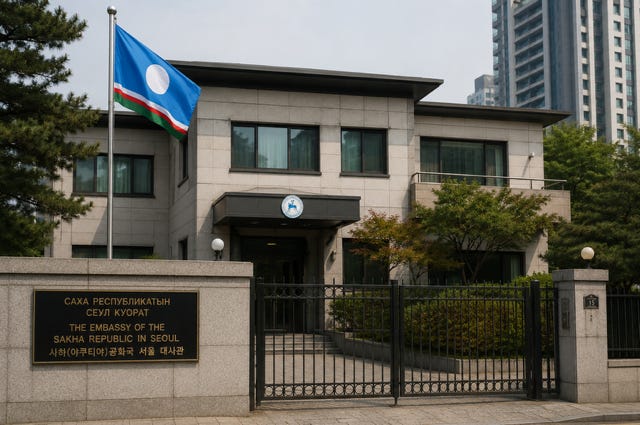
Ukraine has not been alone in supporting the right of non-Russian republics and regions to achieve independence from Muscovite colonialism, Diaspora groups (e.g., Komi National Revival circles in Finland and Estonia) increasingly frame Komi as a colonized Finno‑Ugric nation. The Finno-Ugric community of peoples and nations are hopeful that the new center-right government of Hungary that ousted that of the Russophile Viktor Orban will rejoin the Finno-Ugric nations in supporting their brethren under Russian repression.
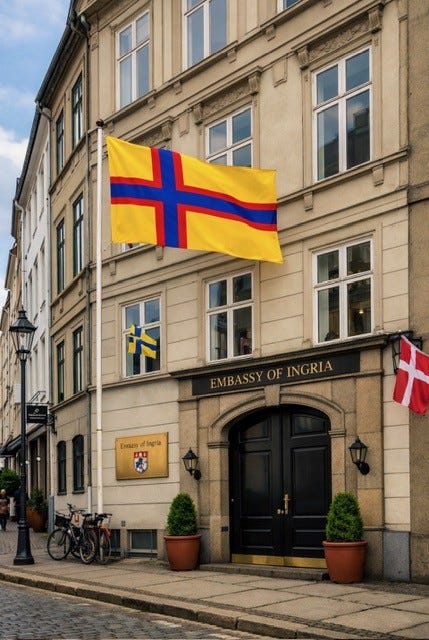
Ukraine has encouraged the Baltic states to meet with exile governments, Poland and Czechia to host forums for non‑Russian nations, Nordic states to include Russian minorities in Arctic governance discussions, and European Union think tanks to publish “post‑Russia” scenarios.
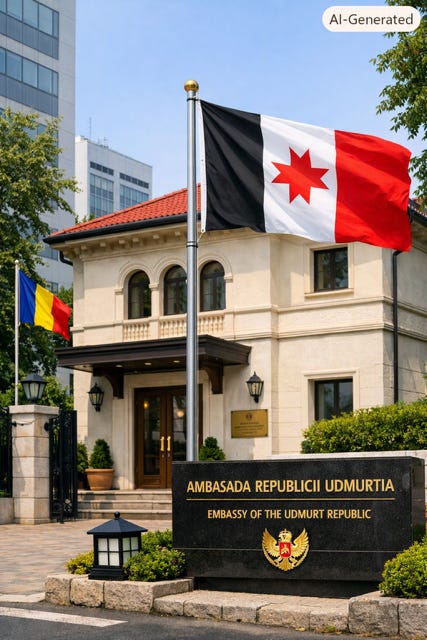
The captive nations of Russia also receive diplomatic support from democratic Belarusian exile groups. The Belarus opposition groups knows their way around Western corridors of power as a result of their lobbying efforts. In addition to advancing their own international efforts, the Belarusian opposition assist their Tatar, Bashkir, Ichkerian, and Circassian colleagues in opening diplomatic doors. The Belarusian opposition has de facto diplomatic ties with 48 countries;“People’s Embassies” in 20 countries (including Lithuania, Poland, Ukraine, Georgia, and Armenia); missions in Tallinn, Brussels, Prague, and Kyiv; and formal relations with the EU, Council of Europe, and NATO. The Belarusian opposition’s contacts with Washington froze when the Trump regime began warming up to the Aleksandr Lukashenko dictatorship in Minsk. The Belarusian opposition’s international presence serves as an important template for how Russia’s captive nations can organize their own influence campaigns abroad.
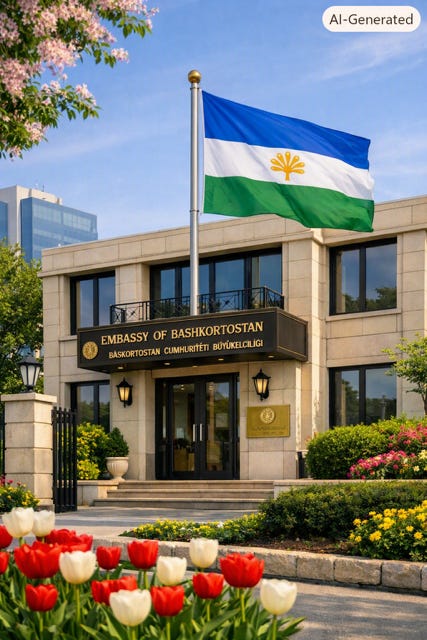
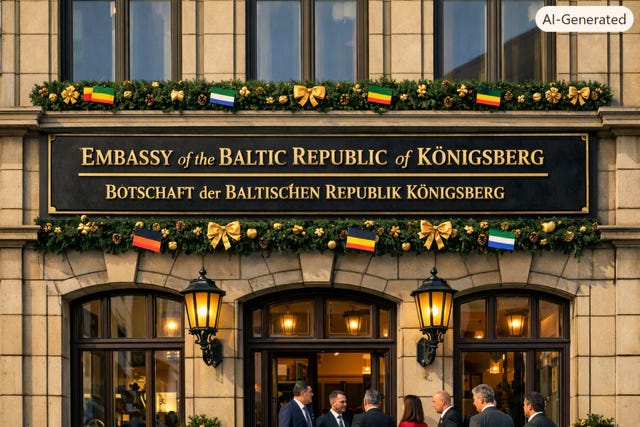
It is strategically important for NATO and the broader Western alliance (including NATO‑Plus partners like Japan, South Korea, Australia, and New Zealand) to support the self‑determination of Russia’s captive nations because it directly strengthens European and Pacific security, reduces the likelihood of future Russian aggression, and creates new potential democratic partners — including some like Karelia, Ingria, Konigsberg, the Komi Republic, and Mari-El — that could eventually qualify for NATO membership.
As the U.S. becomes less engaged in European security — a scenario European strategists openly recognize as real — then Europe needs more buffer states; fewer hostile borders; smaller but more democratically-aligned and European-oriented successor states instead of one giant imperial Russia; and new partners (like arms producer Tatarstan) to share defense burdens. Such an enhanced NATO would be in a better position to fend off aggression from the United States in such NATO-protected areas like Greenland, the Canadian Arctic, Iceland, the Faroes, and the Azores.
Not all captive nations could join NATO — but some absolutely could. Likely candidates would include Karelia (Nordic cultural ties), Ingria (St. Petersburg region, European orientation), Bjarmaland (Arkhangelsk and Nenets cultural zones with historic ties to Norway and the Saami of the Nordic nations), Sakha (Arctic strategic value, democratic diaspora), Komi Republic (Arctic corridor, resource-rich, European ties), Udmurtia / Mari El (Finno‑Ugric cultural ties to EU states), and Tatarstan (strong institutions, large diaspora, economic viability).
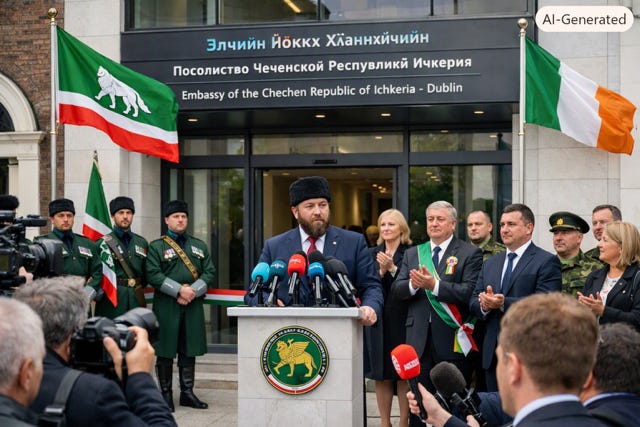
These states have clear national identities, have diaspora governments already forming ministries, have economic viability, and have strategic value to NATO.
Furthermore, if Russia fragments China loses a major strategic partner, North Korea loses a supplier, Arctic and Pacific sea and air routes become safer, and Japan and South Korea gain new partners in Siberia and the Far East, particularly some Far Eastern republics like Sakha, Buryatia, and Tannu Tuva that would be much warier of Chinese intentions than those of Japan and South Korea.
Currently, there are major opponents of such a rapid recognition of post-Russian nation-states. They include the influence operations of Russian oligarchs allied with former Russian military and intelligence officers, the status quo enthusiasts of the U.S. State Department and pro-Russian elements of the Trump political circles, and far-right and far-left political parties in Europe (the far-right nostalgic for Putin and Orban and the far-left nostalgic for the former Soviet Union).
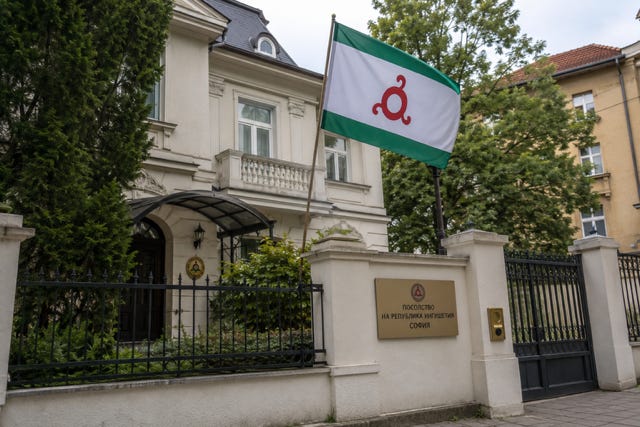
The only way for Russia to be brought within the democratic community of nations is for its colonial empire to be broken up, thereby permitting its constituent non-Russian and majority Russian components to be welcomed into the NATO compact and the EU.
Comments
Nothing yet. Say the first thing.
Sign in to join the conversation.