
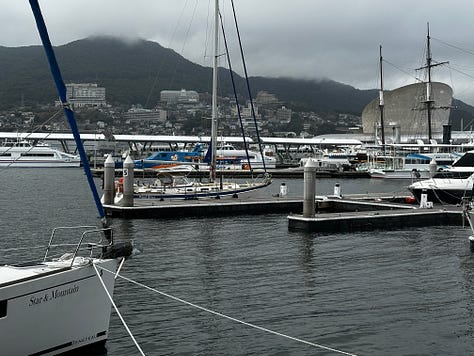
From Okinawa, in late March 2025 I sailed directly to Nagasaki on the Japanese Island of Kyushu. The passage took 4 days and I arrived at the small (24 boats), centrally located Dejima Harbor Marina, which afforded me easy access to the heart of this small city.
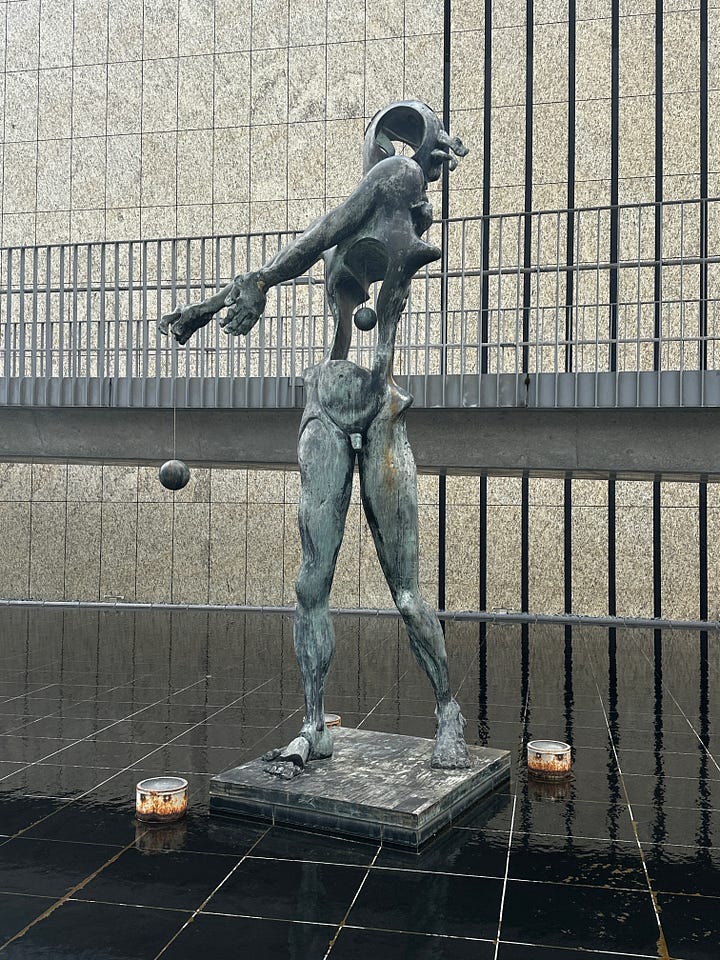
Please indulge me this next paragraph and two pictures, as we have to discuss the elephant in the room. Nagasaki is sadly (and only) known to many foreigners as the site where the second atomic bomb was dropped by the US forces in World War II. It was not the originally intended target but a backup option in the event of bad weather at the primary site of Kokura. It is a tragic story of big power rivalry, the grotesque scale of human cruelty on both sides of the conflict, the quiet resilience and recovery of the Japanese people, and the remarkable friendship between the US and Japan that emerged following the war. I will move on from this topic, but suggest you read more and develop your own informed opinion.
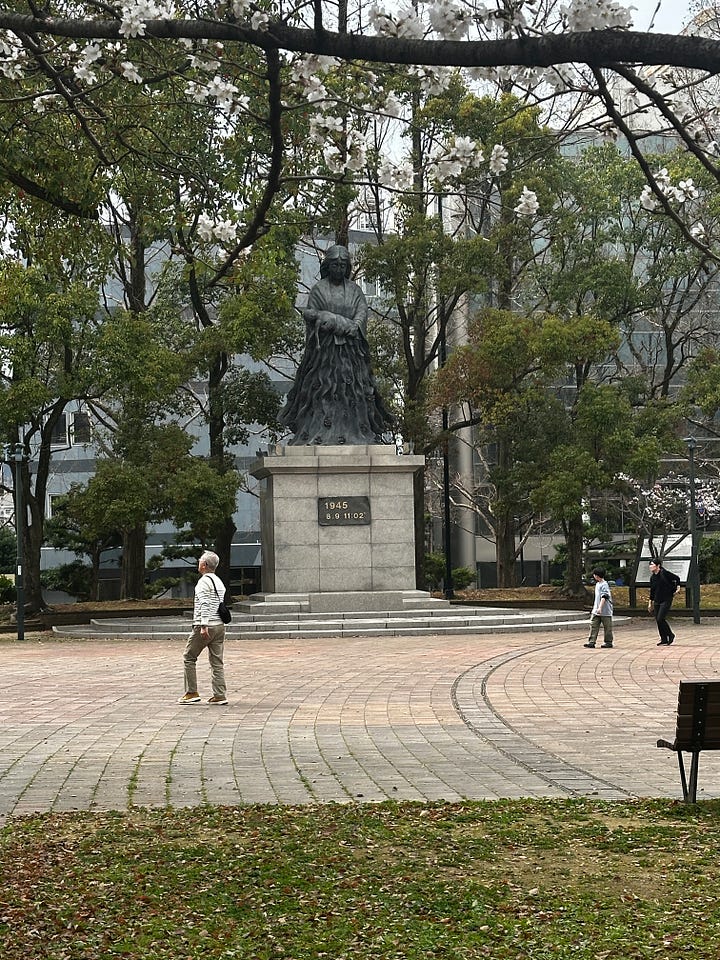
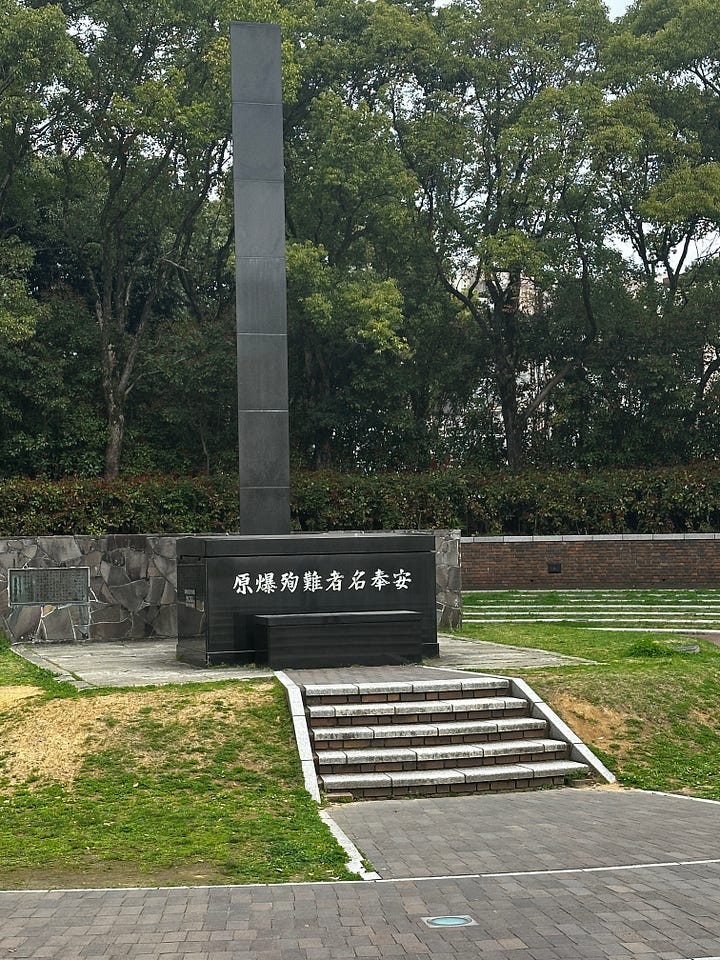
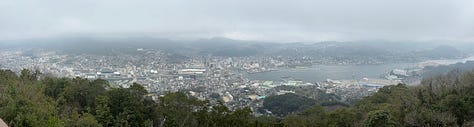
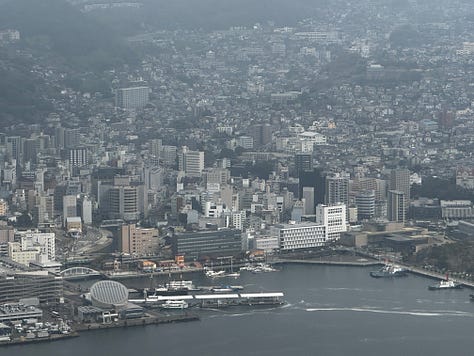
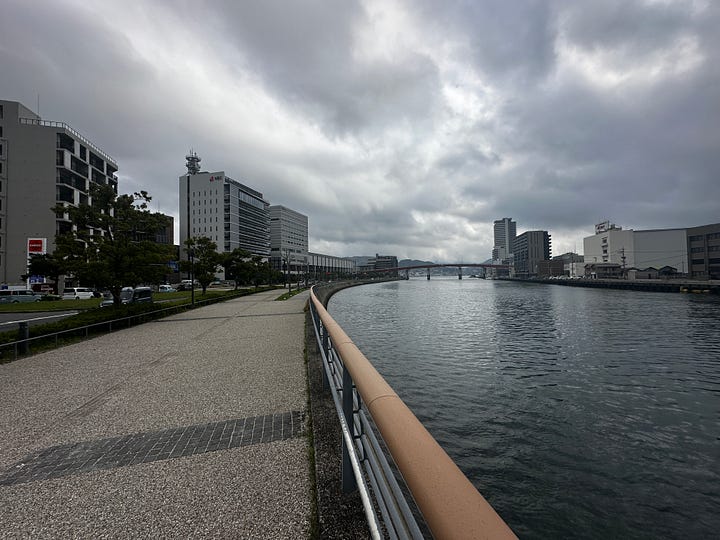
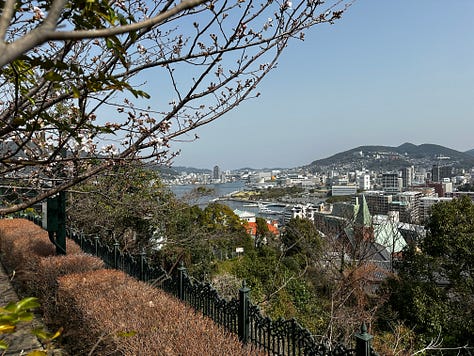
Nagasaki is a compact and very walkable city of just under 400,000 people. Near the marina are 6 different Onsen (hot springs) or Sento (public baths) and I used one of them on two occasions. A very large mall complex connected to a train station is adjacent, and a quiet riverwalk takes your farther inland for several kilometers. Museums and walkable streets abound. An observatory on the west side of town provides a spectacular perspective of the city. I spent a week here and felt there was always something to do.
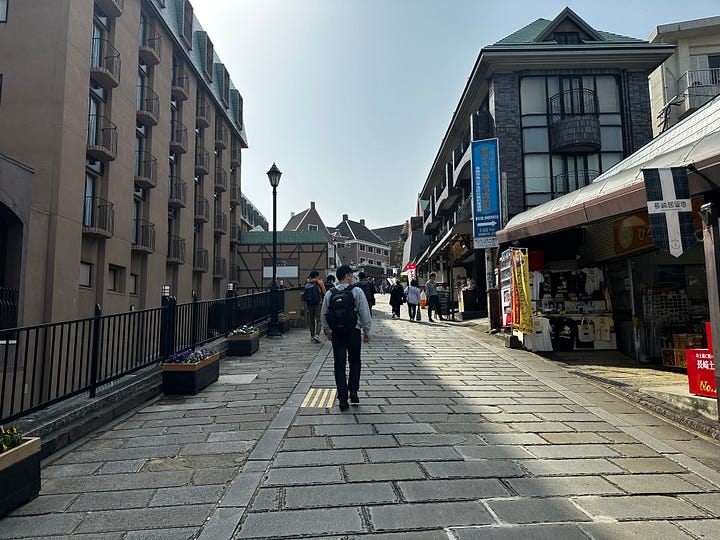
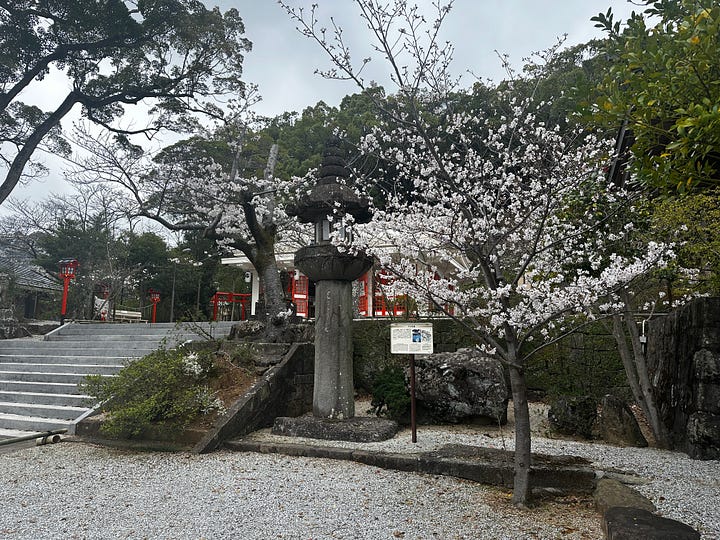
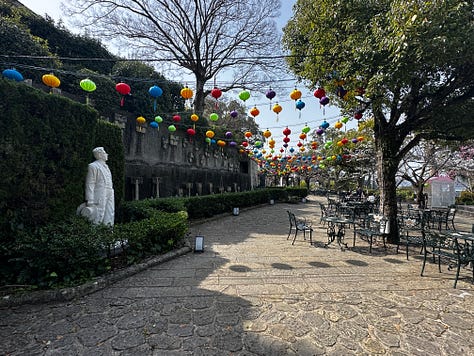
Historically, Nagasaki was an Asian trading entrepôt, notable for the arrival of Portuguese catholic missionaries and merchants in the late 1500’s, followed by the Dutch and then the English. Since Japan was closed to outsiders at that time, the Shogunate decided to “contain” the gaijin (foreigners) in a few areas, Nagasaki being one of them. Glover Garden is a testament to this unusual relationship.
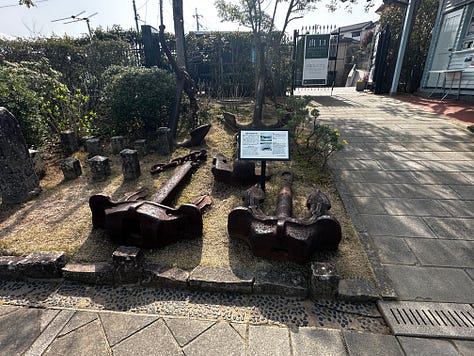
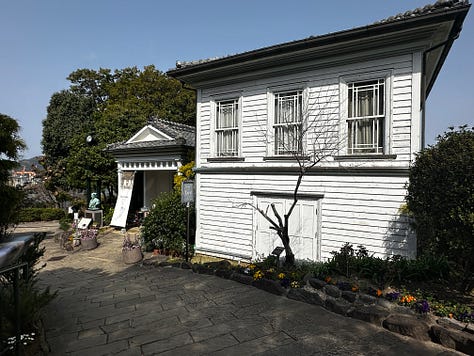
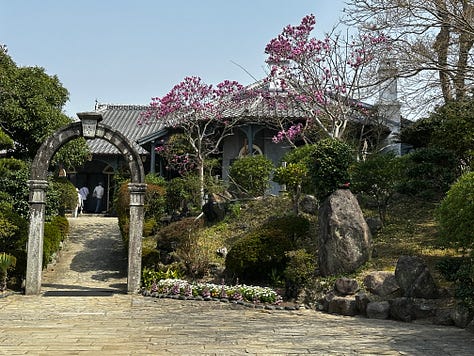
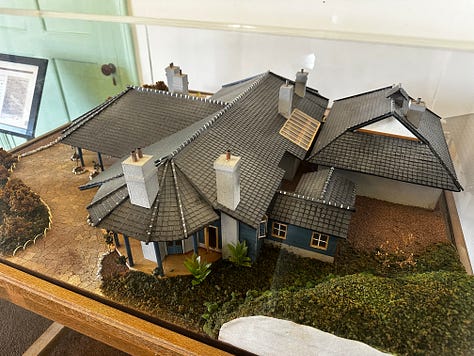
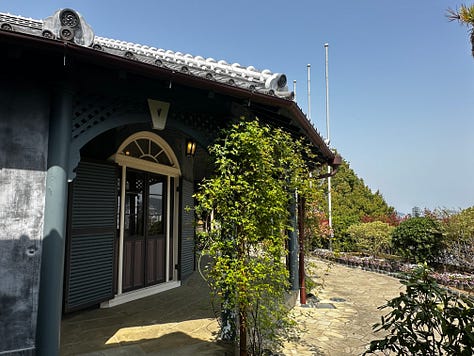
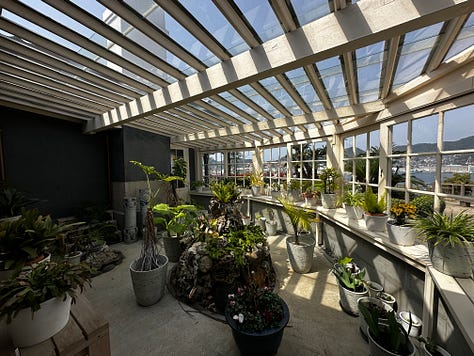
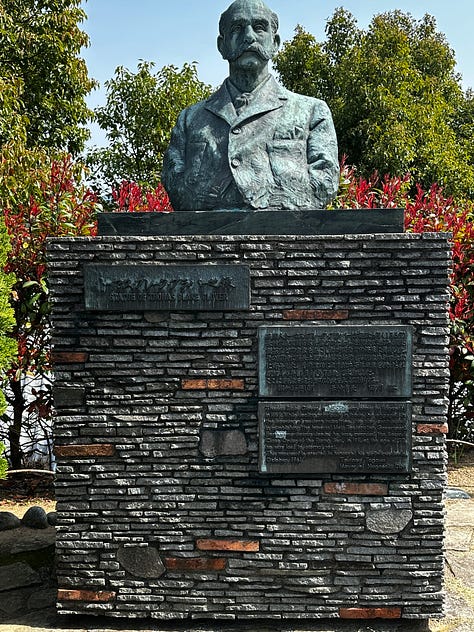
From Nagasaki, I sailed to Hirado, the setting for James Clavell’s novel Shogun. This town was another location (like Nagasaki) where foreigners and Japanese were allowed to interact within strictly defined parameters. The novel’s main character, Anjin-san, actually lived here and is memorialized in a park in this town.
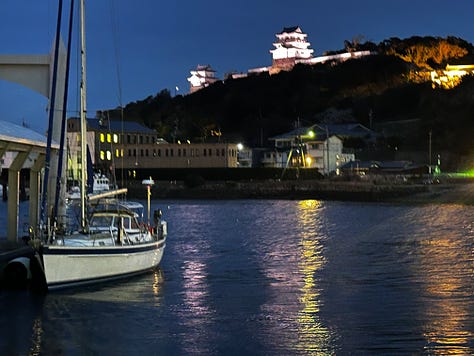
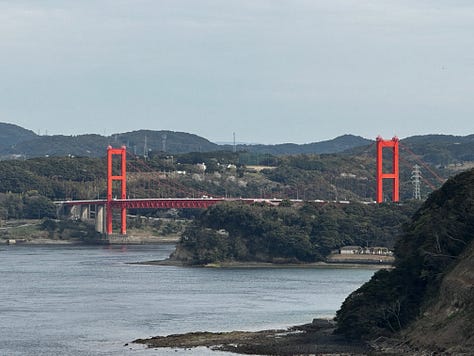
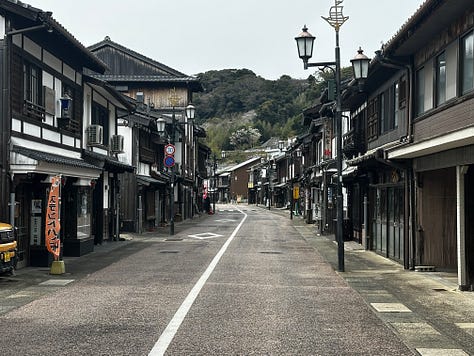
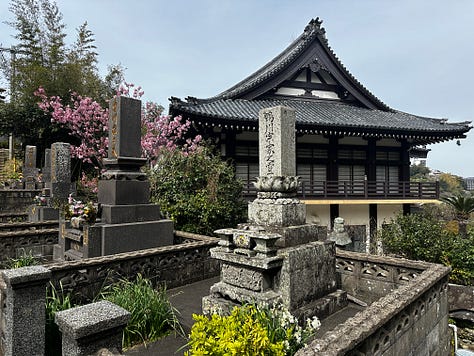
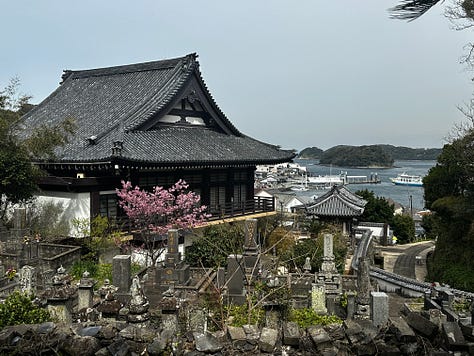
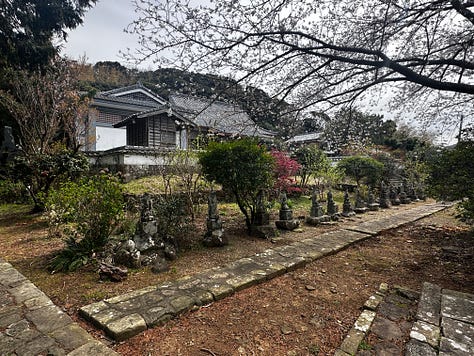
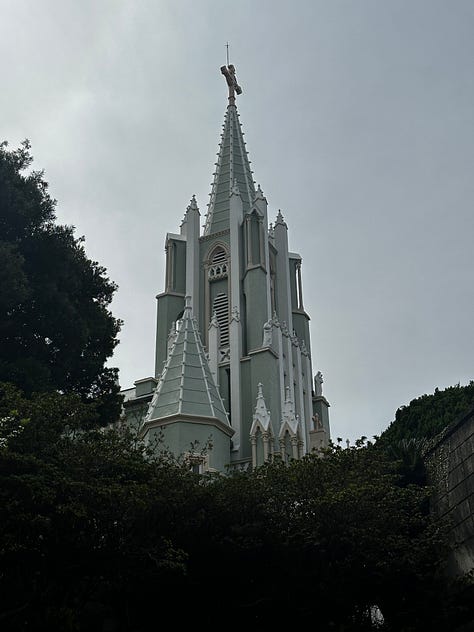
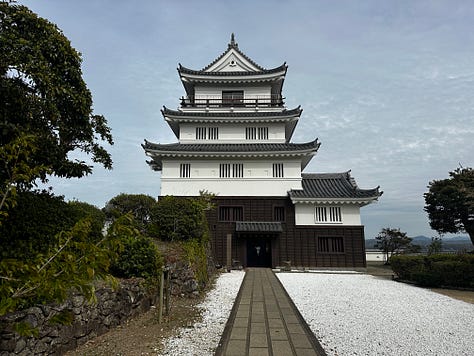
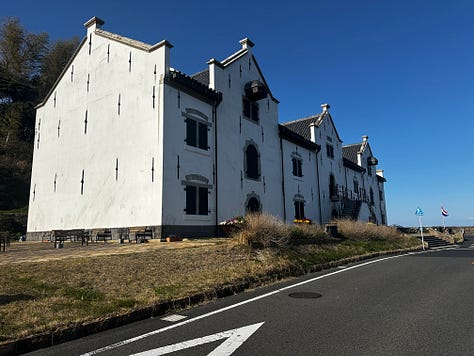
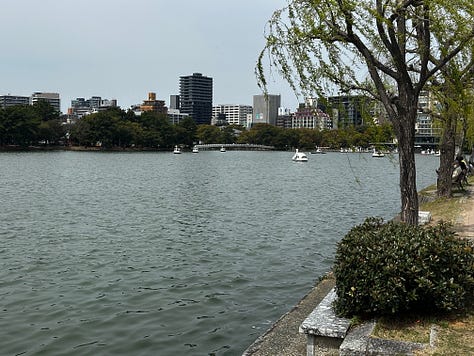
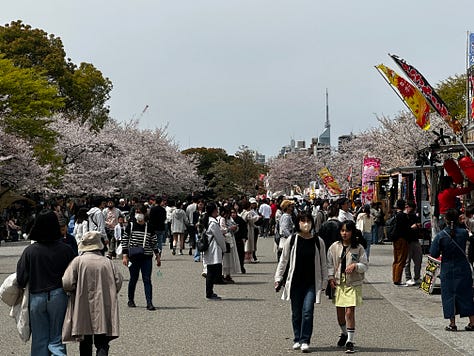
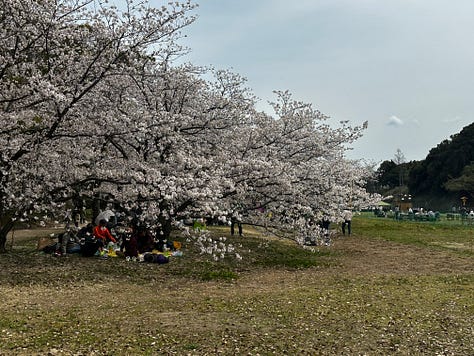
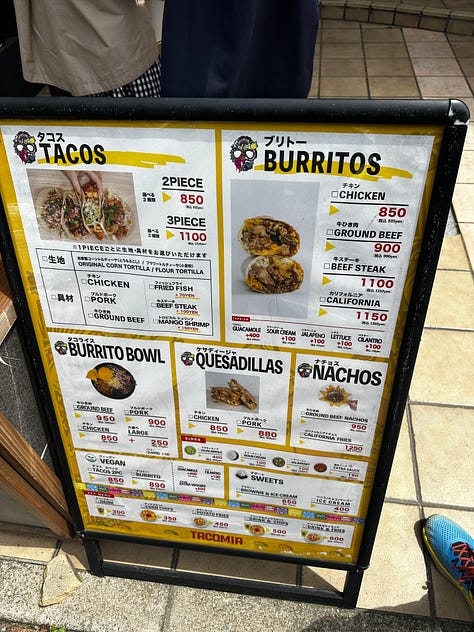
My third (and last) stop on Kyushu island was the city of Fukuoka, where I arrived during the height of the cherry blossom season. The marina is far removed from the town center, but a reliable bus service transported me to that center in under an hour. Here, I reprovisioned, visited Ohori Park, and had lunch at a Mexican restaurant where the proprietor greeted me with “Hola, Chico!”, a phrase that tickled my ears and made me burst into laughter.
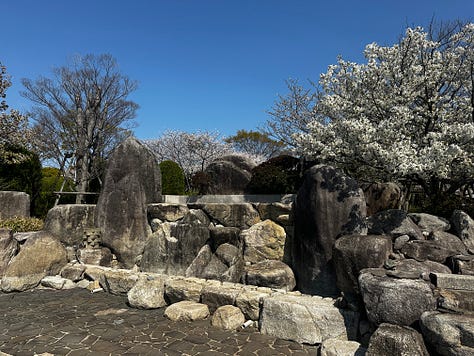
My stay on Kyushu was short and it will be reflected in the brevity of this post. Others make months of their visit to this island, but I had to keep moving to meet a time schedule to cross from the north of Japan to North America. So I only experienced the west (Japan Sea) side of the island and not its south, east or (Seto Inland Sea) north. Would I come back to visit? Absolutely. Would I spend that entire visit exploring this Island? Yes.
Comments
Nothing yet. Say the first thing.
Sign in to join the conversation.