
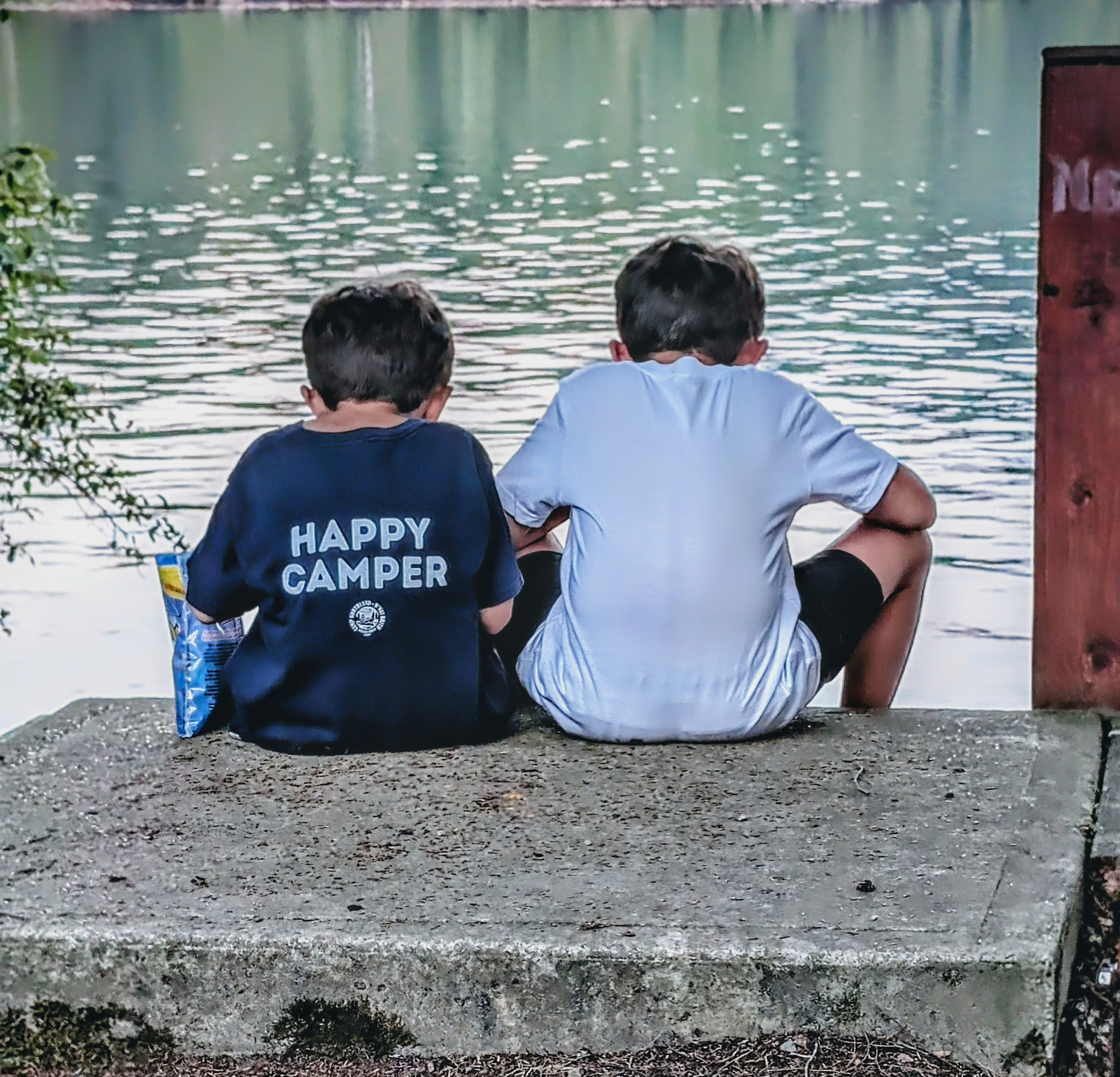
This past weekend I spent at Camp Northland in Haliburton, Ontario. They have an alumni weekend each August except for those pandemic years. I try to make it as often as I can. I usually go up with my childhood friend Ted who I met as a 10-year-old in Section 2 at Camp Northland in 1964. We both continued to come to up each summer as campers, staff and head staff. Until we had to get real jobs.
I brought with my two grandsons for the second year. Both were campers in this past summer. For Jordan it was his fourth summer at the camp. They spent the past weekend on the water. I mostly spent the day reading.

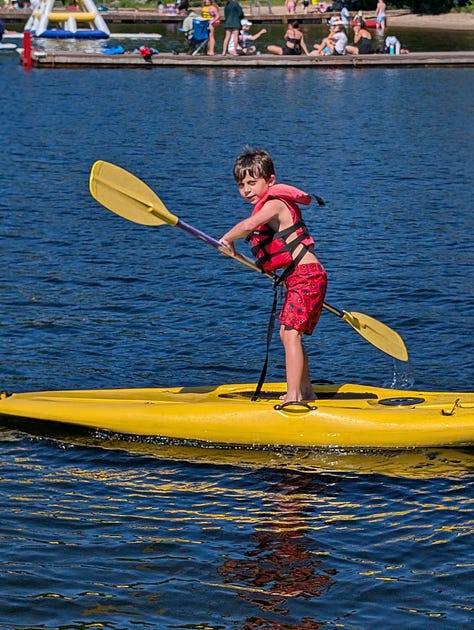
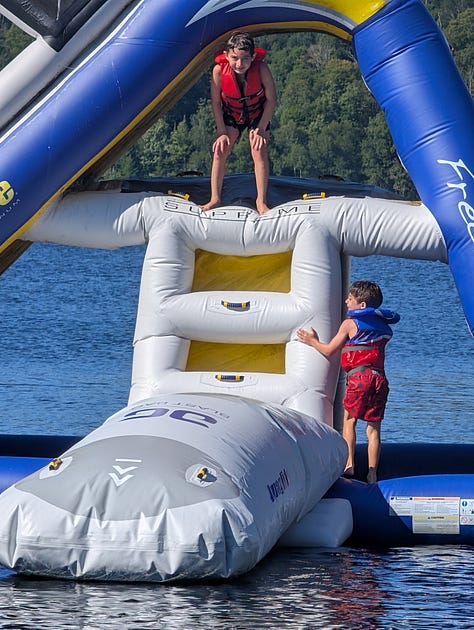
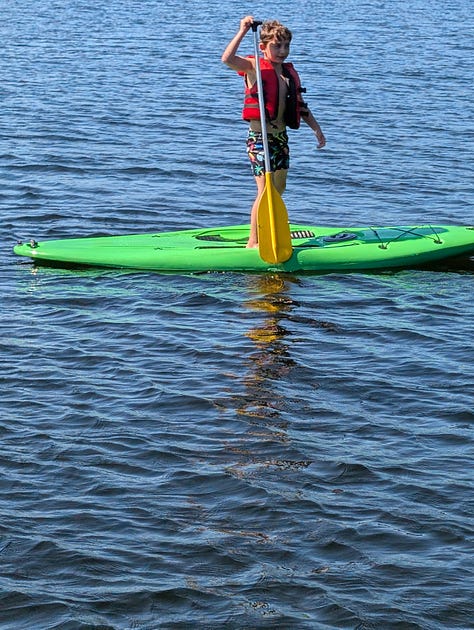
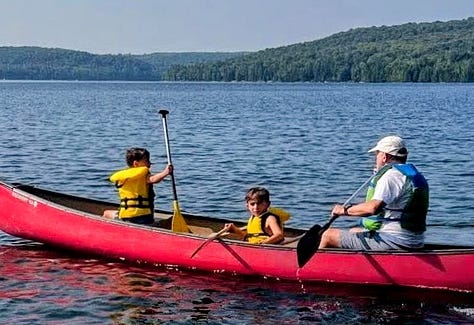

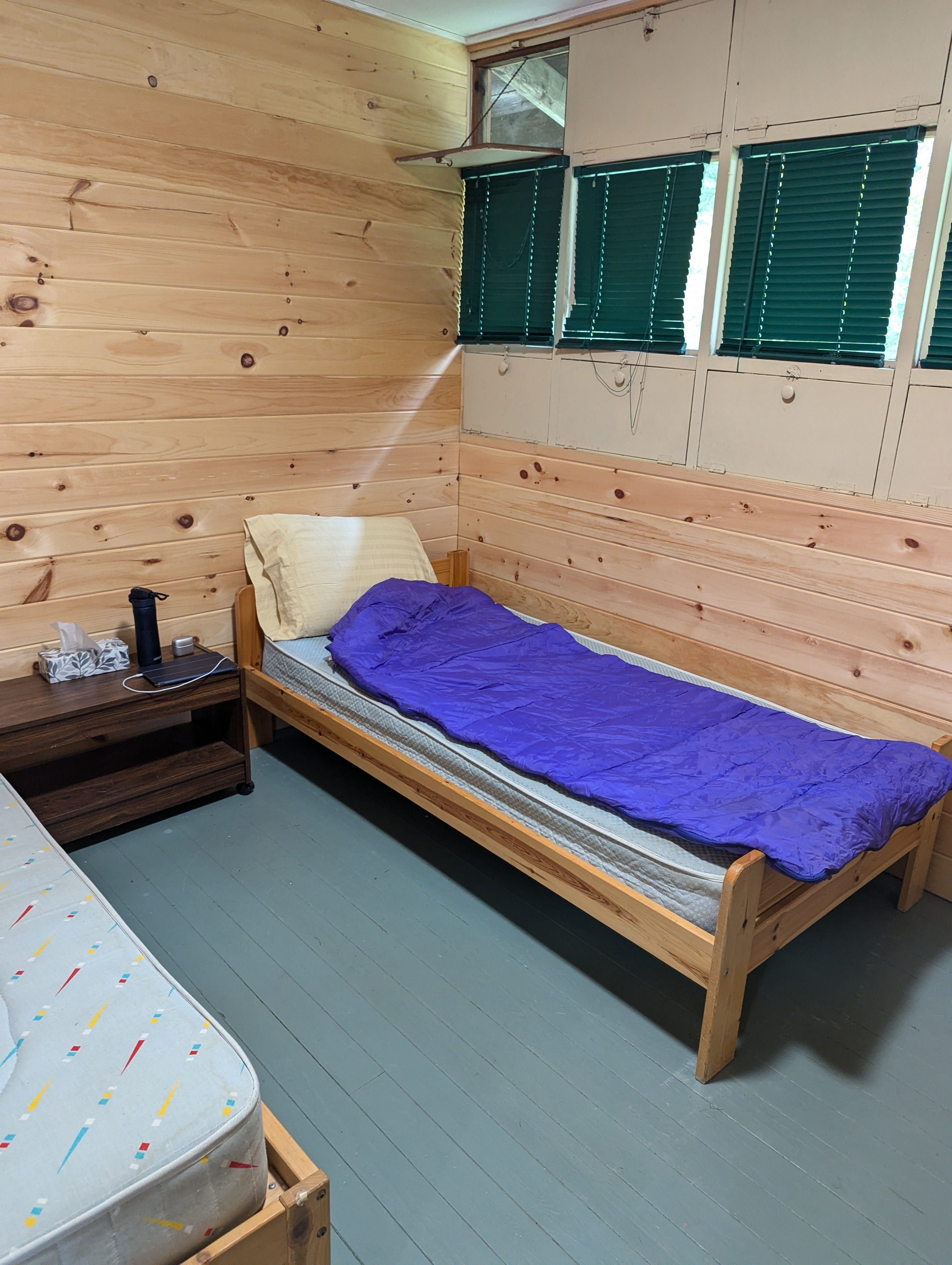
It was the first summer that I didn’t go canoeing because my joint issues have become a barrier for many types of physical activity. I even had difficulty climbing the steps to the cabin we were staying in. Still, I will continue to come up each summer. Walk around the beautiful landscape owned by the camp. Eat the dreadful camp food. Sleep in rustic cabins on thin foam mattresses.
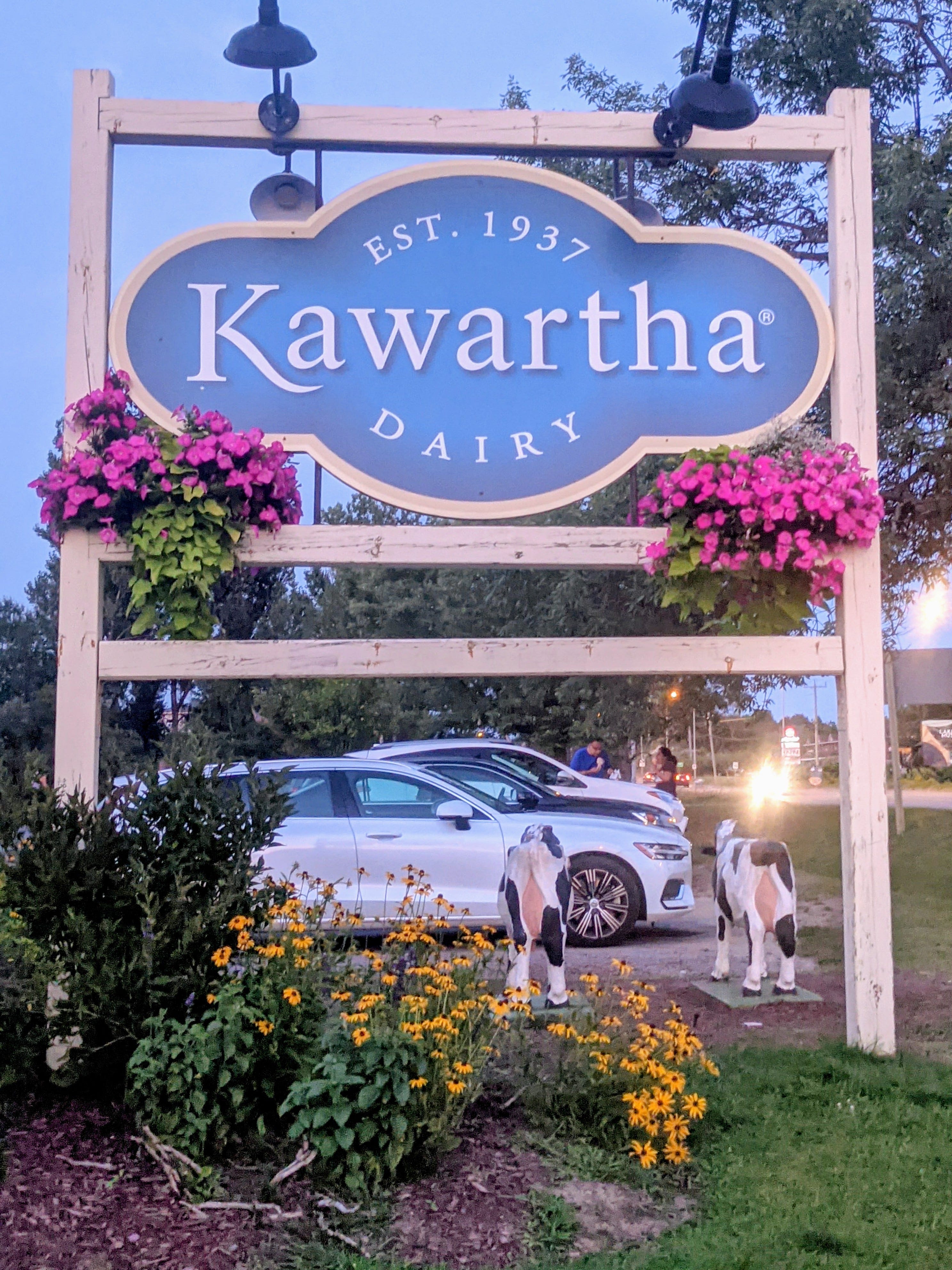
Stopping for ice cream at Kawartha Dairy in Minden. attle what is left of a summer crop of mosquitos.
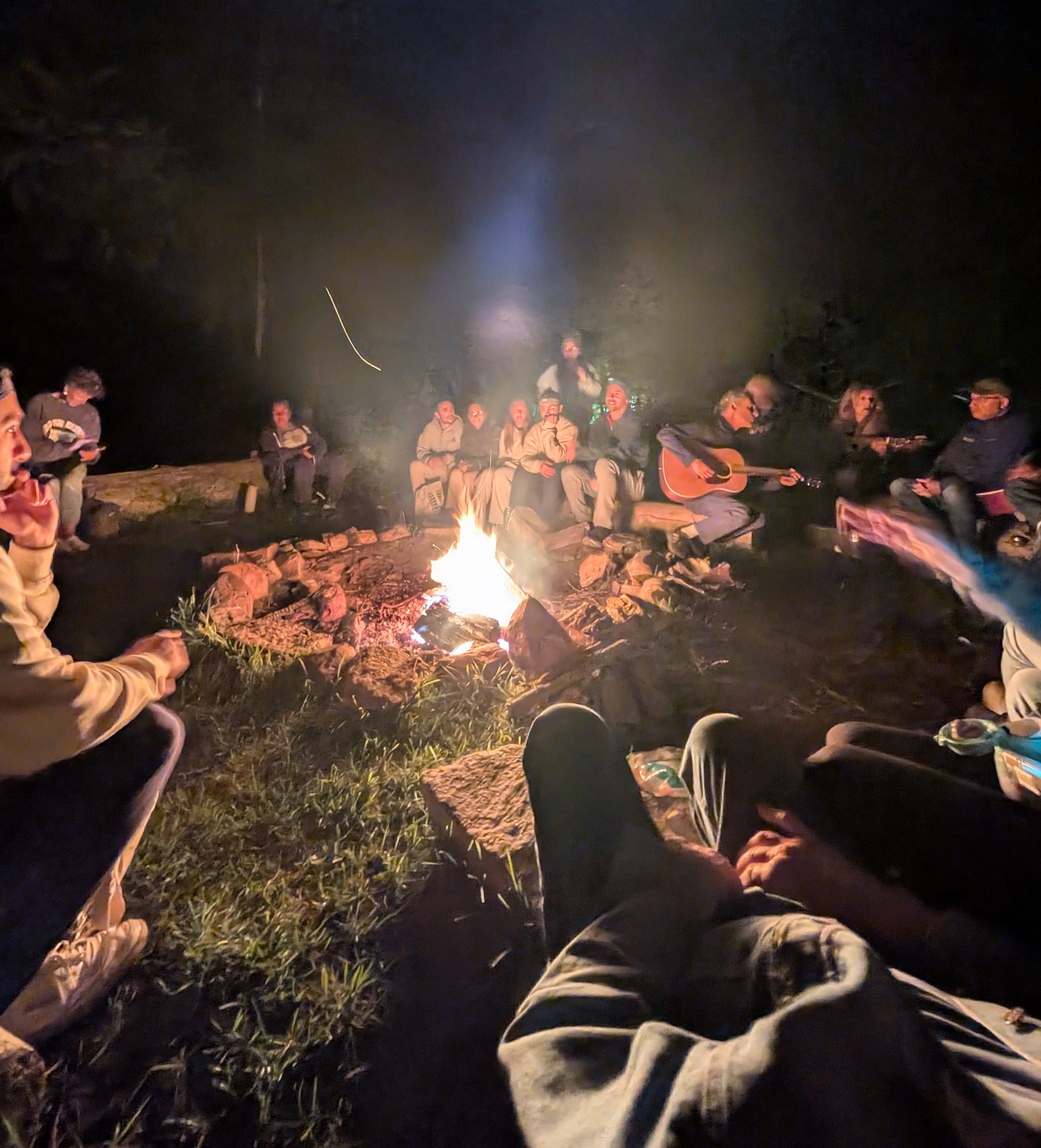
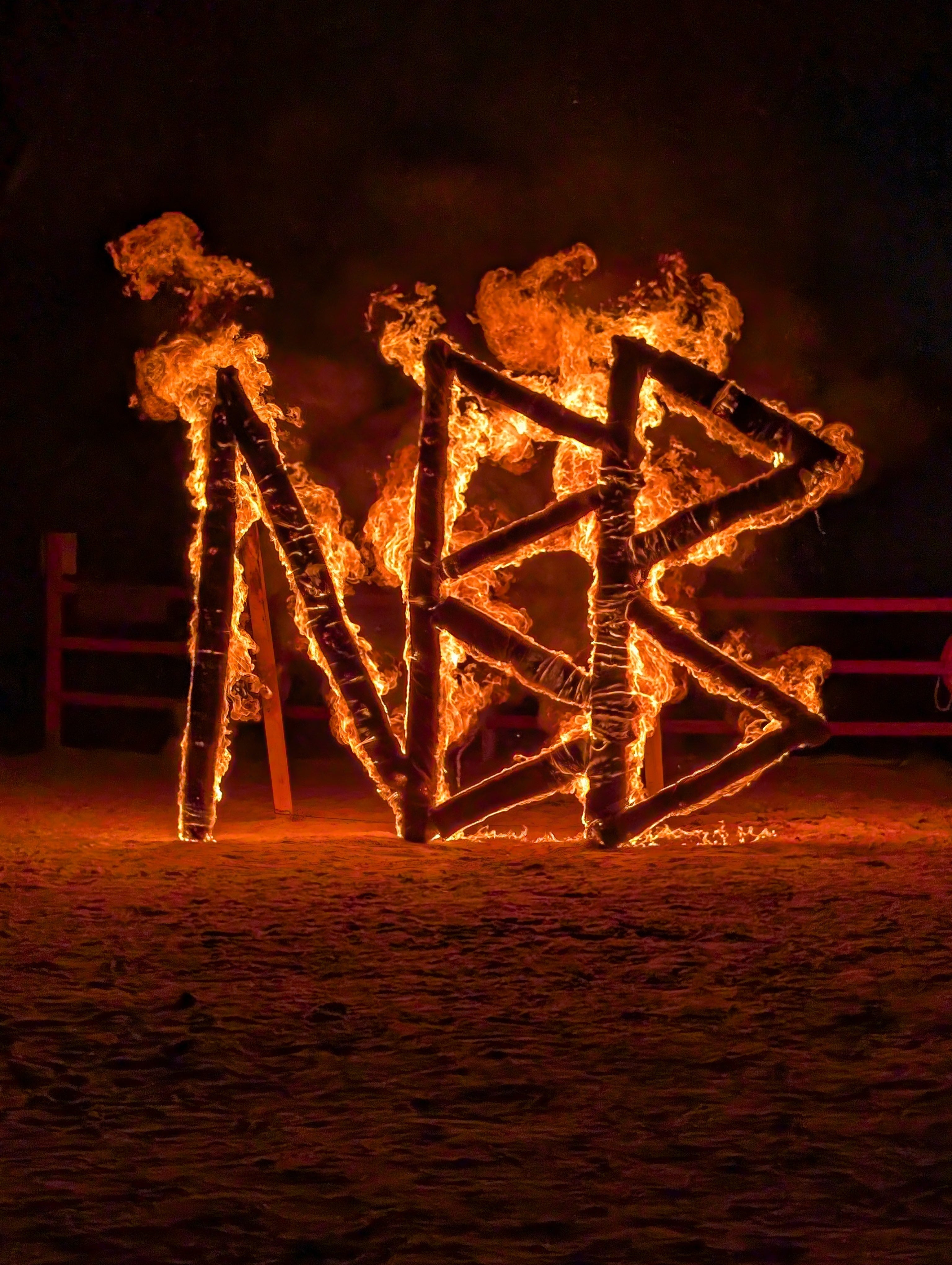
Sit around a campfire exchanges stories and while those with guitars play songs from the past - Cat Stevens, James Taylor, Neil Young, etc. Tradition has it that we burn a NBB (Northland-B’nai Brith) made out of wood on the last night of camp. It is always a moving experience. We are clearly reliving our past for 48 hours.
The camp has quickly become my grandsons’ happy place. Just as it is for me. They talk about it year round, People can tell they will be lifers.
So, why does the camp still tug at me?
My brother Irv and I were sent to Camp Northland-B’nai Brith in 1963 when Irv was old enough to attend. The camp is located on Moose Lake near Haliburton, Ontario, about a three-hour drive from Toronto. I was excited and anxious upon leaving the city for the first time without parents. The camp rented school buses to take us to camp, which left early in the morning from the Bloor Jewish Community Centre. As we got closer to the camp, the landscape changed from farmland to rolling hills. Parts of the highway had been blasted through rock formations of the Canadian Shield, and sections of the road had massive cliff walls on either side. The full school buses that took us to the camp sometimes had difficulty climbing the larger hills. You could hear buses groan and the gears grind getting to the top of some of those hills. During the last hour, I found myself getting queasy. I wasn’t alone. Other kids tried hard not to vomit, but that wasn’t always possible. Our luggage was picked up a day or two earlier in trucks and was waiting for us at camp, all of it sorted in the main field. It was still chaotic sorting through all the duffel bags.
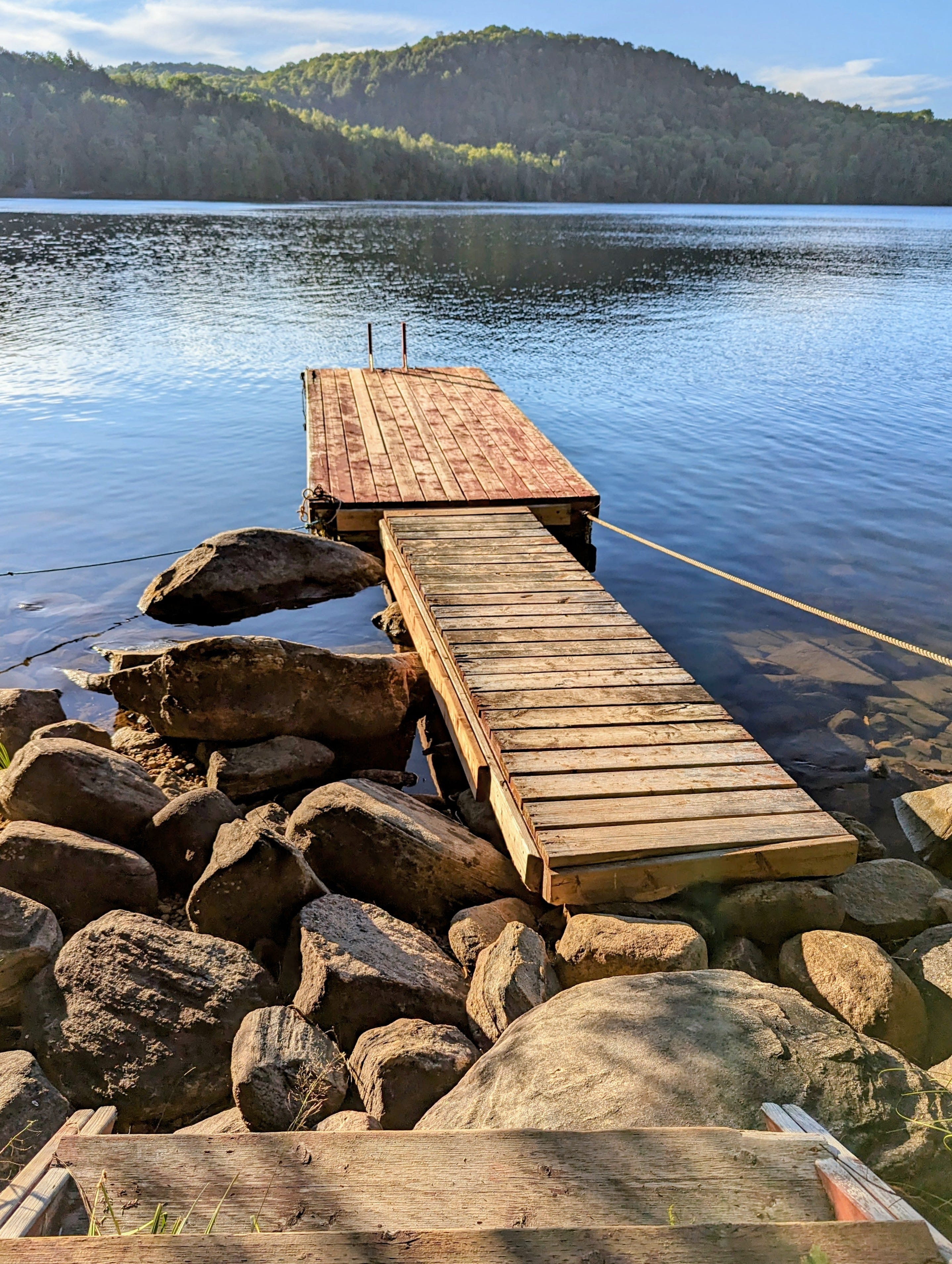
The camp has a long history in the Jewish community. A Jewish summer camp was first established in 1909 by several of Toronto’s Jewish philanthropies, but Camp Northland didn’t move to the existing Moose Lake site until 1944. The Jewish Camp Council owns 750 acres of property around Moose Lake, where Camp Northland is located. Much of the lake is camp property, and there are only about 100 cottages on the far end of the lake, so it is quiet, with few motorboats.
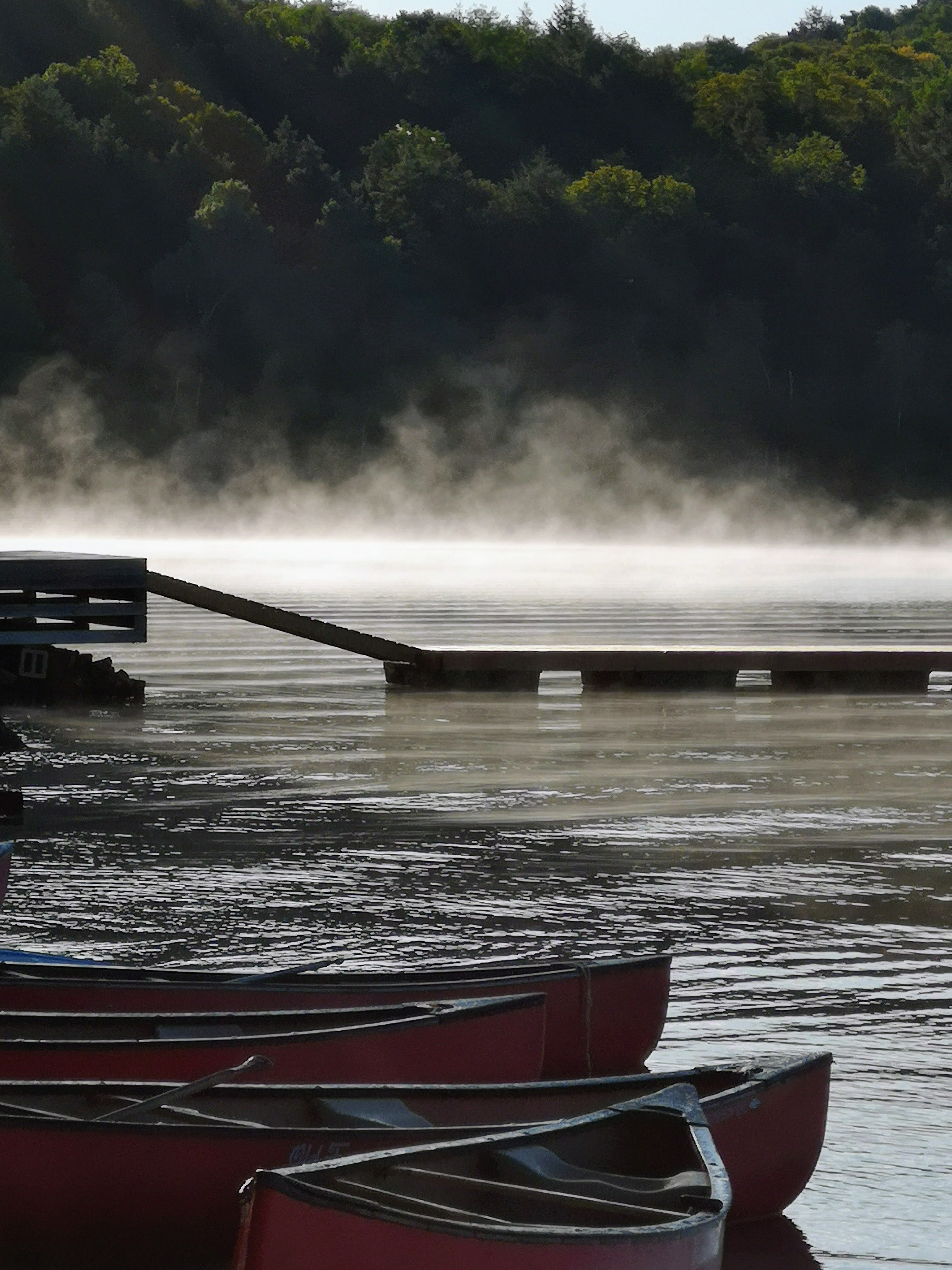
When I first attended as a camper, it was bursting at the seams because of the baby boom. There were four boys’ units and four girls’ units. They squeezed up to 15 campers and three staff in a cabin that had poor ventilation and no electricity.
Back then there were three periods, each consisting of 20 days. The third period was the least desirable, because the weather wasn’t nearly as nice in late August. The evenings and mornings were often chilly, and the lake temperature would begin to fall. Most campers chose either first or second periods. Some stayed for both. My parents couldn’t afford to pay the full fees and applied for subsidies. They paid a total of $125 for the two of us. The subsidy was provided because my parents were Holocaust survivors. The catch was that we had to attend the third period. Few of my friends came for a third period, so I didn’t know many campers. Still, I loved the experience – being outdoors, having cookouts, hiking, taking canoe trips, playing sports. I wasn’t a good swimmer, and you needed to pass a swim test to go water skiing. I didn’t pass the swim test until several years in, but I loved sports and the all-day programs, such as the color wars when the entire camp was divided into four groups. For an entire day, you competed in events and accumulated points for your team.
At the end of the period, we were once again loaded onto the school buses and returned to the city, where we were dropped off at the Bloor Jewish Community Centre. The buses would pull up behind the building and we were led to the auditorium and onto the stage where parents were waiting in the audience. It was a bizarre setup and rather disorienting.
Most of all, I enjoyed being out of the house and away from the parents, along with the tension, guilt, and boredom. It felt so liberating. Camp counselors were all about having fun, while my parents were focused on work and money. There was nothing fun about my parents. We never traveled or went on vacations, so going to camp was our equivalent to being on vacation. I returned each summer for three weeks while the rest of the summer was spent working in the family business. These were among my best memories as a child.
When I reached my early teens I stopped going to camp as a camper to earn money. For a couple of years, I landed a job at the Canadian National Exhibition (also called The Ex or CNE), an annual fair with amusement rides, a midway, exhibits, concerts, and the always popular Food Building. Someone I knew got me a job at the Shopsy’s booth, which was operated by Shopsy’s Delicatessen, the most popular deli in Toronto at the time.
When Camp Northland expanded to a third location in 1971, the camp still needed staff just weeks before the start of the season. I can’t remember who it was, but someone had suggested I would be interested in working as a counselor. I received a call from the camp office just days before the campers were to arrive, offering me a position. I was paid $150, which was less than what I could earn in the city, but I didn’t care. I jumped at the offer and quickly packed my things. The next day I was picked up by the camp driver.
I spent the next six summers at camp, first as a counselor and later as a unit head. Being on staff was an extension of a favorite childhood experience – only better. Although the money was horrible, it got me out of the city. Since we never took any vacations, this became my annual holiday. I made a lot of friends at camp that have continued for decades.
As a counselor I would spend the day with the campers, taking them from one activity to another. Evening time was when the staff would unwind. Evenings were for socializing, which might include sitting around a campfire, playing music, or “illegal” activities such drinking, drugs, or taking a boat out onto the lake. There were always members of staff awake and hanging out well past midnight, despite the early wakeup times. In late summer, when there was sunspot activity, I would just sit by the lake at night to watch the Northern Lights. The waves of dancing lights across the night sky were spectacular.
In 1974 when I was promoted to unit head camp life got even better. Although there were new responsibilities, I no longer stayed in a cabin with campers, but instead in head staff cabins that had electricity and bathrooms. Electricity meant a coffee maker, heaters for the cold nights, fans for the hot days, and stereos.
I felt a strong connection to camp people because many were children of Holocaust survivors. As was the case in the city, it’s not something that was ever discussed. It was just the sense of belonging that existed.
When I heard about the alumni weekend, I decided to sign up with Ted. We stayed together in a cabin, reliving a world that no longer exists. Now, I bring up Jordan and Zachary to our happy place. To share this with the boys is indescribable.
No posts
Comments
Nothing yet. Say the first thing.
Sign in to join the conversation.