
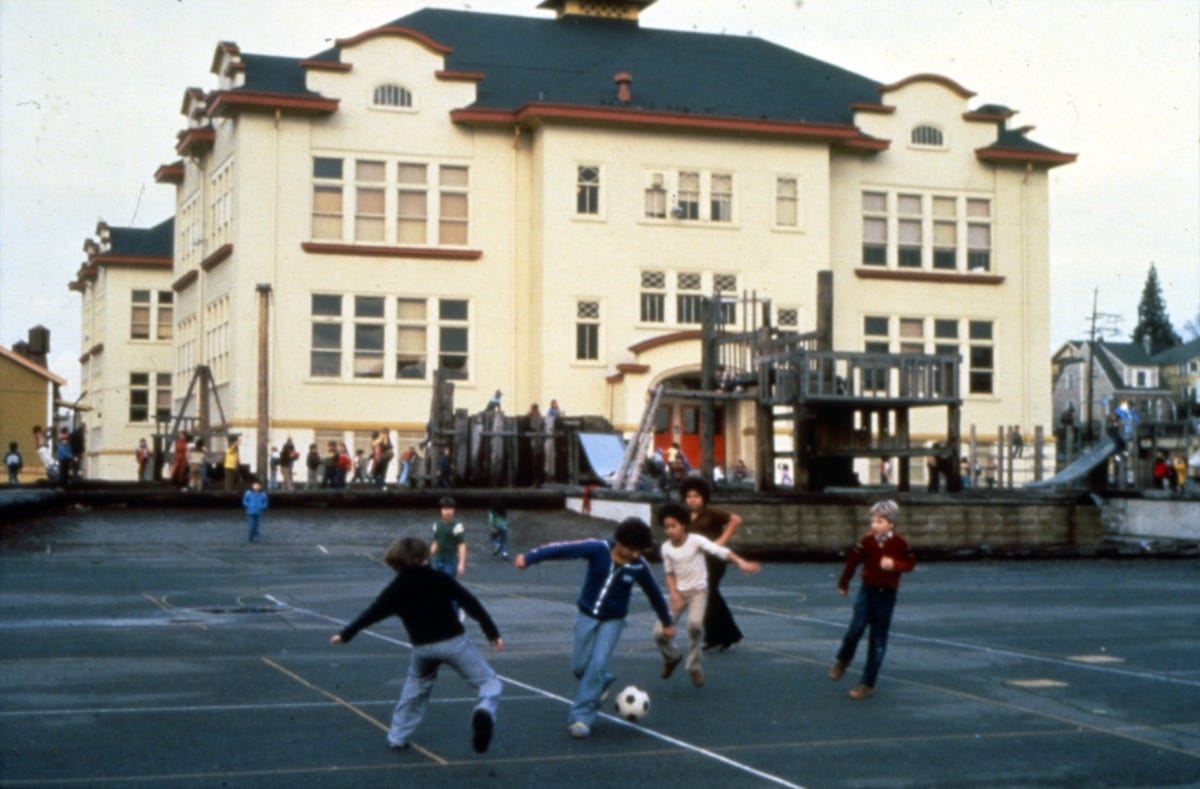
Do you remember when you first realized adults were full of shit? The earth shattering moment when it dawned on you that the people running your world, teachers, coaches, librarians, all the supposed grown-ups, were just fragile beings who did not have it all figured out. I did not handle that well as an adolescent. It took years before empathy found its way to the surface. Mostly, I rebelled. How could they say these things? Couldn’t they see?
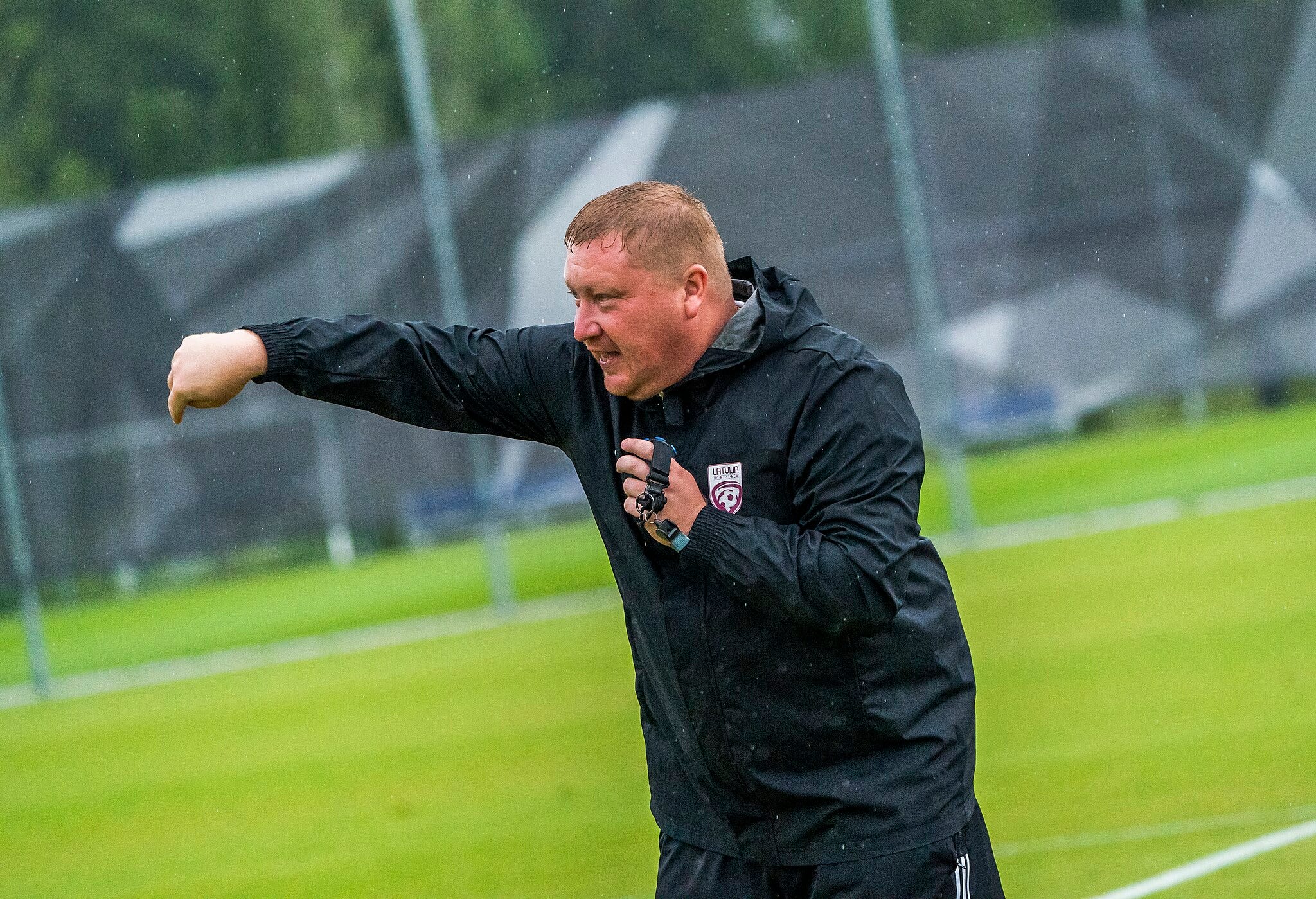
I remember a European tour when I finally said it out loud. Our team knew we could attack, yet we were told to play reserved, to try not to lose. This was the fearful nature of football at the time. It was not a culture of collaboration between players and coaches. It was a culture of control. top down, do as you are told. That moment changed me.
We inherit a story that adults have it together and those in power are all-knowing. It is likely rooted in a long history where someone owns the land and you pay to use it. Go to school, sit still, learn to work the machines, first tractors, then typewriters, now dashboards. Be good. Get the job done. Someone knows best. Rarely questioned. This is the way it is. You are not really free to learn.
Time to create and think became collateral damage. If you cannot measure it, it must be worthless. So we collect credentials to control our destinies, and it is never enough.
The internet put this on hyperdrive. Parents sprint earlier into preschools, more lessons, higher costs. Mental health buckles under the pressure. Kids must be on the best teams, at the best schools, with the best friends, headed for the best universities. If they cannot manage, Mum and Dad swoop in. Parents are more involved than ever in their kid’s lives, ensuring passage upwards. Yet research shows this very involvement is stunting their growth and capacity to try new things. There is every reason to believe that we should, in reality, let them play.
Football is no different. Youth and professional exist on the same conveyor belt, only the decimal point on the receipt changes. Bigger, faster, taller. Statistically better today. Ready made players to win now. All masked under an illusion of development but in truth, development can wait. Creative types are crowded out. Easier to pick the early maturer we trust than the precocious talent we cannot yet understand. Win now. Replace with another later. Repeat. We measure points, not possibility or joy.
With a healthy dose of fear to smooth the slope, we also removed free play from streets, parks, fields, and backyards, and wondered why we produced fewer innovators, mavericks, and artists. The butterflies are still in the garden, but we barely look up to see them. Smarter we think to protect them and keep them safe from the world.
Research indicates that children’s free play has been steadily declining since 1955 (Scott Barry Kaufman, Wired to Create).
Play is not trivial. As Stuart Brown M.D., an expert researcher on play, reminds us:
“Play creates new neural connections and tests them. It creates an arena for social interaction and learning. It creates a low risk format for finding and developing innate skills and talents.”
What is at stake?
When exploration disappears, courage atrophies. Courage is not something you inherit. It is a skill you practice. You try, you fail, you regulate your fear, you try again. Without those reps, bravery shrinks.
Football shows us both sides. Henry Winter noted that 8 of England’s starting 11 last night in Serbia came from London and all played cage soccer. These were places without adult interference, where bravery was rewarded. Contrast that with the academies that prize physical maturity over imagination, control over expression.
In business we ask for leaders brave enough to deliver creative answers to a changing world. In a youth mental health crisis we need kids brave enough to be themselves. You are not your friends, not a TikTok influencer, not your parents. You are you. And that is enough.
Where will we find these people?
Bring back play. Bring back the daily practice ground for courage: trying new things without fear of punishment. Trust that children will not shatter if they move through the world with freedom and boundaries. Let kids take the bus. Let them go to the event. Invite play into your neighbourhoods. Everyone on watch. Nobody interfering.
George Bernard Shaw said it best:
“We don’t stop playing because we grow old; we grow old because we stop playing.”
A simple blueprint idea
Home: one unstructured hour outside each day. Parent nearby, not in charge.
Neighbourhood: a weekly street game. Mixed ages. Winner stays.
Clubs: ten to fifteen minutes of free play before training. Small sided. No coaching.
Metrics: count attempts, re-attempts, collaboration. Praise process, not just outcomes.
By design, we have almost eliminated the chance to flex the courage muscle. We should not be surprised that a new generation struggles with difficulty and is afraid to spread its wings.
We are to blame.
We can fix it.
Choose play.
Practice courage.
Thanks for reading as always,
Will
Live to play.
__________________________________________________________________________
Each week I write to support fans of the beautiful game to see beyond simply tactics and into the whole human experience that the game evokes. This is The Art of Football.
Past articles you might like:
The Examined Game: Bielsa In Bilbao
Socrates: The Corinthians Democracy
He Told Me to F##k Off… So I Gave Him the Captain’s Armband
__________________________________________________________________________
If you enjoyed this please consider subscribing to The Art of Football.
Sharing it with a coach, a player, or a fan supports our writing and we’d really appreciate it too ;)
Your thoughts are always welcome so please leave a comment or hit the like button to keep the conversation going.
No posts
Comments
Nothing yet. Say the first thing.
Sign in to join the conversation.