
Dear Lunatics,
There is nothing more tense in childhood than holding a flashlight for your disgruntled father as he tries, unsuccessfully, to hammer in a particularly stubborn nail.
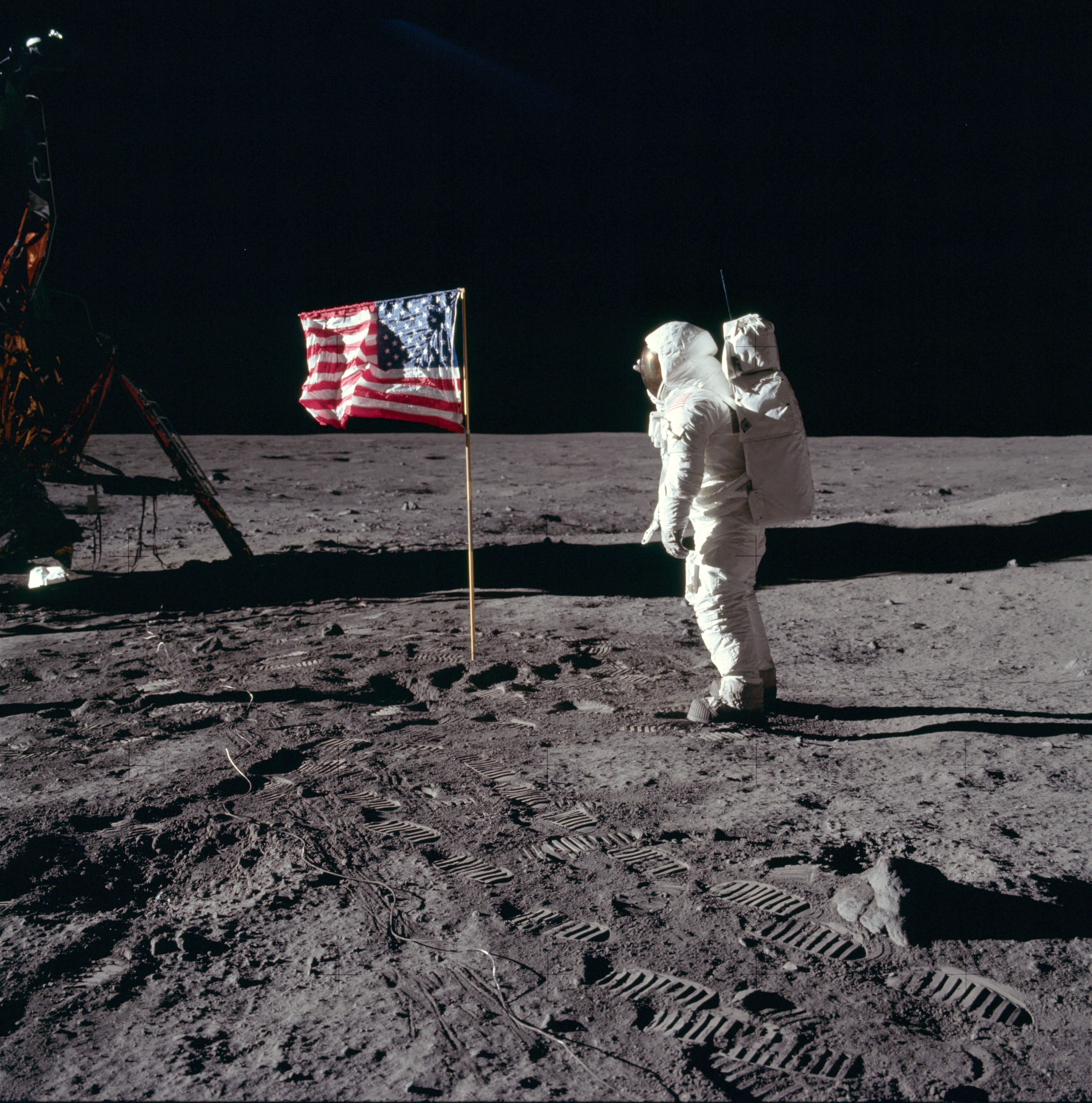
And so I imagine a nation of children—20,474 days ago tonight—holding their collective breath as they watched two men try to beat a flagpole into the lunar surface.
Mindful of their international audience, not to mention their status as representatives of all mankind, the sweating astronauts—in a feat as momentous as the moon landing itself—refrained from using profanity.
It took them 10 minutes to accomplish the task.
"Just beneath the powdery surface, the subsoil was very dense," Aldrin later reported. "We succeeded in pushing the flagpole in only a couple of inches. It didn't look very sturdy."
Still, the flag stood, and the men saluted it, and the iconic moment was captured.
How could anyone have known that in the process of planting the American flag on the Moon, Armstrong and Aldrin were planting a seed of doubt and conspiracy that grows with every passing year.
Today, 13% of Americans do not believe we landed on the Moon.
And central to the hoax claim is that 3-by-5 foot nylon flag, which was bought for $5.50 at Sears by a NASA secretary on her lunch break.
As the astronauts adjusted the flagpole, the Stars and Stripes appeared to ripple.
But how could the fabric wave in the wind if the Moon has no atmosphere? the conspiracists ask. According to them, the moon landing must have been filmed somewhere on Earth—probably on an air-conditioned soundstage in Los Angeles, the city of dreams.
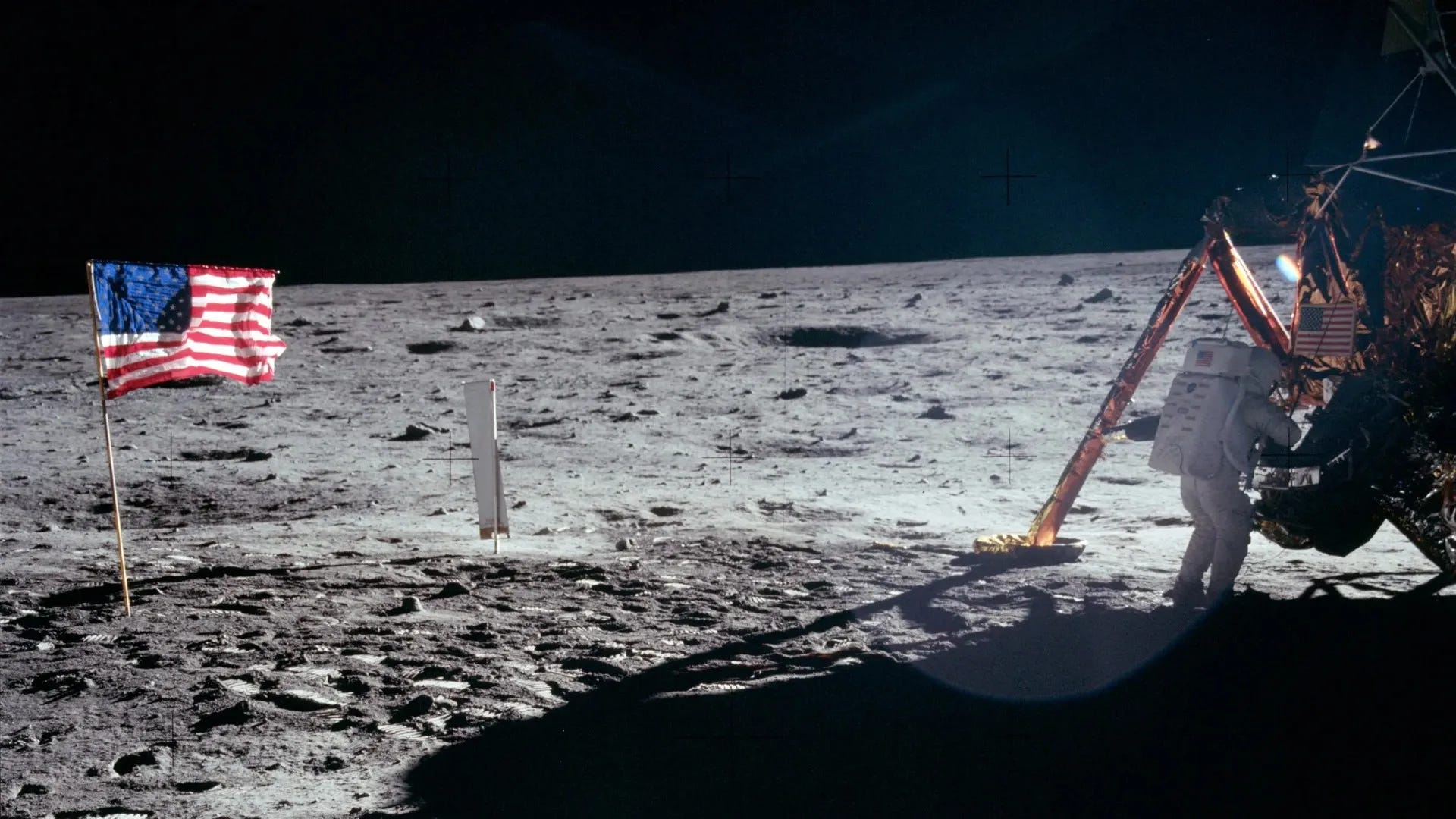
NASA has a simple rebuttal: to prevent the American flag from drooping lifelessly on the lunar surface, they inserted a horizontal crossbar to give the flag a wavy effect, as though it were fluttering in the breeze.
The two camps have been staring at the Apollo 11 footage for decades, each claiming the video corroborates their viewpoint.
It reminds me of a famous Zen koan:
Two monks are stopped in the road, watching a flag flap in the wind.
One monk says, "The flag is moving.”
The other monk says, "No, it is the wind that is moving.”
They argue back and forth. The dispute grows heated.
At last, their master passes by and remarks, "You are both wrong. It is your minds that are moving."

Long before it was the locus of conspiracy, the American moon flag was a locus of controversy.
Before Apollo 11’s launch, a political debate raged over which flag should be pounded into the lunar soil.
The Outer Space Treaty of 1967, which the United States had signed, explicitly stated that the Moon and other celestial bodies are “not subject to national appropriation by claim of sovereignty."
How could the raising of an American flag be interpreted as anything other than as a symbol of territorial conquest?
Many within NASA insisted that the astronauts should mount a United Nations flag instead.
Some argued that 150 flags—one for every country on Earth—should be planted on the Moon. (Had this suggestion been taken up, I feel certain some choice profanity would have crackled over the Moon-to-Earth transmission.)

So who made the final decision that Old Glory would wave—or not wave—on the Moon?
The US Congress, of course.
Just five weeks before the landing, the House of Representatives amended NASA's appropriations bill to mandate that "the flag of the United States, and no other flag, shall be implanted or otherwise placed on the surface of the moon."
Today, no one knows the condition of the six American flags left by the Apollo missions on the Moon. Some speculate that by now they’ve been bleached white by the Sun. Others say the fabric would have decayed into thousands of flakes.
We don’t even know if they’re still standing. After all that effort by the astronauts, the flags could well have been blown over by the engine blast of the lunar modules as they took off for home.
What we do know is that NASA will soon return humans to the Moon, and while the debate may have reopened, chances are it will be the Star-Spangled Banner that is once again clumsily unfurled by a pair of puffy white gloves on the lunar surface.
As I am not a member of Congress, I have no say over what flag flies on the Moon, which, at this very moment, is outside my window, sliding along the telephone wires at the end of the street as though afraid to let go.
The August moon was named by the Cree the Flying Up Moon, signifying the time of year when fledgling birds begin to flap their wings and attempt their first bursts of flight.
How could we have made it to the Moon in the 1960s, the conspiracists wonder, when we were technological infants? And if we did make those six epic flights, why haven’t we been back in over 50 years?
While the humans bicker, I wonder what the Moon thinks. We must seem so small and petty to that celestial trapeze artist that makes its grand flight across the sky every night.
Who are we, after all, to plant a flag on the Moon?
I would bet anything that the Moon aches to plant its flag on the Earth.
So that’s what I did.
A few years ago, I designed a lunar flag using photographs taken of the satellite’s craggy surface.
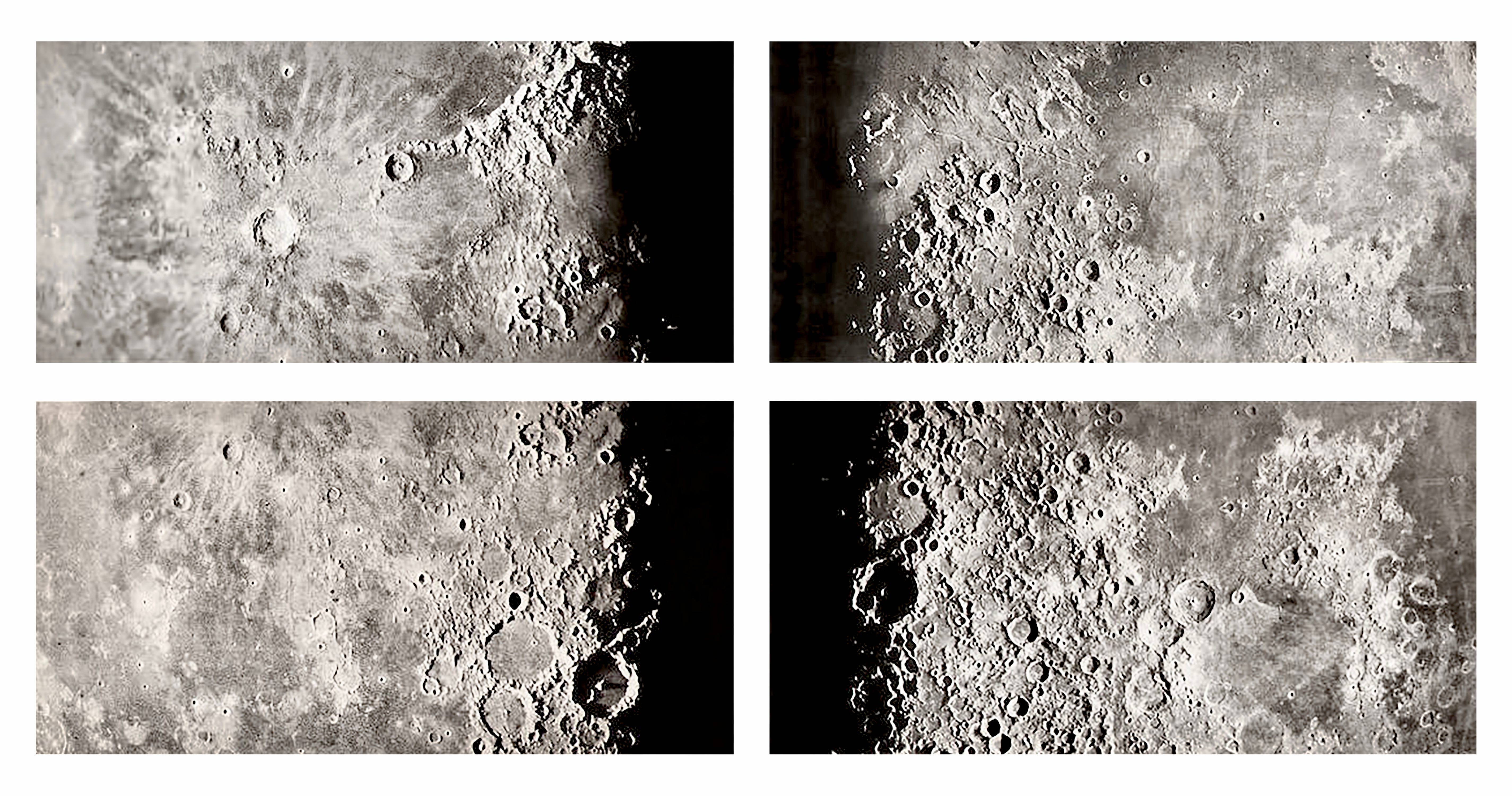
Then, with the help of Daniela de Paulis, an Italian media artist and radio telescope operator working in the Netherlands, I bounced this image off the Moon.
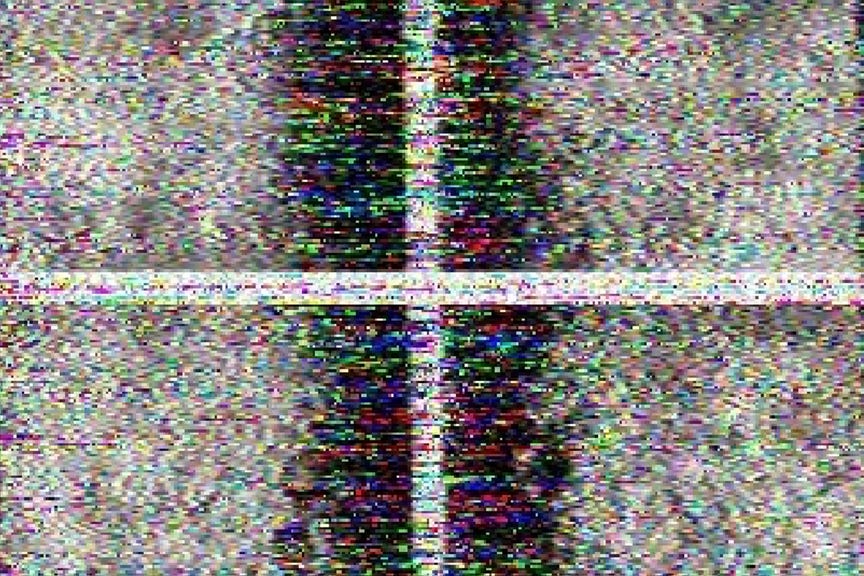
This technique, called a Moonbounce, launches the image 238,900 miles to the lunar surface and captures its echo when it returns 2.5 seconds later.
A kind of lunar kiss, the Moonbounce smeared my image with a strange, psychedelic pattern of distortion.
The lunar flag now felt official, as though the Moon had given its blessing.
I had it printed in miniature.
And then, without an international audience or a single curse word, I planted the flag on the Earth’s surface (otherwise known as my front yard) and claimed this territory for the Moon.
Unfortunately, the flag didn’t last long—not in the windy atmosphere of New England.
Before I took it down, I never thought to take a picture, much less a video. And so I know many of you will think this is some kind of hoax.
After all, the conspiracists will say, who would be weird enough to do such a thing?
And it’s a fair point—one that’s hard to rebut.
Because how can I ever convince them how much I love the Moon? And that when I stare up at it in the night sky, it’s not the Moon that moves—it’s my heart.
See you on the Harvest Moon!
—WD
Comments
Nothing yet. Say the first thing.
Sign in to join the conversation.