
This letter is contributed by Ariel, who has been helping us out at our studio since the start of this year. We are grateful that she said yes to preparing this letter for this month, where she reflects on environmental care and connections through the studio work she has been engaged with.
“Action on behalf of life transforms. Because the relationship between self and the world is reciprocal, it is not a question of first getting enlightened or saved and then acting. As we work to heal the earth, the earth heals us.”
- Robin Wall Kimmerer
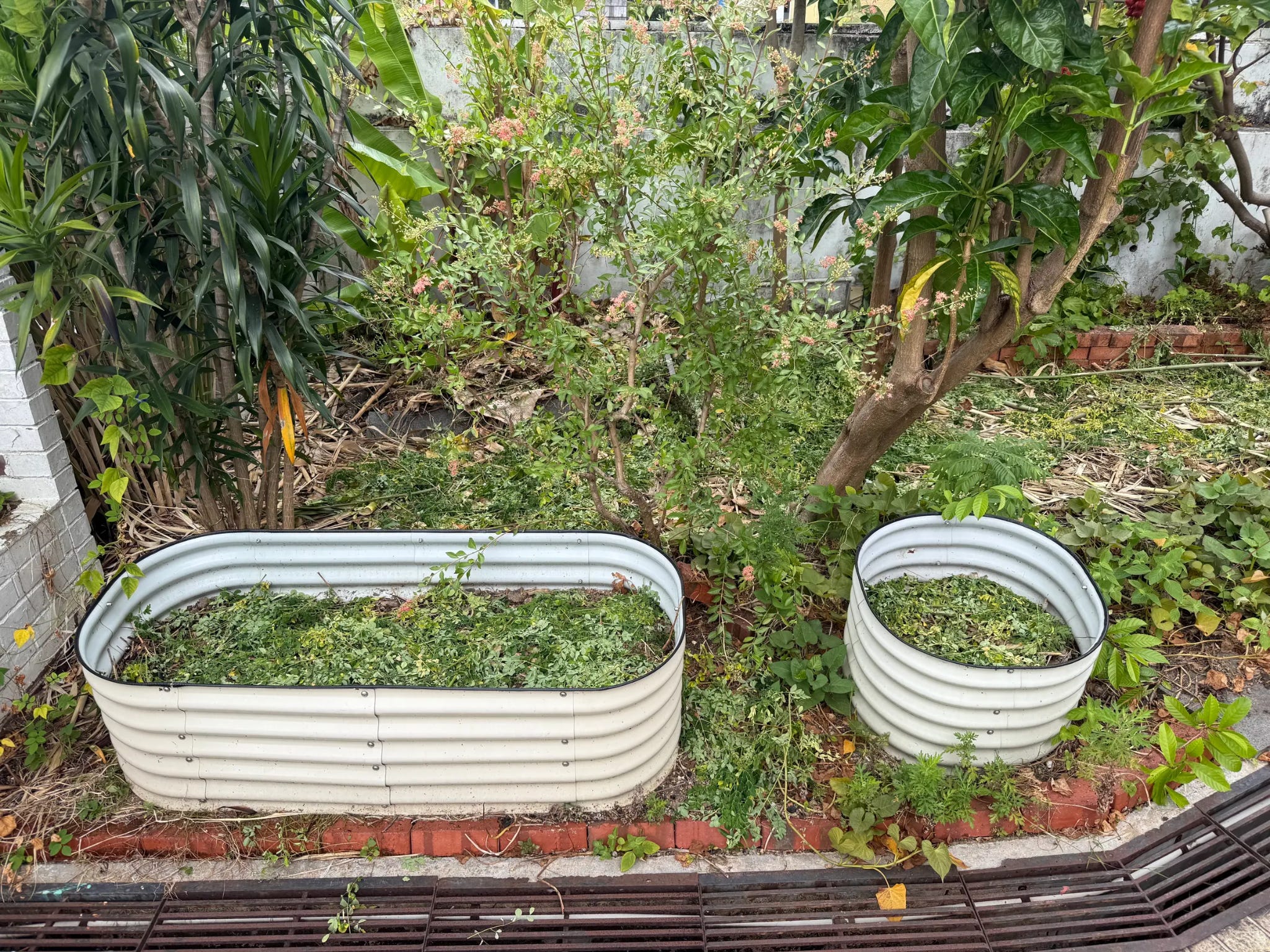
When I first started working as a studio assistant at Wild Dot, I thought that I may be engaged in practice while reflecting on the conceptual frameworks I have learned about environmental stewardship and ecology from my years of study. What I found rather quickly however, was that nature had its own message for me - one that came to me somatically, rather than intellectually.
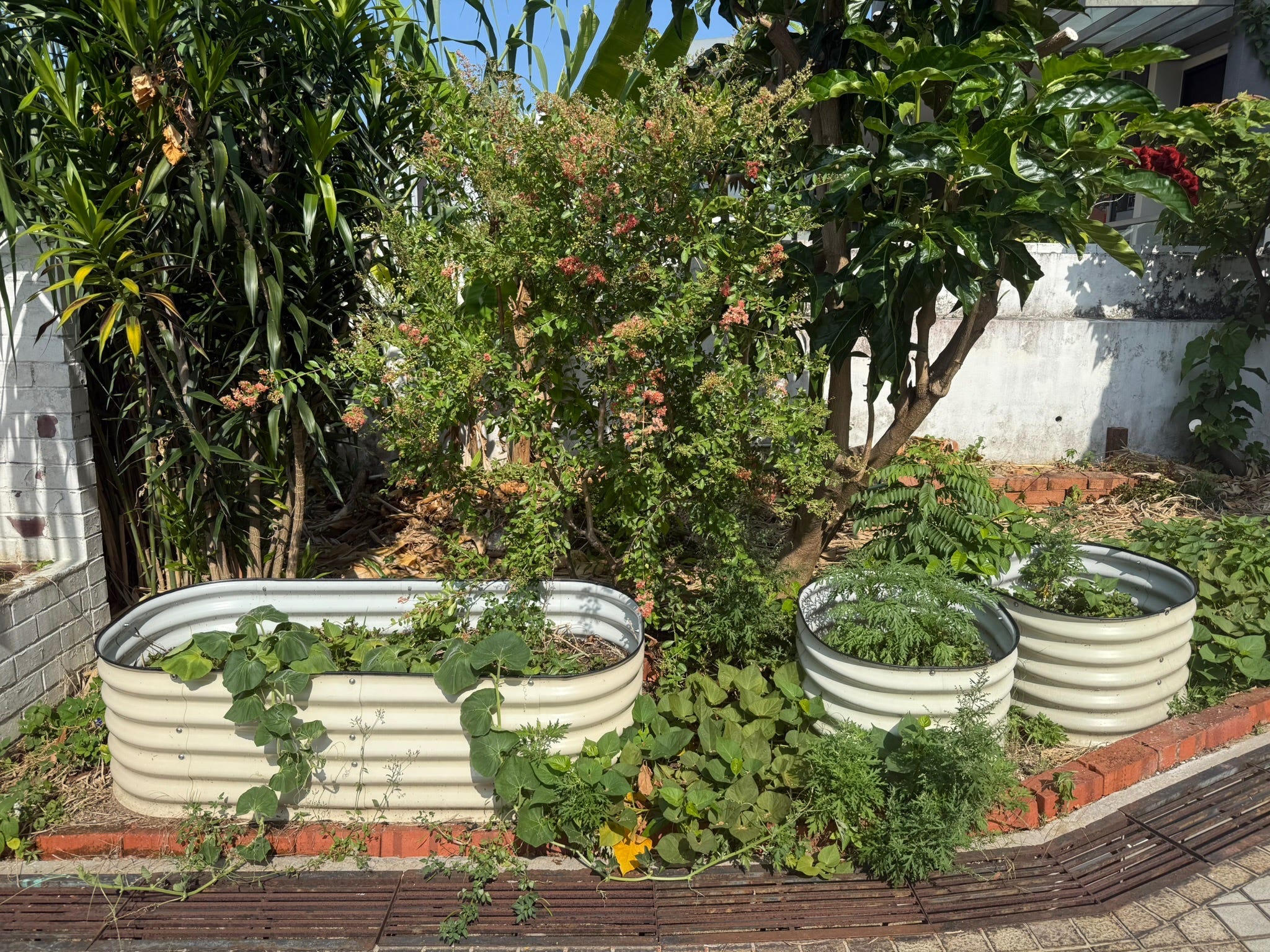
On my first day I remember being drenched in sweat and sunlight, helping Shirin move a large planter from a shaded area of the front garden to an area with more light. Soil crumbling between my fingers, we transferred the soil scoop after scoop out of the planter. I remember seeing earthworms and millipedes emerging frantically from the dark mass, and gently moving them out of the way. It is hard to describe the visual and sensorial feelings, as though my mind was suddenly sensing everything in pristine vision - the golden warmth on my skin, salty sweat dripping near my eyelids, the vibrance of a reddish-pink earthworm writhing on the palm of my hands.
As I was introduced to more aspects of the garden work, I found myself thinking about the soil, plants and animal visitors more frequently. The first two weeks of February was dry and hot, and the soil was parched and needed more watering. As we filled our watering cans with water and lactic acid, I thought of the soil like a living and breathing entity (which of course, it is). I could feel its thirst as we soaked the surface. Later, as I was digging a trench in the planters and burying some fermented fruit scraps, I thought to myself : Ah, I am feeding the soil…hope you enjoy this meal!
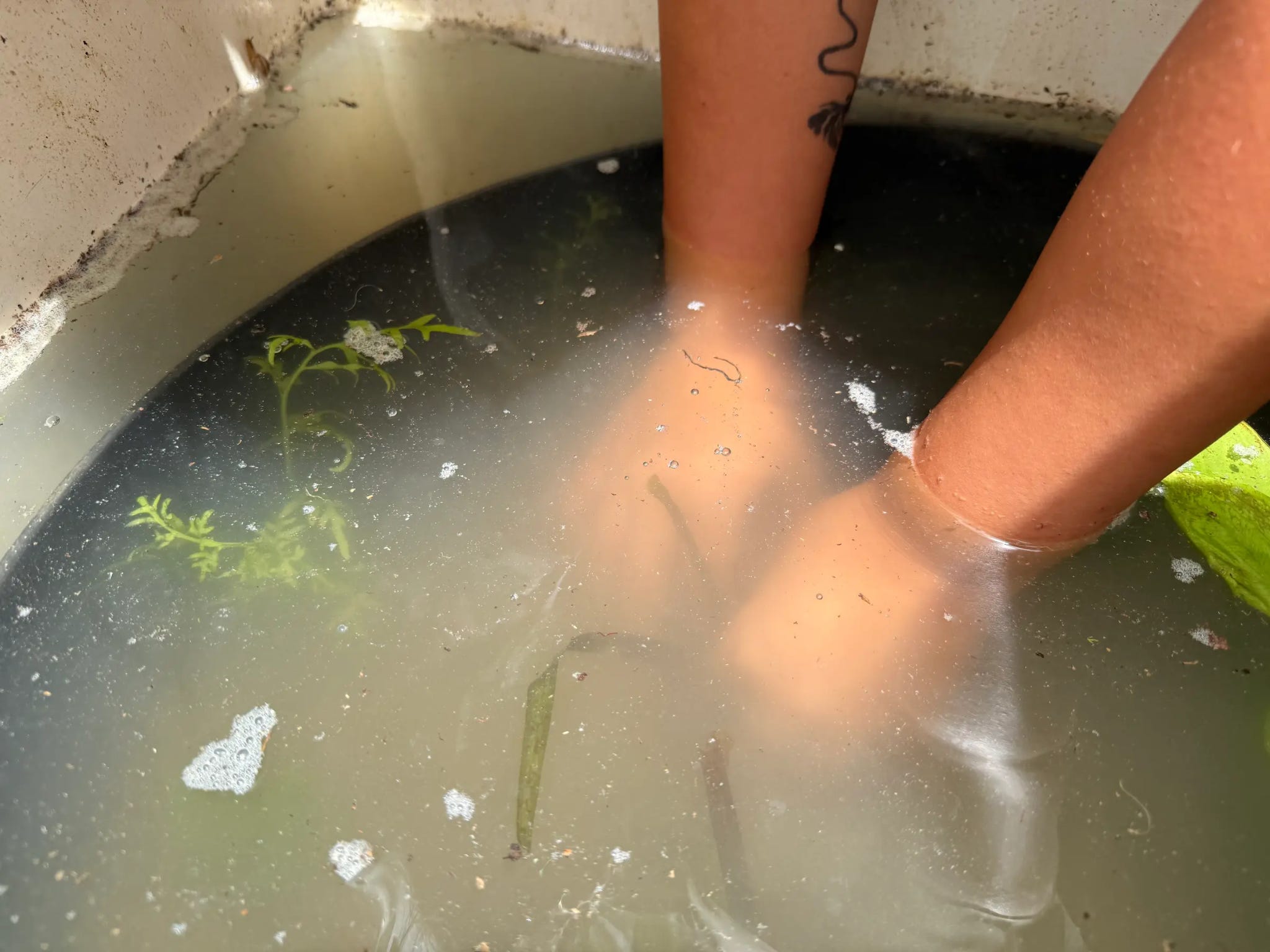
It is a well known truism that “nature heals” — most of us are well aware of how a brief walk in nature can ease the mind, or how a dip in the ocean calms the nerves. However, engaging with nature in a more intimate, labour and care-oriented manner has shown me just how healing it can be. The question perhaps is - Why, and how?
Besides the standard scientific explanations about sunlight and exercise generating more of our happy hormones, I’d like to think of the healing process as a deeply reciprocal journey between us and nature - as written so beautifully by Robin Wall Kimmerer.
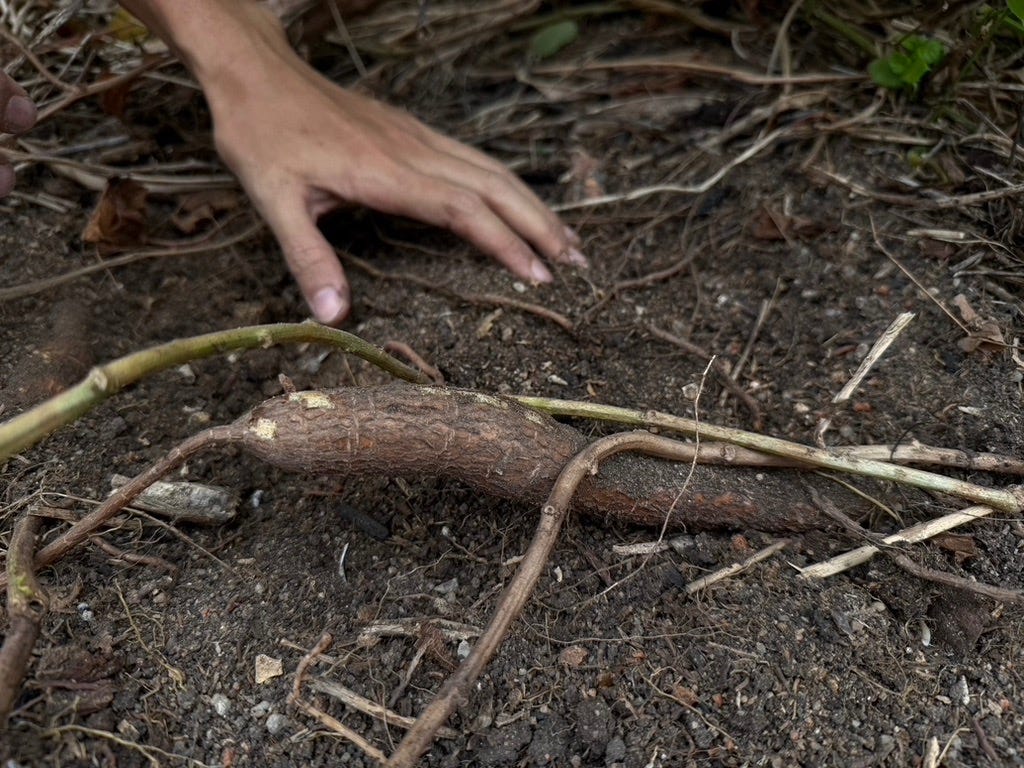
Watering and feeding the soil, harvesting leaves and fruit, digging for sweet potatoes and tapioca in the ground… These are activities that we humans have been engaged with since the early dawn of our species — but that we have grown increasingly alienated from. These activities are not only primal, but also collective. We would chat about silly things in our lives while breaking down moringa stems into smaller chunks to mulch, or marvel at the little critters we found and the size of the sweet potato someone just dug up. These moments reminded me that reconnecting with our land is not an individual task, but a collective one that spans both space and time. While the task of maintaining a garden is often repetitive, laborious and demanding, it is also undeniably rewarding and joyful. When we give ourselves to care, nature gives back.
On a more personal level, I found every task at the studio to be a moment of reclaiming attention and presence. When I am engaged with small, seemingly menial tasks like cracking open indigo seed pods, or peeling the bark off of freshly cut branches, I find myself settling into the simpler, natural rhythms of just being. As I learned and participated in the processing of natural materials into pigments, I found my inner child emerging in fascination and curiosity. It is always a moment of excitement when we collect and process a new pigment, watching them come to life on the mulling plate in vibrant swirls of red, yellow, green and blue. Simply by being immersed in the activities around the garden and the studio had allowed my nervous system to rest and regenerate, healing steadily through time.
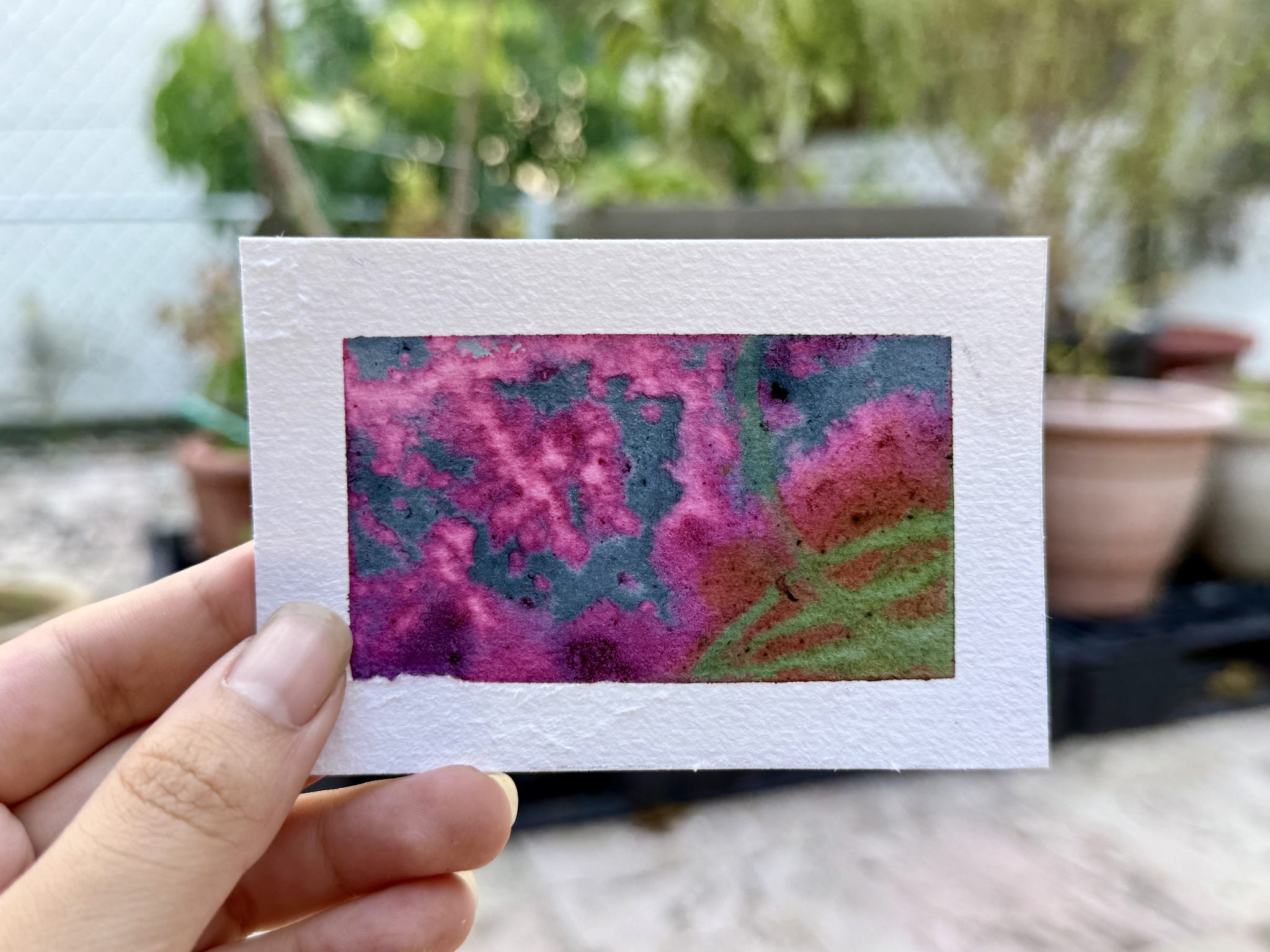
As more weeks go by, I found myself becoming more observant of the changes around the garden, noticing how the annatto fruits are blooming again and close to its time of harvesting, how the chinese watercress we pruned only a while ago are now sprouting back with vigour and vitality. In the beginning I had close to zero knowledge on plants, but now I was able to identify the plants in the garden, and remember the various processes of turning them into natural pigments and materials. When we witness the life cycle of a plant and participate in the journey of transforming it into material, we become intimately connected to the plant itself. Now, when I encounter a mulberry tree, I would remember the way we had to peel off the outer bark, leave it to ferment for several weeks in eco-enzyme, break down the fibres using mortar and pestle, to eventually create mulberry paper made from scratch. These plants were no longer strangers on the sidewalk, like many of the plants we walk by and encounter daily, but have no real connection to.
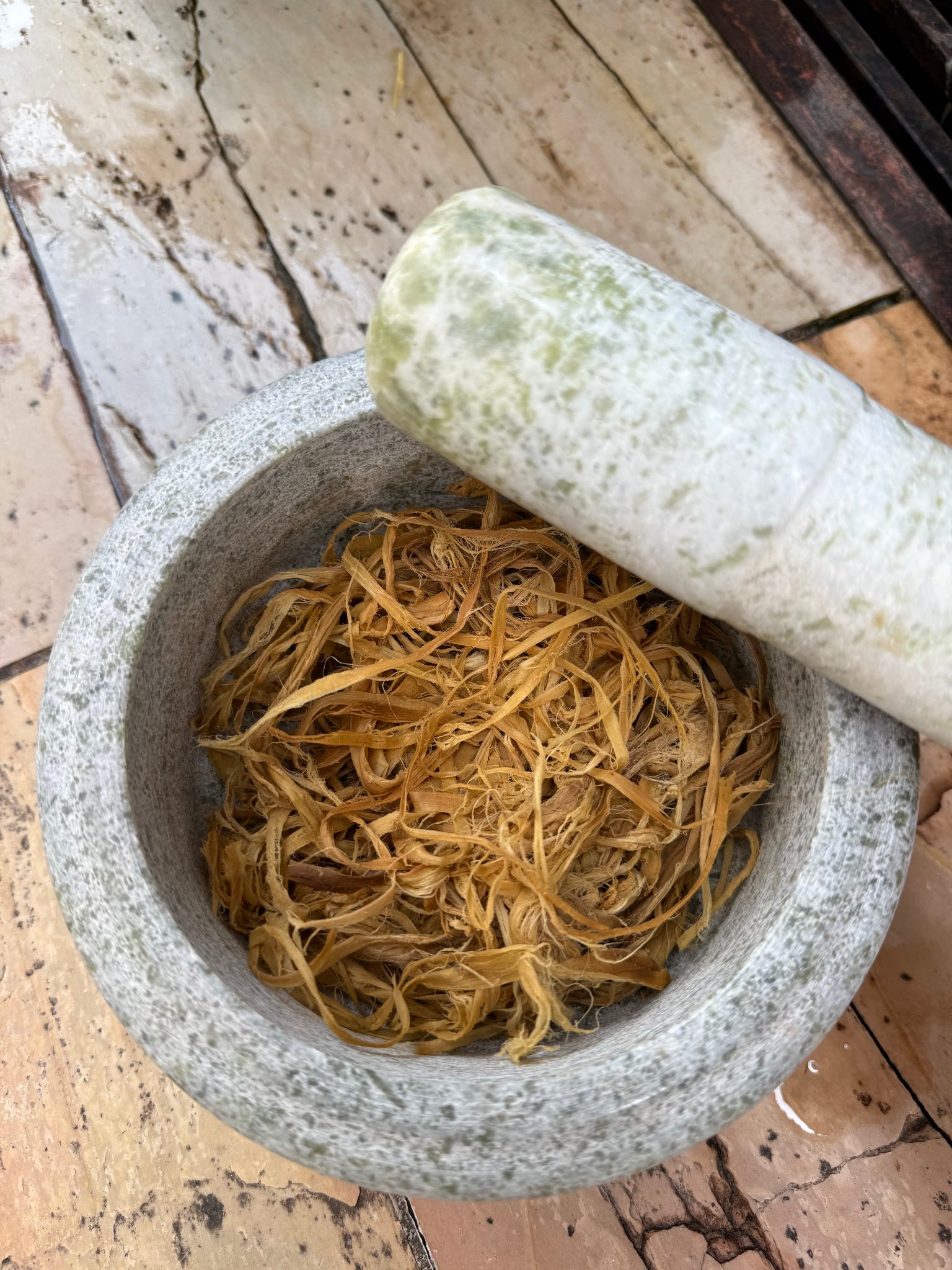
What my time at Wild Dot has taught me about healing is that it does not have to be limited to talk therapy in the therapist’s room. The work of healing in nature feels like a process that cannot tangibly be captured through words, but rather felt through our body and our senses. We heal by becoming more accustomed to natural time rather than productive time — the time of growth, harvest, and fermentation, allowing ourselves to slow down to the pace of the natural world. We heal by being in community with like-minded individuals, sharing values and simple conversations. Through growing and nurturing a garden, we heal as we open our minds to the co-existence of our non-human friends, deepen our relationship with each individual plant, and receive their incredible gifts of wonder in return for our continued care.
Upcoming Public Events:
Collaboration with Suria from DapurCahaya: Kisah Rempah
This is a booth at the Opening Festival of the new Malay Heritage Center, where we will be putting up a display of inks related to ingredients found in Rendang! There are so many exciting activities happening during this nine-day festival. Do check out at their website here.
Till next letter,
Liz and Shirin
No posts
Comments
Nothing yet. Say the first thing.
Sign in to join the conversation.