
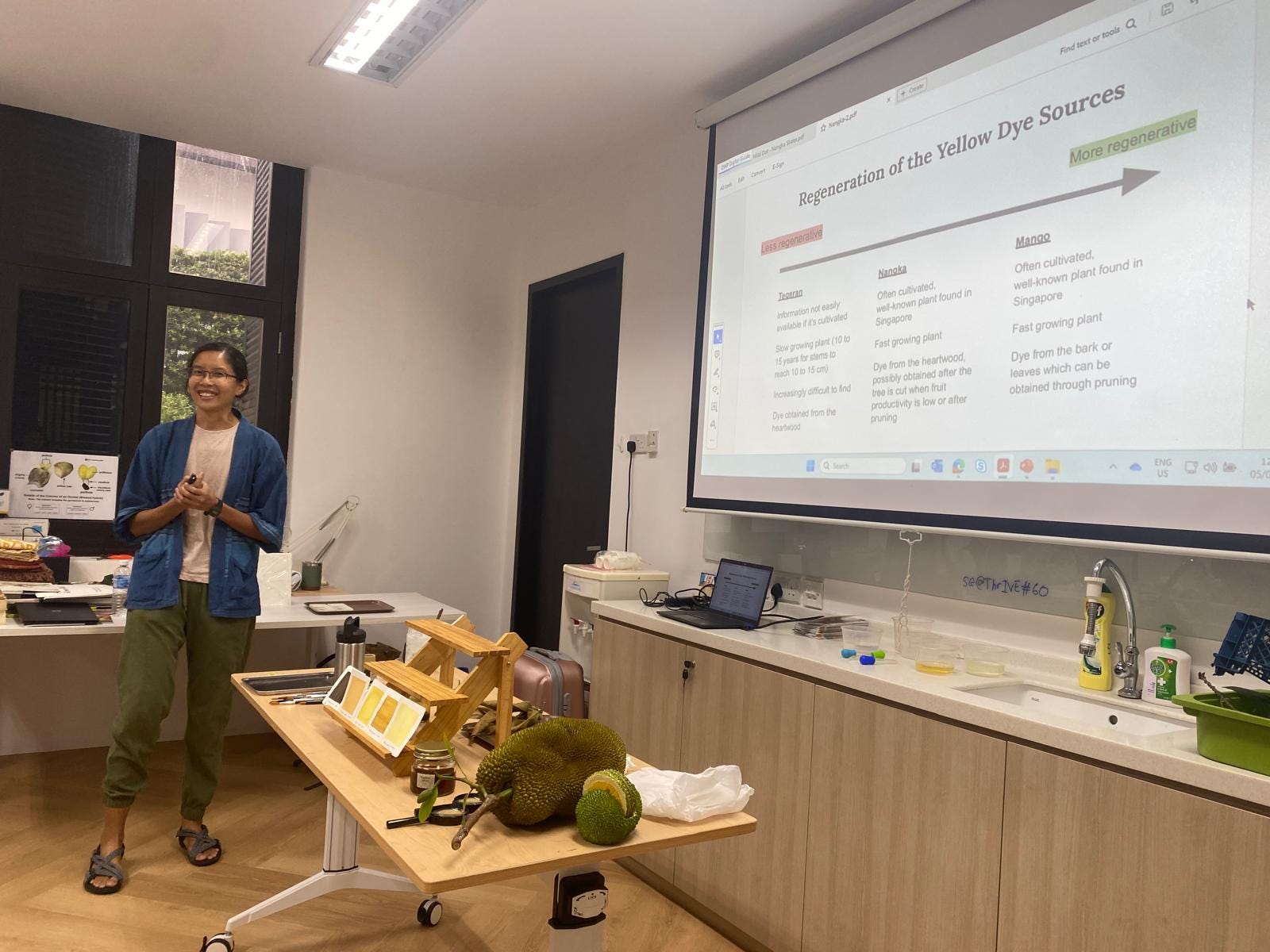
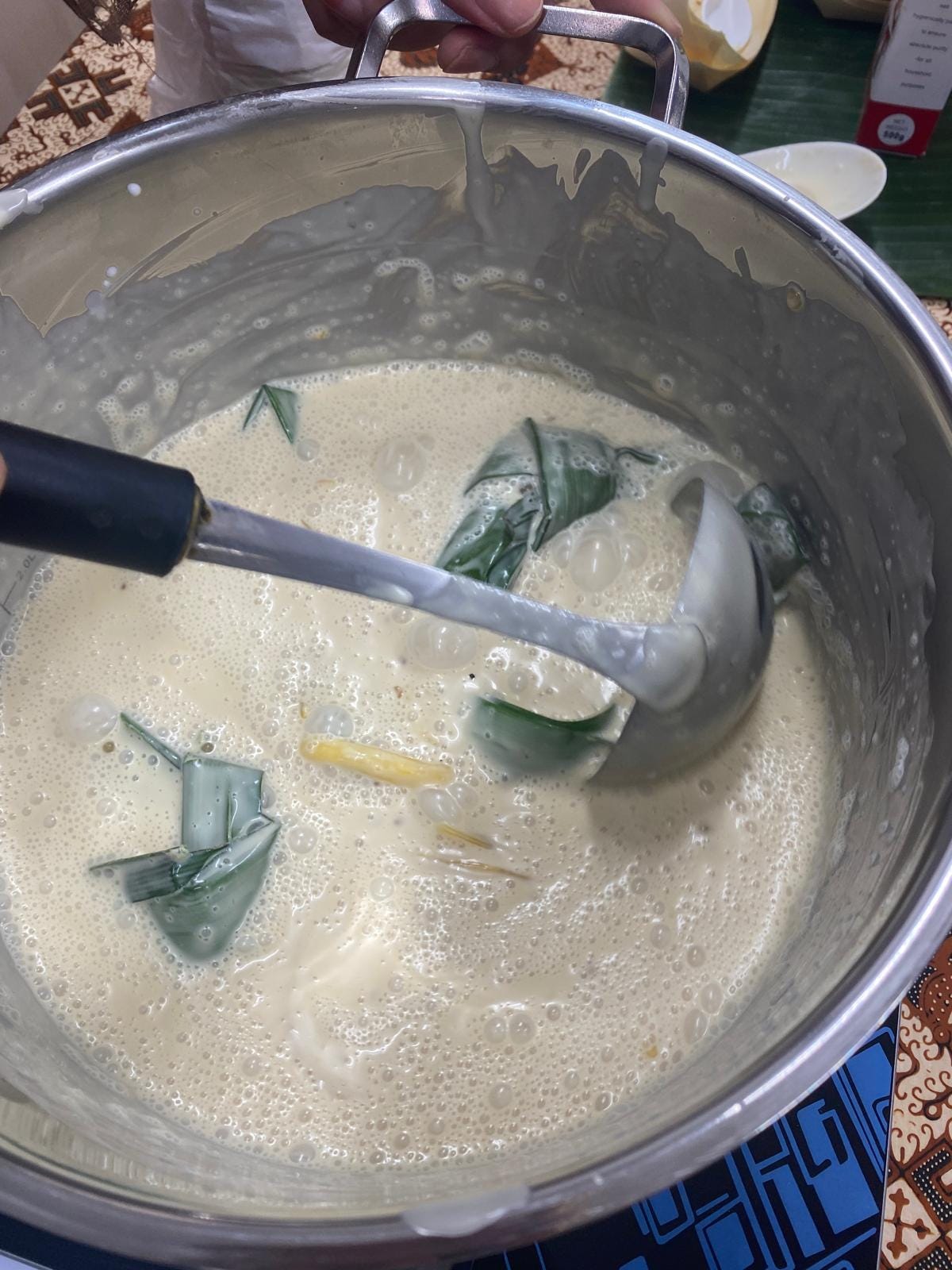
Recently, we explored more with the jackfruit tree because of an opportunity to share about natural colours for an educators training workshop organized by Malay Heritage Centre around the Nangka, or perhaps more commonly known as the jackfruit tree. This workshop was conducted in collaboration with Hafiz (@geroda19) who shared about the symbolic meanings of jackfruit in Malay folktales, and Suria from Dapur Cahaya (@cahayaa.kitchen) who cooked up a beautiful feast with the flesh of young jackfruit, and most surprisingly the seeds which added a unique nutty flavour to this creamy pengat dish!
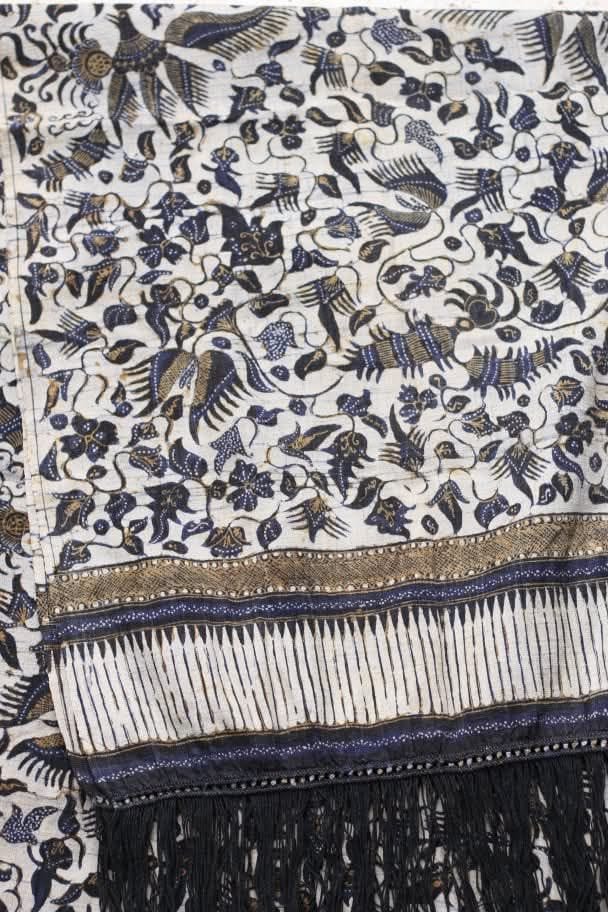
Hafiz also brought along this vintage baby carrier shawl made by an artisan from the Kerek town in the Tuban district of East Java. According to him, the matured yellow dye on this textile is made with the jackfruit wood. The piece was made in 1960.
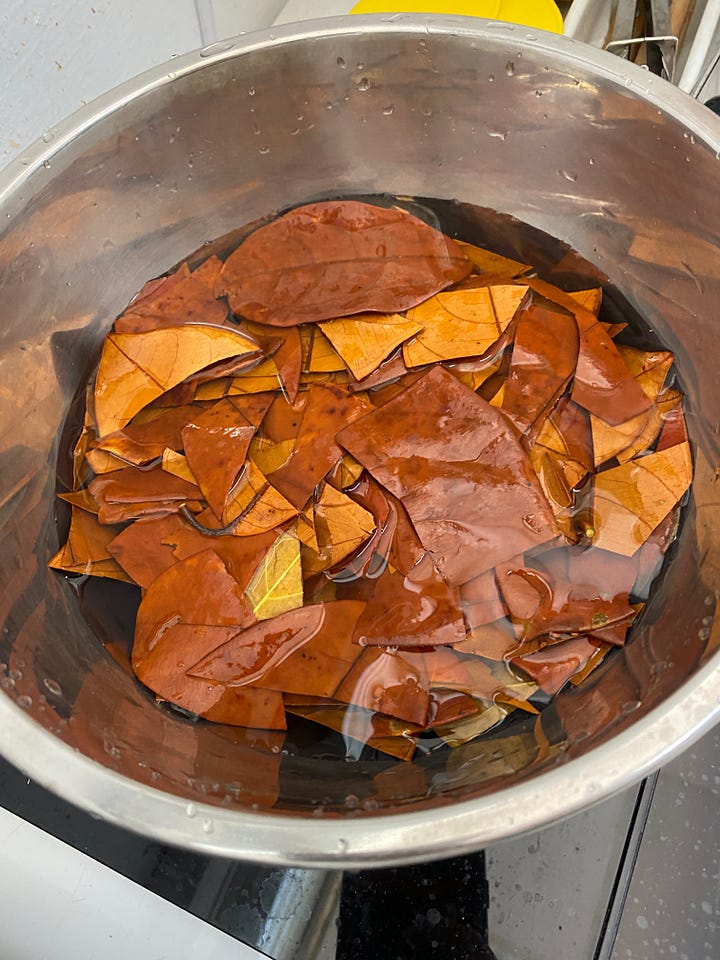
Back in 2020, we had made a rich chocolate-brown (yum) from fallen jackfruit leaves at Pasir Ris Park. Unfortunately, the documentation of this process has been mixed up over the years, but we can only guess that the choice to to use dried leaves that have matured into a dark brown (versus green dried ones). We have also observed that dried leaves from some plants provide stronger colours, compared to their fresh varieties.
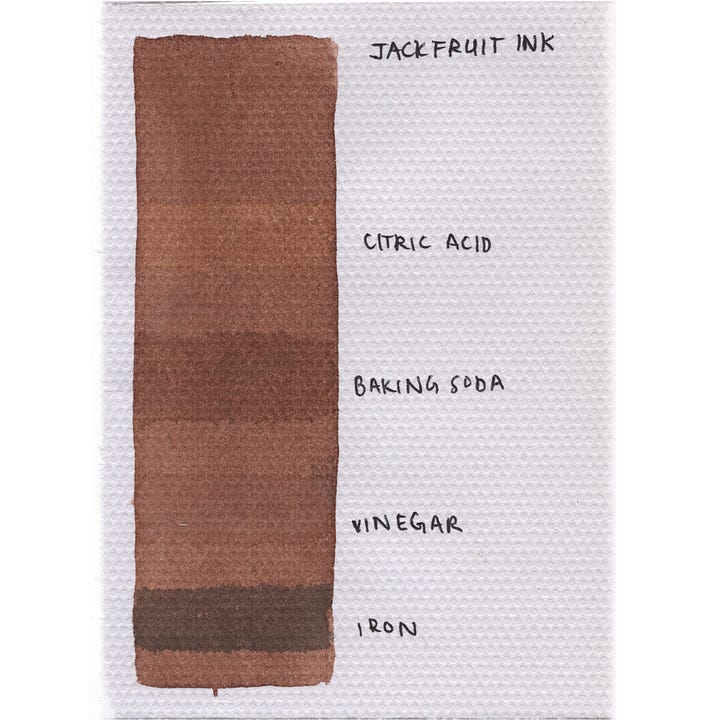
Coincidentally, a few months before we were invited to do this workshop, Liz chanced upon a felled tree along the park connector during a walk around the neighbourhood. Intuition took hold with the observation of a bright yellow heartwood, which invited her to take a closer look. From the leaves and the presence of a white sap, we were later able to identify it as the jackfruit tree.
After an effortful, sticky, slightly messy fifteen minutes, we were able to bring a few small pieces of the heartwood back to our studio.
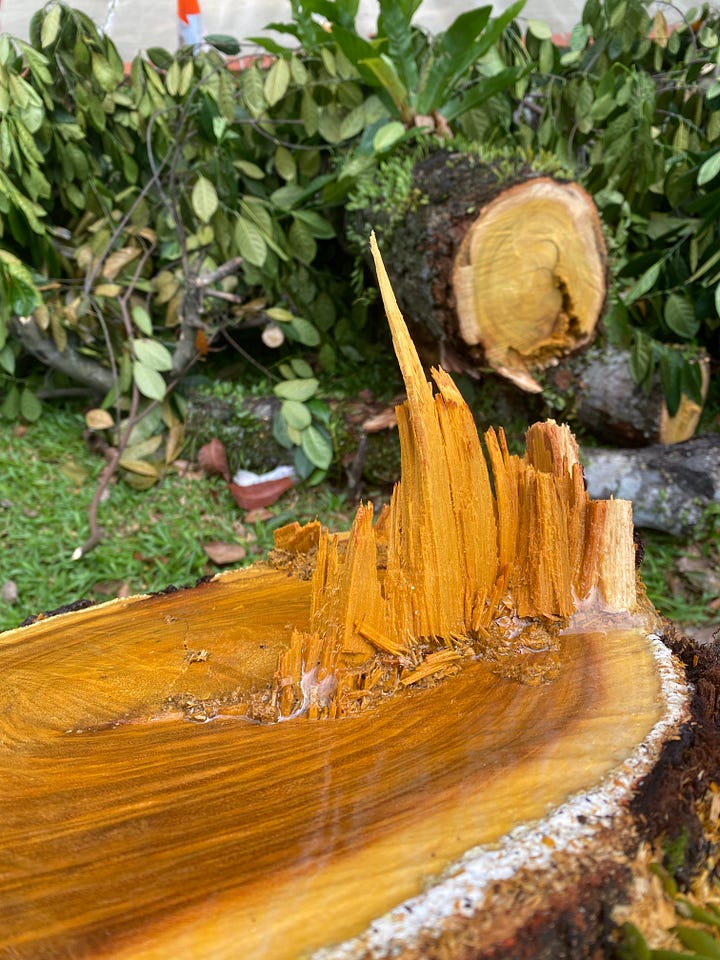
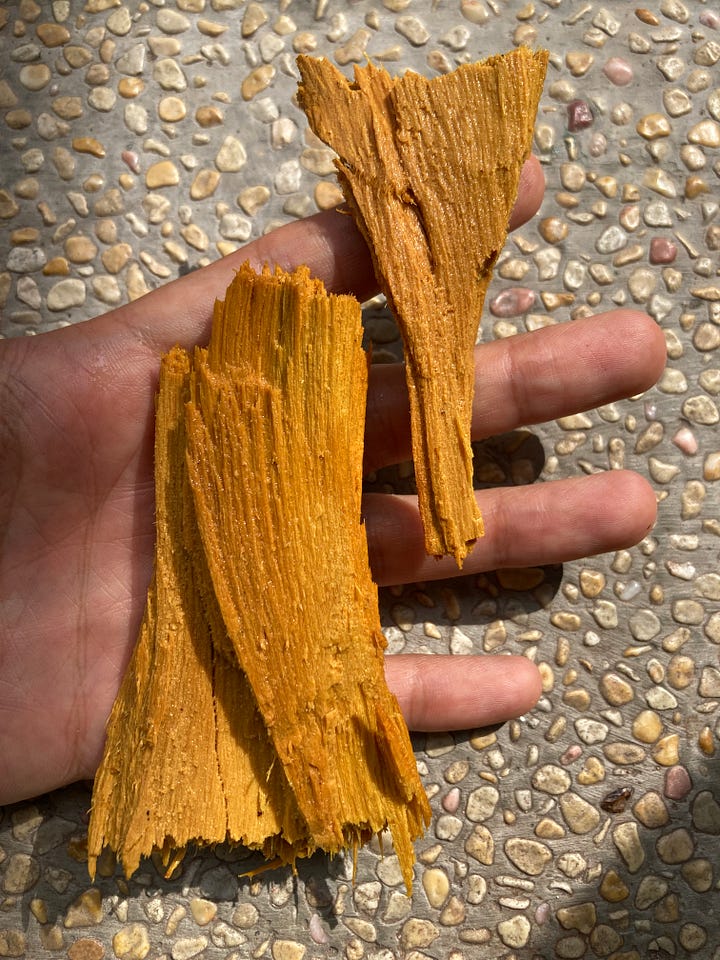
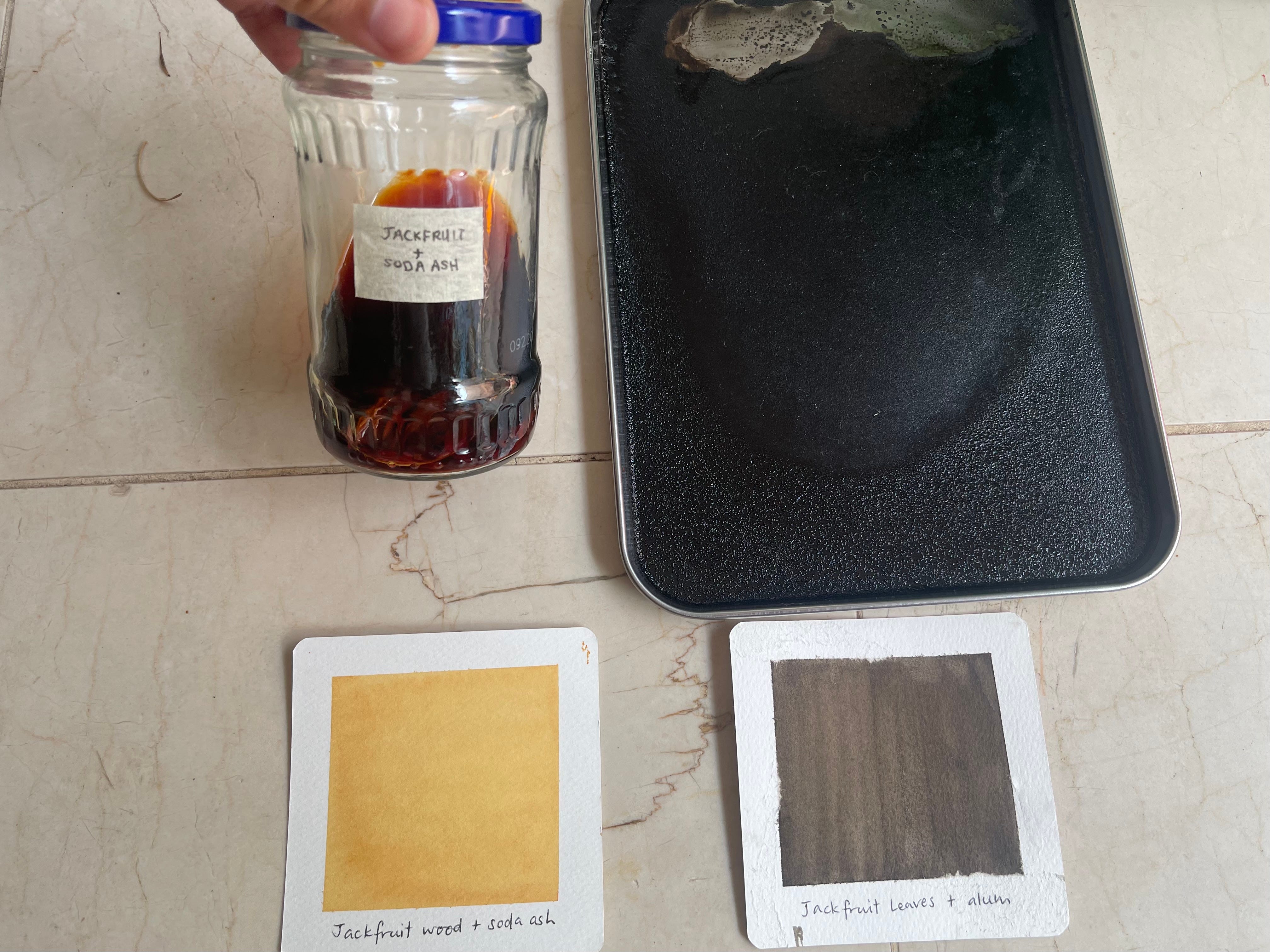
The heartwood responds very differently from the leaves, quickly giving a yellow-orange dye when soda ash was added. Even with only roughly a tablespoon worth of wood shavings, it was sufficient to make a batch of ink for the teachers to try!
Compared with leaves, we would often need to use a large bowl’s worth (as seen in the earlier photo) to be able to make a decent volume. The ink with the dried leaves was also noticeably a browner yellow hue.
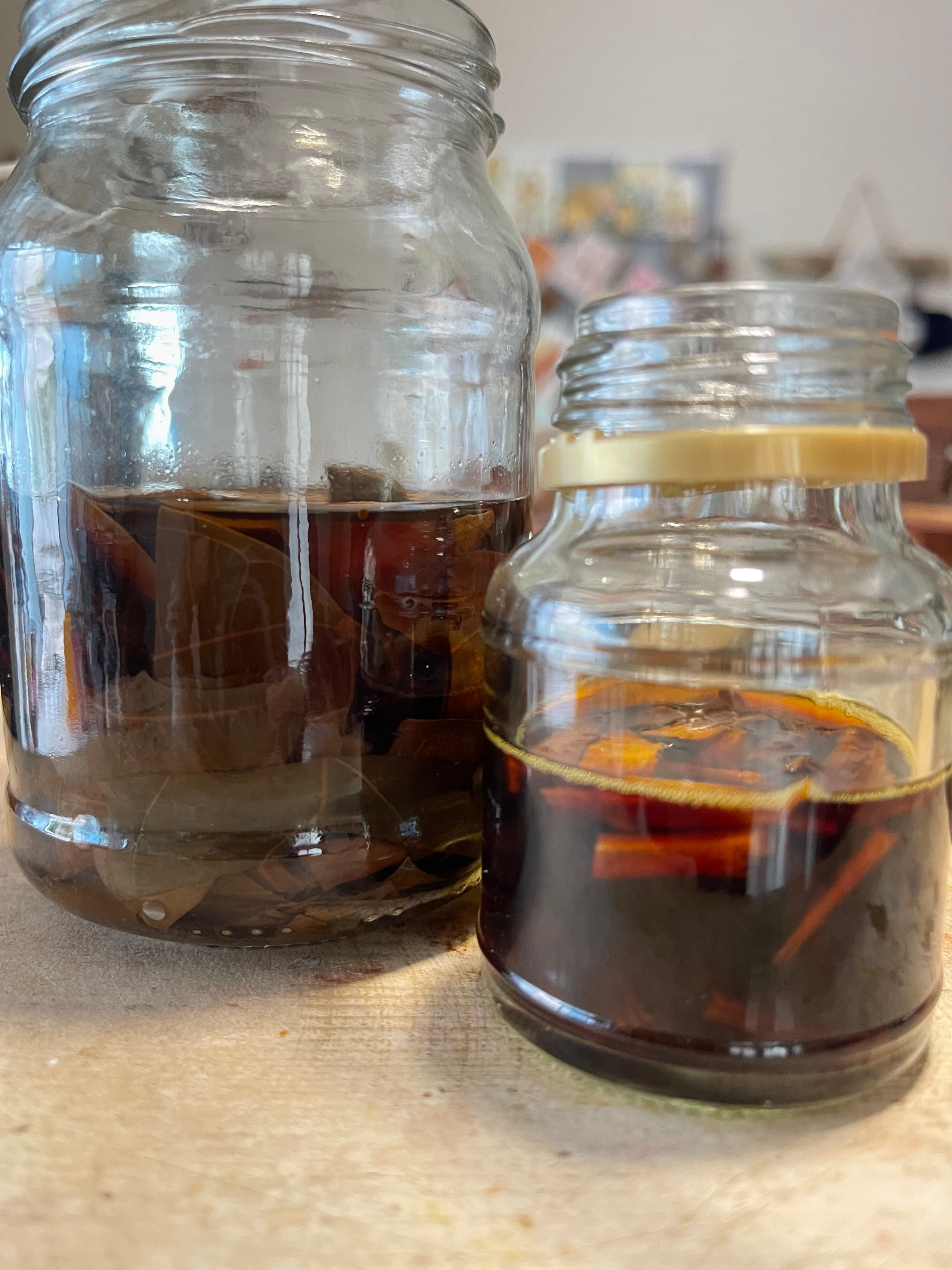
Jackfruit wood gives a lovely mustard colour that is slightly on the muted yellow side. We left the ink overnight to dry on a metal tray… and something unexpected happened.
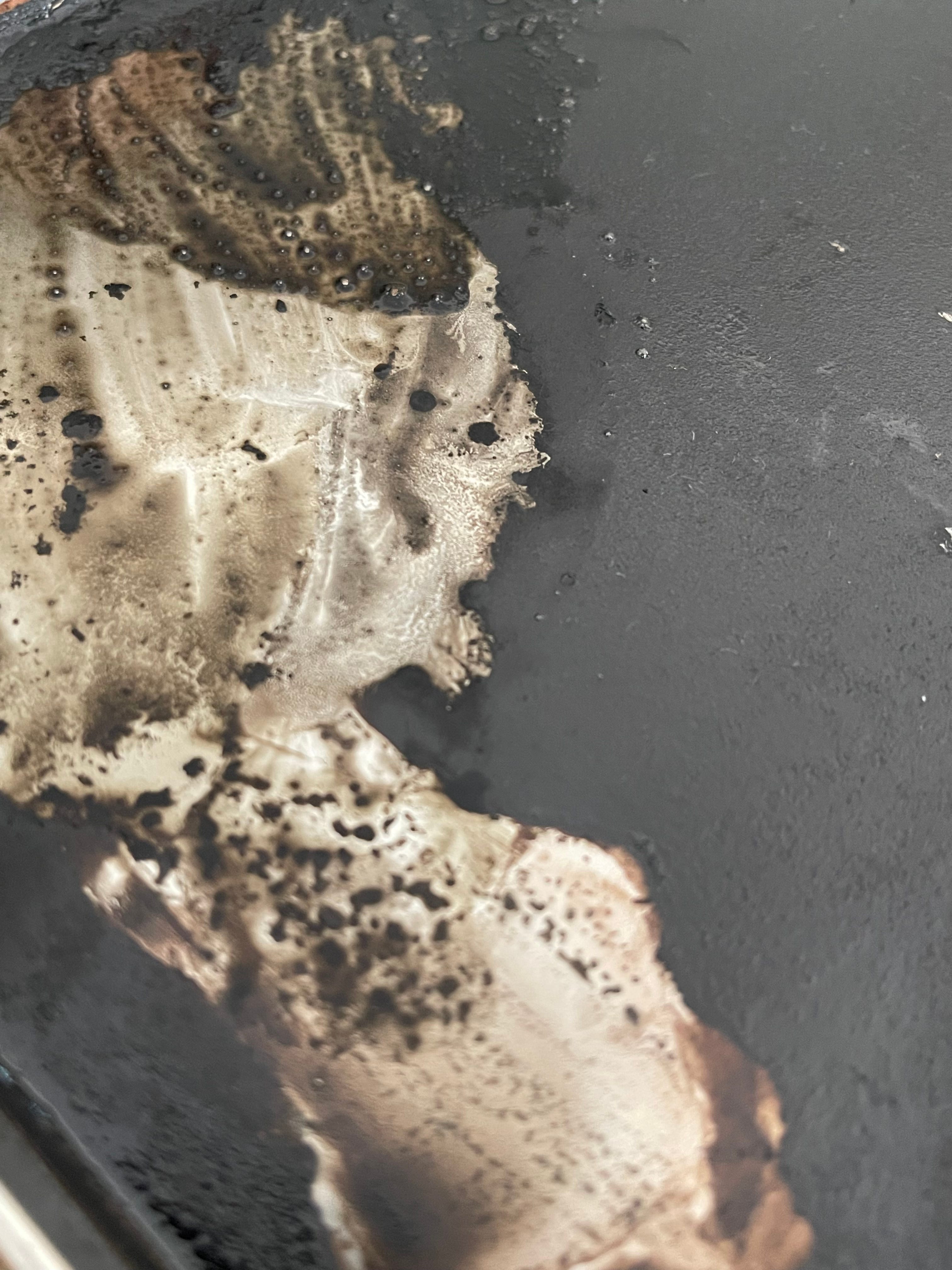
Overnight, the yellow became a dark gray-brown. We were initially perplexed by this change, until we realized that the tray we used was old and had one too many scratches, causing a slow release of probably some iron into the ink…
Thanks for reading Masak-masak Colour! This post is public so feel free to share it.
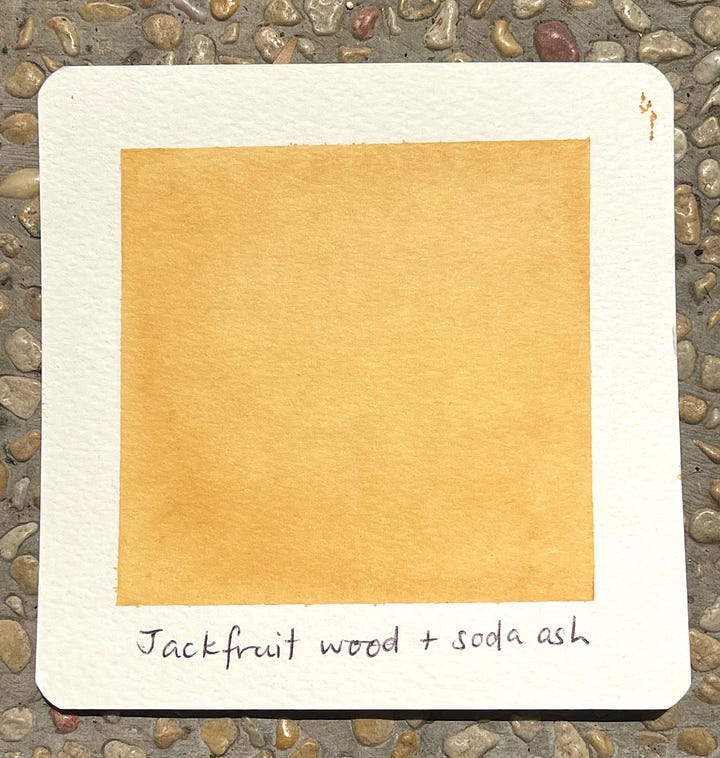
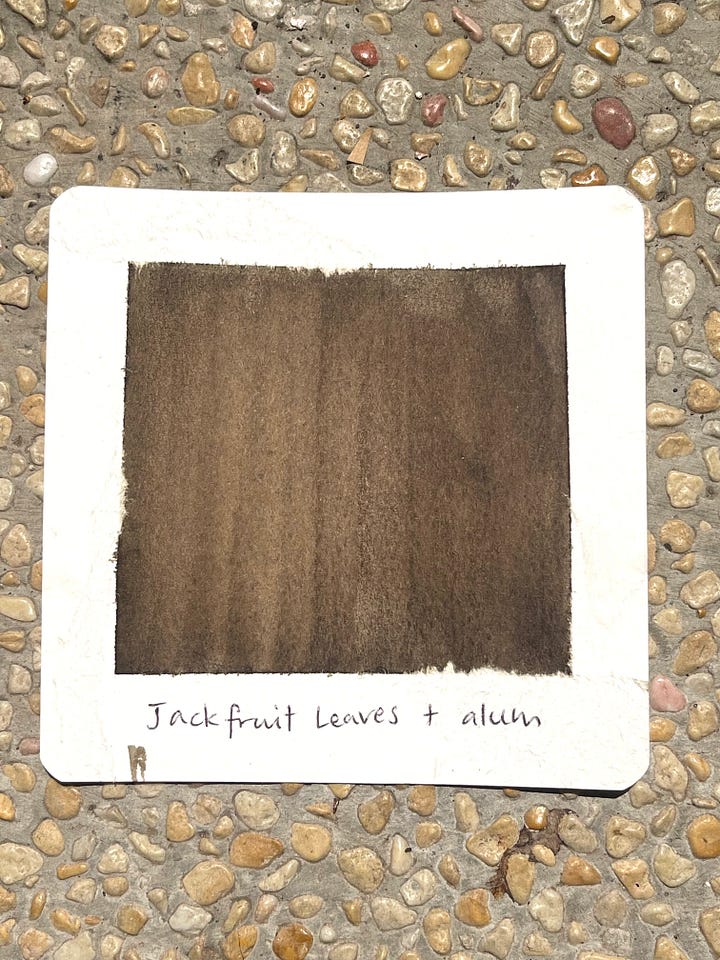
Iron is a common saddener used by inkmakers and dyers to change plant colours into much darker hues (hence the name). Depending on the plant, one could go through various shades of browns, grays, even blacks, with this modifier.
This exploration of the jackfruit inks reminded us of our experience with the sappanwood, where the prominence of colourants from the heartwood give very strong inks. You can also read our letter on heartwood and sappanwood here.
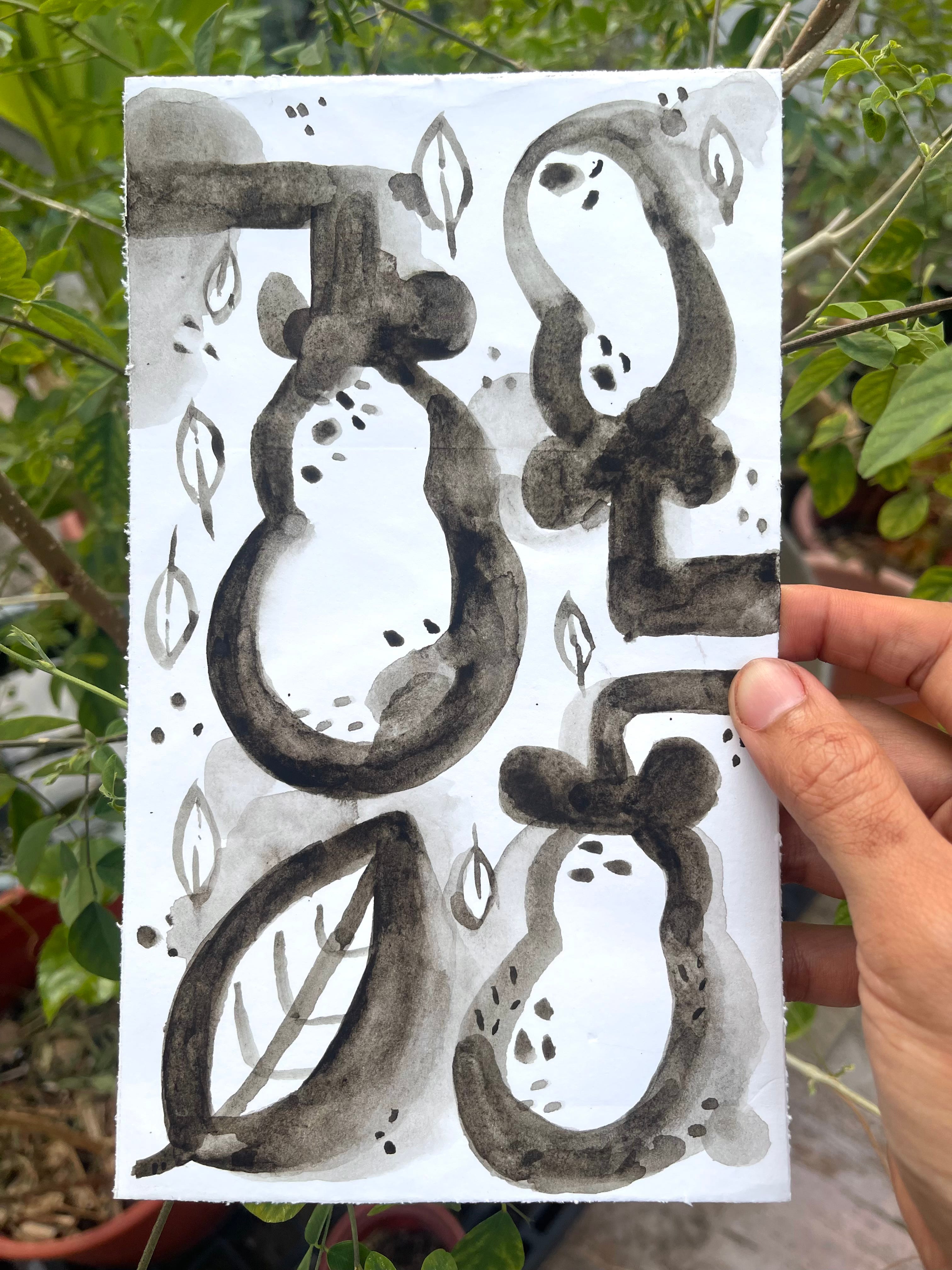
We have been thinking about how returning to the same plant after a few years affect how we feel about the inkmaking process. Context has changed for us; in some ways we have become more intentional about the ways we document our learnings and inks made. Working with other people also helped us see how one plant, or one medium, can hold so many forms of relationships that are expressed through stories, food, or craft.
Exploring all these dimensions through the lens of one plant is very exciting, and we hope to share more of such sessions in the future!
Upcoming Events:
We will be part of Arts@JLG: heART on the 13th July (this Sunday oops tomorrow), at the Lakeside Field! We got our hands on discarded clay from a pottery studio, and we invite you guys to come and join in the process of revitalizing them into fresh, new pigments for artmaking.
Lots of exciting stuff, so do pop by and join in the fest!
Masak on,
Shirin and Liz
No posts
Comments
Nothing yet. Say the first thing.
Sign in to join the conversation.