
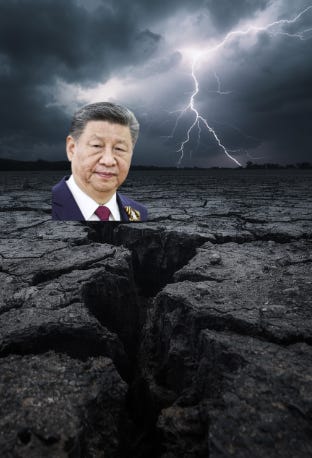
While global attention fixes on the ongoing crisis in Iran, Ukraine’s major drone attacks on Moscow’s energy infrastructure, and the high-octane drama of the World Cup, a far quieter yet deeply consequential tectonic shift is occurring inside Beijing. Amidst these media distractions, a series of unusual anomalies within the Chinese Communist Party (CCP) suggest what may very well be the beginning of the end for Xi Jinping’s absolute grip on power. Behind the opaque walls of Zhongnanhai, the rigid, unified facade of the ruling regime is showing signs of severe factional fracturing.
The first indicator of this escalating internal crisis is the sudden disruption of the party’s standard political calendar. Historically, when the official state-run Xinhua News Agency fails to broadcast its mandatory monthly report detailing the Politburo meeting, a major political shakeup or high-level purge inevitably follows. The complete media blackout surrounding the May 2026 meeting strongly points to bitter, unresolved gridlock among elite leadership, echoing the sudden, historical disappearances of top diplomatic and defense officials.
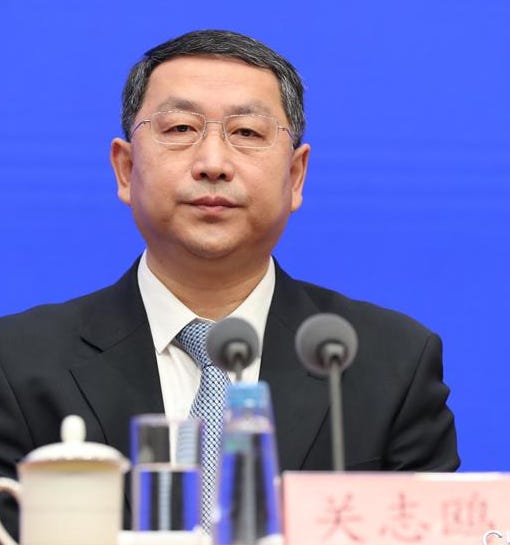
Compounding this administrative silence is a highly visible, strategic resurgence of the long-sidelined Reformist faction. The recent, official promotion of Guan Zhi’ou as the new Party Secretary of Hubei province, a vital economic and logistical stronghold, signals that the reformist network originally cultivated by Hu Jintao, the late Premier Li Keqiang, and elder statesman Wen Jiabao has successfully reclaimed critical political ground.
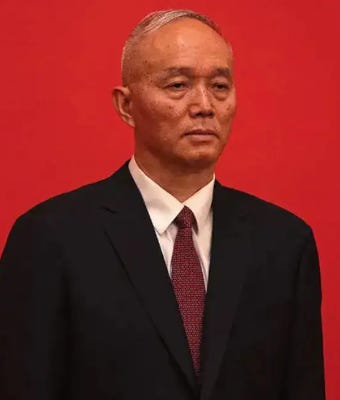
Concurrently, the key pillars of Xi’s inner circle are coming under unprecedented internal pressure. Anti-corruption regulators are targeting Dong Guibo, a key Zhejiang loyalist who served directly under top ideologue Cai Qi. Because Cai Qi runs the powerful National Security Commission, which orchestrates China’s aggressive, forward-leaning Second Island Chain maritime and intelligence strategies through the ministries of State Security, Foreign Affairs, and Defense, this targeted investigation strikes at the very heart of the administration’s international operational machinery.
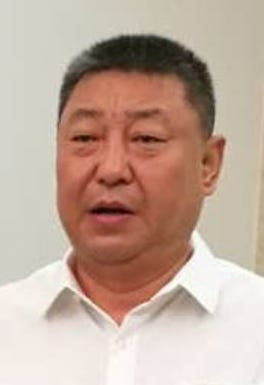
Furthermore, persistent rumors regarding the imminent replacement of Public Security Minister Wang Xiaohong, alongside the sudden public exposure of personal and financial scandals surrounding Xi’s younger brother, Xi Yuanping, indicate that the dominant power network is rapidly fracturing from the inside out.
Smart leaders in the West will quickly recognize and jump on this rare geopolitical window to help jettison a leadership team whose primary raison d’être has been to aggressively destabilize Western institutions and democracy. By approaching the ascending Reformist faction with a measured blend of strategic empathy and calculated diplomacy, the international community can forge a constructive path forward. Welcoming back pragmatists who recognize that China’s true prosperity relies on mutual prosperity rather than a ‘win-at-all-costs’ doctrine, paving the way for better opportunities for their own people and a more predictable global order.
No posts
Comments
Nothing yet. Say the first thing.
Sign in to join the conversation.