
When I meet Gary Locke in reception at Tynecastle, I’m conscious of being in the presence of Hearts royalty. Locke, a fit looking 51-year old, captained the club when it won the Scottish Cup in 1998, was manager in their darkest hour when liquidation loomed, and now acts as their principal ambassador. Despite his lofty status, he’s grounded, easy to talk to and a powerful advocate for The Foundation of Hearts, the supporters trust which controls 75% of the club’s shares.
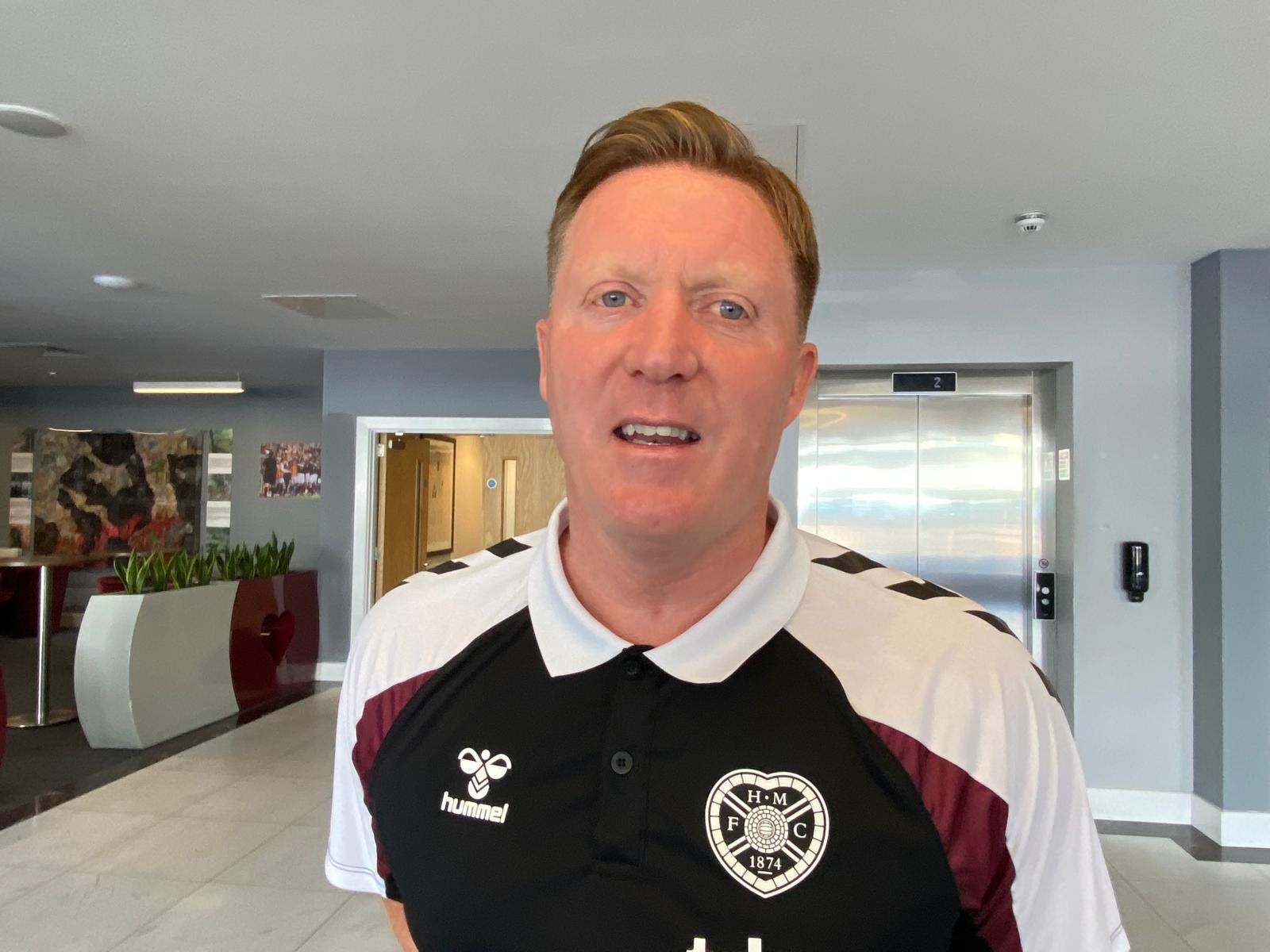
Gary remembers the day when fan ownership became both a possibility and a necessity, after the ruinous reign of Vladimir Romanov, who racked up debts of £25million before filing for administration in June 2013. “That was easily my worst day in football, because it’s not just the fact that you’re manager of the club. This was my club - the club I’d supported all my life,” he says.
As a kid growing up in Bonnyrigg, eight miles outside Edinburgh, Locke was taken to his first game at the age of 2, “and then I followed Hearts every week, home and away, with my Dad on the bus. When I got to five or six, I followed the club everywhere. We went to every single game, and I just loved it. I was very, very fortunate to eventually play for them.”
As a supporter, Locke was in the stands at Dens’ Park in 1986 when Hearts only needed to draw with Dundee to secure the league title. It was a scenario in which even if they lost, Celtic still had to thrash St Mirren by four clear goals. Yet, as Locke mournfully recalls, that’s precisely what happened, with the Jam Tarts falling 2-0, whilst The Bhoys won 5-0. “It was a disastrous day - typical Hearts” he says with a roll of the eyes. “But I think that’s what makes a football fan. You follow your club through thick and thin, and it was a brilliant season.”
His progression from the stands to the pitch at Tynecastle was a real source of pride for his Dad, who he describes as, “a died-in-the-wool Jambo. He went everywhere to see us. I’ve got a son now, and it’d be the proudest day of your life to see your son fulfil his ambition and play for Hearts. So I did that. My dad was over the moon, and then I went on to have 10 years here as a player. I was the club’s youngest ever captain as well. So I had a lot of proud, proud moments. We won the Cup [against Rangers] when I was captain. I was disappointed because I missed the game through a serious knee injury, but to be involved in that squad and lift the cup as captain of the club is a memory that I’ll never forget.”
After a distinguished but injury-stricken playing career - which also ticked off spells at Bradford City and Kilmarnock - Locke took the managerial reins at Tynecastle in February 2013. It was like catching a falling knife. In the early months of that 2012-13 season, there had been plenty of flashing red lights, including the imposition of a transfer embargo by the SPL, as a punishment for late payment of players’ wages. It was becoming all too evident that owner Vladimir Romanov, a Russian-Lithuanian wheeler dealer, who had profited (like Chelsea’s Roman Abramovich) from the sale of Soviet state assets following the collapse of communism, was losing interest in the project.
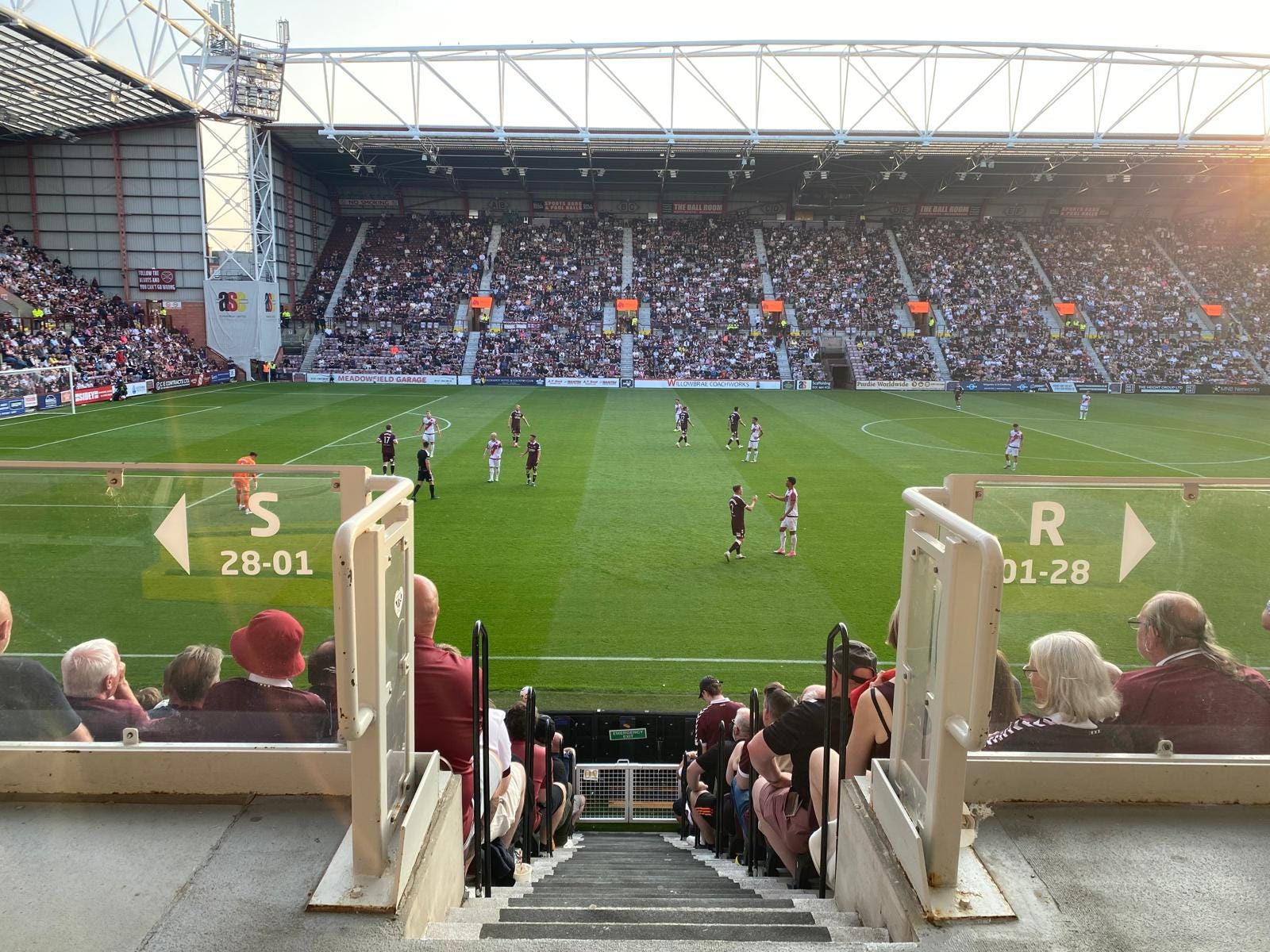
Even so, Locke recalls approaching the 2013-14 campaign with optimism after learning from Romanov’s placemen in Edinburgh how much money he had to work with. “I was getting told, ‘there’s your budget for the new season. Go and try and get some players to get us challenging’. It was a good budget, I was quite excited by it.” But within 24 hours, the financial weather had dramatically changed and Tynecastle was engulfed by a tidal wave of unpaid bills. ”When I came in the next day, none of the Lithuanian guys was here anymore. We had two administrators sitting at the door saying, ‘we’ve got two weeks to raise somewhere in the region of £2 million, and if we don’t raise that amount of money, you’ll no have a football club.’”
It was all a far cry from the hopes inspired by Romanov’s arrival as owner in 2005. He prevented the sale of Tynecastle to a developer who planned to demolish the historic Gorgie ground and replace it with a housing estate. Hearts would have been forced to play at nearby Murrayfield - an 80,000 capacity rugby stadium totally unsuited to their needs, and where they would have been tenants, not landlords. Romanov saved their home, and within 12 months delivered on his promise of Champions League football, when Hearts finished runners-up in the League and won the Scottish Cup. That, however, was as good as it got; in the years that followed, they soon settled back into their accustomed position behind the behemoths of Glasgow.
Administration was a different matter altogether, bringing with it a 15-point deduction for Locke and his inevitably depleted squad for the 2013-24 season - although it was by no means certain they’d even get that far. A few months earlier, fans had contributed £1.2 million to a share issue designed, said Romanov, to keep Hearts going - money which was quickly swallowed up in running costs. Now those same supporters were being urged to dig deep again and buy season tickets to tide the club over the summer, ahead of a campaign that would almost certainly end in relegation. Locke recalls that, “as much as that day was the worst I’ve ever had in football, the reaction of the fans was unbelievable. In the two weeks after that, we got to raise the funds that eventually kept the club afloat.”
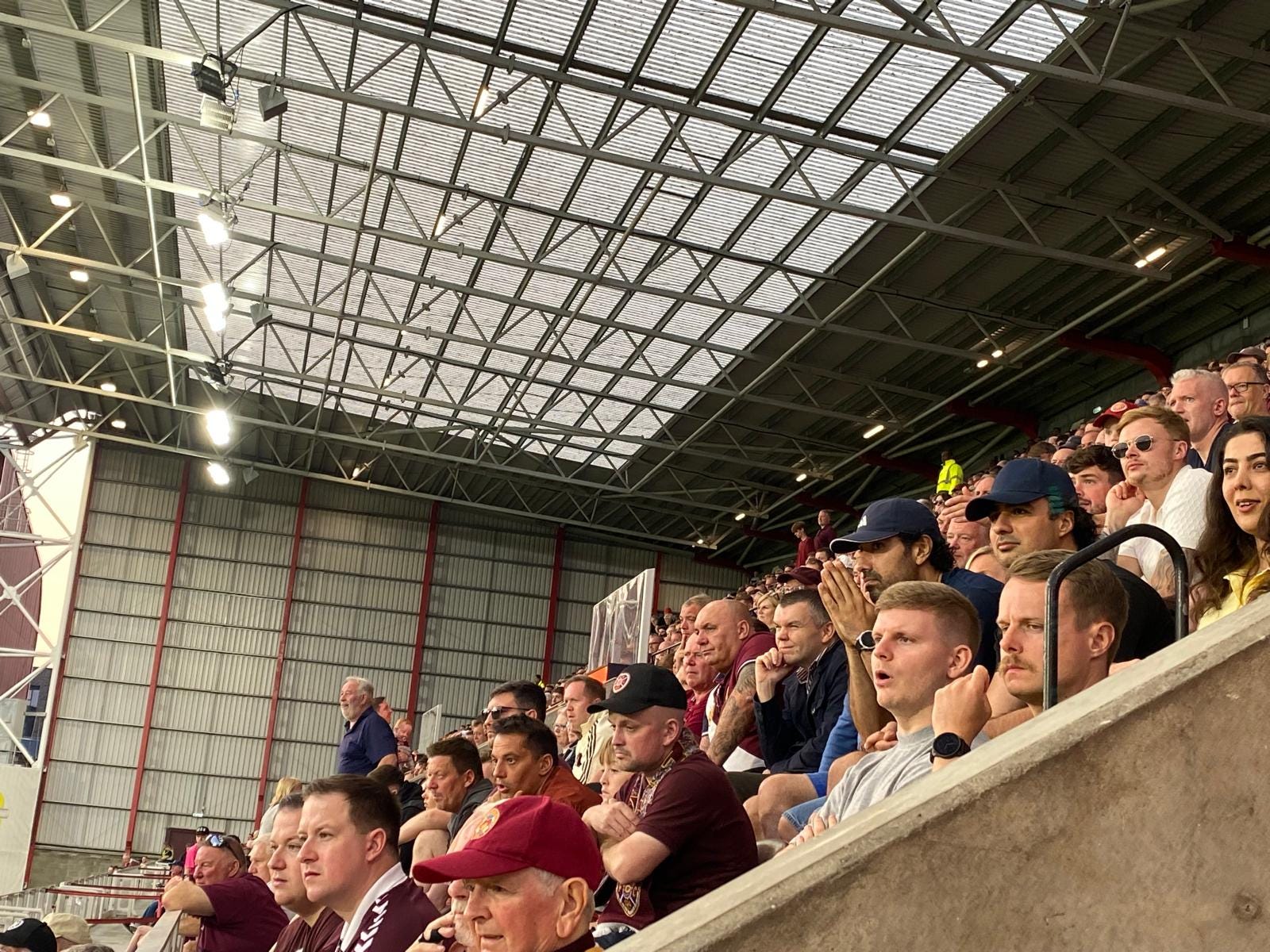
So far, this might sound like a typical story of a good club gone bad - a cautionary tale about what happens when a Sugar Daddy turns sour - but behind the scenes, supporters were already working on a rescue mission, building up a a war chest by means of monthly contributions to the fledgling Foundation of Hearts (FoH).
Long-time fan Ann Budge - a software entrepreneur - was persuaded to buy the club for £2.5 million from the administrators on behalf of FoH, which then repaid the loan over a seven year period. Fans also provided £3 million towards the rebuilding of the impressive Main Stand, which boasts the full retinue of corporate and sponsorship suites any modern club needs to compete financially. The FoH finally assumed full control in 2021; but as everyone at Tynecastle will tell you, although Hearts is supporter owned, it is professionally run by a board of eight directors with just two fan representatives - one of whom is former Tesco Bank chief executive Gerry Mallon.
This may not sound quite like a purist’s idea of fan ownership, but there are few complaints around the west end of Edinburgh right now. Hearts are evidently well run on and off the pitch, not least thanks to an accumulated £20 million contribution from FoH which now has more than 10,000 members (myself included) making a monthly donation.
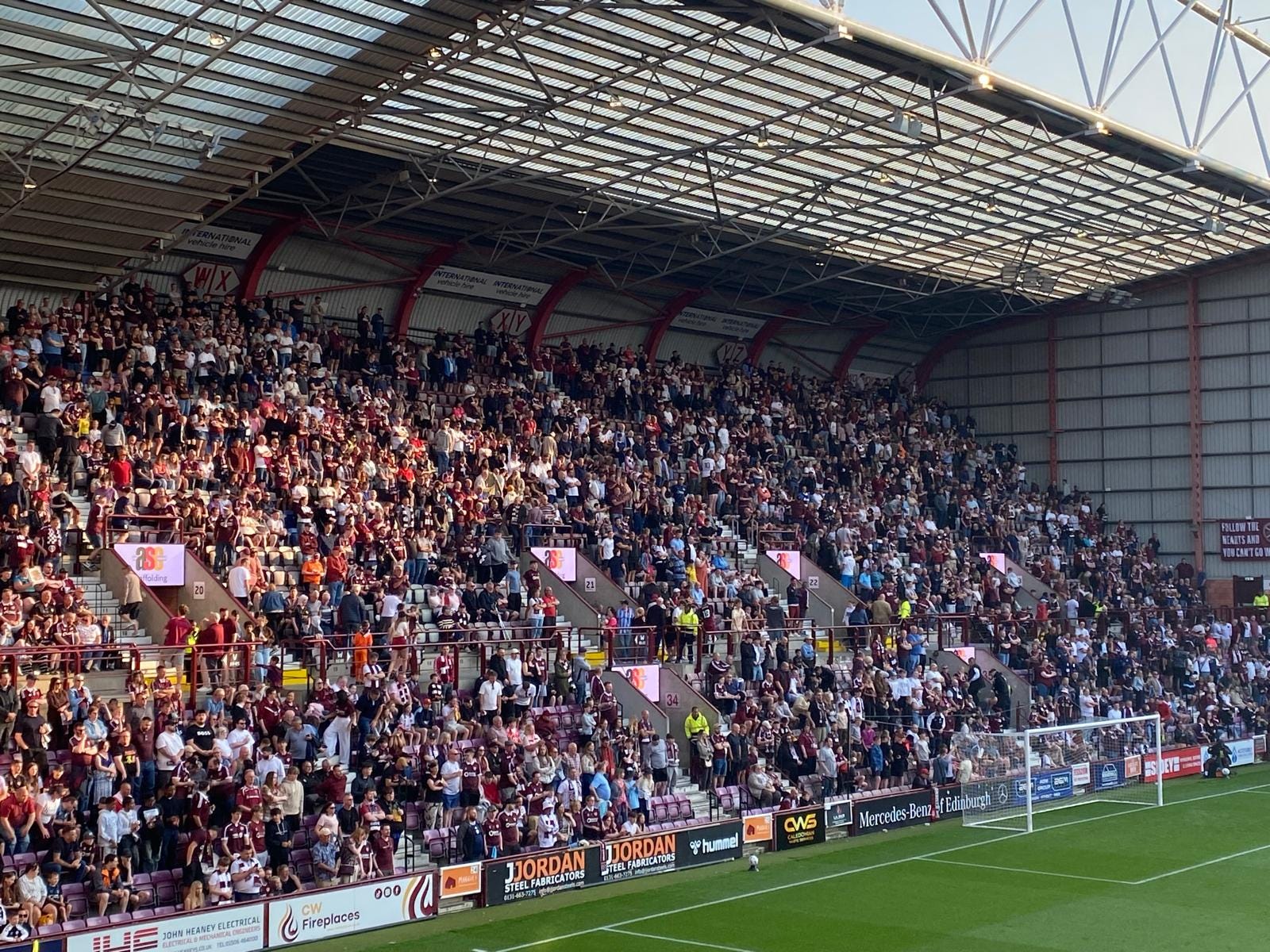
Last May - and in a near-repeat of Dundee in 1986 - Hearts again came within 90 minutes of the championship after leading the SPFL for 226 days. A point would have sufficed, but Celtic were their nemesis once more, coming out 3-1 winners in a title decider amid a febrile Parkhead atmosphere. Few doubt that the Edinburgh side will be challenging again this time around, despite the departure of manager Derek McInnes - not least because Hearts recruitment is now powered by Tony Bloom’s Jamestown Analytics. Bloom, who has already transformed Brighton and Belgium’s Union St Gilloise, has a 29% non-voting stake at Tynecastle, but has shown no inclination to replace fan ownership, which he’s described as “one of the key reasons” he got involved. He does, though, want to disrupt the Old Firm; a dream shared by those ferevent FoH members whose generosity kept Hearts alive in 2014, and propels them forward today.
From Gary Locke’s perspective, “it works absolutely brilliantly, and I think we are the the perfect model to any other football club.”
No posts
Comments
Nothing yet. Say the first thing.
Sign in to join the conversation.