
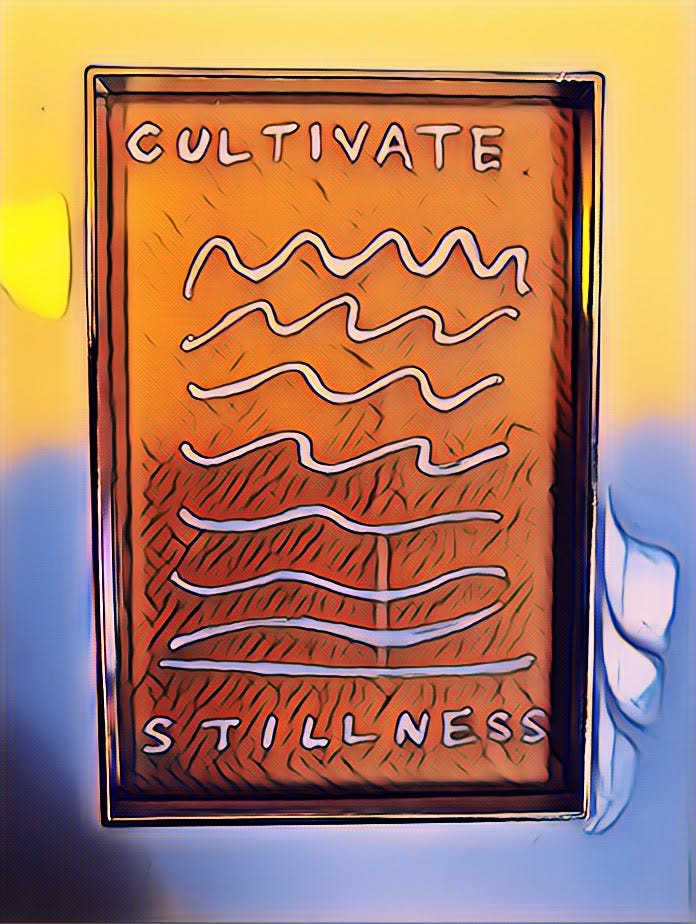
I love the idea of minimalism. I am drawn to the aesthetic of clean lines, empty surfaces, and a single, solitary notebook resting on a pristine wooden desk. But if you walk into my apartment right now and look at my actual workspace, you will see a very different reality.
I currently sit in front of my laptop, flanked by two large external monitors. Together, they create a nearly five-foot wingspan of glowing screens. The physical layout gives me a chance to make it look nice, organized, and efficient. But mentally? It is a beautiful, sprawling chaos.
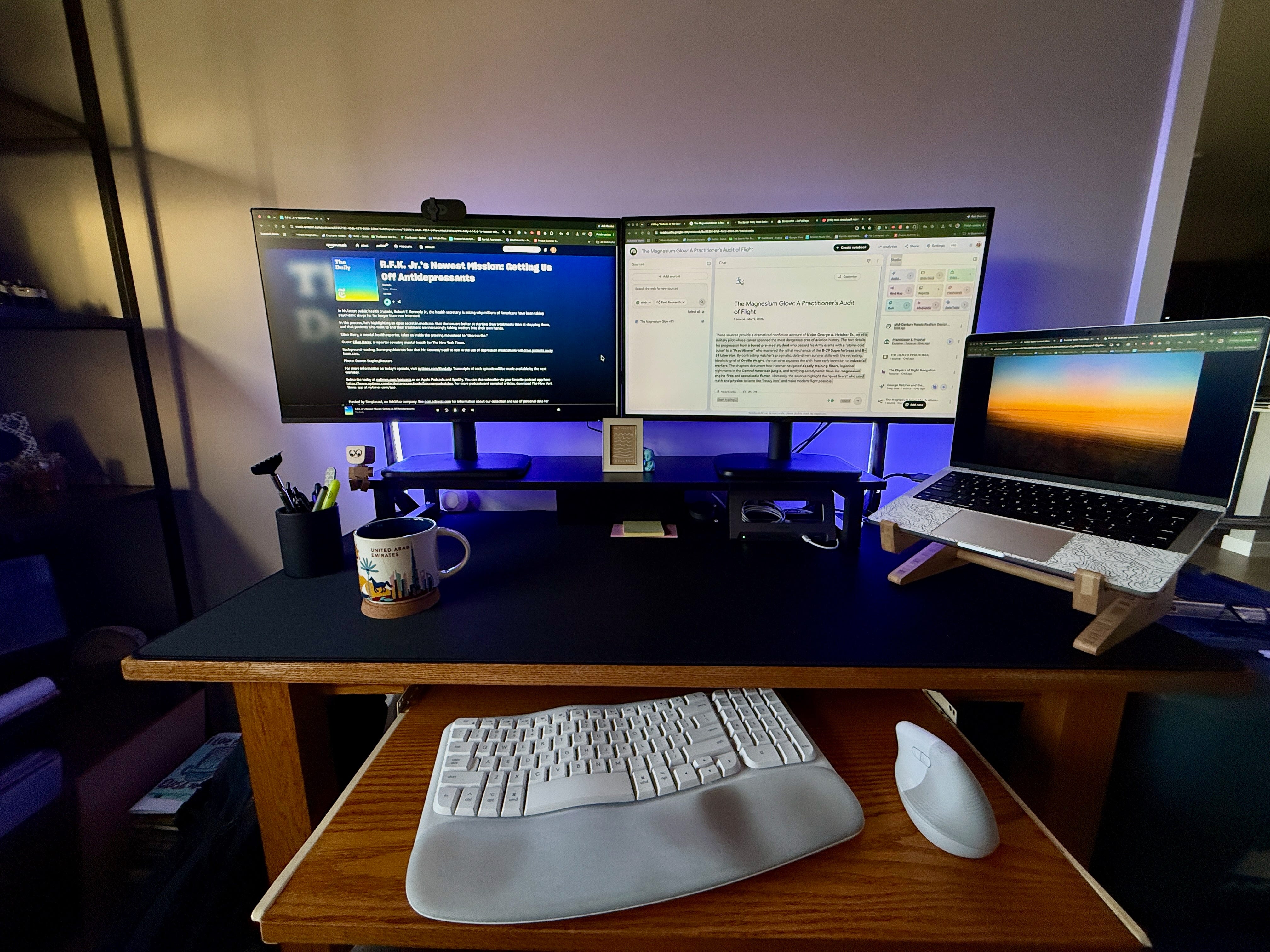
I have a brain with too many tabs open, and right now, my screens reflect that.
I have a brain with too many tabs open, and right now, my screens reflect that. On the far left, I am looking at a vintage 1940s flight manual for a Wright R-3350 engine. I’m currently editing my next novel about George Hatcher (the pilot who flew Orville Wright on his final flight), and I need to understand the terrifying, 5,600-degree “magnesium glow” of a B-29 bomber engine fire.
Just a few inches to the right of that, I have an album open containing over a thousand photographs of doors, thresholds, and vintage hardware I’ve collected over the last two decades. On another screen, my graphic design software is open with half-finished ideas. In the background, Substack is reading a colleague’s essay aloud to me, while a podcast on current events sits paused, waiting its turn.
Productivity experts would probably tell me to close the tabs. They would tell me to “niche down” and focus. But I don’t think in straight lines; I think in constellations. My creativity requires cross-pollination.
To manage this multitude of passions, I rely on tools like NotebookLM as my “super tab.” (If you aren’t familiar with what NotebookLM is or how it works, I highly recommend checking out this quick video to see why it is such a game-changer). Using it, I can load up to 300 different sources—historical documents, old photographs, my own messy notes; into a single space for just one of my twelve simmering book projects.
Synthesizing all of that research feels exactly like standing on the shore of Lake Michigan with a wire sifter. You scoop up a massive mound of raw material, shake it out, and let the rushing water carry away the useless sand until you are left with a few smooth, gleaming pieces of sea glass.
But synthesis is not the same as writing.
When it is finally time to stop researching and start creating, the five-foot command center becomes too loud. That is when I pack up and leave the apartment. I walk to a local coffee shop, purposely leaving the expansive screens behind. I force myself to work on a single 13-inch laptop screen, or sometimes, just my iPhone.
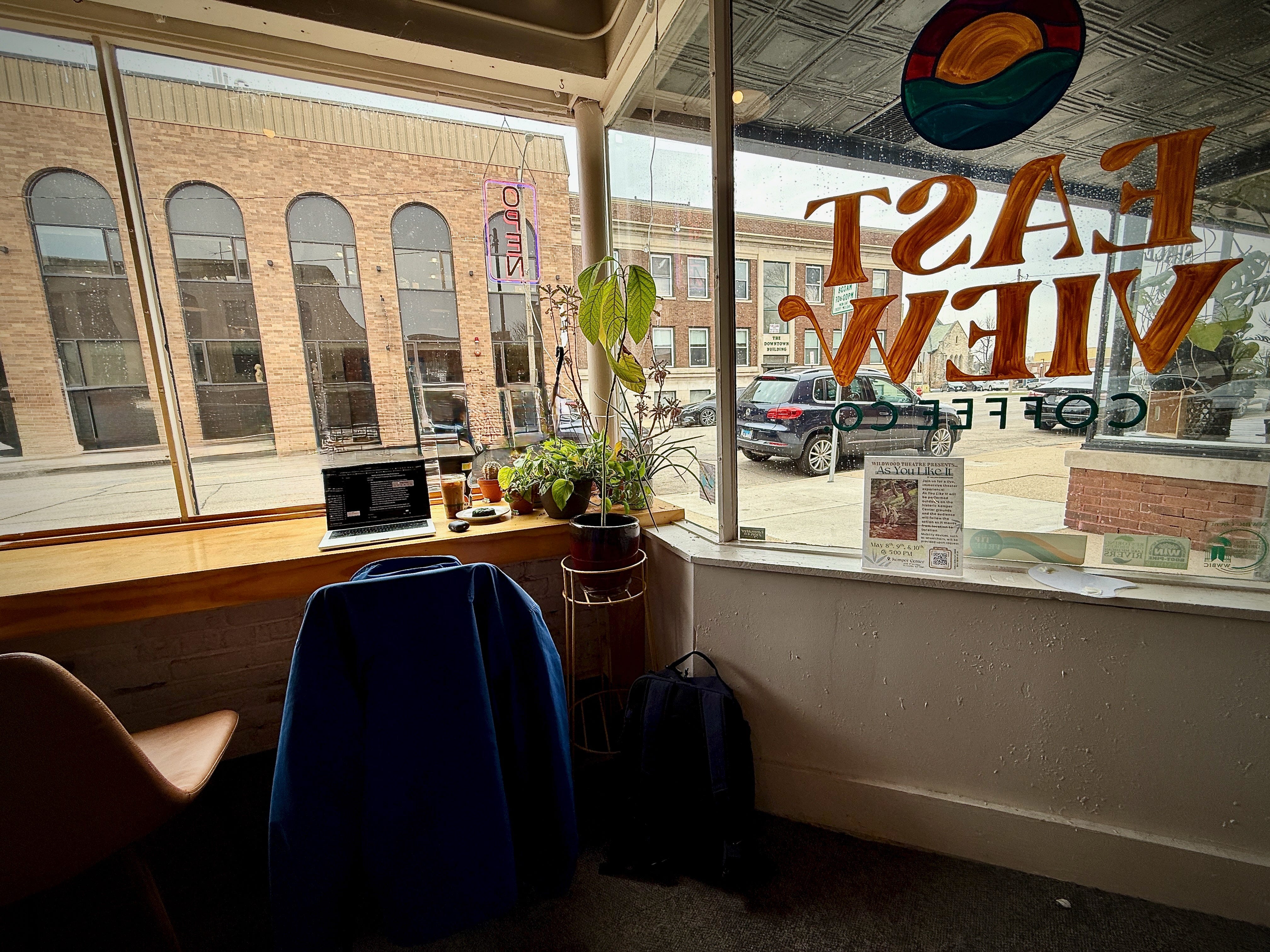
At first, the constraint feels almost claustrophobic. I miss my open tabs. But then, I put in my AirPods. I turn on the quiet, aching cello of Yo-Yo Ma, or the soft trumpet of Chet Baker. The noise of the world drops away. The physical constraint forces the intense, singular focus I need to sit still, open a vein, and bleed my thoughts onto the page.
If you have a brain with too many tabs open, don’t apologize for it. Let the curiosity run wild. Gather the sand. Just make sure you eventually find a quiet place to sift for the glass.
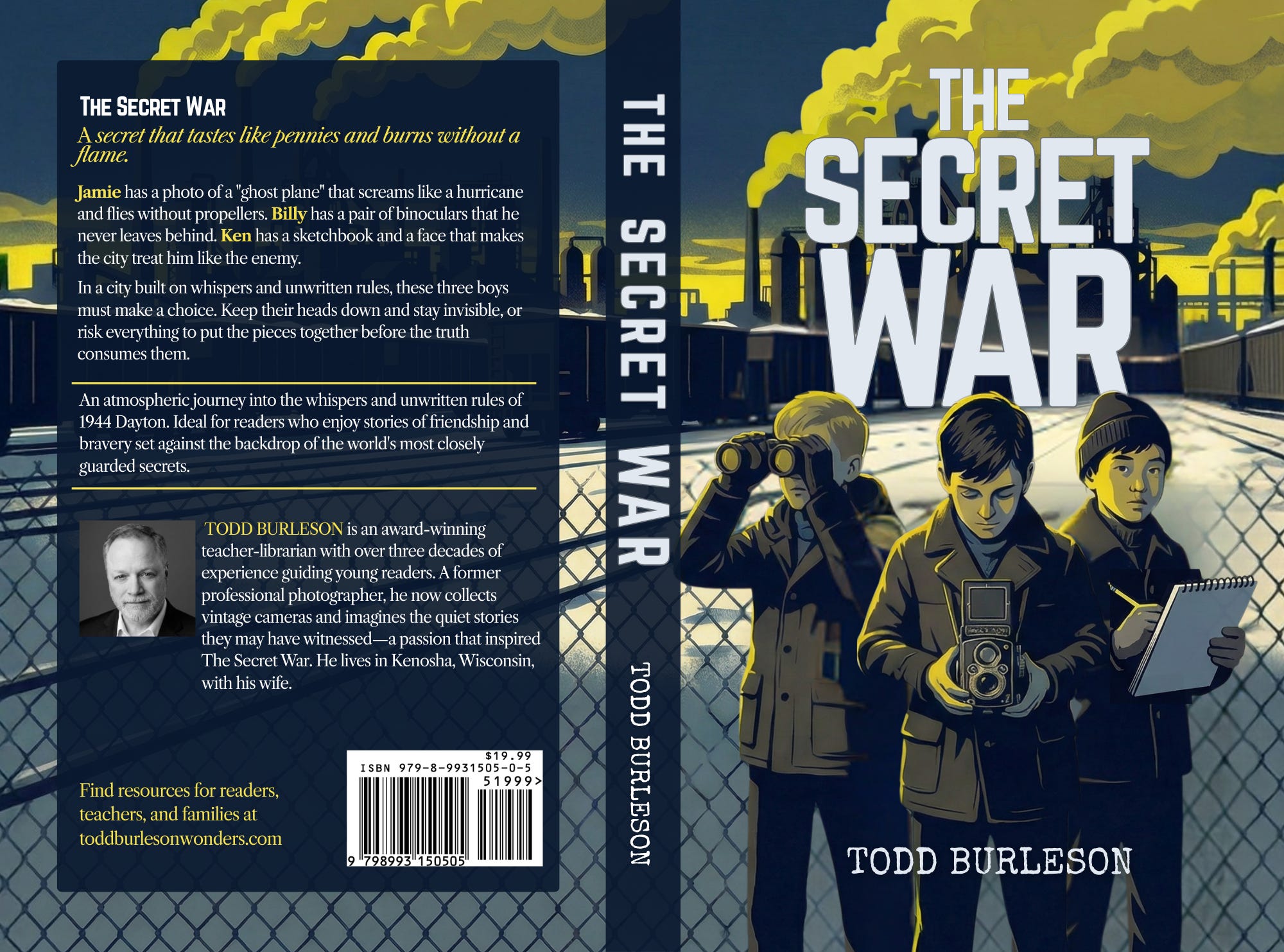
Because when you do, all that chaotic research actually turns into something meaningful. Seeing The Secret War make its way into the hands of readers has been the ultimate validation of this messy process.
I’ve been blown away by the recent reviews coming in from early readers and fellow educators:
“A captivating blend of real WWII history and mystery... my reluctant reader couldn’t put it down.”
“Burleson seamlessly weaves incredible STEM concepts with a deeply human story about friendship and empathy.”
“This is the exact kind of historical fiction our middle school classrooms need right now.”
Hearing that the “sea glass” I sifted out of the archives is actually connecting with readers makes every single open tab worth it.
The Secret War, my debut middle-grade historical mystery, is out now! It’s a story born from these exact kinds of research rabbit holes and creative pivots.
For Educators & Parents:
My ultimate goal as a 34-year teacher-librarian is to save you planning time. I have built a massive, completely free Educator’s Resource Kit to accompany the novel. It includes a zero-prep 20-Day Pacing Guide, primary source activities, and an immersive Student Field Notes dossier.
You can check out the book, read the reviews, and download all the free teaching resources directly at: toddburlesonwonders.com/secret-war
Fall 2026 Tour (In the Works!): I am just in the formulating stages right now—nothing is solid yet!—but I am hoping to plan a trip this Fall. I’m looking at visiting schools and indie bookstores in Dayton, OH, as well as up through Southern Wisconsin, Milwaukee, and the broader North Shore area. If you have a connection to a local school, a library, or an indie bookstore in those areas, I would love an introduction! Send me a note or reach out to me if you have any connections!
Comments
Nothing yet. Say the first thing.
Sign in to join the conversation.