
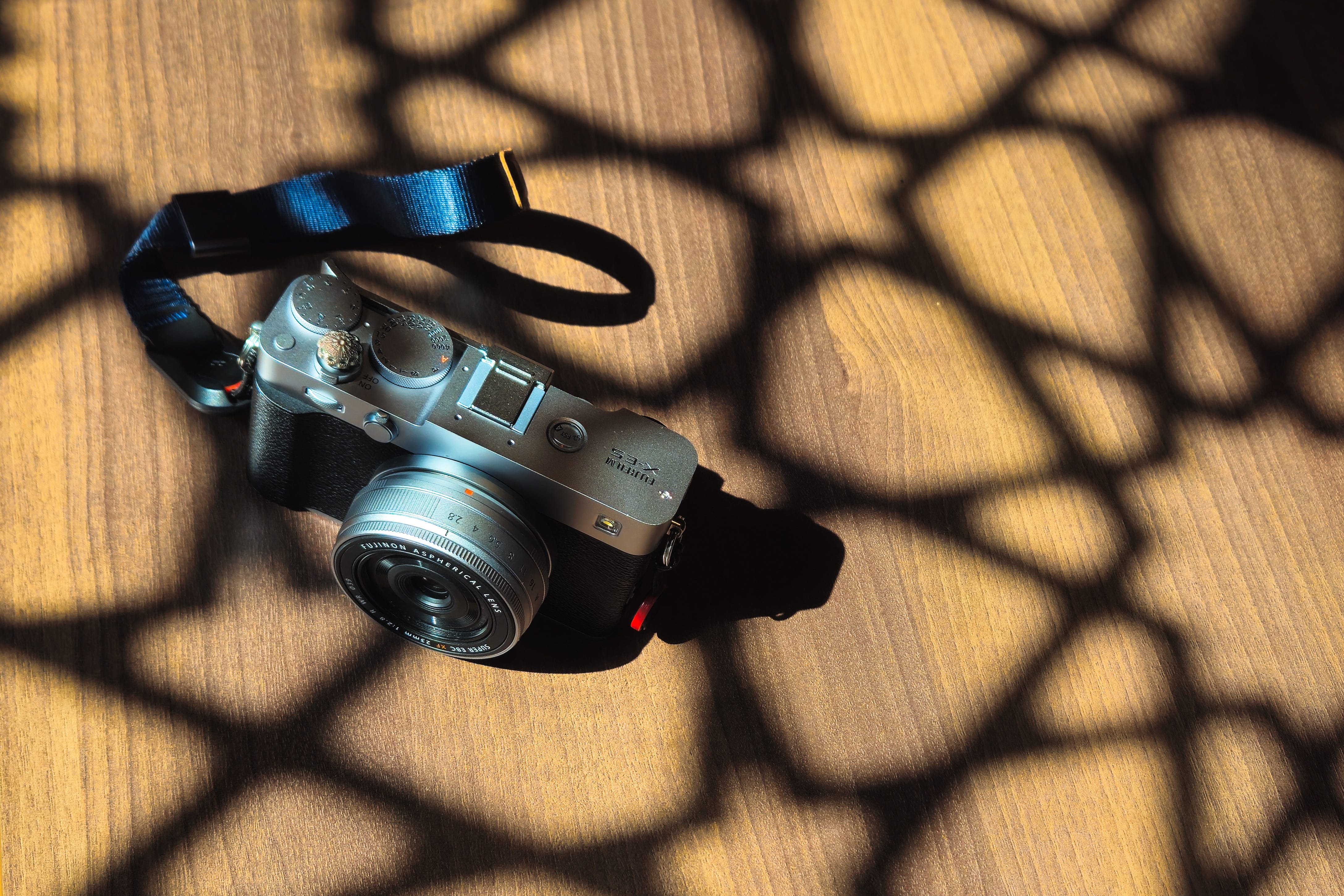
About a year and a half ago, I came across the CliftonStrengths assessment by Donald Clifton. At first, I was fascinated by a simple but powerful idea: instead of focusing on our weaknesses, what if we focused on our strengths?
Clifton identified 34 talent themes that appear in different combinations across people. The assessment helps you discover your dominant strengths and, more importantly, understand how they work together.
The concept was an eye-opener.
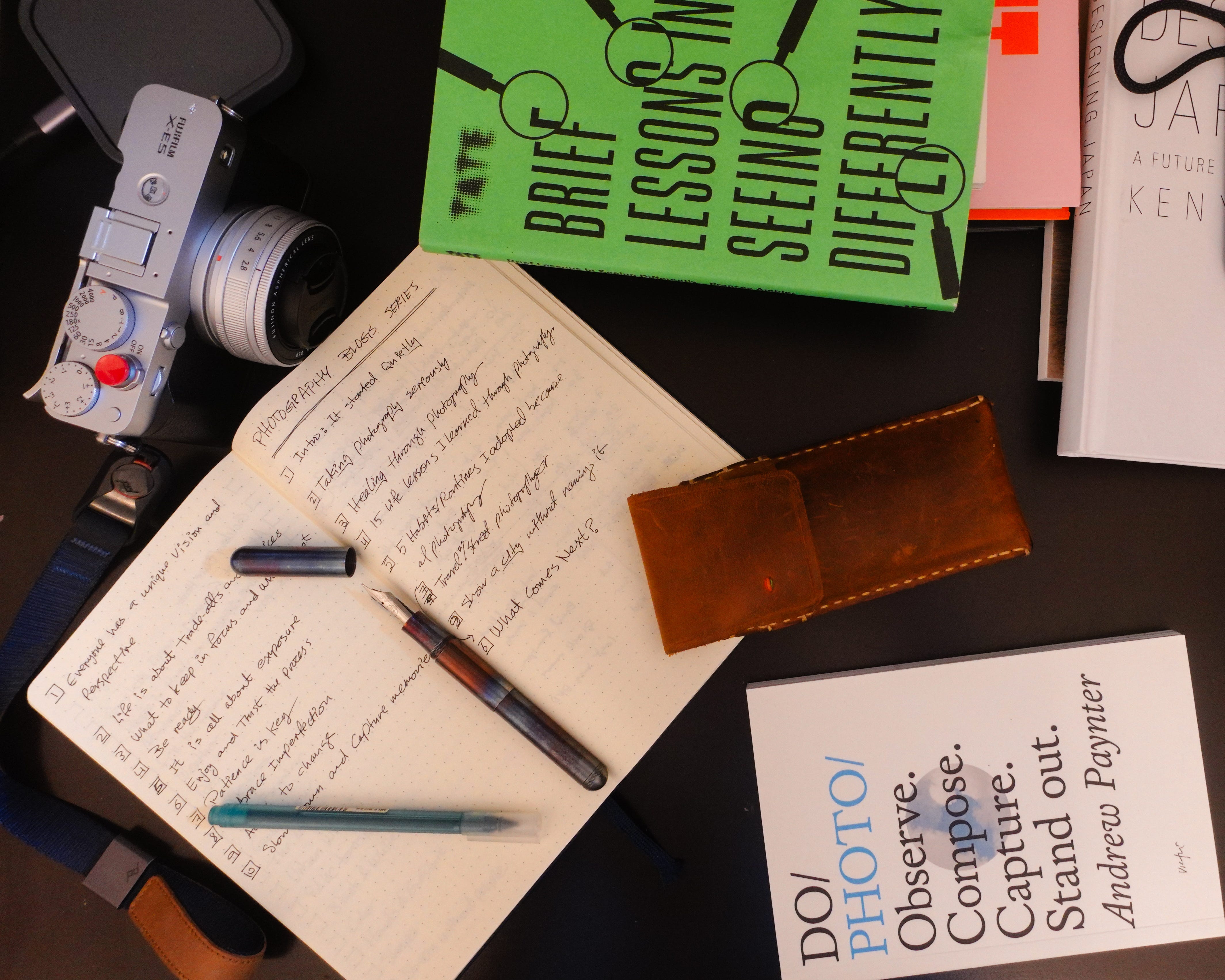
Since we were kids, most of us have been taught to focus on what we are not good at. In school, our parents and teachers rarely spent time discussing the subjects where we excelled in. Instead, the focus was usually on the subjects where we struggled in. The goal was always improvement, but improvement often meant fixing weaknesses, but what about our strengths?
For the first time, I encountered a different perspective. What if the path to growth is not about becoming perfect? What if it is about becoming more of who you already are?
I remember spending hours thinking about what I could have achieved if I had invested more energy in developing my natural talents rather than constantly trying to improve areas that did not come naturally to me. The idea of building a better version of myself, rather than pursuing perfection, rings a bell.
I bought the book and took the assessment, which I highly recommend.
What I want to share here is not the test itself, but what happened afterward.
The assessment revealed my top five strengths: Maximizer, Individualization, Strategic, Achiever, and Context.
What surprised me most was not the results. It was realizing that I had been using these strengths throughout my creative journey without being consciously aware of them.
For years, I struggled to explain why I was interested in so many seemingly unrelated things: Islamic art, architecture, culture, craftsmanship, furniture design, woodworking, engineeringn, photography, and design. They appeared to be separate interests, but the assessment helped me see the thread connecting them.

My strength of Context explains my fascination with history. I am rarely interested in an object simply because it is beautiful. I want to know who made it, why it was made, what problem it solved, and what cultural forces shaped it. This is what continuously draws me toward Islamic art and craftsmanship.
Strategic helps me see patterns beneath the surface. When I study a geometric pattern, I am interested not only in its beauty but also in the underlying system that created it. I want to understand the principles before I understand the decoration.
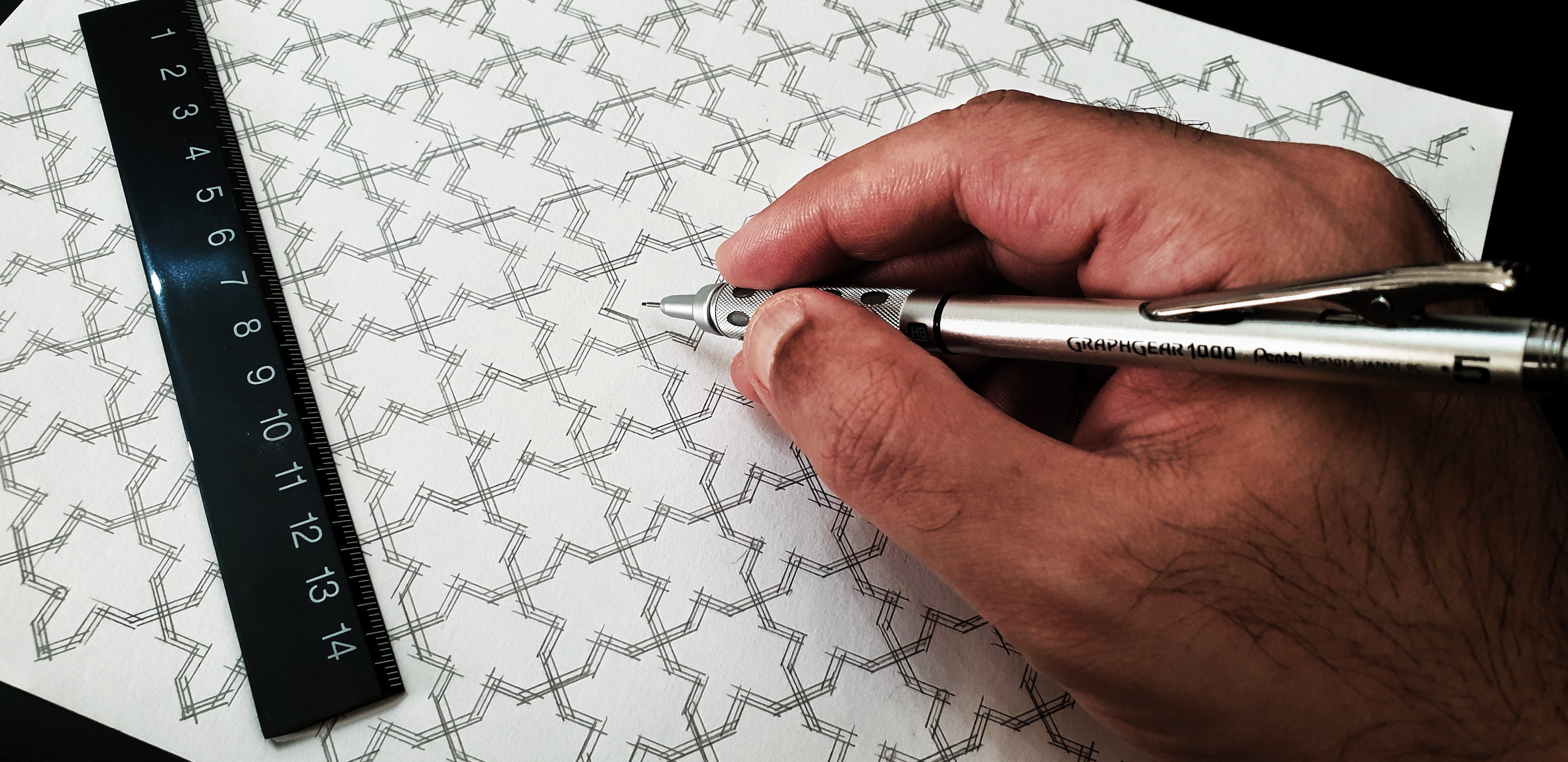
Individualization makes me look for what is unique. Rather than seeing Islamic art as a single style, I notice the differences between regions, periods, craftsmen, and traditions. The details matter.
Maximizer constantly pushes me to refine ideas and improve them. Whether it is a photograph, an artwork, or a design concept, I naturally ask how it can be elevated from good to exceptional.
And Achiever ensures that ideas do not remain ideas. It creates the urge to build, create, experiment, and bring concepts into the real world.
Interestingly, I discovered these strengths around the same time photography started becoming a serious creative pursuit for me. Photography became much more than taking pictures. It became a tool for training my eye.
My Context strength led me to explore the stories behind places, objects, and cultures. My Strategic strength helped me recognize patterns, light, geometry, and composition. Individualization drew me toward unique moments and overlooked details. Maximizer pushed me to improve my work with every frame, and Achiever kept me going out, practicing, learning, and creating.
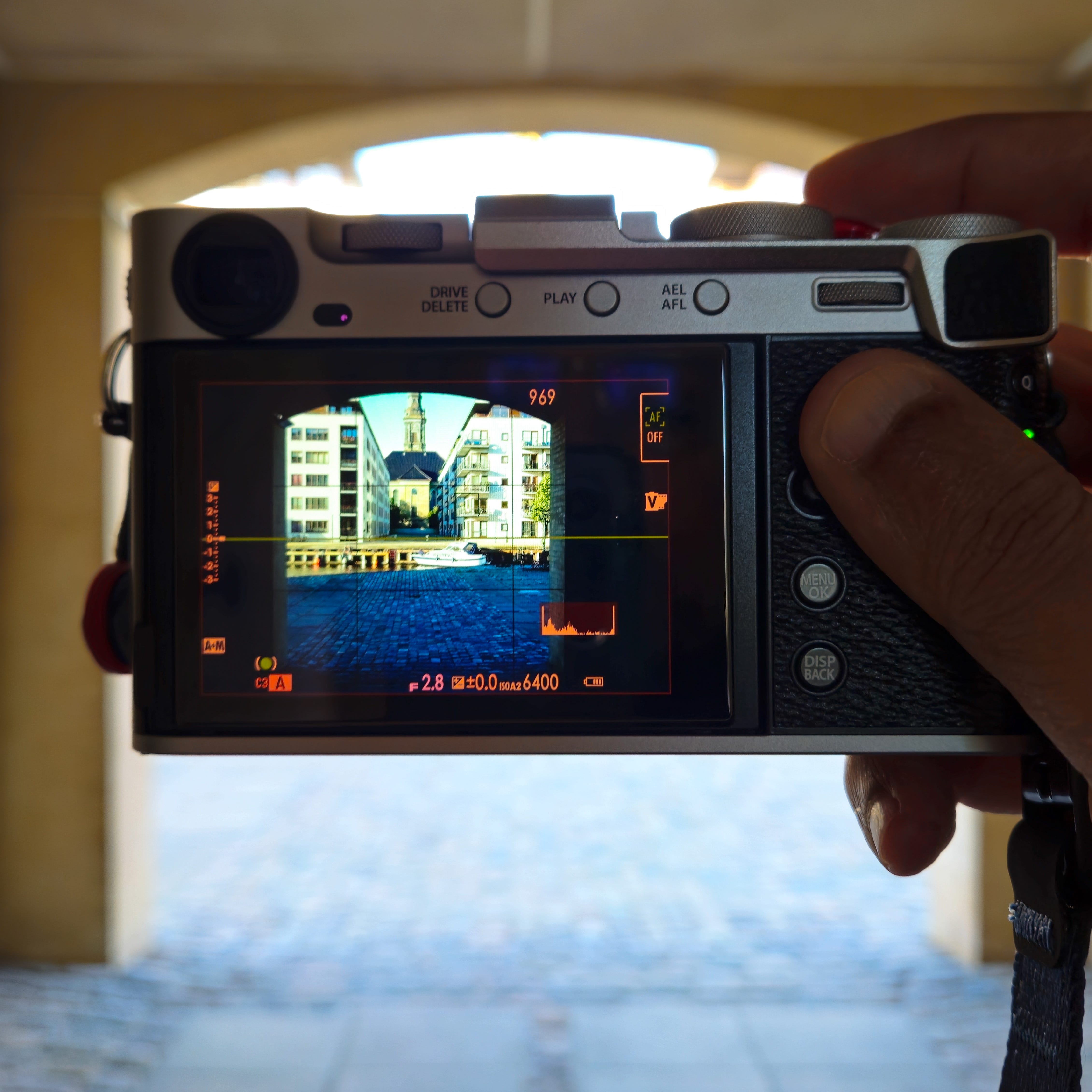
Photography became a bridge between observation and creation.
The biggest lesson from this assessment was not discovering my strengths. It was realizing that my interests were never random.
Photography, Islamic art, design, craftsmanship, furniture, and woodworking are not separate paths. They are different expressions of the same strengths.
Understanding that has been like discovering a cheat code for my creative life. Not because it made the work easier, but because it gave me clarity. Instead of fighting against who I am, I can now consciously lean into the strengths that have been guiding me all along.

Whether you take the assessment or not, I encourage you to reflect on the moments when you feel most alive, curious, and engaged. Hidden within those moments may be the strengths that have been guiding you all along.
Previously Posted:
Multitasking Is the Enemy of Joy
·
Apr 23

For a long time, I kept hearing: “Comparison is the enemy of joy.” I agreed with it. But recently, I found another enemy of joy. It is called “multitasking”.
No posts
Comments
Nothing yet. Say the first thing.
Sign in to join the conversation.