

In my previous post, I wrote about Ikigai and how the process of self-reflection led me to discover a recurring pattern in my life: mastery.
As I continued reading The Art of Japanese Living, I found myself drawn to two Japanese values that feel closely connected to both Ikigai and mastery: Wabi-Sabi and Kintsugi.
At first glance, these concepts seem simple. Yet the more I reflect on them, the more I realize how much mental and emotional acceptance they require, especially in a world that constantly encourages perfection, speed, and competition.

I first came across the idea of Wabi-Sabi nearly ten years ago. I liked the concept immediately, but looking back, I do not think I truly understood it.
It was only in recent years, when I began slowing down and paying closer attention to the world around me, that the idea started to reveal itself.
The more I slowed down, the more beauty I began to notice in small details. Things I would have ignored before suddenly became interesting. Crack on a wall, a faded sign, a worn surface, a scar.
These small observations brought me back to the idea of Wabi-Sabi.
Like Ikigai, I believe everyone experiences Wabi-Sabi differently. Our understanding of it is shaped by our experiences, our interests, our preferences, and our personal definition of beauty as well as our attention to the small and ignored details.
For me, Wabi-Sabi lives in simple and honest things. Honest person, no masks, no fake smiles, no unnecessary appearances simply no pretending.
In many ways, honesty itself feels like a form of Wabi-Sabi.
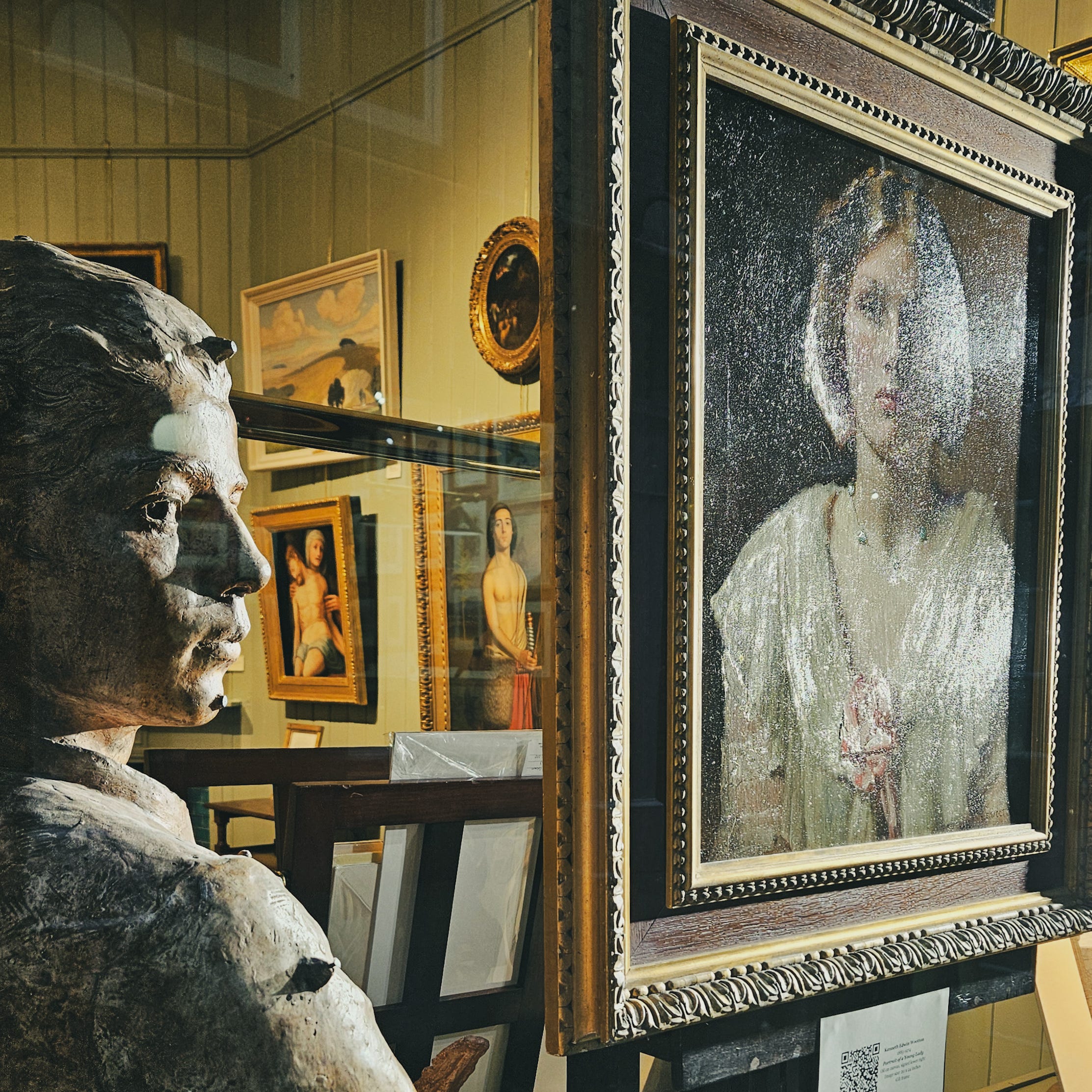
I first noticed this perspective in art. Visiting museums and galleries taught me to appreciate artworks beyond their subject matter. When you stand in front of a painting that is hundreds of years old, you begin to notice details that no photograph can truly capture. The cracks in the paint, the fading colors. The signs of age that it preserved rather than restored.
These imperfections often make it more beautiful because they tell a story.
Over time, I started seeing the same thing outside museums. Imperfections that give character. Imperfections that tell stories. Imperfections that deserve appreciation rather than correction.
Eventually, this way of seeing extended to people. Wabi-Sabi changed how I look at others. It helped me become more accepting of flaws, imperfections, and differences. Not because they should be ignored, but because they are part of being human. We often admire people for their strengths, but sometimes it is their imperfections that make them memorable, relatable, and authentic.
The more I reflected on Wabi-Sabi, the more I realized that acceptance is understanding reality without fighting it.
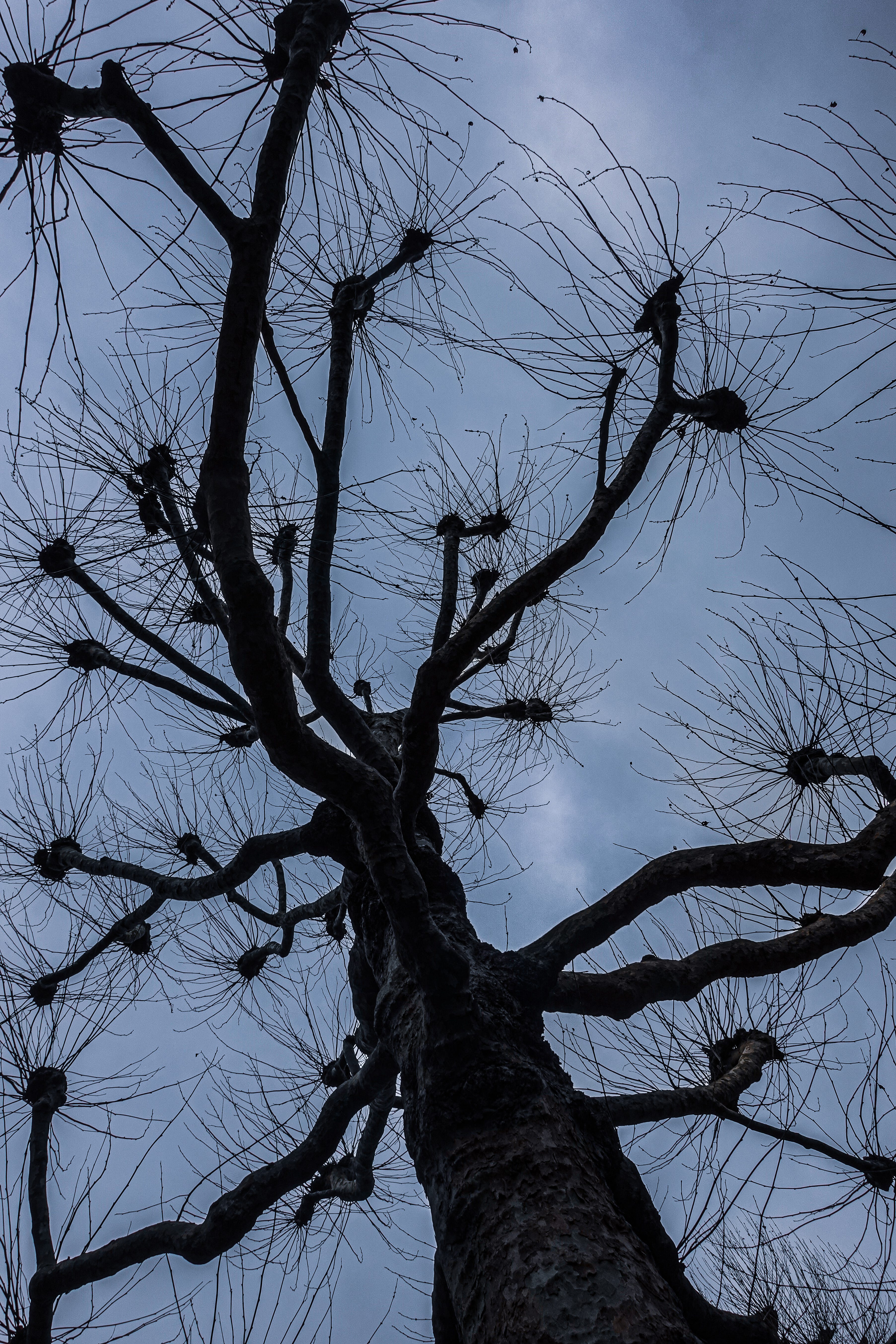
There is another dimension of Wabi-Sabi that I have only recently begun to understand. The acceptance of change. The acceptance that everything is temporary. Nothing remains exactly as it is. People change. Relationships change. Circumstances change. Seasons change. Life changes.
This aspect of Wabi-Sabi has been the most difficult for me. And the most painful.
Yet when I look at life through the lens of Wabi-Sabi, I begin to understand it differently.
A tree does not resist autumn. The leaves do not fight their fall. Each season arrives, leaves its mark, and makes way for the next.
Perhaps life asks us to do the same. To appreciate what exists today without assuming it will remain forever. To be present while it is here. To be grateful while it lasts. And to accept change when it arrives.

Once we begin accepting change, another gift emerges: resilience. We stop spending all our energy resisting reality. Instead, we adapt. We learn. We grow.
This idea reminds me of something I wrote previously about the StrengthsFinder assessment. Much of personal development is focused on fixing weaknesses and correcting flaws. While there is value in self-improvement, I increasingly believe that our greatest growth comes from investing deeply in our strengths. Self-acceptance and growth are not opposites. In fact, they often depend on one another.
When we accept who we are, we become better equipped to grow into who we can become. And that realization naturally leads to another Japanese value.
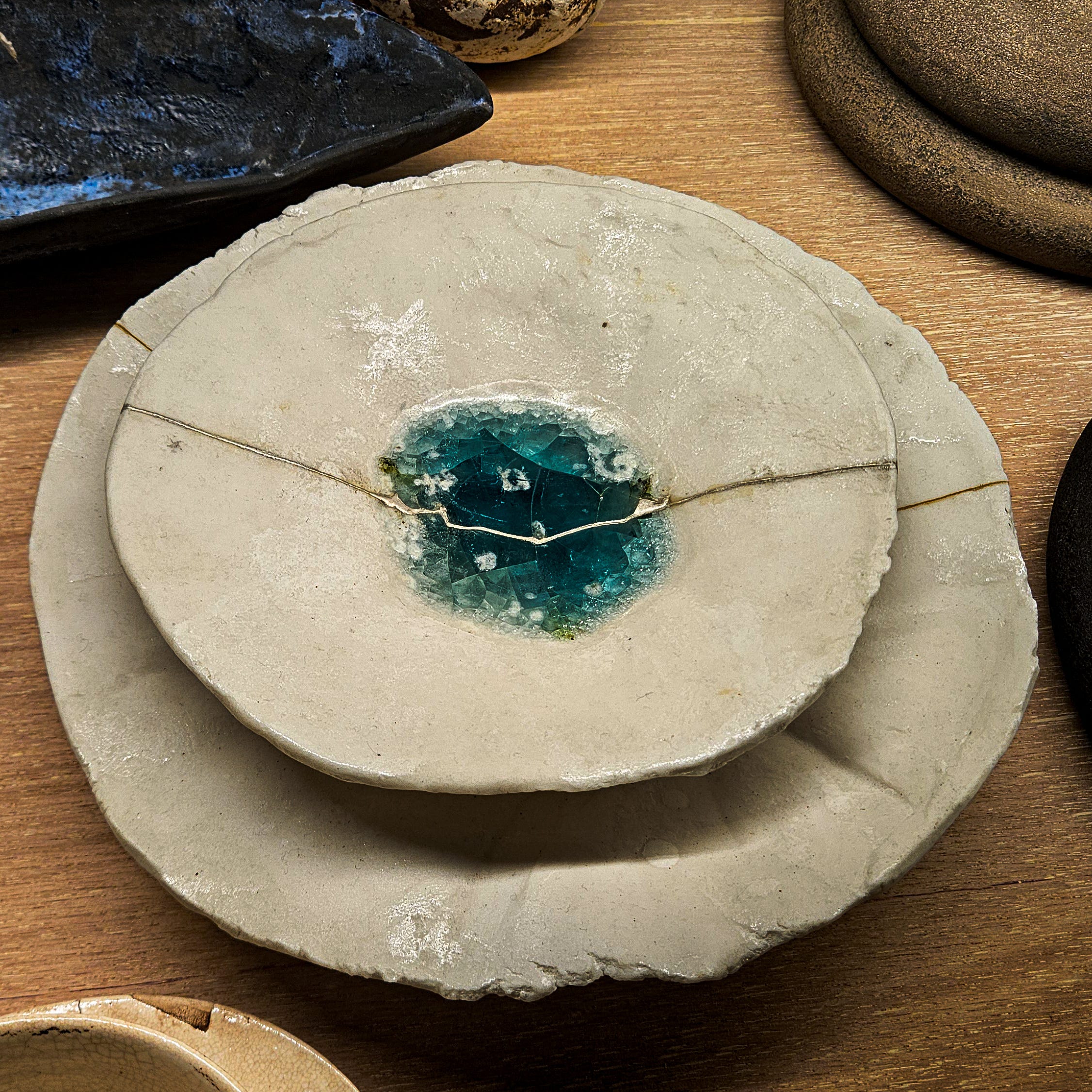
Kintsugi is the Japanese art of repairing broken pottery with gold.
What a powerful idea.
From a material perspective, Kintsugi gives new life to a broken object. Rather than hiding the cracks, it highlights them. Rather than pretending the damage never happened, it honors the object’s history. The break becomes part of the story. The repair becomes part of its beauty. But I find the human interpretation even more powerful.
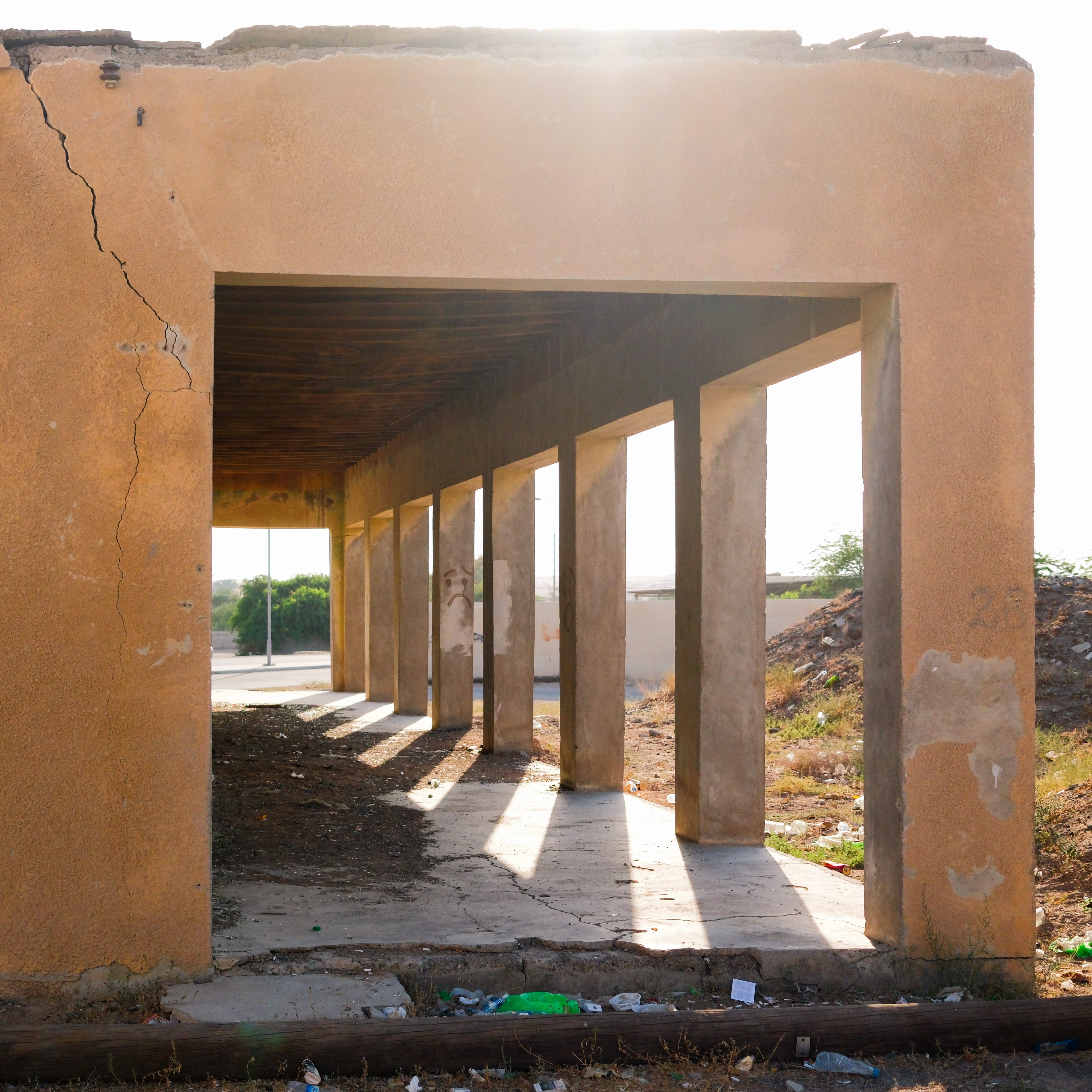
We all go through difficult periods. Broken hearts, disappointments, failures, losses, rejections.
Moments that leave visible and invisible cracks within us. Kintsugi suggests that healing does not require erasing those experiences. Instead, it invites us to integrate them, to acknowledge them and learn from them. And eventually, to transform them into part of who we become.
I write this not as someone who has mastered this idea, but as someone actively trying to live it. I am still learning. I am still practicing and struggling with it at times. But I have started to notice something. Once we begin accepting change through Wabi-Sabi, we can start to see the first signs of Kintsugi.
A small light at the end of a difficult chapter. A reminder that healing is possible even it takes long time and energy. That broken does not mean finished. That scars can become part of our strength.
Kintsugi is not about returning to who we were before. It is about becoming something new. Something shaped by experience. Something strengthened by adversity. Something more complete because of what it has endured.

Of all the values discussed so far, Wabi-Sabi and Kintsugi are perhaps the ones I find most challenging to practice. Yet they are also the ones I feel I need the most. They remind me to appreciate what is here today. To accept what inevitably changes tomorrow. And to trust that even after difficult seasons, there is still beauty to be found in what remains, and in what comes next.
So I leave you with a few questions to reflect on:
Where have you started to notice beauty in imperfection?
What change in your life was difficult to accept at first, but later helped you grow?
And if you look back at the challenges that shaped you, can you see traces of Kintsugi, moments where the cracks did not disappear, but became part of your strength?
Perhaps the real question is this:
If our imperfections tell our story, and our scars reveal our resilience, what would happen if we stopped hiding them and started appreciating them instead?
Previously posted…
The Superpowers I Didn't Know I Had
·
Jun 23
About a year and a half ago, I came across the CliftonStrengths assessment by Donald Clifton. At first, I was fascinated by a simple but powerful idea: instead of focusing on our weaknesses, what if we focused on our strengths?
No posts
Comments
Nothing yet. Say the first thing.
Sign in to join the conversation.