
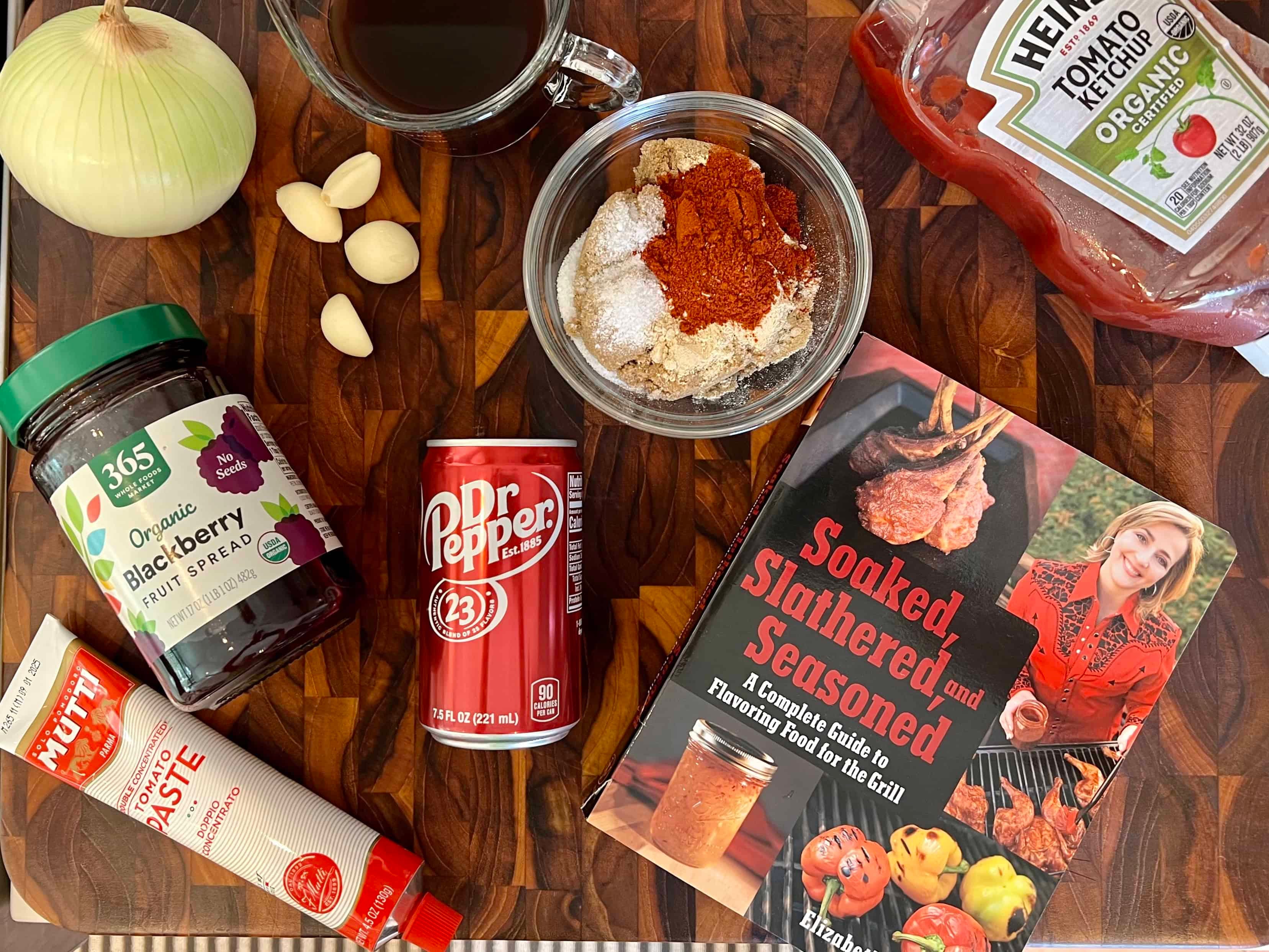
I have long loved Dr. Pepper and my most “famous” barbecue sauce is made with the aforementioned unique spicy-ish soft drink from Waco, Texas. And, now Dr. Pepper has teamed up with the folks at Johnsonville sausage to create a Dr. Pepper sausage that they describe as “swalty” sweet and salty.
It’s not as far-fetched as it might seem at first. Soft drinks have long played a flavor role in the grilling and barbecue world. They are used frequently in barbecue sauces as a sweetener and they add an element of fun to the dish. I prefer using the OG cane-sugar version of soft drinks in my homemade sauces, but both versions work.
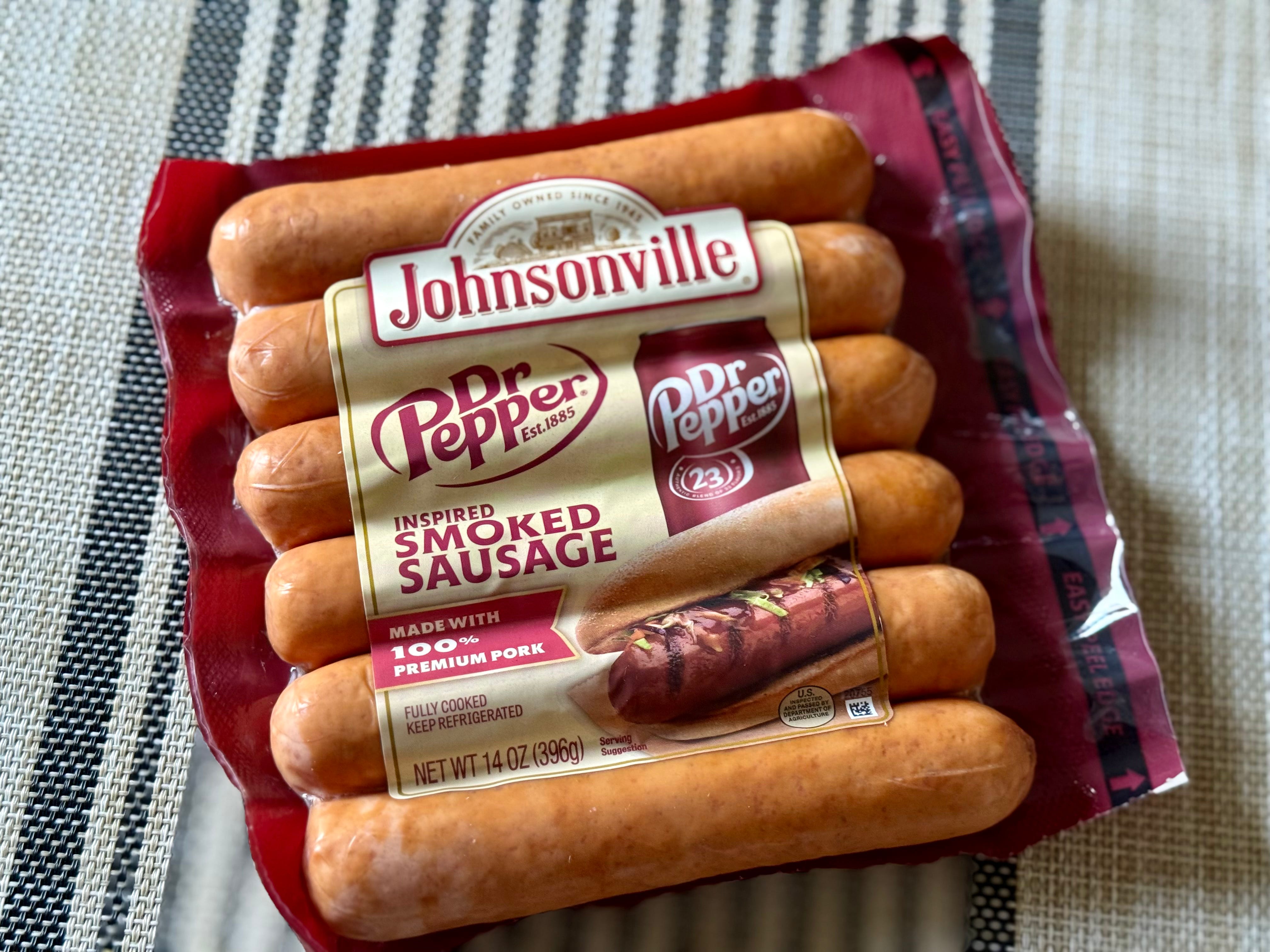
The sausages are meant for the grill and they playfully suggest that any condiment goes. We think that this Texas variation on my Dr. Pepper Barbecue Sauce would make the perfect #W4D condiment!
Matt and Ted Lee, a.k.a. The Lee Bros. popularized boiled peanuts but despite their efforts, they were still mostly found at Southern gas stations and roadside stands until Dixie Grace Jackson took a roadtrip south and fell in love with boiled peanuts.
She was hooked by the unexpected discovery during her trip and saw a an opportunity to reimagine and re-launch a centuries-old cultural Southern treasure to the modern-day snack category.
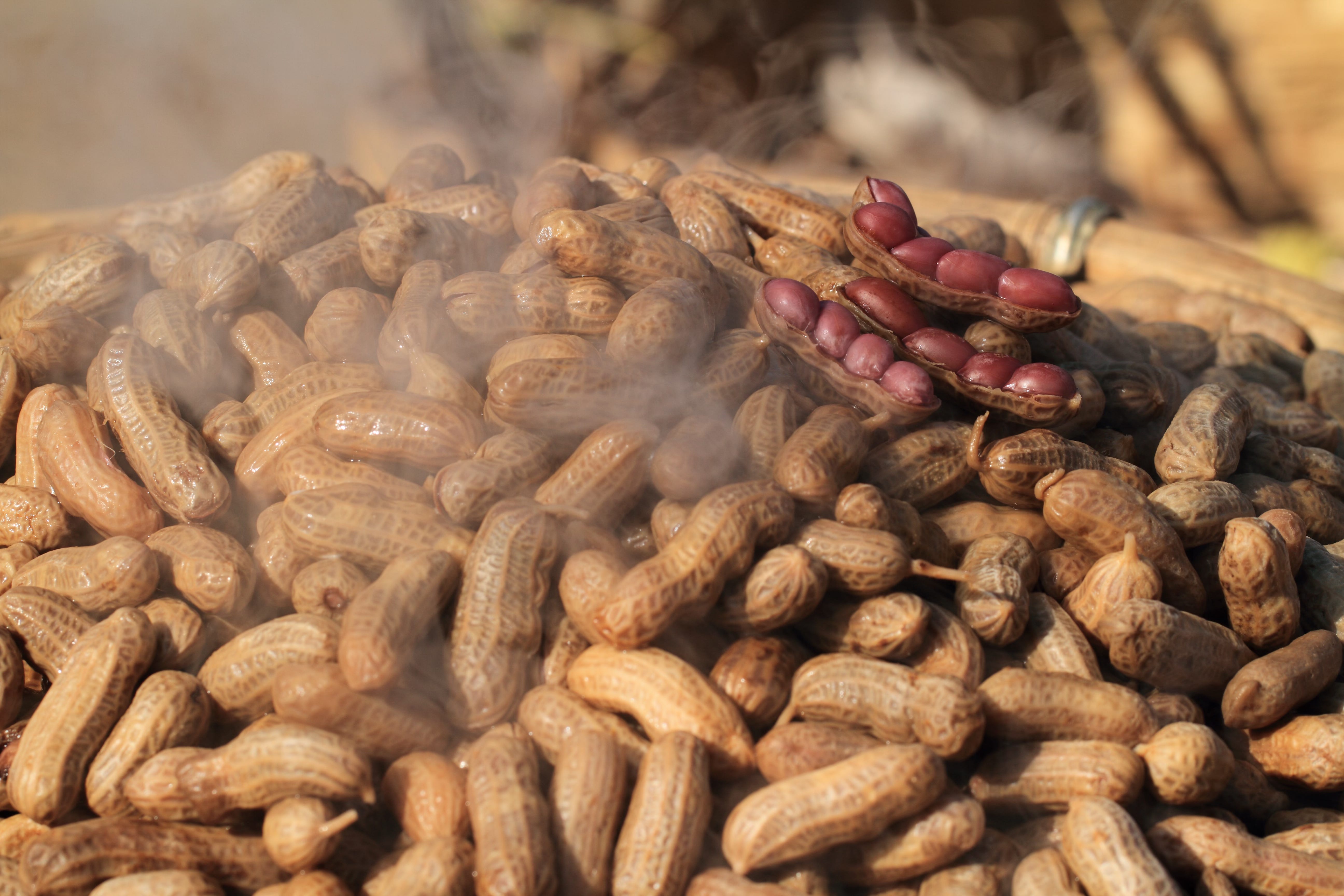
If you’ve never had a boiled peanut, you might be surprised.They are addictive just like edamame is addictive. The peanuts are soft and tender—not crunchy with a touch of salt or spice depending on the way they are seasoned. This makes sense since peanuts—as a legume—are part of the pea family.
Most often when you buy them on the side of the road, they are taken out of the pot and served to you warm but they are good both warm or at room temperature.
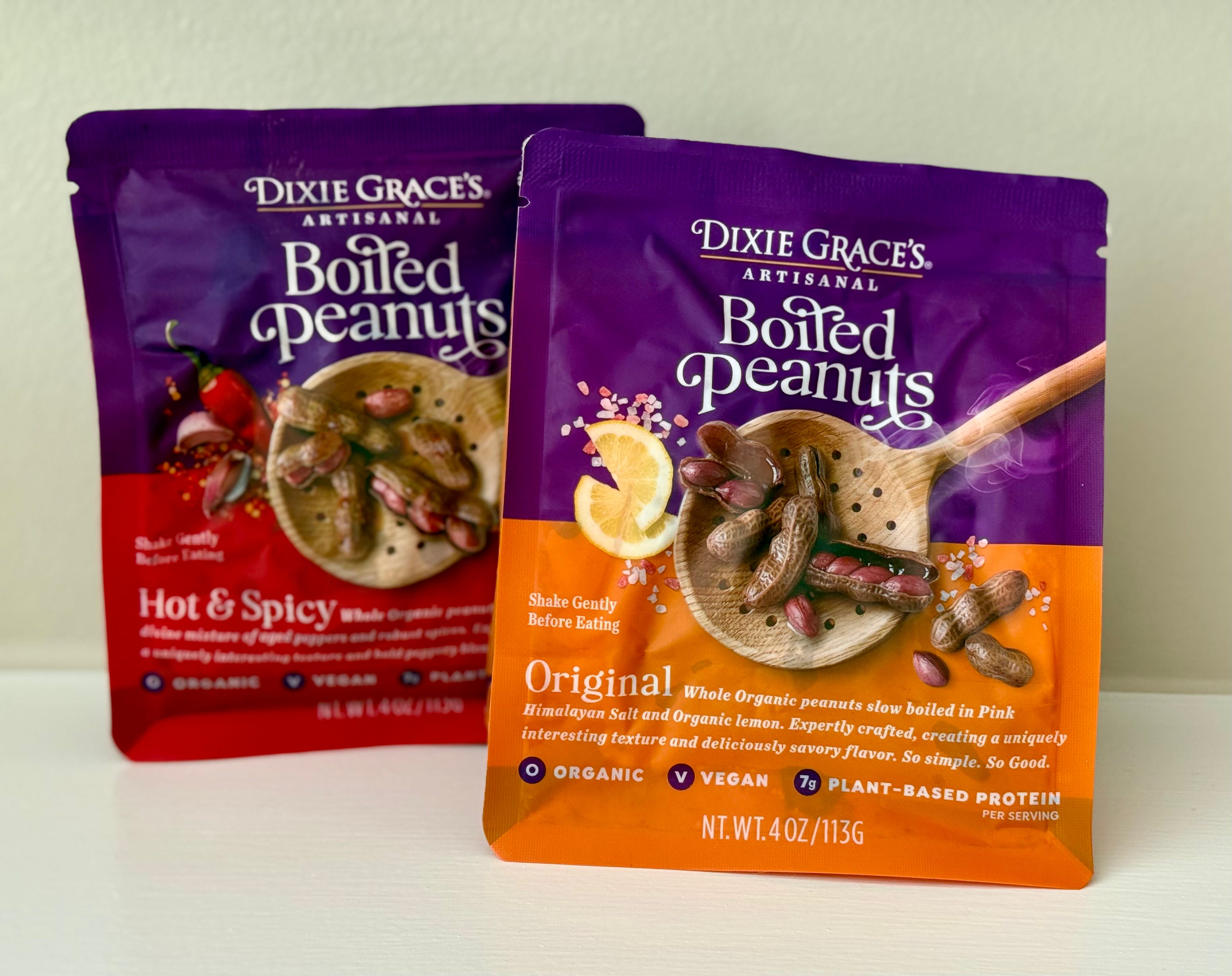
The result of her trip is Dixie Grace’s Boiled Peanuts. A premium, plant-based snack brand reinventing iconic boiled peanuts with minimal ingredients and modern packaging. They are a good source of plant protein, organic and naturally gluten free. Think nostalgic Southern comfort meets grab-and-go snacking in two flavors, Original and Hot & Spicy. The shelf-stable package can be microwaved to warm the peanuts for an authentic boiled-peanut experience before eating and keeps the peanuts fresh. Sold online and in select grocery stores.
I read this study recently and I find it very interesting especially since I have been in favor of splitting entrees forever.
My motivation is both wanting to try different dishes and a reaction to too-large portions. For years, restaurants have been told that customers want to see value in the size of their portions on the plate, and according to this study, that long-assumed truth may change.
As a restaurant chef in a high-volume barbecue restaurant, I saw food waste but for us, it wasn’t so much what diners threw away because we sold everything by the piece and the pound. Often if they didn’t finish what they ordered, they took it home with them.
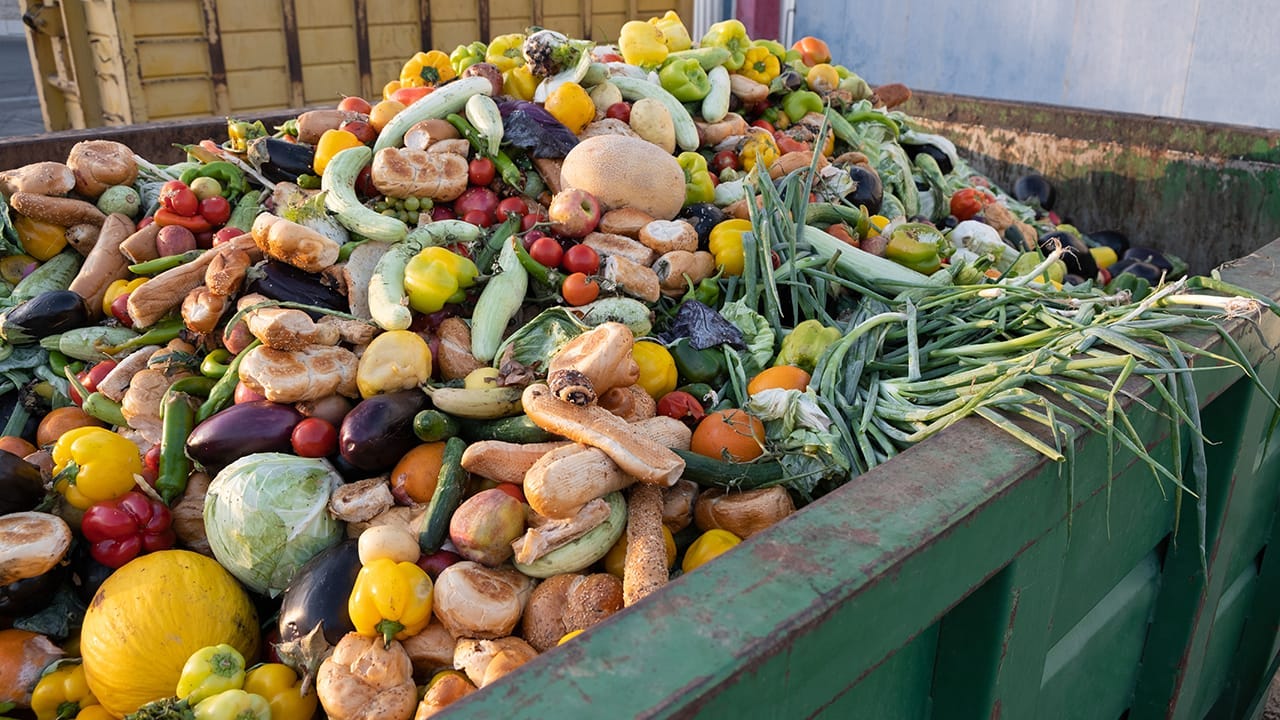
So I was very surprised to read that 70% of restaurant and foodservice food waste comes from plate waste, meaning that the portions served are too large to be consumed—and are thrown in the garbage. These are everyday diners and they are not all GLP-1 users by any stretch.
To read more, please find information that I adapted from ReFED.org. They are recommending that restaurants adapt and offer customizable, a.k.a. smaller portions to save money and cut down on food waste. Let me know what you think in comments.
Released in January, a new analysis from ReFED* and Datassential shows that restaurant owners and operators who offer customizable portions can gain a competitive advantage by catering to what Americans want, including emerging market segments such as Gen-Z and GLP-1 users.
Offering customizable portions like half-sized entrées is also a way to cut down on food waste and save money. ReFED’s modeling estimates that offering different portion sizes at restaurants has the potential to reduce 2.35 million tons of food waste annually while saving the foodservice sector $547M.
Key findings include:
· Dining out is an integral, yet seldom perfect, experience for Americans, especially in the context of portion sizes. Nearly half of consumers surveyed were surprised by how large a restaurant meal was, a third ate past the point of fullness to avoid waste, and 30% wished a restaurant meal they purchased had been smaller.
· Portion sizes are driving plate waste, which makes up 70% of restaurant and foodservice food waste. 25% of consumers say they leave food behind always or most of the time, while 4 in 10 choose not to take home leftovers. 61% of consumers—and 75% of GLP-1 users—feel guilty about leaving food uneaten.
· Restaurants may be losing sales opportunities because of their portion options. Over 30% of consumers are choosing to share meals or skip ordering items to avoid too much food—this number increases to 50-60% for GLP-1 users and 45-47% for Gen Z.
· Overall, 60% of Americans say they’re more likely to visit restaurants offering flexible, customizable, or innovative portion size options, and that number jumps to 75% for GLP-1 users.
· Gen-Z, a segment with growing influence on the future of dining, stands out among all generations as the most portion-conscious, consistently showing greater concern about receiving too much food when dining out. This generation shows stronger alignment with the idea of paying a little more for right-sized portions, valuing control and personalization over quantity. Gen Z consumers were 10-14 percentage points higher in their likelihood to share entrées, skip ordering sides or desserts, or request items be left off their meals to better match their appetites.
* Adapted from the ReFED website. ReFED is a US-based nonprofit that partners with food businesses, funders, solution providers, policymakers, and more to solve food waste.
I saw this great “no food waste” recipe video from the great Jacques Pepin. This is a simple dessert that he created when he was working in restaurants. Watch it and make it—I plan to do just that!
Comments
Nothing yet. Say the first thing.
Sign in to join the conversation.