
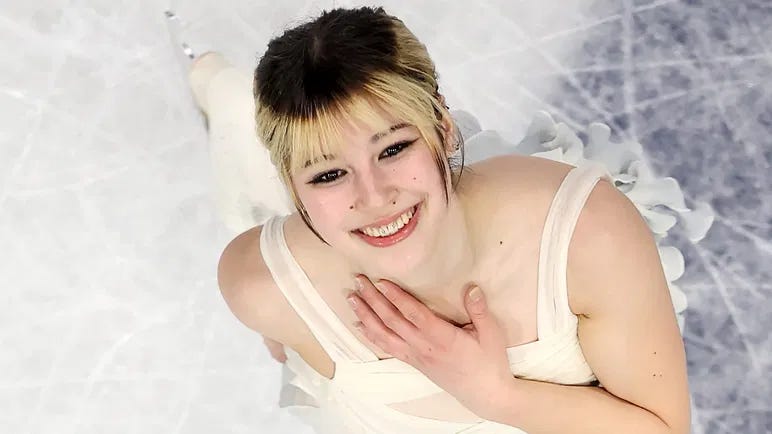
It has been a long, long time since the Olympics gave me a thrill. Perhaps the old, old days of watching Spider Sabich hurtle down the slopes, or the amazement of watching Michael Phelps win and win and win. Nadia? Dorothy?
But I don’t think I’ve ever found myself sitting so transfixed on the screen as I did when Alysa Liu’s performance brought her Olympic gold. It wasn’t just the performance itself. It began with listening to her talk about her journey, and explain her new approach to her life.
It all clicked for me when she discussed how her motivation had shifted from “have to” to “want to.” She explained that she won because all she wanted was to skate.
Alysa Liu is someone who knows what she wants. How powerful.
By retiring at the tender age of 16, Alysa actually took a very bold step away that would eventually enable her to step up. She was burned out, exhausted, traumatized by her participation in her sport and the expectations everyone around her had of her.
She had become obsessed more with what other people wanted from her than she was by what she herself wanted. Sound familiar?
But Alysa showed incredible courage and great instinct in realizing she had to reclaim herself. She deliberately built an identity not centered on skating: college at UCLA, studying psychology, backpacking trips, time with friends and family, and ordinary teenage experiences like learning to drive.
She did what she most wanted to do. She answered the question and lived her answer.
Bravo!
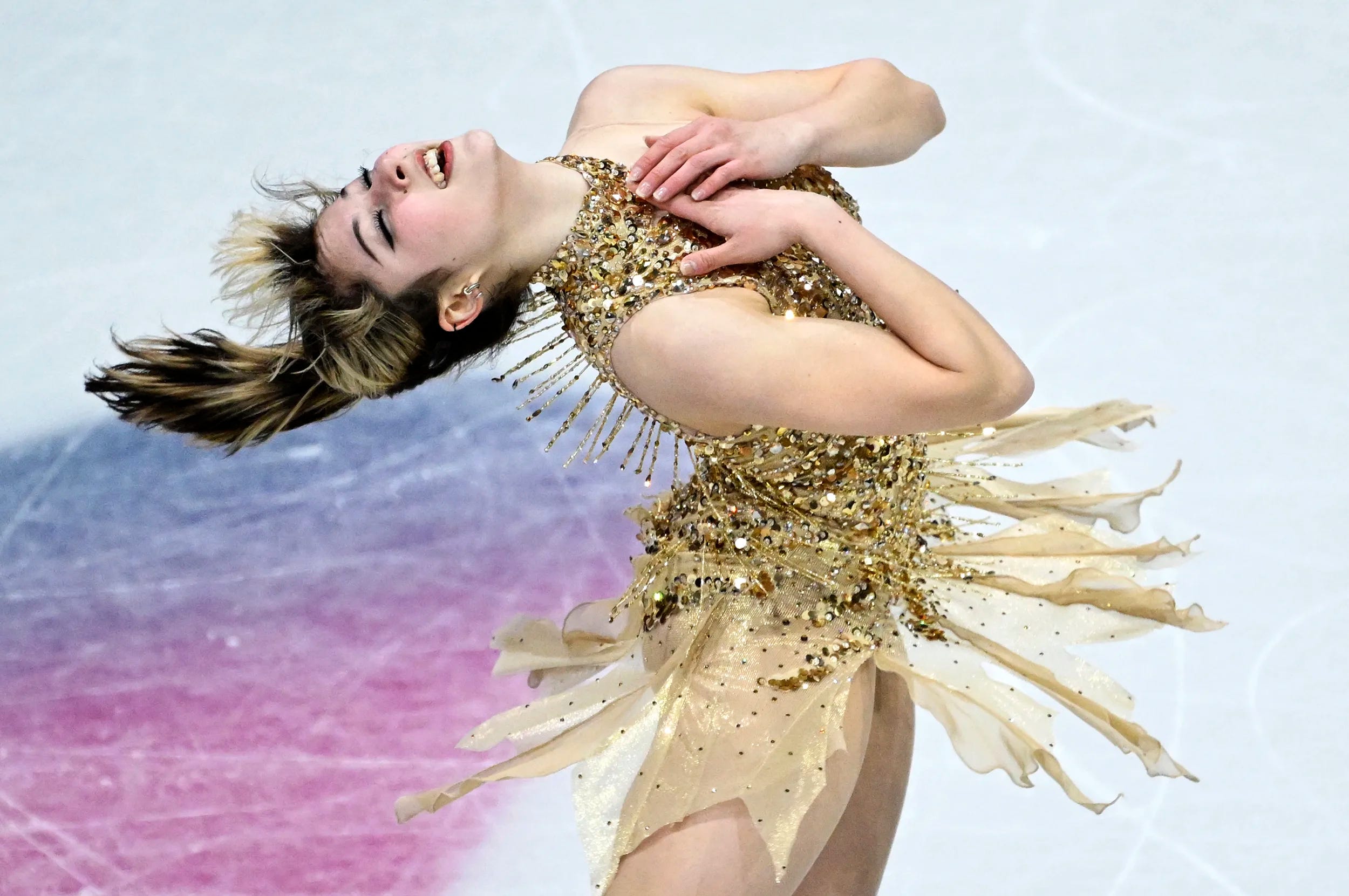
Alysa has described her decision to come back to skating, and all her subsequent decisions, as being “selfish in a healthy way.”
Her skating became something she chose for herself, did for herself. Rather than fulfilling obligations imposed on her by coaches, the federation, or even her fans, Alysa came back to compete on her own terms. She chose her own music, cultivated her own unique style.
Perhaps most important, and most illuminating, is that she chose to embrace herself as an artist first, rather than a competitor. Expressing herself via her chosen art of figure skating became the total of what she wanted, and what she insisted upon.
With competition out of the picture, and performance pressure refused, Alysa’s found herself skating much more freely, much more concerned with her message, and without distractions she found herself more focused and relaxed than ever, things she could never be when she was skating for everyone else’s purposes.
Alysa also wanted her mental health back. She wanted to be happy again. And happy required that she become physically healthy again as well. So, she grounded herself with basic mental‑health habits, prioritizing sleep, staying connected to people she loves, eating regularly, and talking openly, all of which stabilized her emotionally and brought her joy.
As this sheer joy she was experiencing skating now increased, Alysa became committed to performing her art on her own terms. She wanted to skate for the pure joy she could bring the audience and herself. Nothing else would be allowed in. If the medals were meant to come, then they would.
And they did.
The wonderful writer on Buddhism and mindfulness meditation, Sharon Salzberg, writes extensively about the all-important concept of self-compassion. She clearly agrees with Alysa that self-compassion is not indulgence or weakness but a vital inner resource for resilience, wise action, and is required before one can express genuine compassion for others.
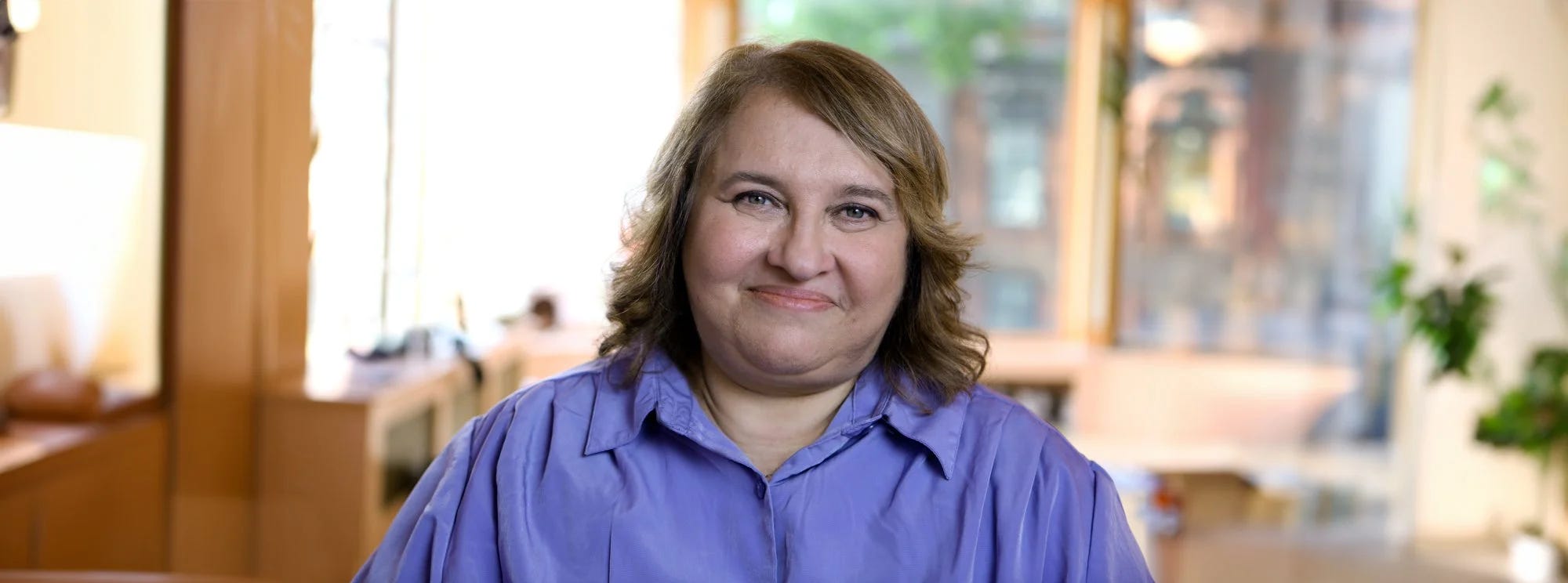
Salzberg adds that harsh self‑criticism drains energy and leaves us depleted, whereas kindness toward ourselves lets us recover from mistakes faster and bounce back more resiliently. In her view, resilience itself “is based on compassion for ourselves as well as compassion for others,” making self-compassion a prerequisite for sustainable effort and change.
Alysa Liu is clearly a wonderful example of what Sharon Salzberg means.

Alysa Liu’s ability to look within herself and find the courage to walk away so she could find what she really wanted is remarkable. It is a tribute to her own self-awareness as well as her self-compassion.
So, once again I’ll ask the core question this publication always explores. What do you want? What do you really want? Strip away all your pre-conceived notions, all the external pressures, everything you’ve been “taught” to want and dig truly deep down inside. In your heart of hearts what do you really want? How much are you willing to do to get it?
As a writer who has been an actor, a musician, and a dancer, I truly appreciate Alysa Liu’s total devotion to her art. Beyond the integrity it demonstrates there is a fulfillment in expressing your deepest reality in your art that is not available anywhere else.
I came away from watching that wonderful smile on her face as she moved through her music and her space to truly create art on ice, finding myself returning to deep introspection. I was compelled to call my own motivations into question. Was I grounded in what I truly wanted to be doing with my life?
I find myself pleased to report that, all these weeks later, I’m still exploring. I’m still recognizing that I’ve wandered away from what I truly want most, surrendering some of my energy to what others expect of me. It has helped me come to terms with my own unhappiness in ways nothing else can. At least now I can look forward to resolving my frustration by renewing my healthiest commitments.
I feel the need to close with a hearty thanks to Alysa Liu for being who she has, for exhibiting the strength of character and of will that she does, and for the utter beauty of her art. I continue to derive great pleasure and inspiration from all of it. For having such a young person be able to teach us all her lessons is nothing short of wonderful.
Comments
Nothing yet. Say the first thing.
Sign in to join the conversation.