
President Donald Trump promised to “cut your energy prices in half” within his first year in office using his “energy dominance” agenda. Instead, energy dominance has produced record profits for oil companies and higher gas prices for everyone else.
Eight of the world’s largest oil companies made a combined $93 billion in profit in the second quarter of 2026, nearly double what those companies made last year, and more than $1 billion in profit every single day. The increase in profits is connected to the US-Israeli war on Iran, which disrupted oil shipping through the Strait of Hormuz and pushed global oil prices above $126 per barrel at their peak.
ExxonMobil reported $14.5 billion in profit, its highest quarterly total in four years, while Chevron posted $12 billion, its highest quarterly profit in at least six years. Shell earned $9.8 billion, its second-highest quarterly profit ever, and Saudi Aramco topped the list at more than $33 billion.
US refiners also raked in the profits. Valero Energy reported $3.7 billion in net income, up from $714 million a year earlier and its most profitable quarter on record by earnings per share. HF Sinclair’s profit roughly quadrupled year-over-year, and PBF Energy swung from a loss to over $1 billion in profit.
None of this windfall is reaching consumers. The national average price for a gallon of gas was $4.01 on August 10, and prices are higher than a year ago in every state. Refiners say fuel inventories will be slow to rebuild, meaning the high prices are likely to stick around even as the price of crude oil drops.
Oil companies aren’t using their record profits to expand drilling or refining, either. ExxonMobil alone returned $9.4 billion to shareholders in the second quarter through dividends and stock buybacks, and Shell started a new multibillion-dollar buyback program of its own. Interior Secretary Doug Burgum has pointed to record US energy production as evidence that the administration’s regulatory rollbacks are “unlocking the full potential of our domestic energy resources.” But record production and record profits have not translated into lower prices, expanded supply, or any clear benefit for American taxpayers.
In fact, Congress and the Trump administration are giving the oil and gas industry a tax break for drilling on public lands. The One Big Beautiful Bill Act, signed July 4, 2025, cut the onshore royalty rate from 16.67 percent back to 12.5 percent. Interior has also moved to make it cheaper to drill on public lands, proposing a rule that would cut cleanup bonds from $500,000 to $25,000 and shrink the public comment period on lease sales from 90 days to 10. Taxpayers for Common Sense estimates the royalty rate decrease alone has already cost the public $489 million, a figure it warns could climb into the billions as 2026 lease sales get underway.
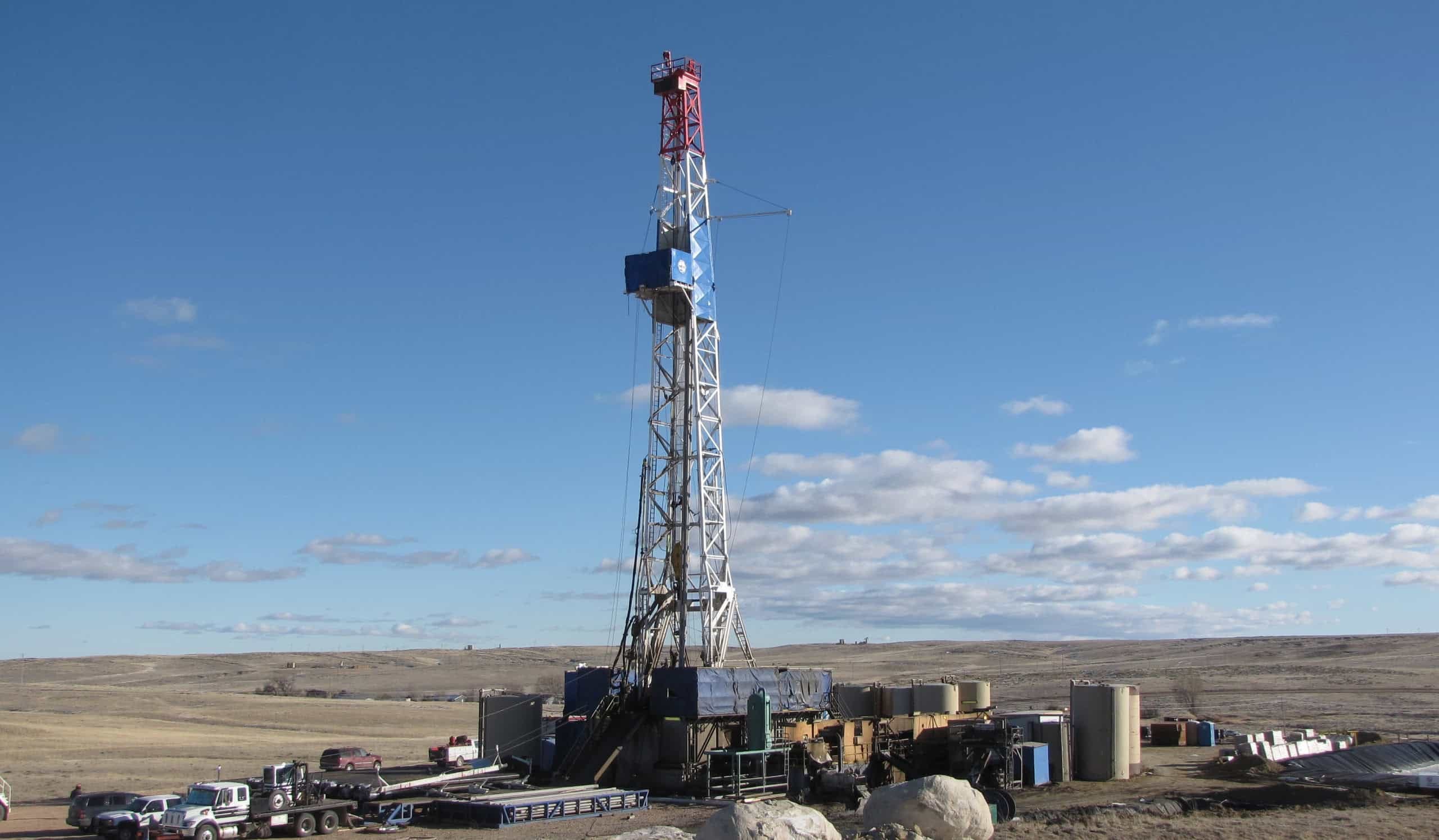
This isn’t the “energy dominance” Americans were promised. Trump’s declaration of a “national energy emergency” was based on the need to bring down energy prices for Americans, arguing that inadequate domestic supply “causes and makes worse the high energy prices that devastate Americans.” His “Unleashing American Energy” executive order relied on that “energy emergency” to justify a number of policy actions ostensibly aimed at increasing energy production, presumably to increase domestic supply and bring prices down.
If there were an actual energy emergency, and if the Trump administration was serious about addressing it, the administration would have spent the past year and a half investing in a rapid build-out of inexpensive domestic energy sources like solar, wind, and battery storage. But the administration has actually done the opposite, putting up roadblocks to renewable energy development and paying developers nearly $2 billion in taxpayer funds to abandon offshore wind projects that were already underway. Meanwhile, the administration is doing everything it can to rush oil, gas, and coal projects by cutting corners on environmental reviews and avoiding public comment whenever it thinks it can get away with it. Interior’s current plan would compress reviews that once took up to two years into a single month, and cut the public comment period for projects expected to cause environmental harm down to about 10 days.
This strategy is working splendidly for oil and gas companies. For American families, it’s been a disaster that’s squeezing them when they’re already struggling with rising costs in all other areas of their lives. Adding insult to injury, oil and gas companies are locking Americans out of their public lands by nominating and leasing public lands they don’t intend to drill, tying up both the land itself and management agency resources with unserious nominations and leases. The real energy emergency is the oil and gas takeover of our national public lands at the expense of preserving some of America’s most valuable natural places.
For more information, visit westernpriorities.org. Sign up for Look West to get daily public lands and energy news sent to your inbox, or subscribe to our podcast, The Landscape.
No posts
Comments
Nothing yet. Say the first thing.
Sign in to join the conversation.