
N.B.—When I refer to the City of London here, I am talking about the small area governed autonomously by the City of London Corporation, not about the greater London area. This is a relevant difference!
There are 114 livery companies active in the City of London—guilds, essentially, many of which trace their origins all the way back to the Middle Ages. Once upon a time, these were some of the most powerful groups in the country. The royal charters granted to livery companies in their heyday came with all sorts of special privileges, allowing them to effectively control vast swathes of the English economy and enjoy rights not available to the everyman.
Some guilds’ activities have hardly changed since their founding. The Worshipful Company of Goldsmiths continues to operate at the same site that it has occupied since 1339 AD, offering hallmarking and testing services for precious metals as it has for centuries. They are, however, more the exception than the rule, as a modernising Britain has long since stripped most companies of their formal powers. The Vinters’ Company, historically a guild of wine merchants, was even deprived of their license to sell alcohol in 2006. Forced to find other ways to justify their existence, the livery companies have expanded their activities in all sorts of new directions, some related to their original missions, others not. So, let’s take a look at what they’re up to! And, as you’ll see, they haven’t relinquished their power entirely.
The livery companies have lots of opportunity to face off against each other on various playing fields, many organised by a relevant guild. Some of these are private affairs:
Archery organised (and contested solely) by the Bowyers’ & Fletchers’ Companies
Bridge organised by the Makers of Playing Cards Company
Golf organised by the Coachmakers’ Company
Pétanque organiser by the Distillers’ Company
Skiing organised by the Ironmongers’ Company
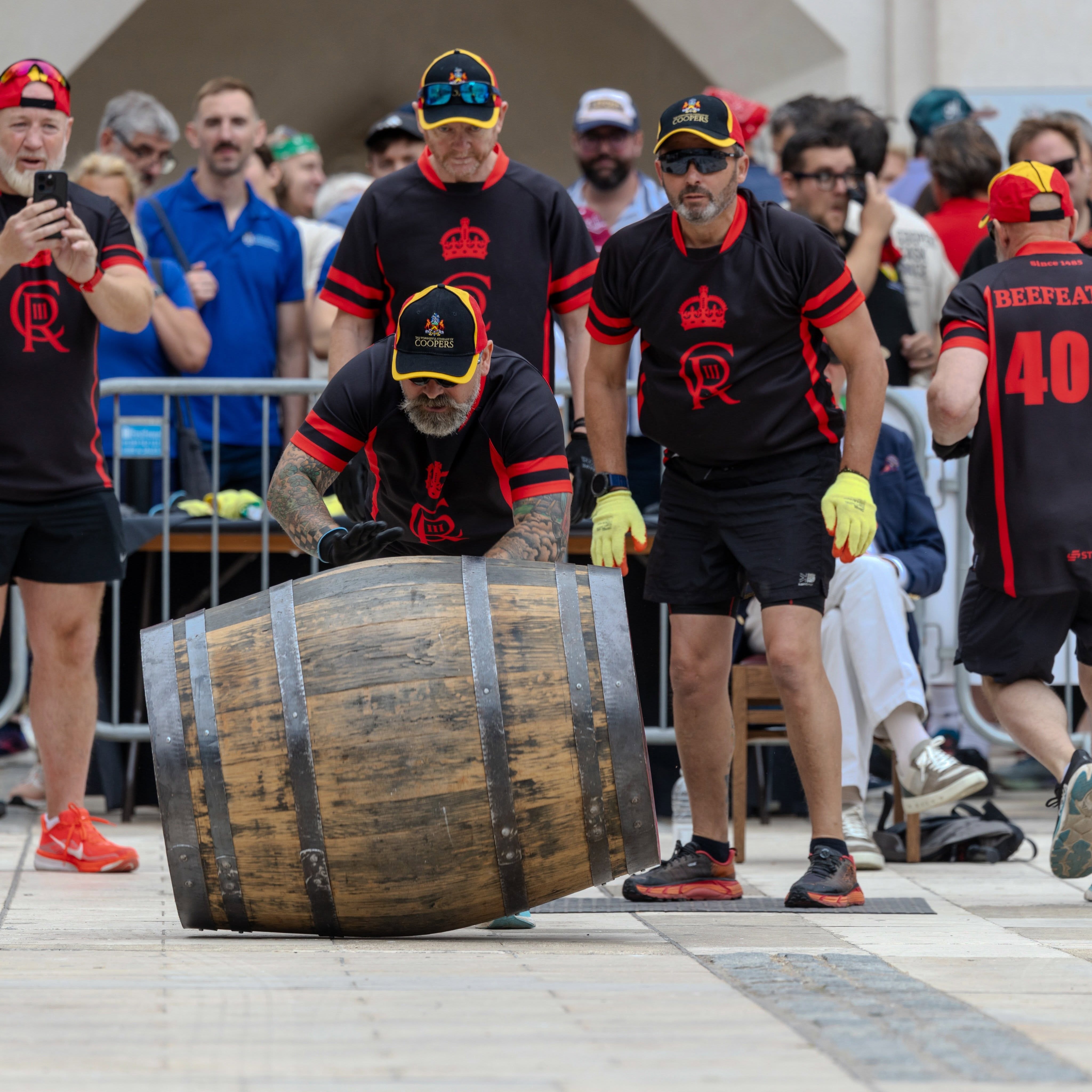
A few competitions unique to the livery companies have sprung up over time as well, some of which can be viewed by the general public. The Worshipful Company of Coopers touts its annual cask-rolling race as “the City’s premier sporting event”, drawing substantial crowds to watch teams hustle traditionally-built barrels from Yorkshire across the paving stones of London’s Guildhall Yard. Other organisations are welcome to join: this year a group of Beefeaters took part in slick red-and-black kits inspired by their traditional uniforms.
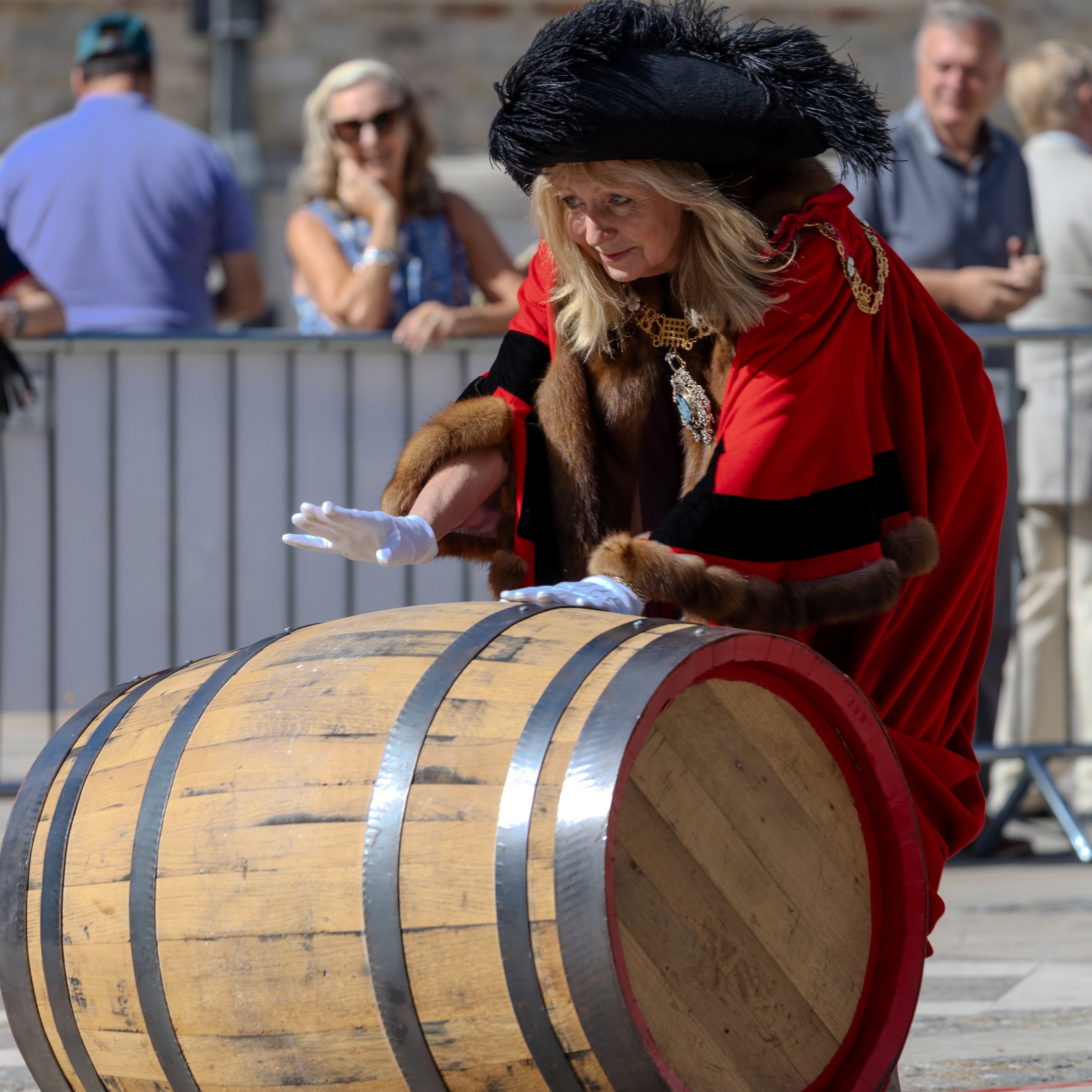
The Lady Mayor also attended, wearing her full ceremonial garb.
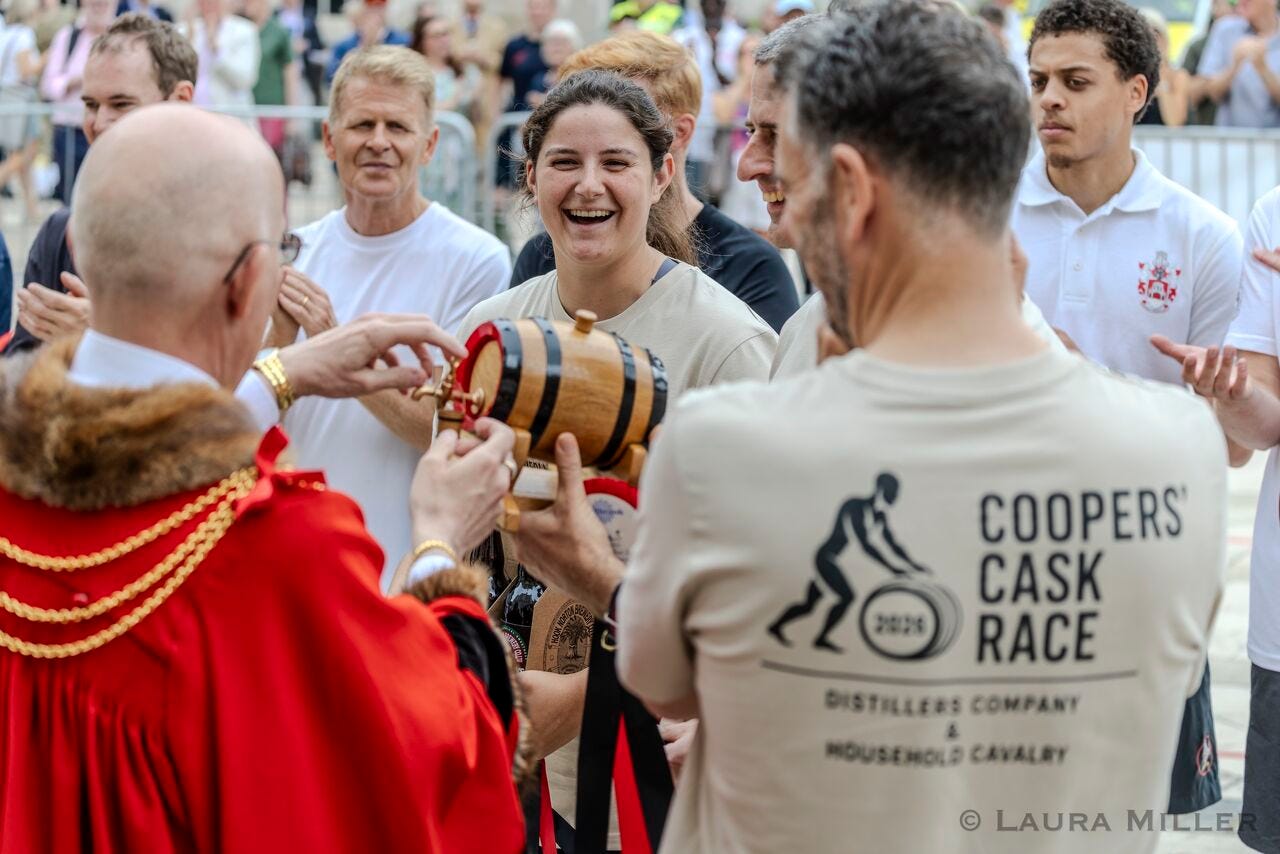
However, it was the Worshipful Company of Distillers who took home first prize in the end—a cask-shaped trophy and a six pack of beer.
More information: caskrace.com
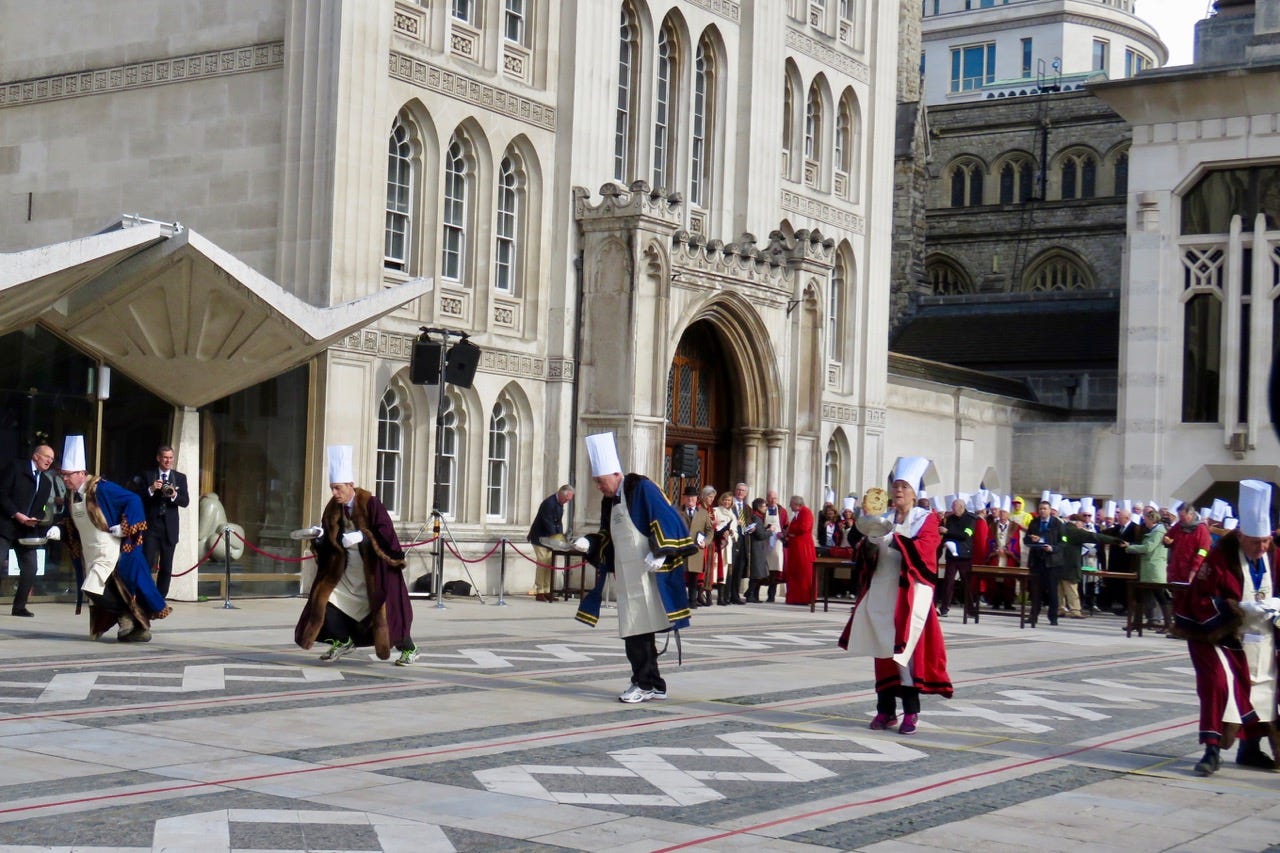
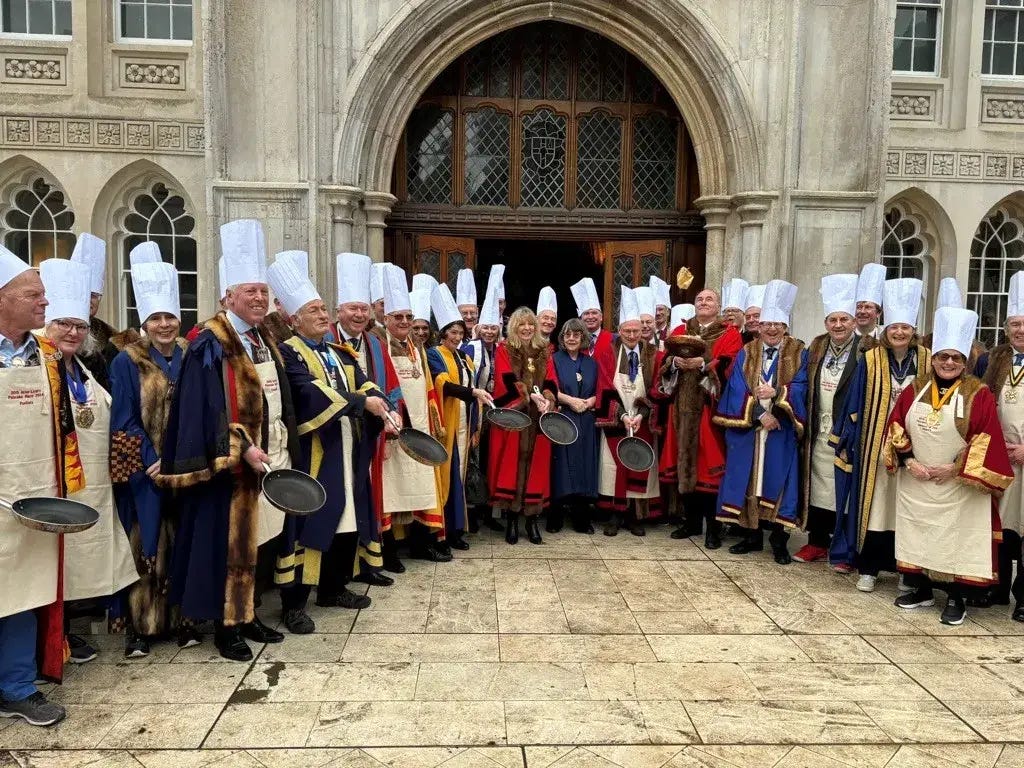
Another famous fixture is the annual Shrove Tuesday pancake race, in which teams must wear either their guild’s full regalia or a silly costume of some sort and race around the Guildhall Yard whilst flipping a pancake up in the air with a frying pan. It’s a collaborative effort to host, per the City of London’s website:
Organised by the Poulters, the Gunmakers provide (and fire) the starting gun, the Clockmakers time the races and the Fruiterers provide the lemons to go with your pancakes, which are on sale from stands in Guildhall Yard during the racing.
More information: onecitylondon.com/event/inter-livery-pancake-day-race
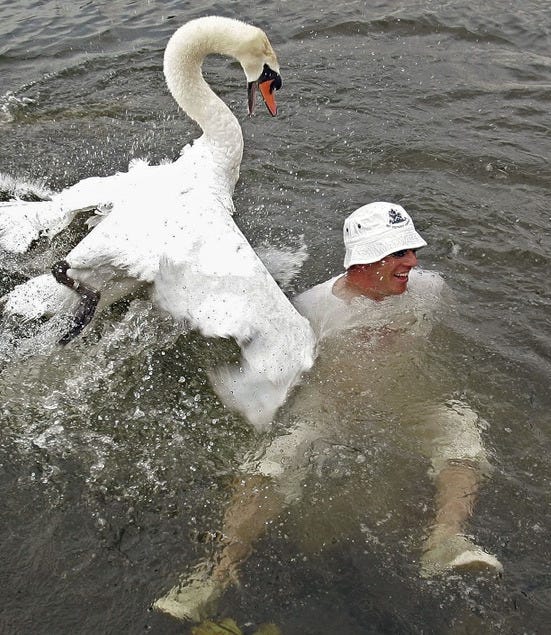
Originally representing the City’s wine sellers and fabric dyers respectively, these two companies are the sole remaining parties in England (besides the Crown) to still exercise their right to own swans. This privilege was granted by King Edward IV in the 15th century and allowed those with royal favour to kill, cook and eat the coveted birds, usually at grand banquets as a display of wealth and status. While many people and groups once possessed this right, changing tastes in the 18th and 19th centuries saw the practice of feasting on swan become rather unfashionable and almost all owners simply ceased asserting their claims over their flocks. All but these two venerable guilds, who still take part in the annual tradition of swan upping, in which they set out along the Thames to round up that year’s crop of cygnets and mark each one with its proper owner.
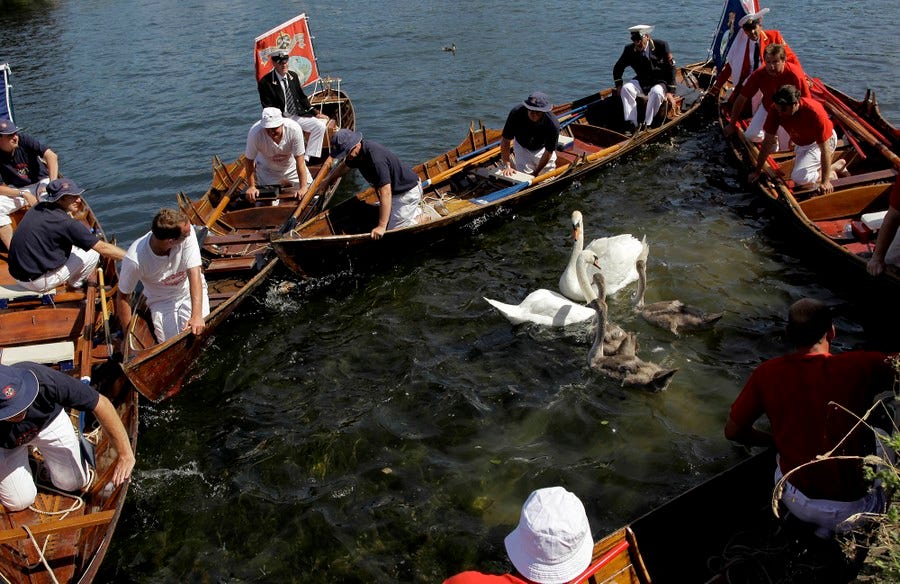
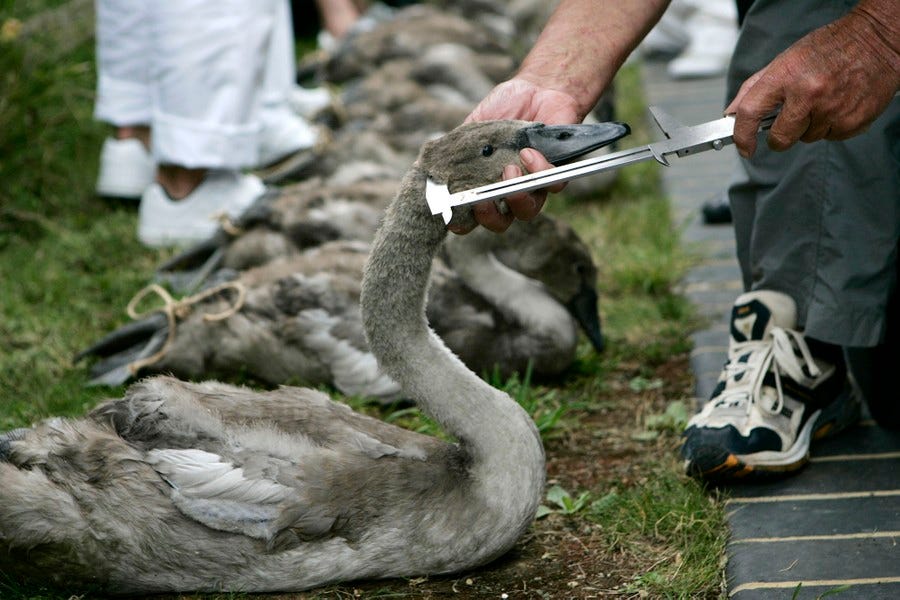
The uniforms, wooden row-boats, and heraldic banners still in use are nods to the long history of swan upping, but the practice has modernised its ethos. While their medieval forebears would have carved unique symbols into the swans’ beaks to denote ownership, the uppers have long since switched to more humane leg bands. And the introduction of strict legal protections means that no swans are eaten by anyone in Britain any more. Instead, the practice serves as an opportunity to check in on the birds’ health, weights, and numbers for conservation purposes. It also makes for a great spectator sport—I took a day trip to Surrey this year to witness the centuries-old ritual unfold and was not disappointed. While the men tried as delicately as possible to extract the cygnets and their parents from the water, the swans fought back vociferously. It was quite the sight.
More information: www.royalswan.co.uk
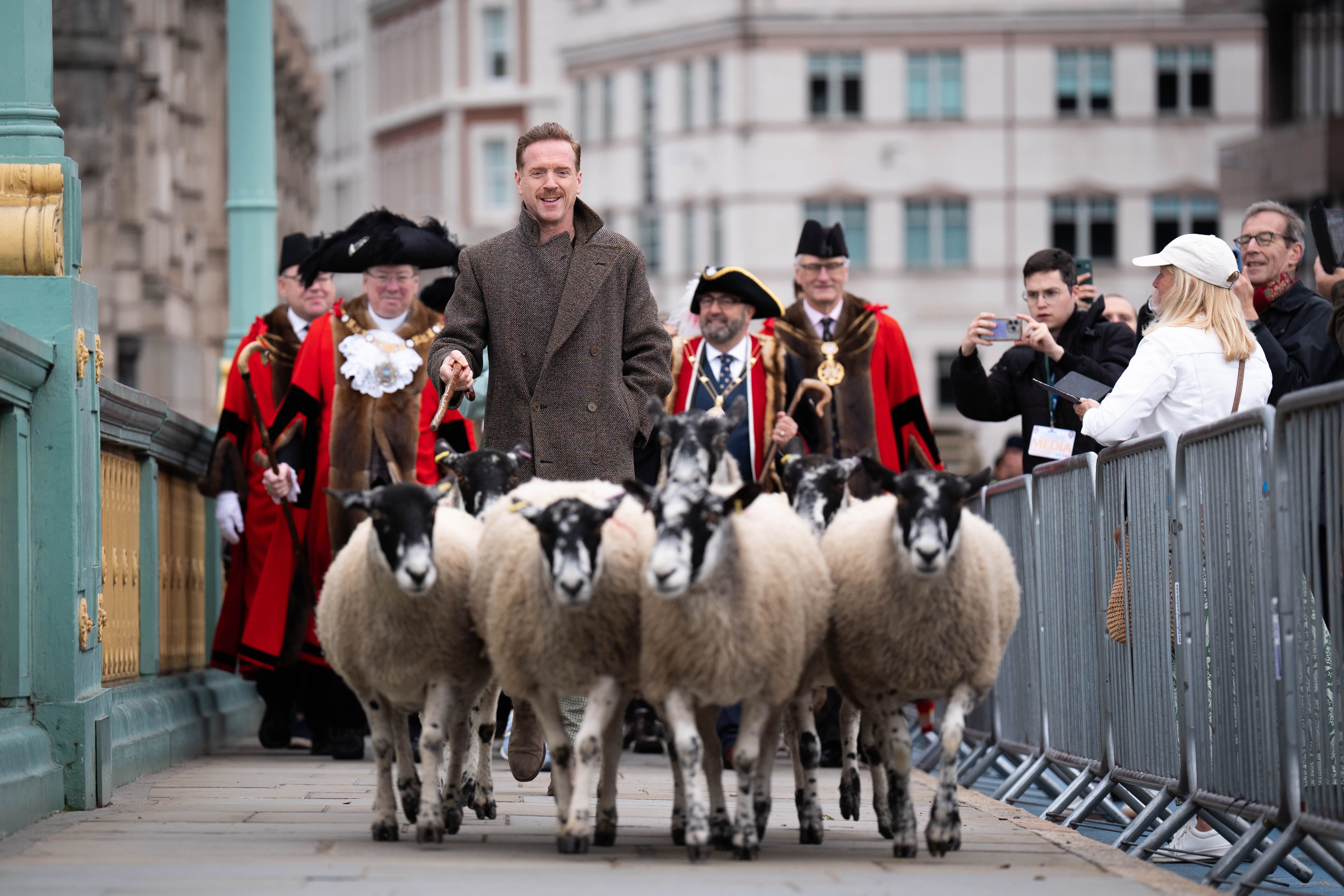
Dedicated to wool merchants, this company has existed since at least 1180 AD and their charming motto is Lana Spes Nostra—Latin for “Wool Is Our Hope”. As ancient as this guild is the long-held right by Freemen of the City of London to drive their sheep to market over the bridges of the River Thames without paying the customary tolls. The sheep markets are long gone from the City, but in 2013 the Woolmen brought the tradition of shepherding back to Zone 1 with their first annual ceremonial sheep drive. Each year in September, two Bedfordshire farmers named David and Barbara Seamark bring a small flock of sheep and a cadre of border collies to Southwark Bridge.
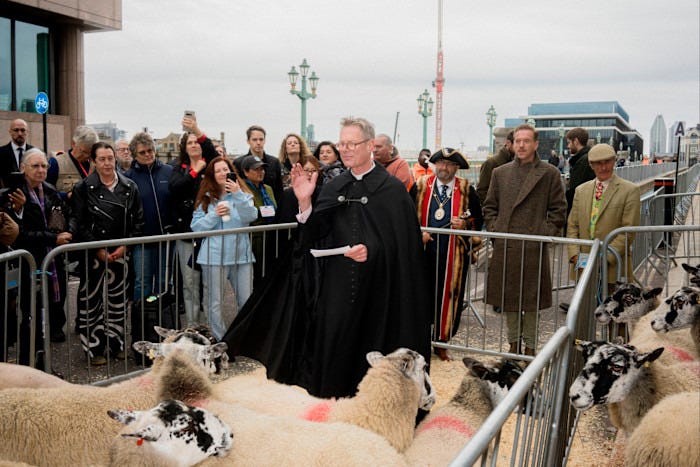
The beasts are blessed on the south bank by a chaplain, then driven north across the bridge by representatives from the Woolmen and the City’s other livery companies plus a special celebrity guest. So as to not break with tradition, this guest apparently must also hold the Freedom of the City of London, with past invitees including the late, great actress Barbara Windsor and three-time Emmy winning TV star Damian Lewis.
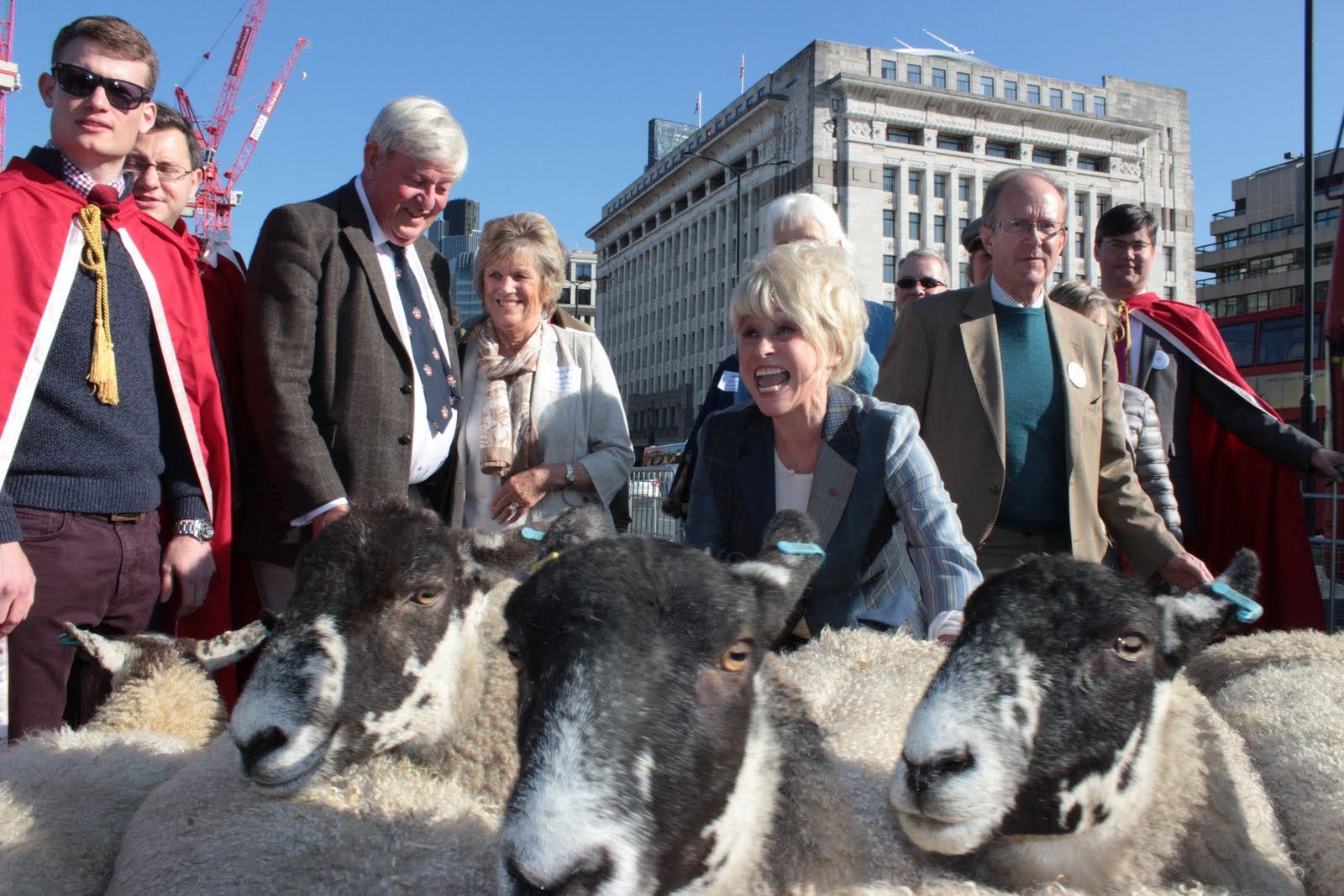
The general public is thankfully not completely neglected: they can enjoy a special fair with woollen and sheep-themed products for sale and demonstrations of traditional skills such as spinning, weaving, and shearing.
More information: woolmensheepdrive.london
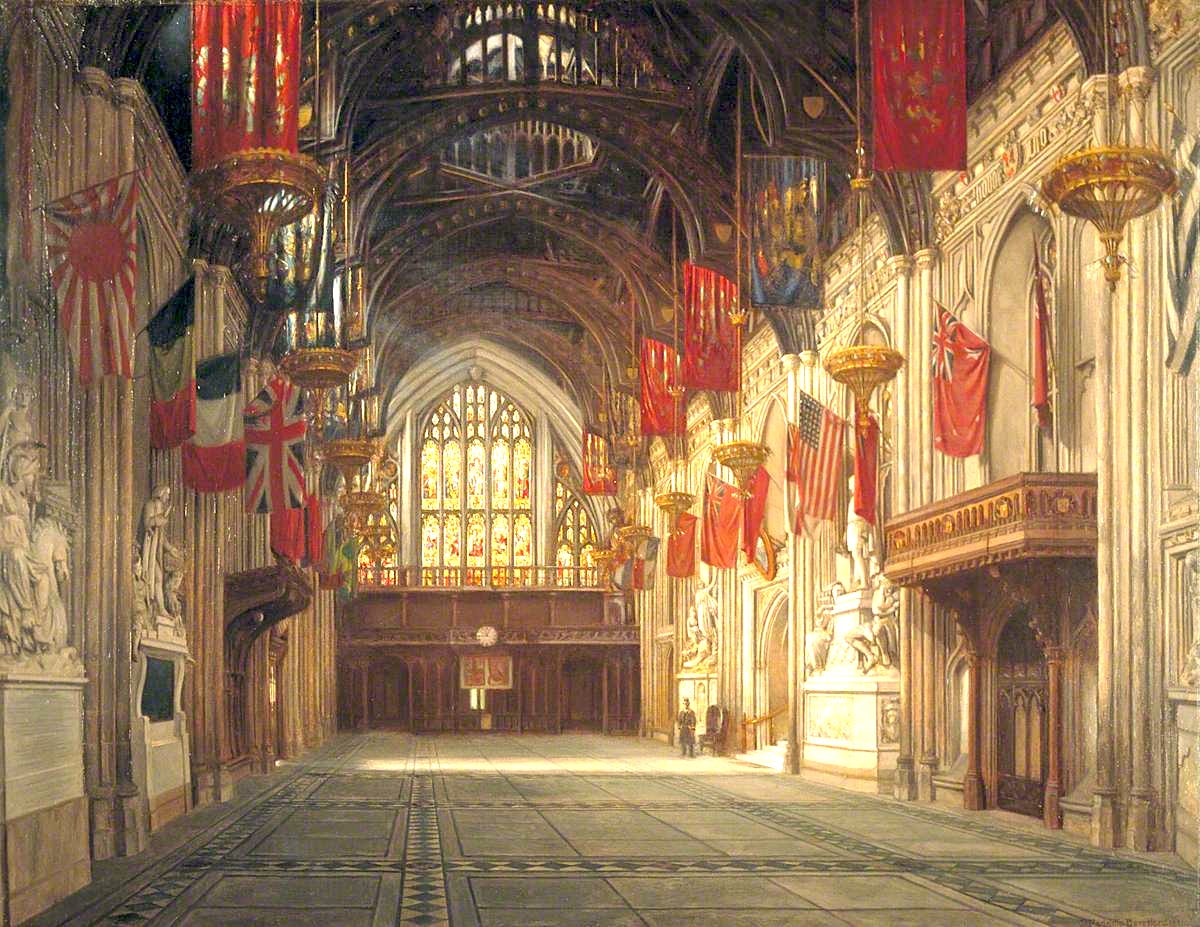
Many livery companies’ websites emphasise their charitable work, enabled by the endowments and property that they’ve accumulated over the centuries. Education is a big one. In my neighbourhood in suburban East London is Bancroft’s School, founded by a bequest to the Worshipful Company of Drapers after a wealthy member’s passing. It must not have been a hefty sum, since the school charges around £25,000 ($33,000) a year for day pupils, but the generous Drapers fund a few impoverished students a year. The Drapers are also one of several guilds to still inhabit elaborate headquarters within the City, jam-packed with art, artefacts, and event space you can hire (prices upon inquiry). Look at that hall!
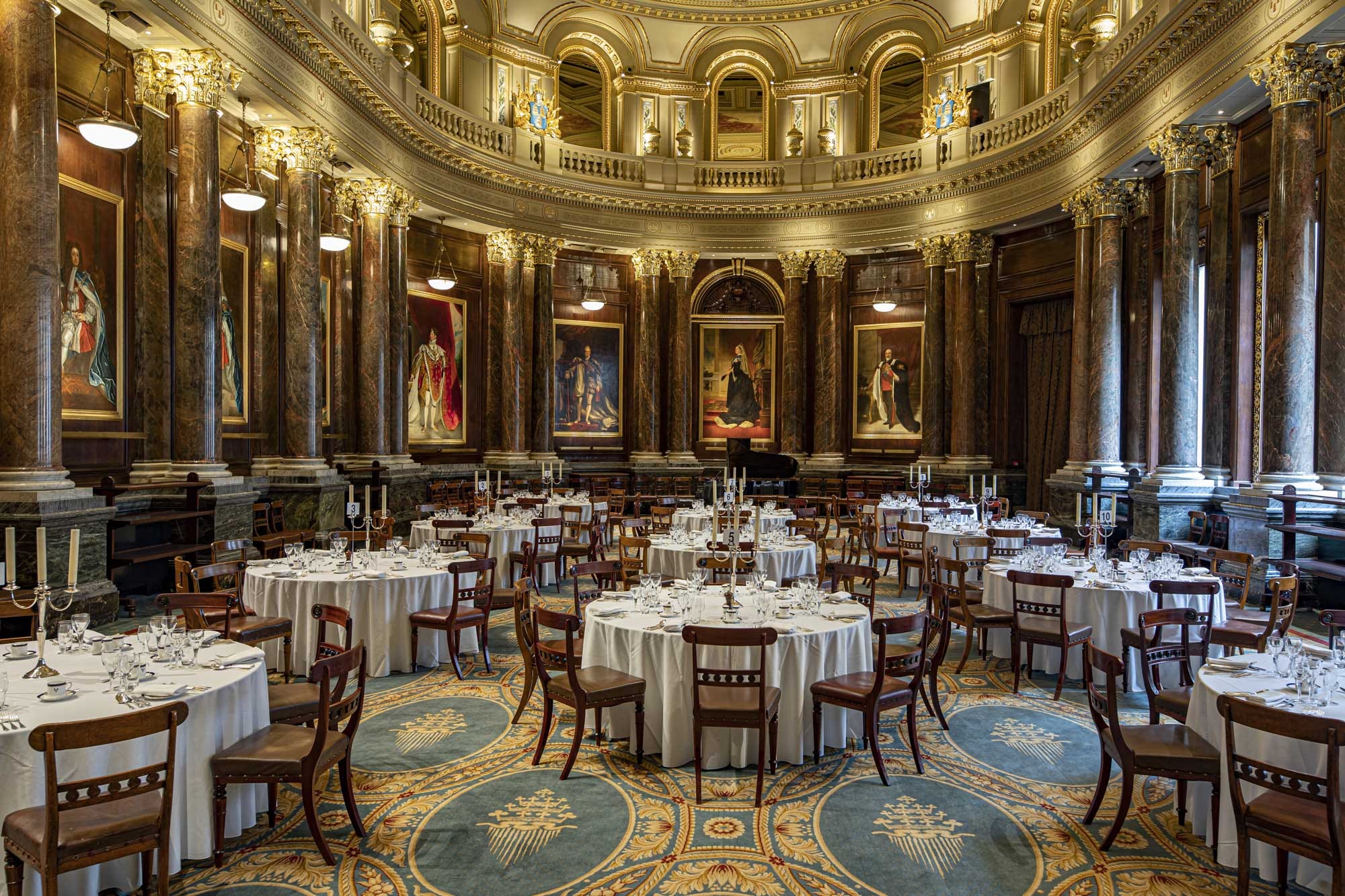
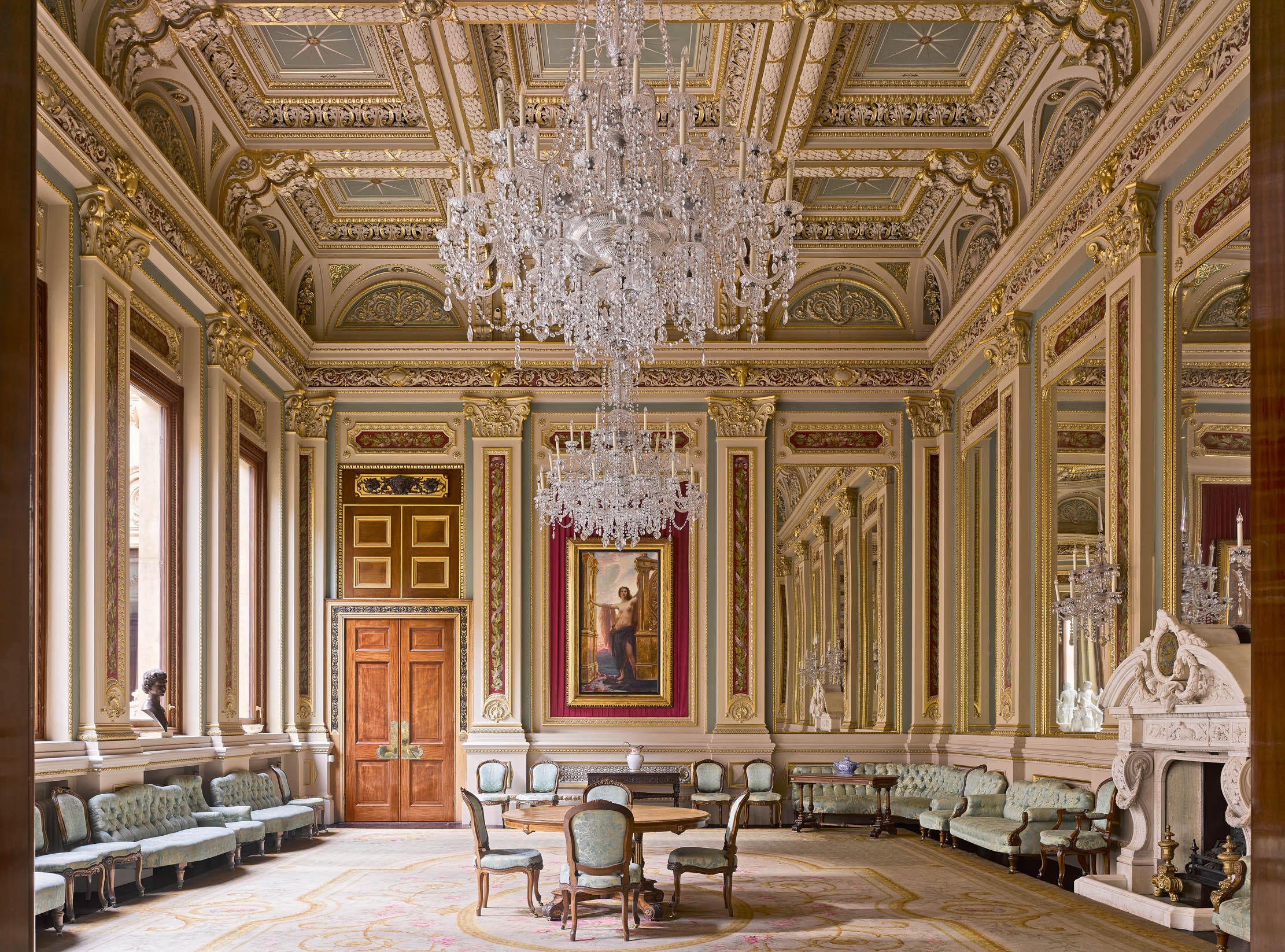
Often, at least a bit of the company nest egg goes to causes with some connection to that company’s traditional industry. The Worshipful Company of Wax Chandlers, historically a guild for beeswax merchants, still apparently supports a number of projects relating to apiculture. They help to fund and train beekeepers in Africa to become self-sufficient, according to their website, and they sponsor Britain’s annual National Honey Show. The Worshipful Company of Glovers runs an annual award commemorating the best glove designs by art students, though it seems that very few gloves are actually produced.
These public-facing spectacles make up just a fraction of the livery companies’ activities compared to what happens behind closed doors. Alas, the ceremonies, dinners, meetings, and elections that occupy most of the liverymen’s time go largely unannounced and unrecorded. Their charitable spending, too, is just a small slice of the cake. A total of around £40 million donated each year by the companies sounds good, but makes up less than a tenth of a percent of the estimated collective £5 billion in the guilds’ banks. Exemptions from tax, financial reporting requirements, and freedom of information requests only make their business more opaque. Even lists of their members are kept private.
On paper, the livery companies no longer derive authority directly from the state. Officially, their power extends only to their own private property and wealth, and their accountability to their own members. Their uniforms, rituals, and coats of arms speak a language of obsolescence: ceremonial men holding ceremonial ceremonial roles exercising ceremonial rights in a ceremonial county. It’s easy to forget that every day, almost 50% of global financial turnover happens in that ceremonial county, on streets with deceptively obsolete names like Ironmongers Lane and Grocers Hall Court and Poultry (yes, just Poultry). With more that 12% of residents claiming non-domicile status, a lot of that money will simply and legally disappear from the country, never to benefit its people.
This year’s Master Woolman is David Hopkins, who sure looks regal in his fancy robes of office. I can’t wait to attend the Woolmen’s sheep drive for the first time this September—I known it will be quirky, endearing, and educational, just as planned.
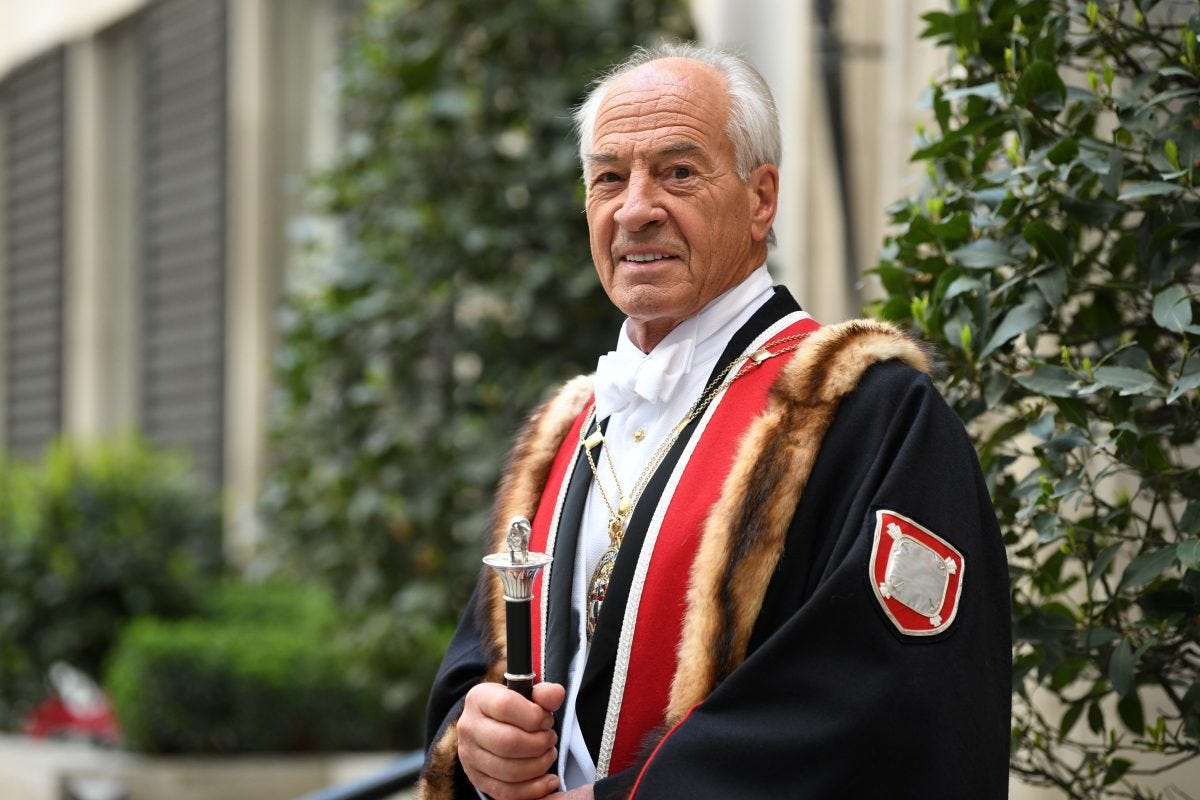
I hope David enjoys the day, too. He deserves some fun after spending 21 long years as a senior partner at City of London accounting firm PwC, a job that must have put him through no small quantity of stress—just look at how much of the firm’s Wikipedia page is dedicated to recounting their various crimes and scandals! Look at what those partners get up to! According to the Woolmen’s website, David became interested in livery companies while serving two undisclosed ones during his time at PwC, then left the firm to run some undisclosed small businesses trading in pharmaceuticals, energy, property, and care homes, and now does some consulting for some undisclosed corporations and individuals. I’m sure there’s no potential there for interests to conflict.
An online search of the ancient guilds’ members inevitably reveals past or present involvement with His Majesty’s Government, the Crown, the aristocracy, big banks, property management firms, high-ticket consulting jobs, colonial enterprise, Big Four accounting, Magic Circle law firms, the Inns of Court, and so on. A lot of these people have their fingers in a lot of pies. Identifying any real wrongdoing is difficult, however, because the inner workings of the City’s government are far from transparent. However, considering its status as the home of an estimated 40% of the world’s money laundering, it’s hard not to imagine that that the people who make up that government are somehow involved.
Livery company members are entirely responsible for the annual election of the Lord/Lady Mayor of London, a position that bestows its holder immense power over one of the world’s leading financial centres. Like so much of the City, the Lord Mayor’s role has been described as “ceremonial” and is poorly defined, though it’s generally understood that they will act as an informal ambassador for the entire UK’s financial sector. Of each one-year term, the Lord Mayor will spend around 90 days outside the country on trips to liaise with foreign leaders, dignitaries and financiers, while their time at home will packed with visits from international bigwigs.
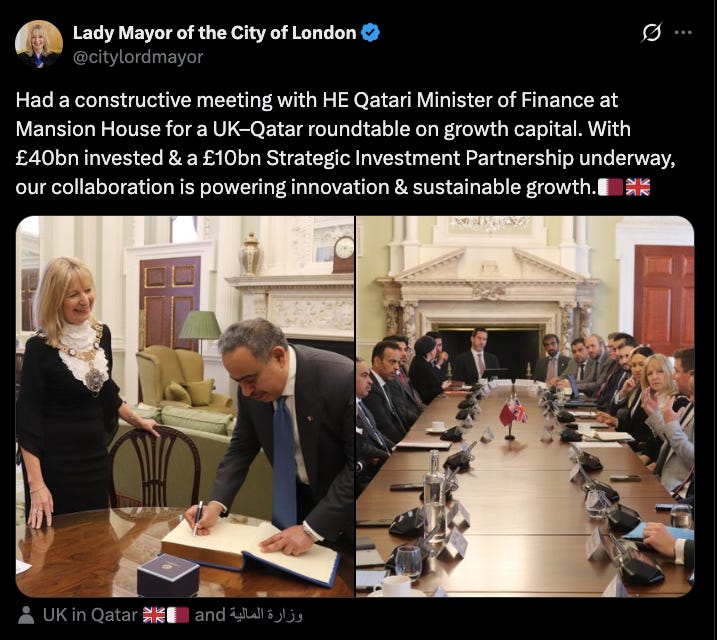
The Lord Mayor is usually an incredibly wealthy businessperson, and must be wealthy, since they are expected to make a “contribution from his/her private resources towards the costs of the mayoral year.” The mayor is also always a liveryman, as are basically all of the members of the City’s two parliaments, the Court of Aldermen and Common Council. This is because holding the Freedom of the City is a prerequisite to run for any of its elected roles.And the number one way to become a freeman, of course, is by joining a livery company. How would you go about doing that? Don’t even bother.
You don’t need me to tell you that it’s all connected up top in the world of money and power, and I don’t mean to imply that the livery companies are the only ones who enable shady business. They’re merely a local London flavour of shadiness. What really took me aback wasn’t their secretive nature but rather how silly the facade is that covers it all; how much of London’s money and power lurks behind a twee mask of pomp and circumstance. The absurd and outdated aspects of British society seem a never-ending source of derision on the internet. When I tweeted about attending the swan upping, a user hit back with a sneering remark that only the English could do something so stupid just because it’s tradition, as if people in this nation just haven’t realised yet that there’s no practical or economic reason any more to round up the swans every year. If the Vintners and Dyers wanted to, they could just stop, was the implication, though I would say this begs the question: then why haven’t they? Why do they keep on doing what they’ve done for centuries?
I don’t think the medieval guilds are too interested in modernising—sticking to tradition seems to be working out in their favour.
Comments
Nothing yet. Say the first thing.
Sign in to join the conversation.