
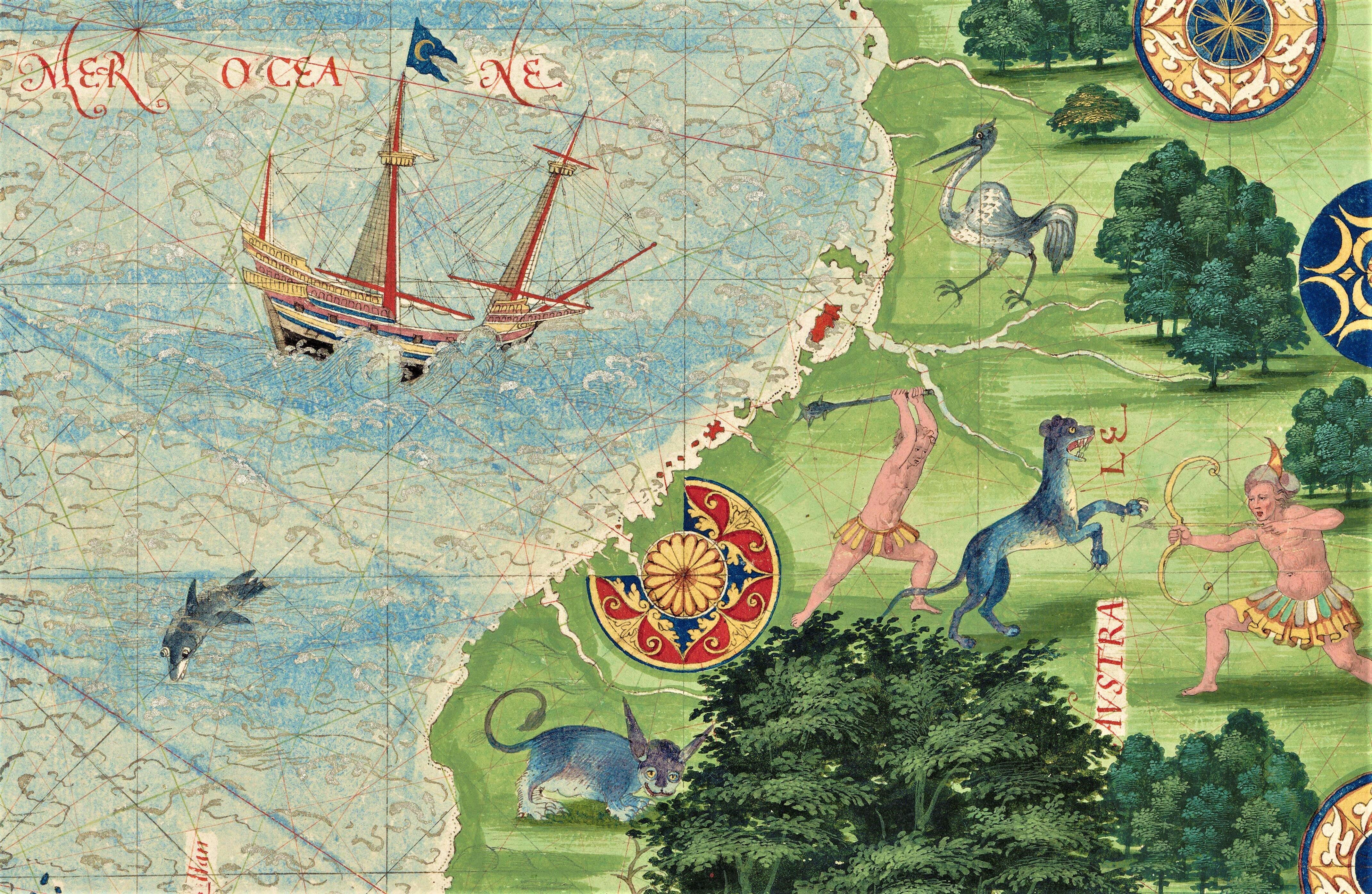
Smartphones have allowed us to offload a huge amount of life’s logistical burden onto our devices. Simply meeting a friend at a pub in the city where we live requires the internet to pick up a huge amount of slack for me. It tells me a place to meet, charts my route there, tells me when I’ll arrive down to the minute, and lets me text my friend from the train to say I’m running my inevitable 10-15 minutes late.
With this degree of digital input needed for everyday life, it seems impossible to imagine travelling abroad 500 or more years ago. And yet, people did. This article will focus mostly on the topic of language and communication, but in looking at examples how people overcame linguistic barriers, we will also learn a fair bit about how intercultural encounters were navigated in general. So, what’s a Flemish friar to do at the Mongol Khan’s court, and how does a Burgundian pilgrim become best friends with a bunch of Turks? Let’s find out!
Merchants were among the most well-travelled medieval Europeans, and by the high Middle Ages could expect to rely upon an established network of
Comments
Nothing yet. Say the first thing.
Sign in to join the conversation.