
Shoutout to Pąșśìóň Pïț for being a paid subscriber and asking me to actually expand on this thought. If you’re a paid sub and something I’ve said in passing is sitting with you, that’s an open invitation: ask, and I might turn it into a full piece.
The more I think about it, the more specific I can get: R&B might be the genre with the strictest definition of what actually counts. And that definition is what’s capping how far a lot of genuinely great artists can go.
Compare two records.
Kehlani’s “Folded” is the biggest song of her career by a wide margin — over 800 million streams1, a Billboard top 10, two Grammys, ten weeks at No. 1 on Urban radio.
It’s also a full nostalgia move: Brandy-inspired vocal runs, built to sound like it’s from 2005 in the best way possible2. One review of the album that housed it even framed the song’s breakout as landing right as crossover R&B records have had a harder time connecting the way they used to3. Kehlani’s been releasing music since 2015, and it took going all the way traditional to get the biggest record of her career4.
Now put Destin Conrad next to that.
He’s one of the most acclaimed young voices in R&B right now — Grammy-nominated for his debut album, praised across the board for the way he threads traditional soul through jazz, genre-blending production, and a sound that never sits still5.
Take “Same Mistake,” his 2024 duet with fellow R&B singer Alex Isley. It’s genuinely loved by the people who found it — the kind of record critics point to when they talk about where the genre could go next. It sits at just under 15 million streams on Spotify6. “Folded” sits at over 525 million on that same platform. Same industry, same era, two artists people consider among the best doing R&B right now — and a 35x gap in what the audience actually did with it. In my opinion it’s because the audience doesn’t file the blend under “real R&B” the same way, so it doesn’t convert into the same scale of support.

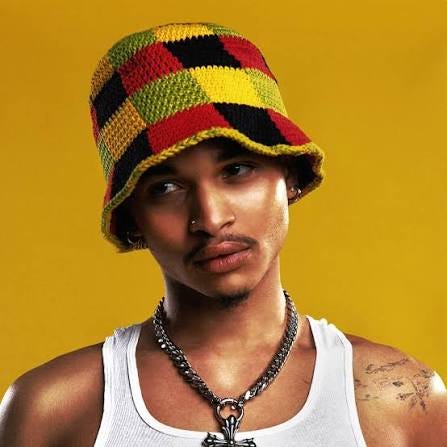
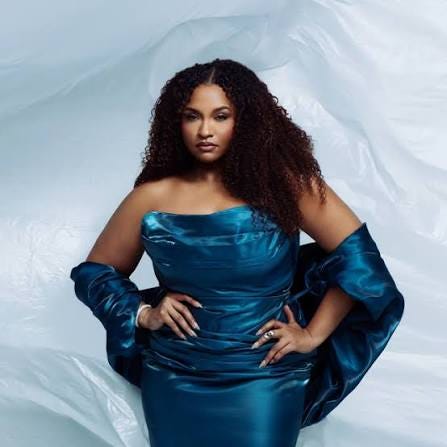
That’s the pressure I keep coming back to. In R&B, the fanbase acts as a gatekeeper for what even counts as the genre, and the gate is narrow. Stray too far into jazz, into alternative production, into anything that reads as “not traditional enough,” and you get the critical acclaim without the commercial ceiling lift. Stay traditional enough, like Kehlani did on her album, and that same fanbase will carry you to the biggest record of your career.
Now compare that to hip-hop, where the goalposts move constantly and nobody argues about it much anymore. Trap, drill, boom bap, conscious rap, Southern crunk, jazz-rap, hip-hop artists working with punk and electronic producers — the genre has absorbed all of it over the last three decades without a real fight over what “counts.” Nobody tells Kendrick he’s not really a rapper because a record leans into jazz. Nobody tells a drill artist they’ve left hip-hop behind because the production sounds nothing like boom bap did in 1994. The genre’s identity is wide enough to hold all of that at once. I’ll say honestly that this observation is more my read on the culture than something I can point to a chart for but it tracks with what actually gets embraced versus what gets treated as a departure.
R&B doesn’t have that same room. The genre’s core audience has a much tighter idea of what the sound is supposed to be, and artists get measured against that idea whether they’re trying to fit it or not. A genre that guards its sound that closely has protected something real for decades, but it does mean the artists pushing the sound forward are working against a ceiling the hip-hop side barely has to think about.
I’m not trying to argue a fanbase into changing what it counts as legitimate. I’d rather point people toward what’s actually being made at the edges of the genre and let the work speak.
We Had Our Time is a newsletter from Grammy-nominated composer DrewsThatDude and your source for music discovery with context. We share carefully curated playlists, deep dives on artists shaping sound, new releases, and independent career insights for navigating the industry.
Records, merch and exclusive drops from the Relapse graphic novel universe.
The Zodiac Collection features the twelve female characters from the Heaven’s Gate comic arc and album artwork designed in collaboration with Bryson Boutte. Each poster is fade-resistant and printed on cotton to meet museum standard.
Currently Available: 11/12
Shop the Zodiac Collection →
Listen to DrewsThatDude on SoundCloud, Spotify, Apple Music, and Amazon Music. Download singles, albums and exclusive drops on Bandcamp.
Connect with us on Youtube and on our official website. Join the We Had Our Time subscriber chat for updates and drops.
Comments
Nothing yet. Say the first thing.
Sign in to join the conversation.