
Most producers will tell you about the albums that changed their lives and the records that made them want to get into music in the first place but before I ever touched a DAW (Digital Audio Workstation) or even understood what production was there were video games.
The entire Nintendo family down to the original NES, skipped over the Sega and Playstation directly but through friends in the neighborhood I never felt like I missed out on the classics. I’ve been obsessed with video games for decades. And not only the games but the soundtracks to them as well.
Somewhere in there, they completely rewired how I heard everything.
I’ve been thinking about this a lot lately while working on new music. How much of what I do now: the ambient stuff, the cinematic textures, the way I think about arrangement and mood — traces back to the games I enjoyed as a child and how I’ve incorporated these songs into my modern music.
Spotify / Apple Music / YouTube
1. DrewsThatDude x J NICS — “Big Dawg (Instrumental)” (Heaven’s Gate, 2024)
DrewsThatDude x Sydney Gear — “Peace Osaka II” (Arcana, 2024)
DrewsThatDude — “Dior” (Heaven’s Gate, 2024)
DrewsThatDude — “Chanel” (We Had Our Time, 2020)
DrewsThatDude - “Destiny (Melody)” (Petty Tape, 2022)
DrewsThatDude — “Insomnia (Melody)” (Petty Tape, 2022)
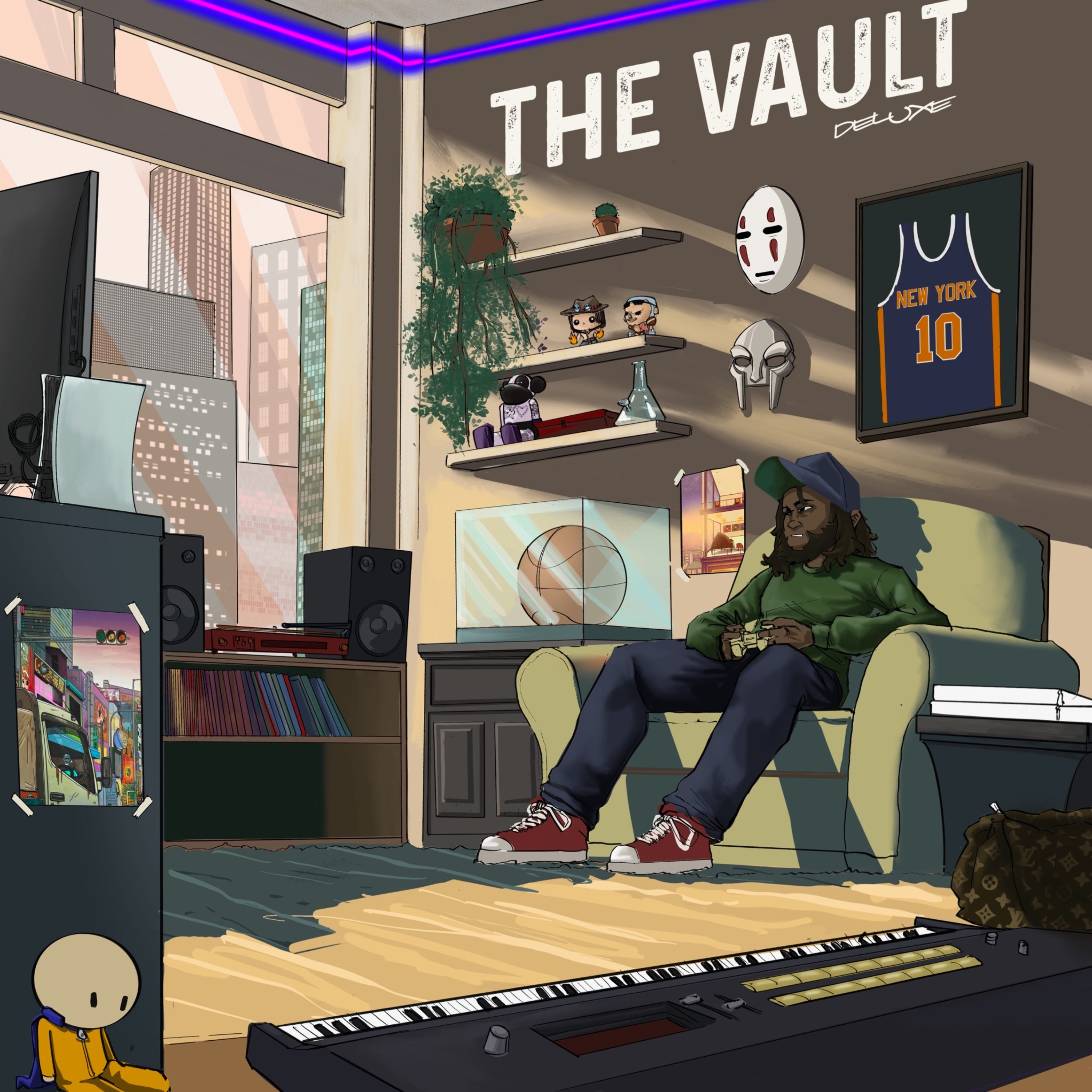
DrewsThatDude — “Ocarina (Melody)” (Vault III (Deluxe), 2024)
DrewsThatDude — “Sage” (Petty Tape, 2022)
DrewsThatDude — “Quickie (Interlude) (Melody)” (Petty Tape, 2022)
DrewsThatDude x Josh Karbon — “Echoes (Melody)” (Still Petty, 2025)
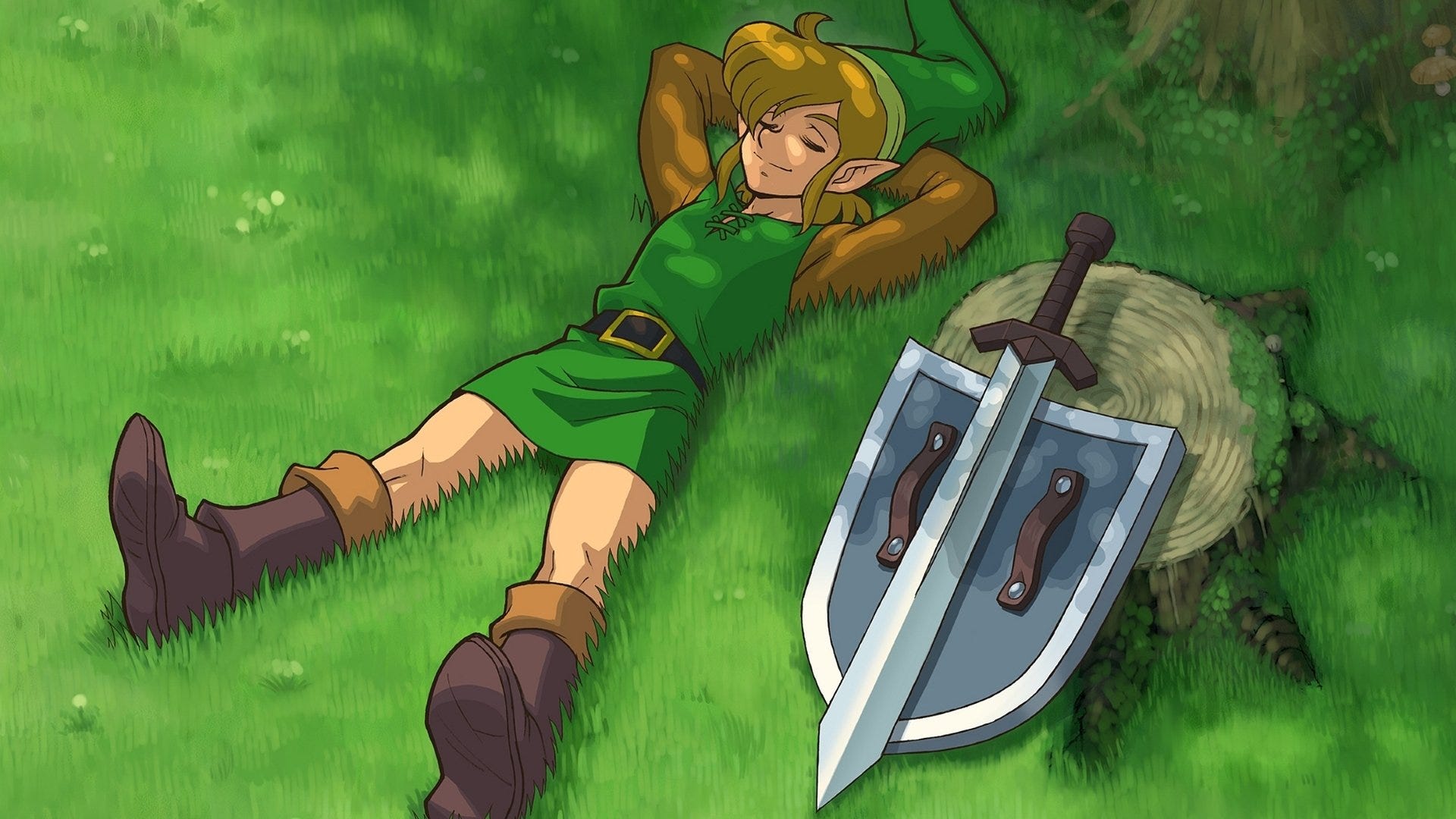
Overworld Theme — The Legend of Zelda: A Link to the Past→ “Insomnia” (Vault IV)
One melody. That’s all it takes to make an entire world feel alive. You hear those first few notes and you know exactly where you are and that kind of identity in a piece of music is rare. It’s something I think about constantly when I’m trying to give a track its own fingerprint.
I interpolated that melody into “Insomnia” — took the feeling of that Overworld theme and let it live inside something completely different.
Awakening — Final Fantasy VI→ “Echoes” (Heaven’s Gate)
FF6 did something with dynamics that I didn’t fully appreciate until years later in the way a piece of music can score a turning point so precisely that the emotion doesn’t always from the story, it comes from the sound.
Josh Karbon sampled “Awakening” for “Echoes” and the emotional weight of that original moment is baked into the track. It felt right because the Heaven’s Gate chapter of the Relapse story carries that same energy.
Jenova — Final Fantasy VII→ “Ocarina” (Vault III)
Controlled chaos. The rhythm underneath is locked, almost mechanical, but everything on top is unsettling and unpredictable. That balance between groove and tension is one of the hardest things to pull off in production. Uematsu made it sound effortless. I’ve been studying why ever since.
That arp synth from the Jenova theme — I interpolated it into “Ocarina.” It lives underneath the track as this constantly moving element that most people won’t consciously notice, but they’ll feel it.
These didn’t make it directly into a song — but they’re in everything I make. The textures, the instincts, the way I approach space and mood. This is the foundation underneath the foundation.
Tal Tal Heights — The Legend of Zelda: Link’s Awakening
Aquatic Ambience — Donkey Kong Country
This is ambient music. Full stop. Before I knew the word “ambient,” before I’d ever heard of Brian Eno, David Wise was doing it on a Super Nintendo. The space in this track. The patience. The way it makes you feel like you’re floating and slightly uneasy at the same time. When I’m building atmospheric or cinematic tracks now, this feeling is the baseline.
Fisherman’s Horizon — Final Fantasy VIII
I come back to this one more than almost anything on this list. A lot of the softer, more textured side of what I produce lives here.
Cosmo Canyon — Final Fantasy VII
Percussion-driven & spiritual. This track opened a door to sounds and textures I wouldn’t fully explore until much later in life like on Torch or Memôria
Battle of Hefei — Dynasty Warriors 5
Pure adrenaline.
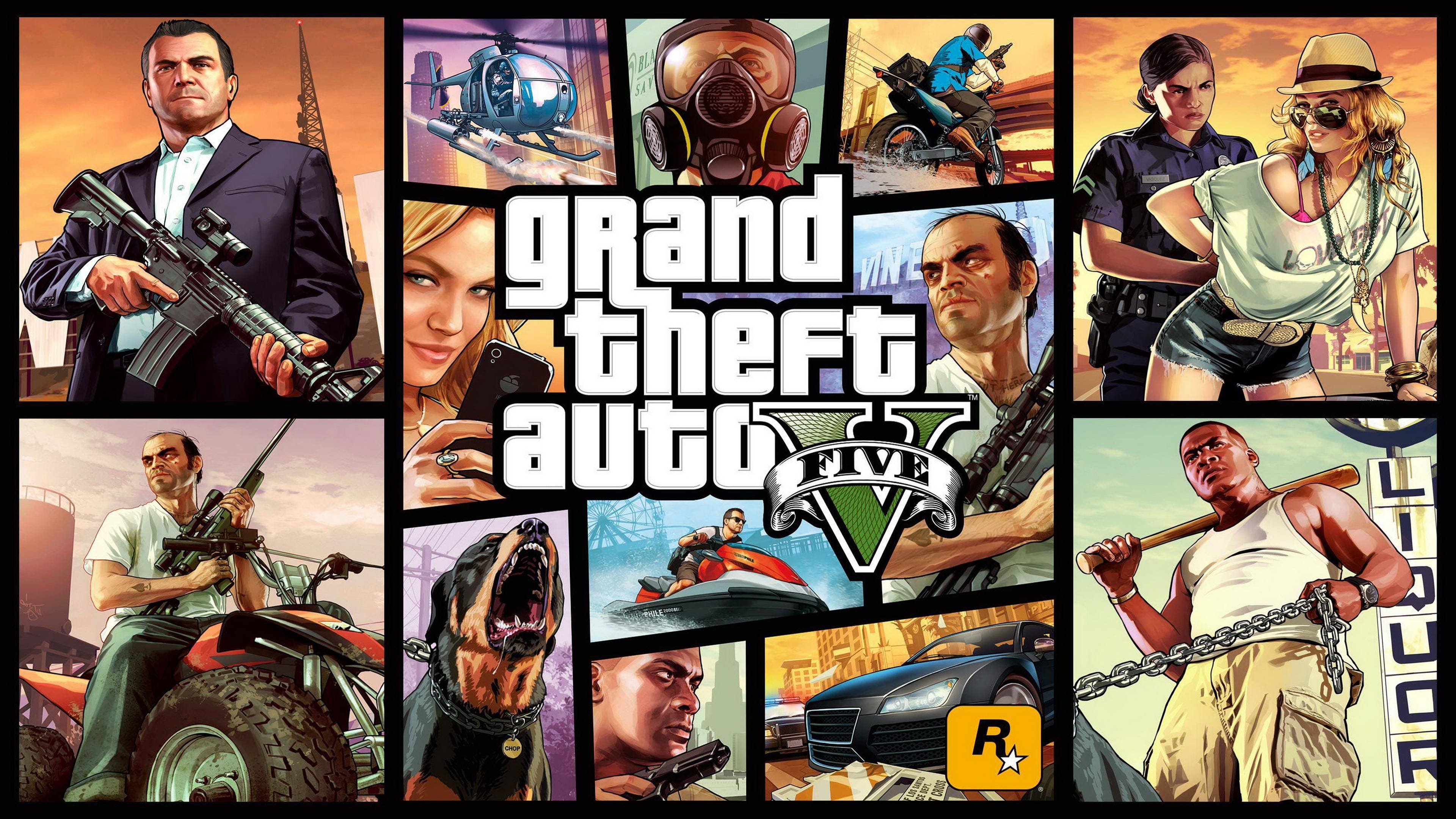
GTA Radio Stations
GTA might have done more for my musical education than any single album. You’re driving around Vice City or San Andreas and suddenly you’re hearing funk, jazz, new wave, classic hip-hop, reggae, talk radio, all of it.
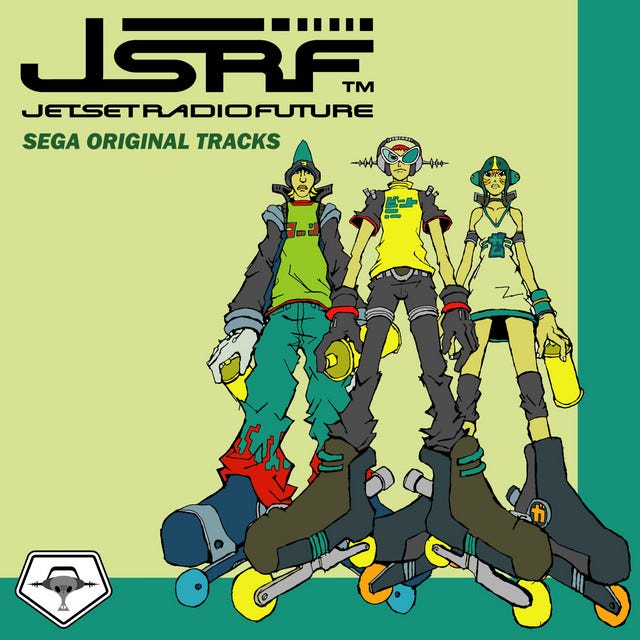
Jet Set Radio Future
If GTA was a broad education, Jet Set Radio Future was a specific one. The soundtrack was unlike anything I’d encountered — this blend of electronic, hip-hop, funk, and J-pop that felt like it came from a world that didn’t exist yet. It introduced me to artists and sounds I never would have found on my own. That experience of having a game hand you music that expands your entire frame of reference — that’s what I try to do for other people now.
SSX
The SSX soundtrack was a whole mood shift. You’re flying down a mountain and the music is this mix of electronic, dance, hip-hop — high energy but smooth at the same time. The production on those tracks was way ahead of its time for a sports game, and it opened me up to different genres in a way that felt natural instead of forced.
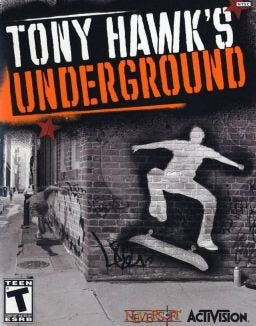
Tony Hawk’s Underground
If you grew up playing Tony Hawk, the soundtrack was your introduction to punk, hip-hop, and everything in between all in the same session. You’d go from Dead Kennedys to Nas to ACDC and it all made sense. That genre-blending without apology is something that still sits at the core of how I think about music. Nothing has to be one thing.
All of these games did the same thing without me realizing it. They got me used to hearing different styles, different instruments, different arrangements, different moods — and they did it daily just as the backdrop to something I was already doing. By the time I started producing, I had years of listening built into me that I couldn’t even name yet.
Also — just put the WHOT Sound Archive Vol. 1: Starter Kit in the shop. A drum kit from the earlier years pulled from sounds I’ve collected. This is great for everybody but especially for those learning or getting into production, it’s a solid foundation. $5 in the shop, or free if you’re a paid subscriber.
We Had Our Time is a newsletter from Grammy-nominated composer DrewsThatDude and your source for music discovery with context. We share carefully curated playlists, deep dives on artists shaping sound, new releases, and independent career insights for navigating the industry.
Records, merch and exclusive drops from the Relapse graphic novel universe.
The Zodiac Collection features the twelve female characters from the Heaven’s Gate comic arc and album artwork designed in collaboration with Bryson Boutte. Each poster is fade-resistant and printed on cotton to meet museum standard.
Listen to DrewsThatDude on SoundCloud, Spotify, Apple Music, and Amazon Music. Download singles, albums and exclusive drops on Bandcamp.
Connect with us on Youtube and on our official website. Join the We Had Our Time subscriber chat for updates and drops.
Comments
Nothing yet. Say the first thing.
Sign in to join the conversation.