
Today’s Free Kick! Newsletter sponsor is Sober Self Test!
A group of prominent current and former footballers has publicly turned on FIFA’s leadership, with a statement circulated by ex-Manchester United defender Mikaël Silvestre and backed by names like Emmanuel Petit, Didier Drogba, Robert Pires, Lucy Bronze, and David James. The statement doesn’t call out Gianni Infantino by name, but it’s clearly aimed at him, accusing FIFA of making major decisions without consulting players or fans and declaring that “power has blurred the current leadership’s ability to distinguish between its own interests and what is best for football.” It also calls for real structural change, including a direct voice for players and fans in how the sport is governed.
The pressure on Infantino has been building for a while now, largely over his push to sell stakes in the World Cup to private investors, a plan he claimed could raise as much as $20 billion. FIFPRO, the global players’ union, blasted the proposal weeks earlier as a “profound abuse of presidential power,” arguing that simply withdrawing it wasn’t enough to repair the trust that had been broken. UEFA president Alexander Čeferin waded in too, predicting Infantino will eventually have to accept he’s lost the backing of the football community, whether that means stepping aside voluntarily or facing a challenger in March’s elections.
Not everyone’s piling on, though. Samuel Eto’o pushed back hard in defense of Infantino, arguing the backlash is really just election-season politics and that the private investment plan could have actually helped African football compete with the sport’s bigger nations. It’s a reminder that despite the mounting criticism, opinion within the game is still split on whether Infantino’s vision for FIFA’s future is reckless overreach or a legitimate, if unpopular, growth strategy.
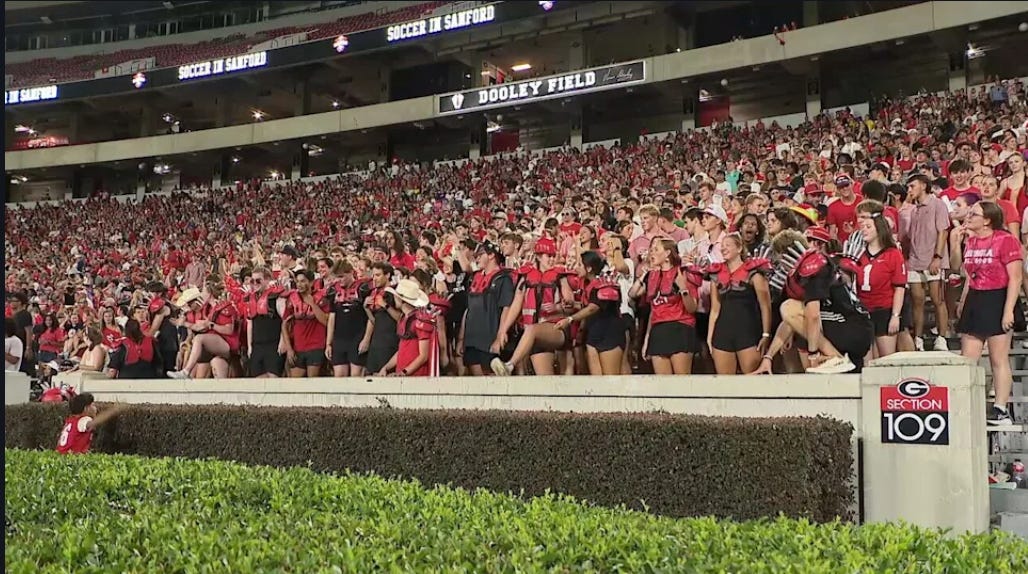
Georgia’s women’s soccer team made history Thursday night at Sanford Stadium, drawing an announced crowd of 25,433 for a 6-0 win over James Madison — the largest attendance ever recorded for a college soccer match, men’s or women’s. That crushes the previous women’s mark of 14,410, set at the 1999 championship between North Carolina and Notre Dame, and even beats the men’s record of 22,512 from a 1980 Saint Louis-SIU Edwardsville match. Free tickets, a 98-degree kickoff, and a “Soccer at Sanford” branding all helped pull in the crowd, which Georgia coach Keidane McAlpine called one of the biggest moments in the sport’s history. The event had been in planning since spring, with Georgia betting that excitement from the men’s World Cup — Atlanta hosted eight matches, including that wild Argentina-England semifinal — would carry over.
The stadium itself added to the occasion’s weight: it’s the same field where the U.S. women’s national team beat China for Olympic gold 30 years ago this month, a match that drew over 76,000 fans and set its own attendance record at the time. This time, though, the hedges stayed put and the redcoat band played in its usual football spot, with only the north side of the stadium opened up to keep the crowd from thinning out. Kirby Smart watched from the sideline in his red visor — notably near the goal where Georgia scored three first-half goals, including a penalty kick. Fittingly, his football team had lost a pregame penalty-kick contest to the soccer players days earlier, 10-for-10 versus 7-for-10. It’s a striking jump for a program whose biggest home crowd last season topped out at 2,551.
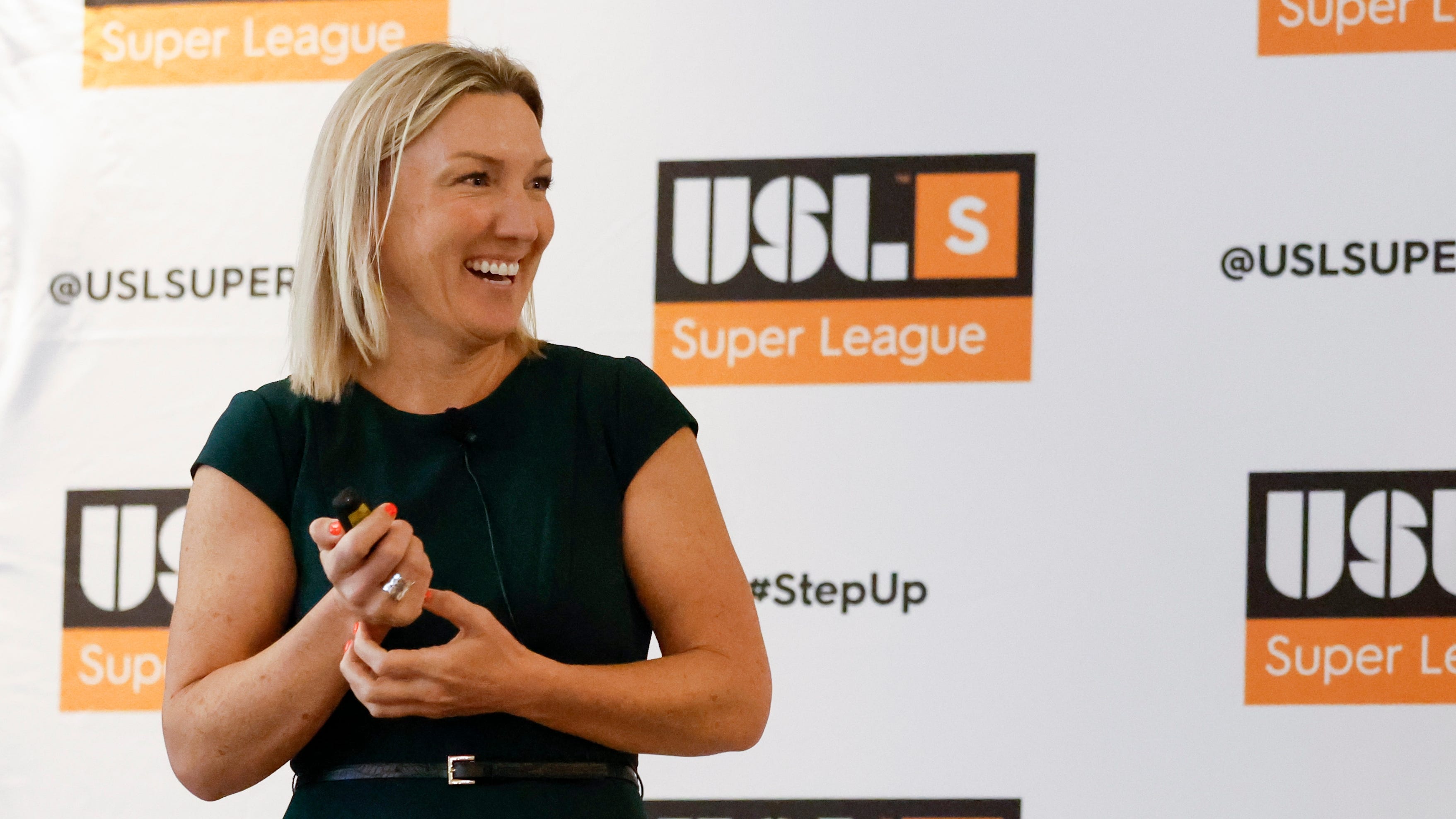
Amanda Vandervort is stepping down as president of the USL Super League, the position she’s held since helping found the league five years ago, to “pursue other opportunities.” Her last day is Friday, and USL says a search for her replacement is already underway, with CEO Paul McDonough staying closely involved in the league in the meantime. Vandervort steered the league through a big pivot early on, from originally planning to launch as a second division to actually debuting as a first division in 2024, and she was also part of the leadership team that just landed the league’s first collective bargaining agreement with players.
The Super League is now two weeks into an abbreviated fall season as it transitions toward aligning its calendar with the NWSL starting in 2027, and it’s down to eight teams after Spokane Zephyr FC folded following its second season. Before USL, Vandervort spent time as chief women’s football officer at FIFPRO, put in nearly a decade across various roles at MLS, and got her start in the now-defunct Women’s Professional Soccer league back in 2009. Both she and McDonough struck a warm, mutually appreciative tone in their statements, with Vandervort saying she’s proud of what was built and plans to keep cheering on the league “from the stands.”
Director of Global Fundraising at Little Caesars, Katie Price, joins We Are Soccer to discuss how youth soccer clubs and families can help off-set costs and fees through fundraising. The Little Caesars Pizza Kit fundraising program has been around since 1997 and helped so many families in all different sports including soccer. Kaie discusses how easy it is use the program for any local club and how Little Caesars is there from the beginning until the end. Head to fundraising.littlecaesars.com to learn more!
Brooks sits down with Maren McCrary, a Talent ID Scout for U.S. Soccer, to find out what talent identification really looks like at the highest level. Maren scouts on the girls' side for U.S. Soccer, but she didn't start there — her path ran through several college programs, where she coached and scouted before making the jump to the national level. In this conversation, she and Brooks cover: The different roles Maren held on her way to this position
Why the best evaluators are upfront about what they're looking for, instead of playing it close to the vest
Why there's no substitute for watching soccer — a lot of it, at every level
Ian Barker has spent years training the people who train the players — and he's watched coaching education in the U.S. change in ways most fans never see. In this episode, he joins Brooks to talk about what's actually shifted since he started, and what's stayed stubbornly the same.
They dig into the biggest red flag Ian sees in coaching education today (it's more common than you'd think), where the system still falls short, and what needs to happen next.
If you're a coach, working toward a license, or just curious what's really being taught behind the badges — this one's worth your time.
We Are Soccer takes you inside the game — exclusive interviews with players, coaches, and all-time legends who’ve shaped the sport.
Every Sunday at 9 PM ET, catch us live on YouTube as we break down the weekend’s biggest moments and look ahead at what’s coming in the soccer world. Prefer to listen on the go? New interviews drop every Tuesday and Thursday on Spotify and Apple Podcasts.
Coming Up:
Zach Ramsey- Washington Men’s Soccer, TST 7v7 and Getting Drafted by the Vancouver Whitecaps
Campbell Jewel- Michigan Women’s Soccer Senior Defender
Anthony Sobolevsky- National Referee from the state of Kansas
Lee Schwartz- West coast Advisory Board Member for the Concussion and CTE Foundation
Peter Vermes- Former Sporting Kansas City Head Coach
And More!!
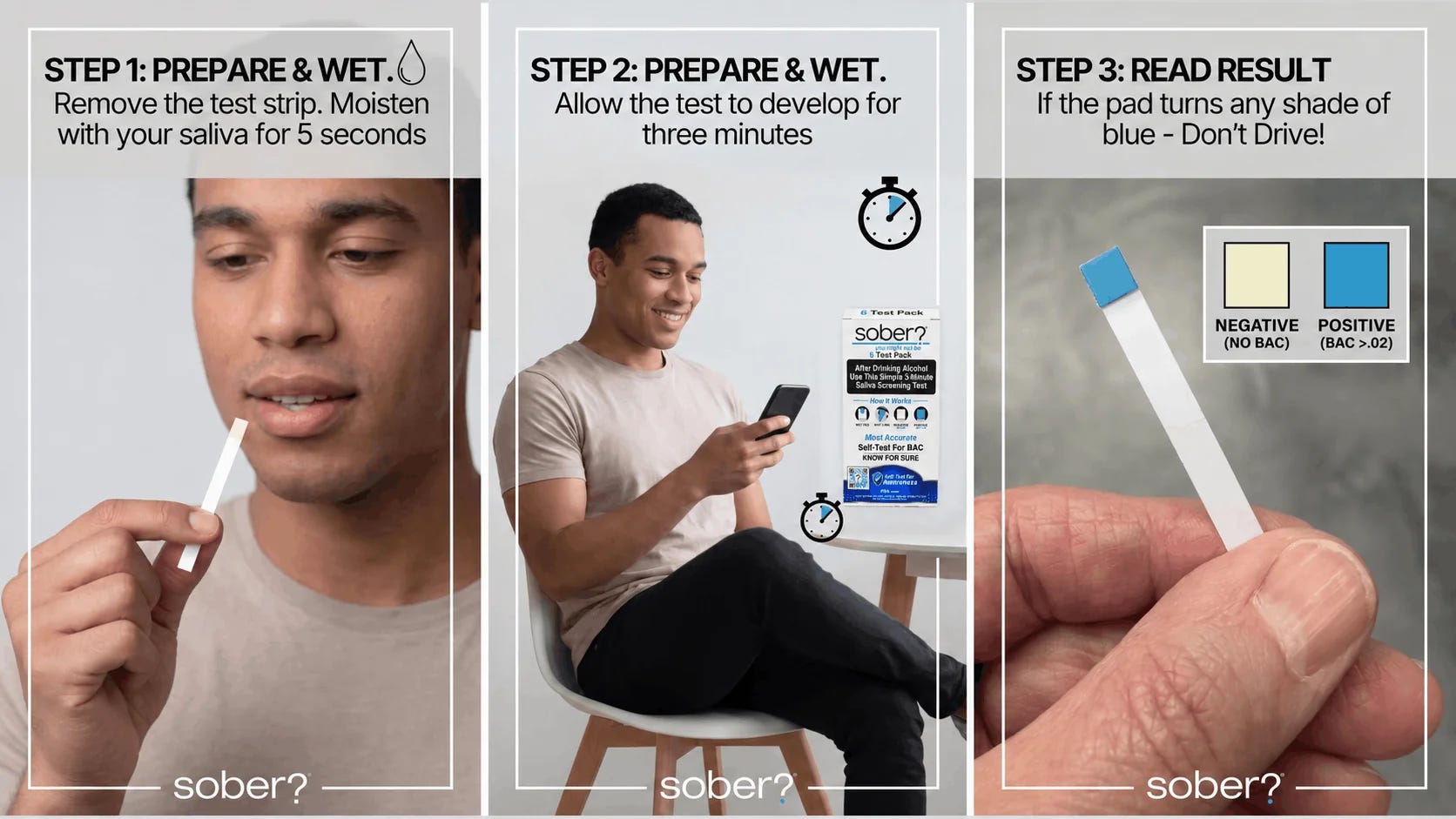
The Sober Self-Test is an FDA-cleared, medically grounded BAC saliva self-test designed to quickly and discreetly detect the presence of alcohol after drinking. Manufactured to pharmaceutical-grade standards in a state-of-the-art facility, it is one of the most accurate saliva alcohol self-tests available, created for real-life situations when responsible decisions matter most.
As attitudes around drinking and driving continue to evolve, we believe the conversation should shift from relying on how someone feels to knowing the facts before getting behind the wheel. The Sober Self-Test empowers individuals with a fast, reliable way to confirm whether alcohol is still present in their system — helping turn a moment of uncertainty into a responsible, informed decision.
Our guiding philosophy is simple: respect your health, your safety, and your independence. The Sober Self-Test is more than a product — it supports a growing culture of personal responsibility and awareness after drinking. By giving people the ability to quickly check their sobriety, it helps individuals make safer choices and contributes to safer roads and communities.
Life doesn’t stop for a test, so we designed the Sober Self-Test to be fast, private, and easy to use anywhere — at home, at a restaurant, or on the go. Because responsible decisions shouldn’t rely on guessing.
They should be based on knowing.
No posts
Comments
Nothing yet. Say the first thing.
Sign in to join the conversation.